
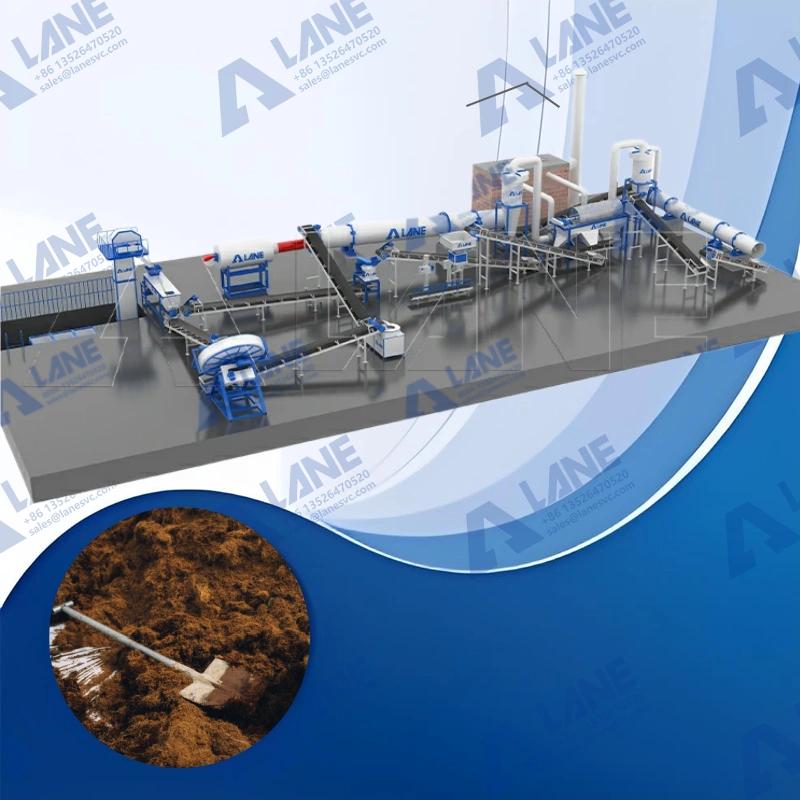
How to choose organic fertilizer granulator machine: compare disc, drum, roller, pellet mill by capacity and budget. Get a free quote today.
How to choose organic fertilizer granulator machine is one of the first questions every new plant owner asks, and with good reason: the wrong machine means low output, oversized granules, high recycle rates and wasted capital.
The right organic fertilizer granulator machine, by contrast, turns composted organic powder into uniform, market-ready granules at low energy cost, with minimal rework.
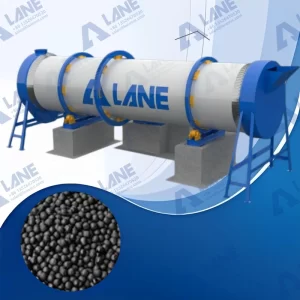
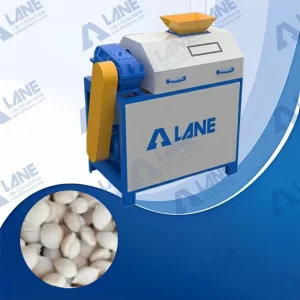
LANE offers the full range of disc, rotary drum, double roller, flat die, ring die and two-in-one granulators, so you can match the equipment to your material, capacity and budget instead of over-paying for output you will never use.
This guide explains how to choose organic fertilizer granulator machine by focusing on what matters most: raw material, target capacity and granule quality. We also list the key parameters to compare and the typical application for each machine type.
The simplest way to learn how to choose organic fertilizer granulator machine is to answer five questions before you commit to any granulator.
Material moisture. Wet organic material after composting suits a two-in-one or drum granulator; dry powder suits a double roller or flat die machine.
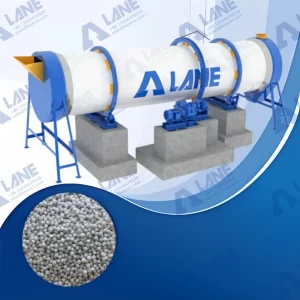
Target capacity. A small plant can run a disc granulator or ring die at 0.5–8 TPH; a large NPK plant often needs a rotary drum at 1–30 TPH with steam injection.
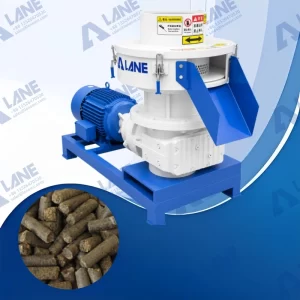
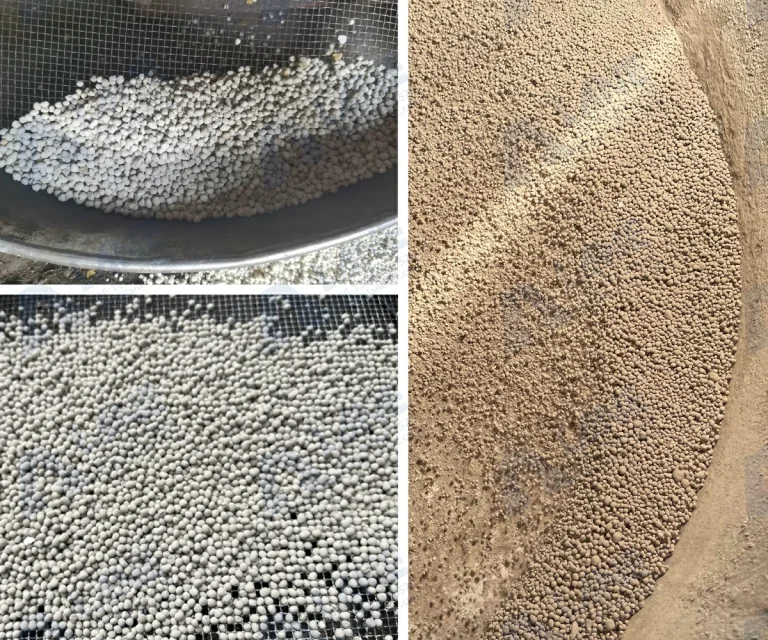
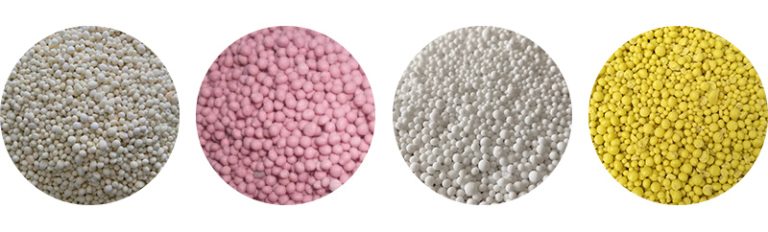
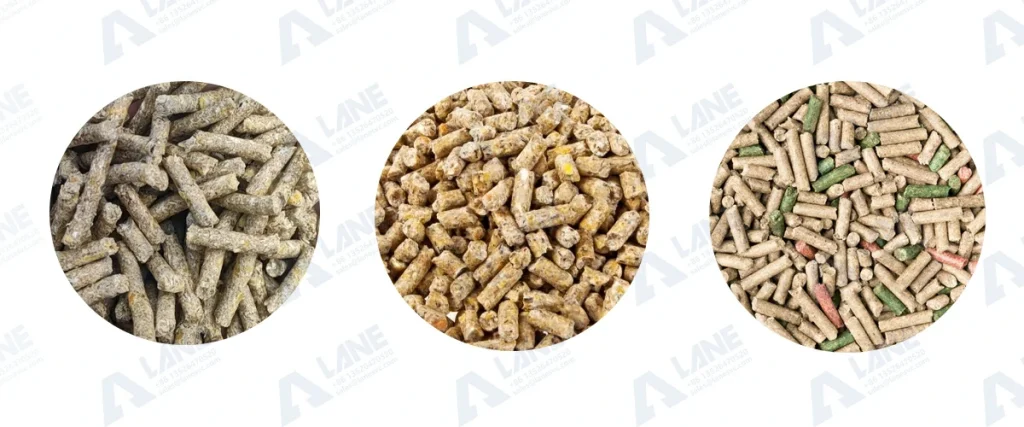
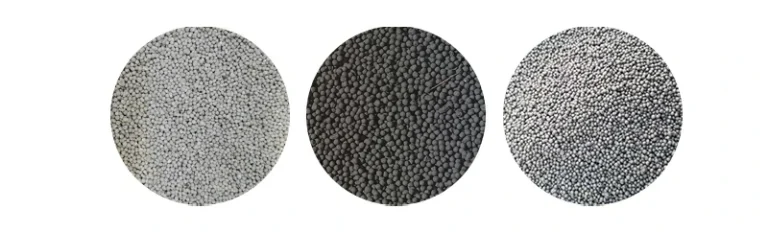
Granule shape and hardness. Spherical granules come from disc and drum machines; cylindrical pellets come from flat die and ring die machines. Drum output typically reaches 15–25 N hardness.
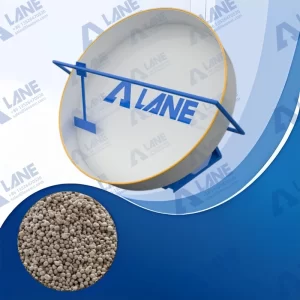
Formula flexibility. If you switch between many NPK grades, a drum handles changeovers better; if you run a few fixed formulas, a disc or roller machine is more economical.
Capital and energy budget. Double roller extrusion cuts energy by up to 40% with no dryer, steam or binder, ideal for budget-conscious plants.
These five parameters tell you how to choose organic fertilizer granulator machine that matches your plant.
If you are still unsure how to choose organic fertilizer granulator machine, share your feedstock details and our engineers will send a layout drawing with these parameters sized to your plant.
Matching the Organic Fertilizer Granulator Machine to Your Application
Here is how to choose organic fertilizer granulator machine by application type.
Organic Fertilizer Granulator Machine FAQ
Q: What is the fastest way to learn how to choose organic fertilizer granulator machine?
A: Answer five questions: material moisture, target capacity, granule shape, formula flexibility and budget. That shortlist then points to one or two machine types.
Q: Which organic fertilizer granulator machine is best for a small plant?
A: A disc granulator at 0.5–6 TPH is the most cost-effective start; it classifies granules automatically and keeps the recycle ratio low.
Q: Can one granulator handle both organic and NPK materials?
A: Not simultaneously. Organic residue affects NPK chemistry, so plan separate lines or a thorough cleanout between material types.
Q: Do you provide sizing support and a warranty?
A: Yes. LANE machines carry a 5-year warranty, and our engineers supply specifications, layout drawings and a detailed quote based on your feedstock and capacity.
Ending
The steps above cover how to choose organic fertilizer granulator machine for your output, and the same logic works for NPK and cat litter lines.
Start with your material and capacity, compare the parameters, and ask for a site-specific layout before you commit.
Contact us at sales@lanesvc.com or WhatsApp +86 13526470520 for a free quote, and let our engineers help you select the machine that fits your project.

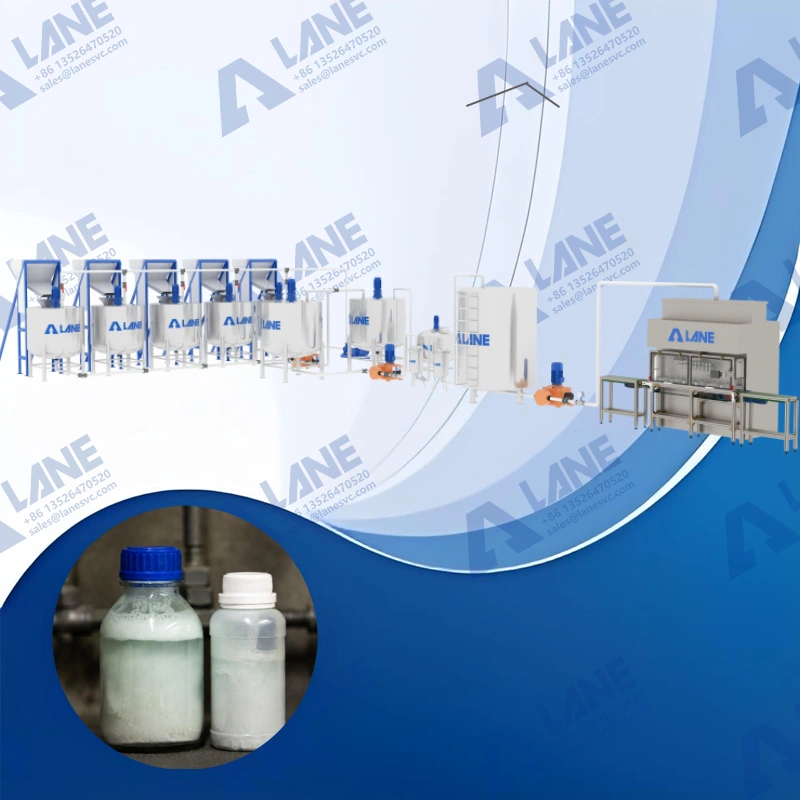
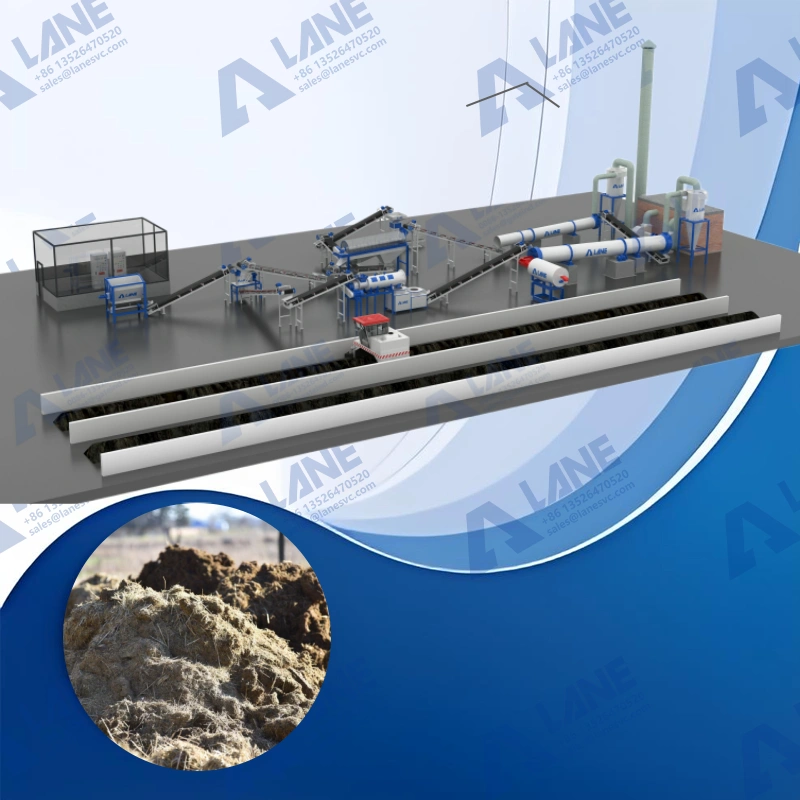
Everything you need to know when looking at different types of organic fertilizer equipment, all in one place.
Copyright © 2026. LANE All rights reserved.
Send A Message