
Organic fertilizer making machine for sale: Buy wisely Evaluate throughput, feedstock limits, wear parts and supplier warranties before picking your organic fertilizer making machine for sale.
When you search for organic fertilizer making machine for sale, you will run into dozens of listings with glossy photos and vague throughput numbers. Many buyers treat this as a straightforward hardware purchase, yet the biggest hidden risk is selecting standalone machines that cannot integrate smoothly with your existing compost workflow.
This guide is built to help you separate functional, compliant units from overhyped listings that stall your production after delivery.
A widespread misconception among first-time buyers is that any machine advertised as an organic fertilizer making machine can turn raw manure directly into sellable pellets. That assumption causes more failed projects than mechanical breakdowns.
According to IFA, steady supply of locally sourced organic feedstock remains the biggest bottleneck for small organic fertilizer businesses, not the machine itself. A well-chosen organic fertilizer making machine only performs reliably when your compost has finished aerobic curing, with moisture locked between 25% and 35%. Skip this step, and you will face constant clogging, poor pellet forming and nutrient test failures.
Not every organic fertilizer making machine for sale matches your operational setup. Our core rule: judge the machine by its working boundary conditions instead of its listed price.
Standalone granulators are the most commonly mis-sold item online. A disc granulator looks simple, but it cannot process wet, lumpy, uncrushed compost on its own.
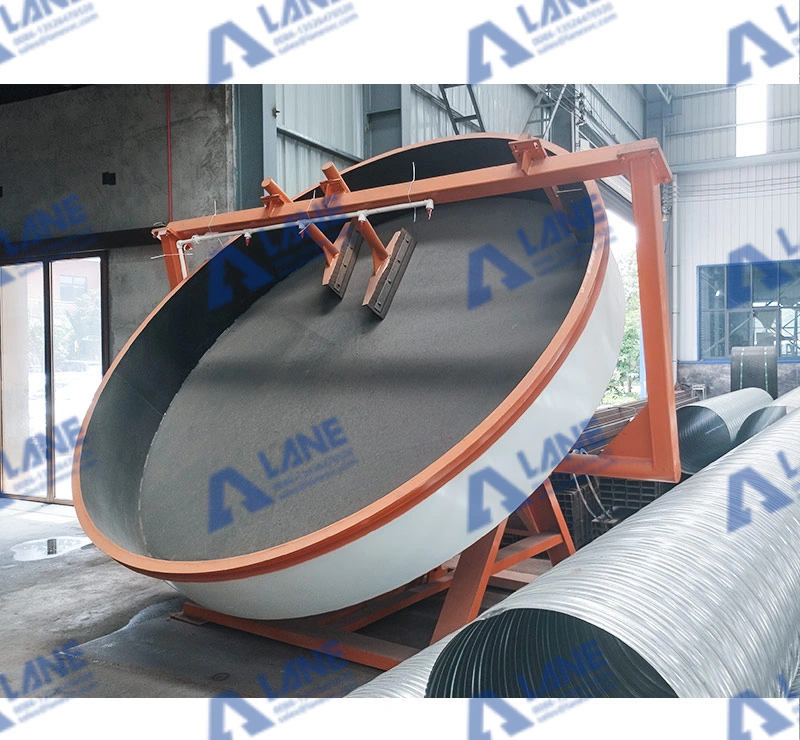
If a seller pushes only a granulator without mentioning supporting crushing, mixing and screening gear, treat that quote with caution. It means they are selling individual parts rather than a matched process solution.
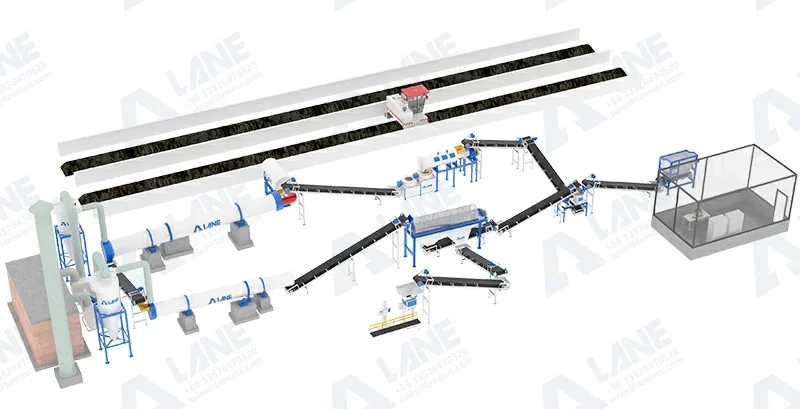
Before replying to any sales message, clarify one foundational point: are you buying a single replacement machine, or building out a complete production sequence? If you are assembling a full plant from scratch, review our detailed breakdown of required units: organic fertilizer plant equipment list. This resource helps you avoid ordering duplicate or mismatched machinery.
Different organic fertilizer making machine units serve distinct stages. The table below compares the four most frequently listed models, their typical throughput and their realistic use cases. This table helps you eliminate options that do not align with your daily feedstock volume.
| Machine Type | Usable Throughput Range | Ideal Moisture Input | Primary Job | Best Buyer Fit |
|---|---|---|---|---|
| Semi-wet material crusher | 1–8 t/h | 20–40% | Break lumpy cured compost, biogas residue | Farms, small recycling workshops |
| Disc granulator | 0.5–6 t/h | 25–32% | Form round organic pellets | Low-to-medium batch production |
| Rotary drum granulator | 3–15 t/h | 28–35% | Continuous high-volume pelletizing | Commercial fertilizer brands |
| Rotary screener | 1–12 t/h | <30% | Sort qualified pellets, recycle oversized fines | Any line making packaged fertilizer |
One easy trap to watch for: sellers often quote peak theoretical throughput, not stable continuous output. A disc granulator marked 6 t/h will rarely hit that number if your compost has inconsistent particle size. Always ask suppliers for sustained working capacity, not maximum lab test figures.
Listed pricing for an organic fertilizer making machine for sale rarely covers everything needed to run it. Base cost changes based on machine size, plate thickness, motor brand and control configuration.
The biggest overlooked expense is site adaptation. Many buyers forget to budget for reinforced foundations, wiring, local transformer adjustment and dust containment guards required for regional industrial codes. Spare parts stock is another frequent surprise. Cheap imported units often use non-standard bearings or scraper blades; lead times for replacements can stretch to weeks and halt your whole plant.
We recommend separating your budget into three buckets: core machine purchase, installation and commissioning, and 12 months of consumable spares. This structure prevents you from running out of funds right after delivery.
No single organic fertilizer making machine works for every waste stream.
Crushers and granulators handle cured cow manure, chicken litter, mushroom substrate, biogas residue and crushed crop straw reliably when you balance the C:N ratio before composting.
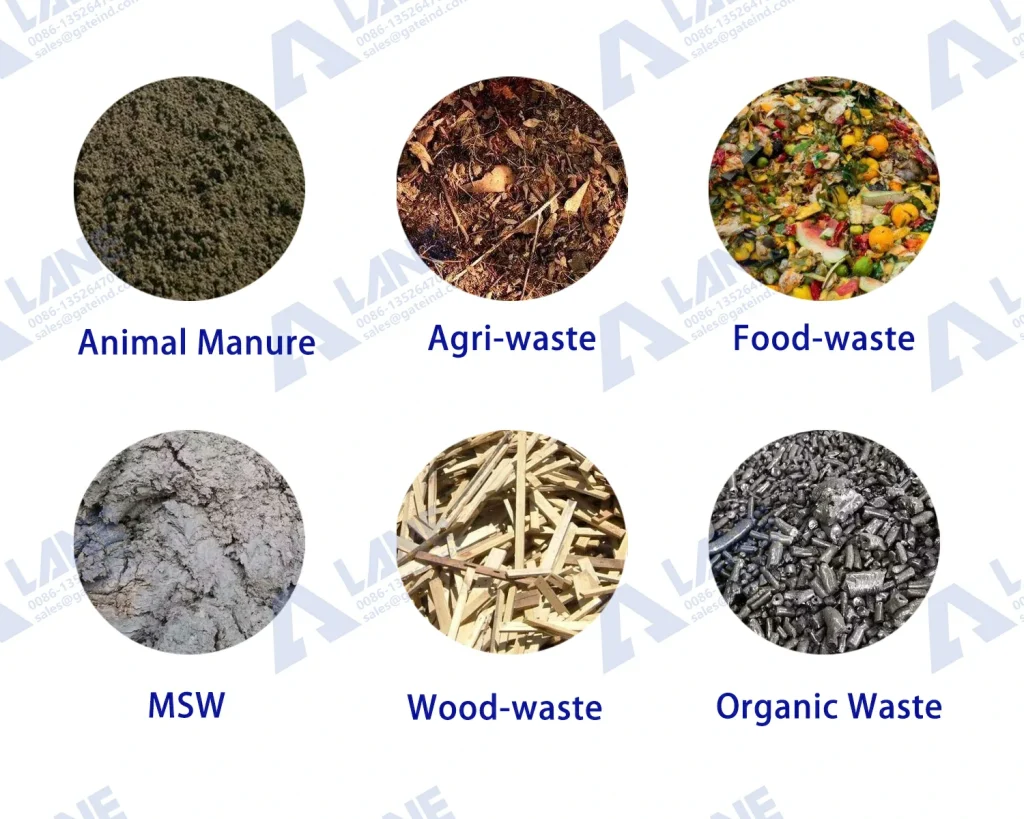
For buyers in Southeast Asia working with palm waste, note that palm fibre decomposes slowly; you cannot rush it into granulation just because the machine accepts dry feed.
We strongly advise against feeding heavily polluted industrial sludge or waste with confirmed high heavy metal levels. Even if the machine physically crushes the material, the finished fertilizer will fail organic certification standards and expose your business to fines. Machine hardware cannot fix contaminated raw material.
When you reach out to vendors advertising an organic fertilizer making machine for sale, avoid generic “send me price” messages. Use targeted questions to filter capable manufacturers from resellers.
Request certified motor and reducer brand names, not just power kW numbers. Confirm whether the quote includes on-site commissioning or only remote video guidance. Ask for reference projects operating under your same voltage standard and similar feedstock. Verify warranty scope: most basic warranties cover main frames, but wear parts such as scrapers, screen meshes and liners are usually excluded.
Trustworthy suppliers will first ask about your daily feedstock volume, moisture and finished pellet target before pushing a model. Resellers will push the cheapest unit first.
Can this organic fertilizer making machine process fresh manure directly?
Conclusion: No. Fresh manure requires aerobic compost curing for 25–45 days to reduce pathogens and stabilize nutrients before granulation.
What is the normal price range for a standalone organic fertilizer granulator?
Conclusion: Standalone disc granulators generally range from USD 3,200 to USD 16,000. Larger rotary drum models sit higher, based on diameter and motor grade.
What pellet sizes can these machines produce?
Conclusion: Standard output ranges from 1.5 mm to 6 mm. Swapable sieve plates or adjustable disc angles let you lock in your target size.
How long is typical production and shipping lead time?
Conclusion: Manufacturing takes 18–35 working days. Ocean transit to the US, EU or Southeast Asia adds separate shipping and customs clearance time.
Can the machine be built to match local voltage standards?
Conclusion: Qualified factories support custom voltage and frequency, including 415V 50Hz and 480V 60Hz. State your requirement at quotation stage.
What routine wear parts should I keep on hand?
Conclusion: Stock scraper blades, screen mesh, bearing sets and sealing gaskets. These parts degrade faster than the main machine frame.
Is training included when I buy an organic fertilizer making machine?
Conclusion: It depends on the package. Many suppliers offer free remote operation training; on-site hands-on training usually carries extra service fees.
Will the machine guarantee my fertilizer meets EU or US organic rules? Conclusion: The machine itself cannot grant certification. Compliance depends entirely on raw material quality, compost hygiene and lab nutrient testing.
When comparing listings for organic fertilizer making machine for sale, rank your priorities in this sequence: feedstock compatibility > continuous working throughput > supplier after-sales support > upfront price. Low-cost equipment with no spare part support will create far greater downtime losses over one or two years.
If you are sorting out which machines belong in your full workflow before sending RFQs, revisit our organic fertilizer plant equipment list to map your full production sequence and avoid mismatched purchases.
Share your daily waste tonnage, moisture data and site power requirements with our engineering team. Contact us to get a customized equipment proposal and itemized quotation for your organic fertilizer project.
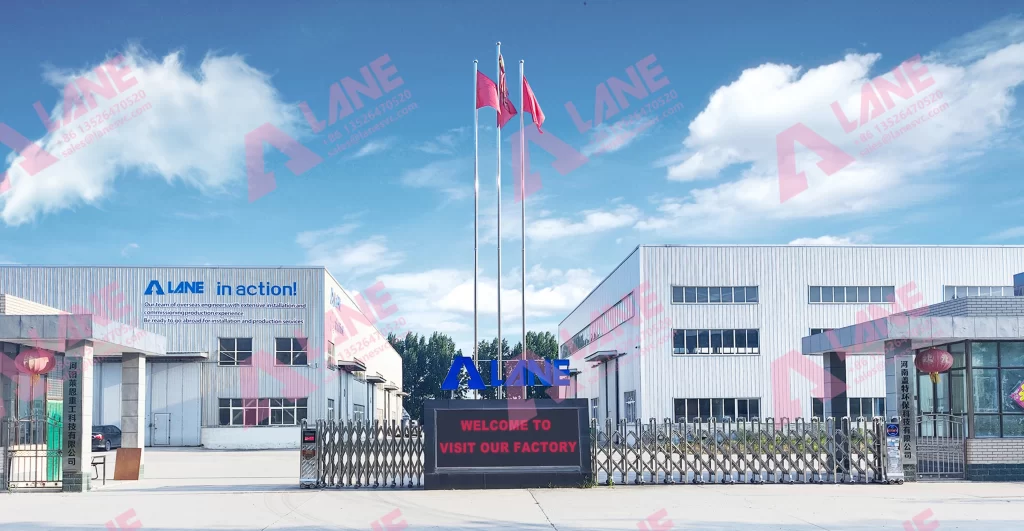

Everything you need to know when looking at different types of organic fertilizer equipment, all in one place.
Copyright © 2026. LANE All rights reserved.
Send A Message