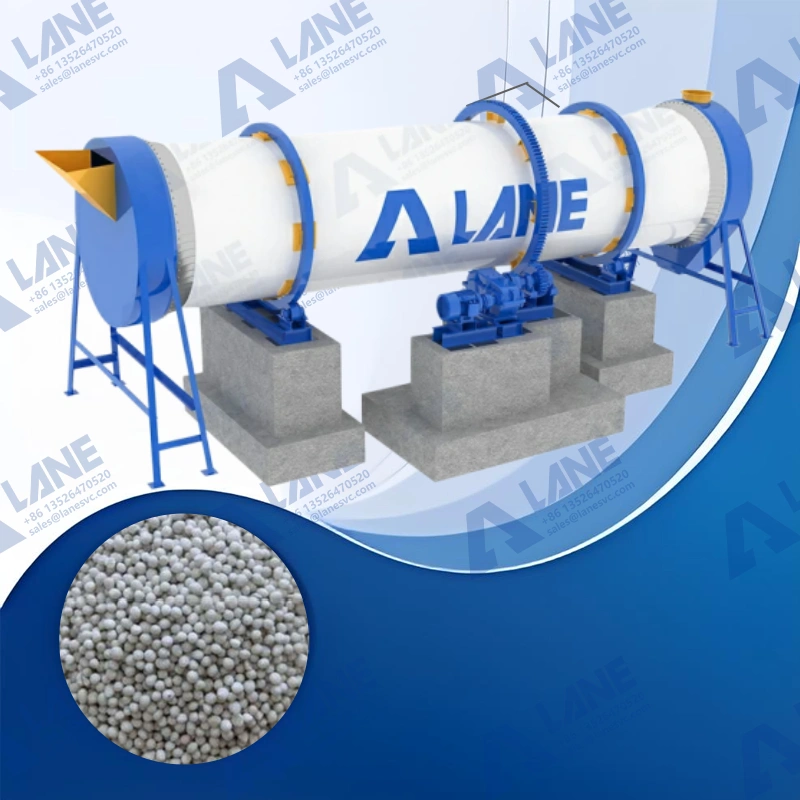
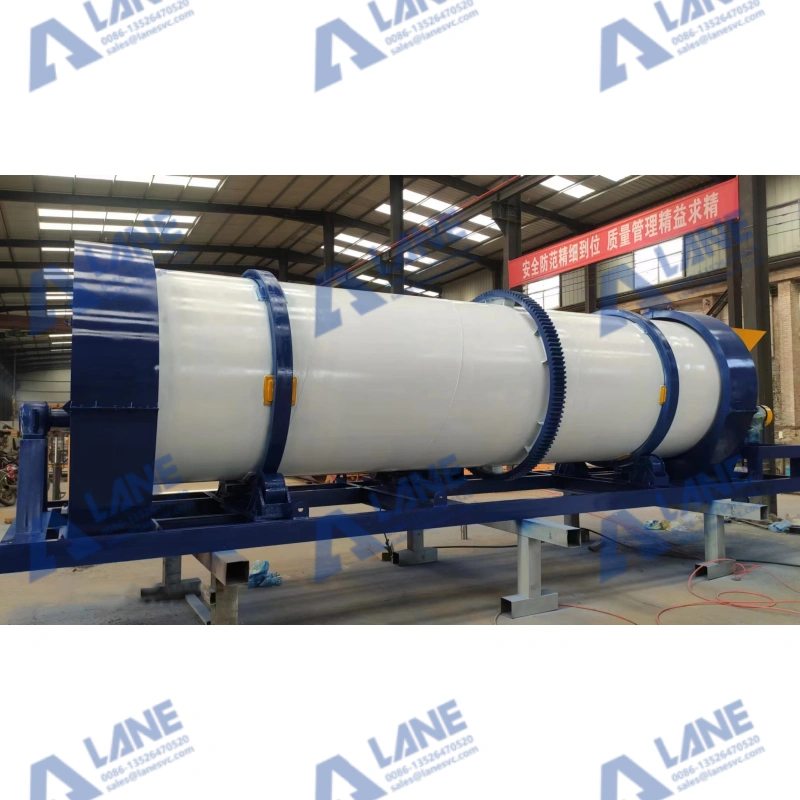
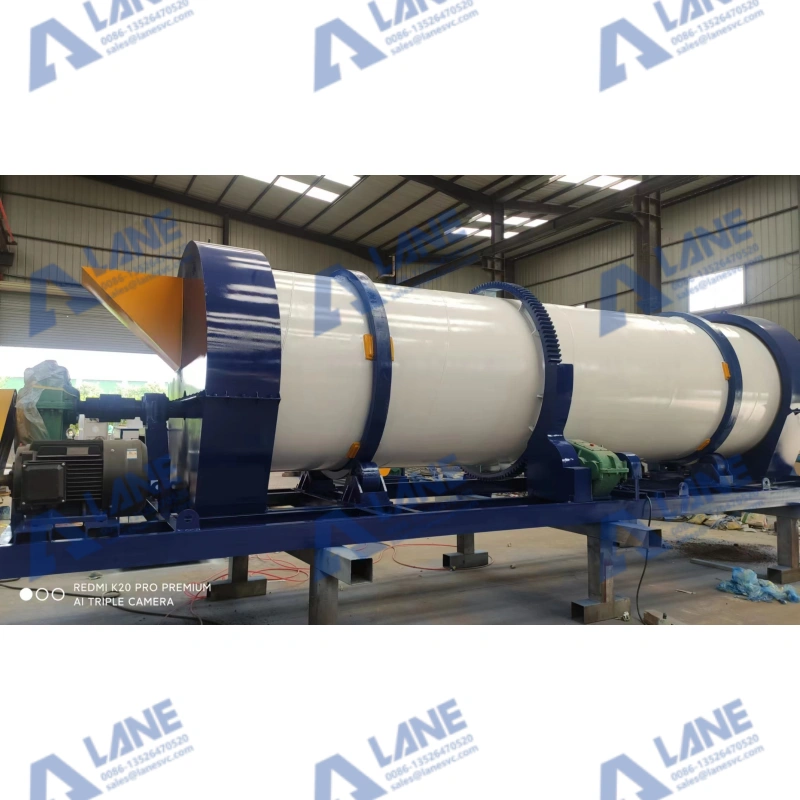
Two-in-one granulator combines crushing and granulation in a single machine. Wet material granulation at 1–6 TPH. Ideal for organic fertilizer, compound fertilizer, and bio-fertilizer. Reduces equipment count and plant footprint.
Conventional granulation needs two machines: a crusher to reduce oversized raw material to granulation-appropriate particle size, then a granulator to build those fines into spherical granules. More machines. More conveyors. More floor space. More failure points.
The two-in-one granulator consolidates both functions into one machine body. Wet or semi-dry material enters the feed hopper. A set of high-speed rotating blades shears large lumps into uniform fines. In the same chamber, a secondary blade assembly running at a different speed rolls those fines into spherical granules while a liquid binder sprays into the tumbling bed. Granules discharge from the opposite end, ready for drying.
It’s the right solution for small to mid-size organic fertilizer plants (1–4 TPH), compound fertilizer workshops that want to simplify their equipment layout, and operations processing variable-quality feedstock that arrives with inconsistent lump sizes. Instead of tuning two separate machines to work together, you tune one.
The machine body is a horizontal U-shaped trough divided into two functional zones — crushing and granulation — that share a common rotating shaft assembly.
In the crushing zone (feed end, roughly the first 30–40% of the shaft length), a series of heavy-duty hammers or cutter blades mounted on the shaft rotate at 600–900 RPM. Incoming material — which can include lumps up to 50 mm — is impacted, sheared, and shattered against a stationary anvil plate until it passes through a sizing grate (typically 3–5 mm perforations).
The sized material then drops into the granulation zone (the remaining 60–70% of the trough), where slower-turning stirring paddles (100–200 RPM) mounted on the same shaft roll the fine powder against itself and the curved trough wall. A spray bar adds binder (water, lignosulfonate solution, or diluted molasses) at 3–8% by weight. The combined tumbling + binding action builds spherical granules 2–6 mm in diameter.
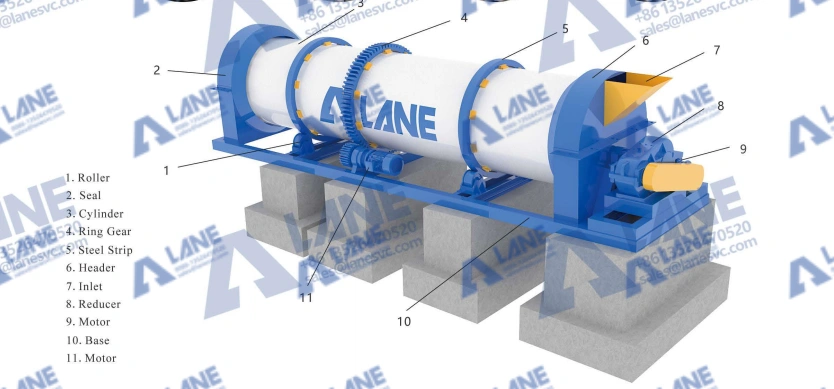
Because both zones share one shaft and one motor, power draw is inherently balanced — the crushing section can’t overfeed the granulation section because they run at proportional, mechanically linked speeds.
One machine replaces two. This is the core value proposition. In a conventional setup, raw material feeds into a crusher, crushed material discharges onto a belt conveyor, the conveyor feeds the granulator. That’s three pieces of equipment with three motors, three sets of bearings, and two belts. The two-in-one design replaces all of it with one machine. Fewer conveyors = fewer transfer points = less dust generation = smaller dust collection system.
Handles lumpy, inconsistent feedstock. Most organic raw materials — composted manure, fermented mushroom substrate, biogas residue — arrive with lumps from softball-sized down to powder. A standalone disc granulator can’t accept that directly; you need a crusher upstream. The two-in-one accepts the inconsistency from the start and processes it into uniform granules without pre-treatment.
Lower total installed power. A standalone 3 TPH crusher draws 15–18.5 kW. A 3 TPH disc granulator draws another 11–15 kW. Total: 26–33.5 kW. A 3 TPH two-in-one granulator draws roughly 30 kW total, doing both jobs with one motor and one drive train. The absolute power difference is modest, but the elimination of transfer conveyors (another 2–4 kW saved) and the reduction in dust collection volume tip the energy arithmetic in the two-in-one’s favor.
Simplified plant layout. Every machine you remove from the equipment line shrinks the required building footprint and simplifies the electrical and piping runs. For plants operating in existing structures — converted warehouses, repurposed agricultural buildings — this can be the difference between fitting the line and needing a new building.
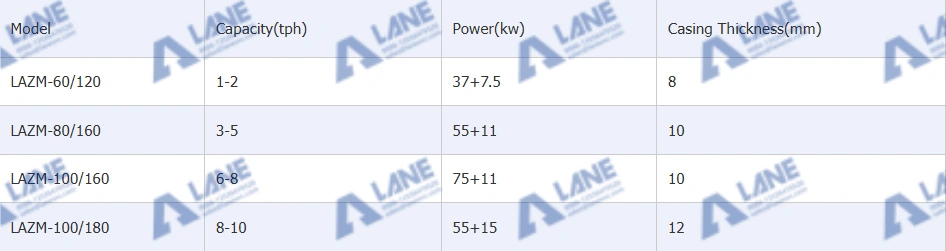
Throughput varies with material type, moisture, and target granule size. Organic materials with fiber content (cow manure, mushroom residue) run at the lower end; composted powders run at the upper end.
Q: Does the two-in-one granulator need a dryer?
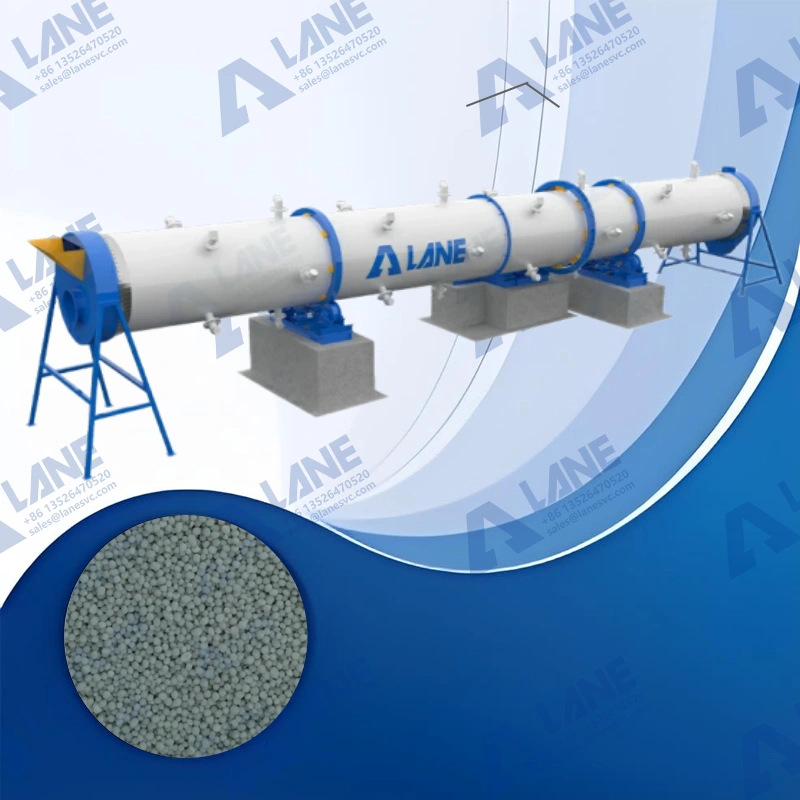
A: Yes. Like all wet granulation methods, granules exit at 12–20% moisture and need drying to ≤10% for bagging and storage. The machine only handles size reduction and granulation — drying is a separate downstream step. Pair with a rotary dryer matched to your throughput.
Q: Can the crushing and granulation speeds be adjusted independently?
A: No — both zones share a single shaft driven by one motor. The speed ratio between crushing and granulation zones is fixed by the blade geometry. This is intentional: it prevents the crusher from overfeeding the granulation section faster than it can process. If you need independent speed control for each function, the two-in-one design isn’t the best fit — a separate crusher + disc granulator gives you that flexibility.
Q: How does the two-in-one compare to the new type organic granulator?
A: Both handle wet organic materials and produce spherical granules. The key difference: the two-in-one adds an integrated crushing stage, which means it accepts lumpier raw material directly. The new type organic granulator is better for pre-crushed, consistent feedstock and typically achieves slightly higher granulation rates for that input. If your incoming material is pre-crushed and uniform, go new type. If it’s inconsistent with lumps, the two-in-one is the safer choice.
Processing lumpy organic feedstock into uniform granules? Describe your raw material and target output. We’ll recommend the right machine configuration and provide a complete quotation.


Everything you need to know when looking at different types of organic fertilizer equipment, all in one place.
Copyright © 2026. LANE All rights reserved.