
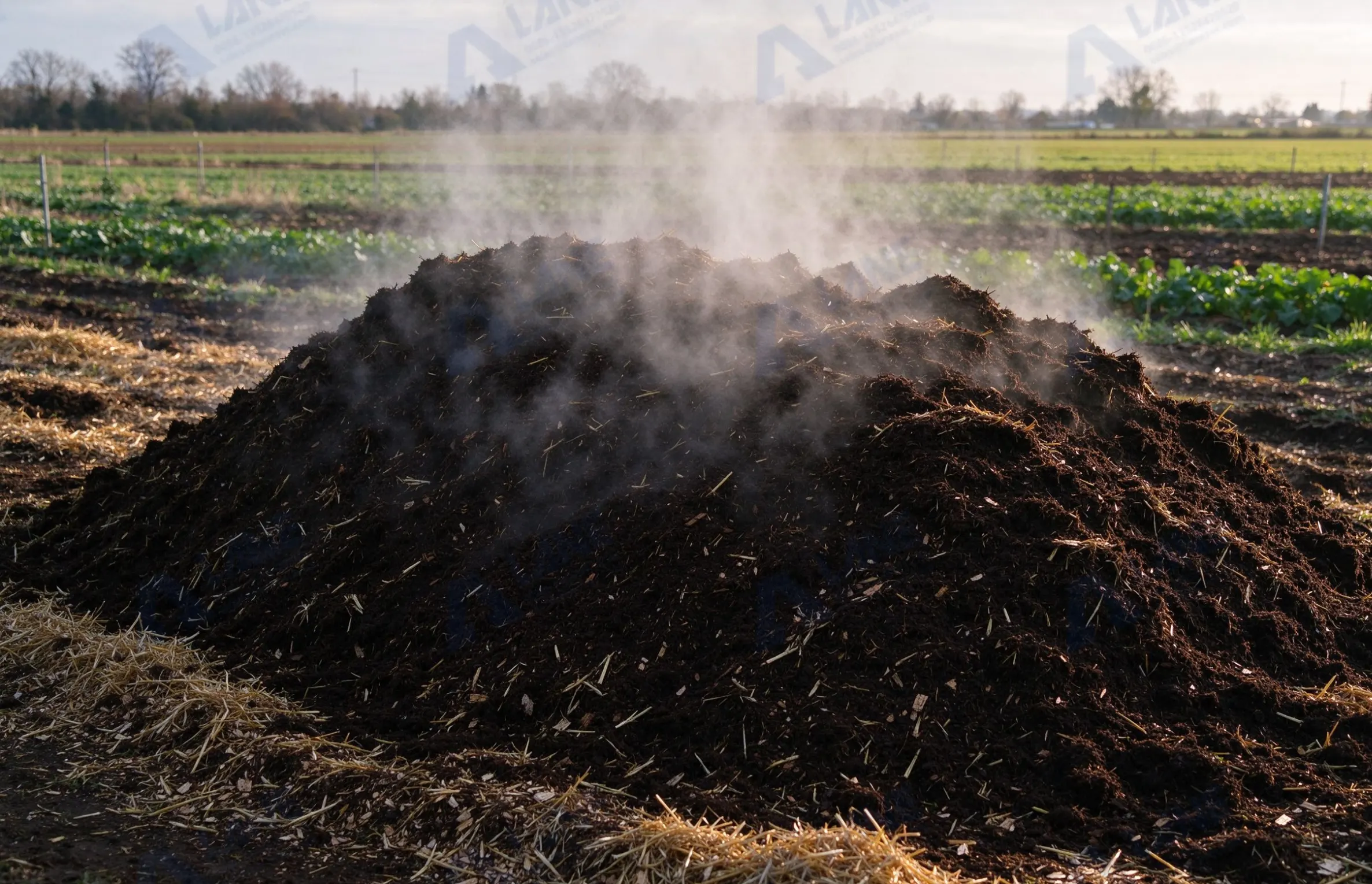
Animal manure recycling into fertilizer: windrow or in-vessel route, and the scale, cost and compliance checks buyers need.
Animal manure recycling into fertilizer is not one process but a route choice, and the honest judgment is that the manure itself decides the route before any machine does. The real risk for a buyer is not the price of a composter, but pairing the wrong reactor type to your livestock mix and then paying for it in odour permits and slow turnover.
This guide is for farms and investors turning cattle, pig, sheep or poultry manure into saleable fertilizer, and it covers how to pick windrow or in-vessel, how to size the line, and what the hidden costs and compliance actually are.
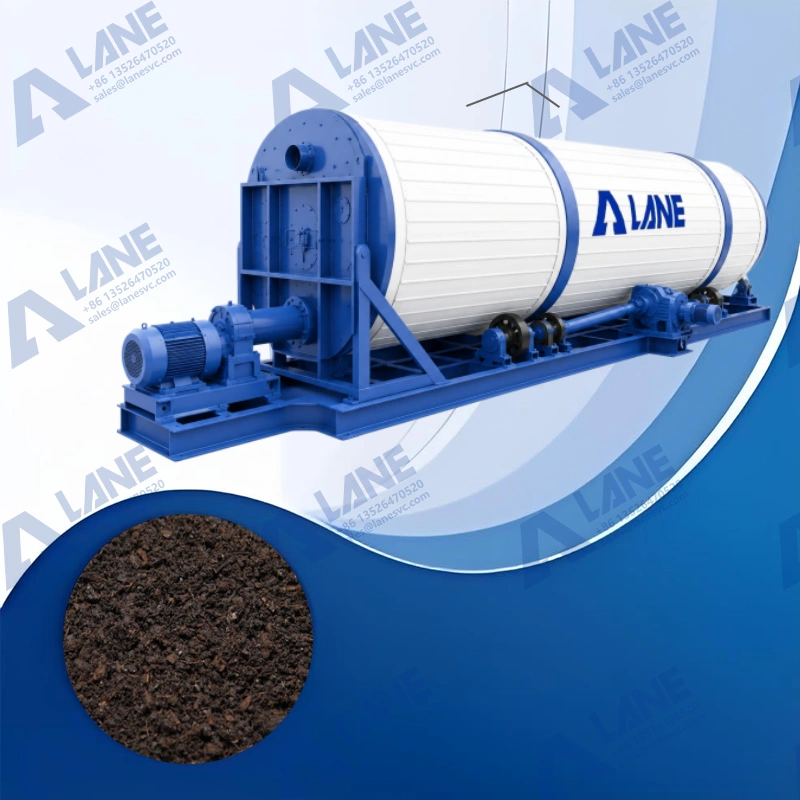
Spreading fresh manure directly on fields is how nutrients are lost to ammonia and runoff, and why regulations keep tightening. Animal manure recycling into fertilizer holds the nitrogen, kills pathogens during the heat phase, and turns a waste liability into a sellable product. The decision is not whether to recycle, but which route earns back its capital fastest for your specific manure.
| Manure type | Physical profile |
Route that fits best |
|
Poultry manure |
High nitrogen, uneven drying, strong ammonia | In-vessel or tank to contain odour |
| Cattle manure | Fibrous, good C/N and structure |
Windrow with a turner |
|
Pig manure |
Very wet, needs solid–liquid separation first | Filter press, then windrow or anaerobic digestate |
| Sheep manure | Dry, granular, easiest to handle |
Windrow, low-cost |
The table is the starting point, not the final word. Cattle and sheep manure suit the low-cost windrow route because their fibre holds structure and air; pig and poultry manure push you toward separation and containment because of water and ammonia. This is the first decision, and it changes the equipment list more than any brand choice.
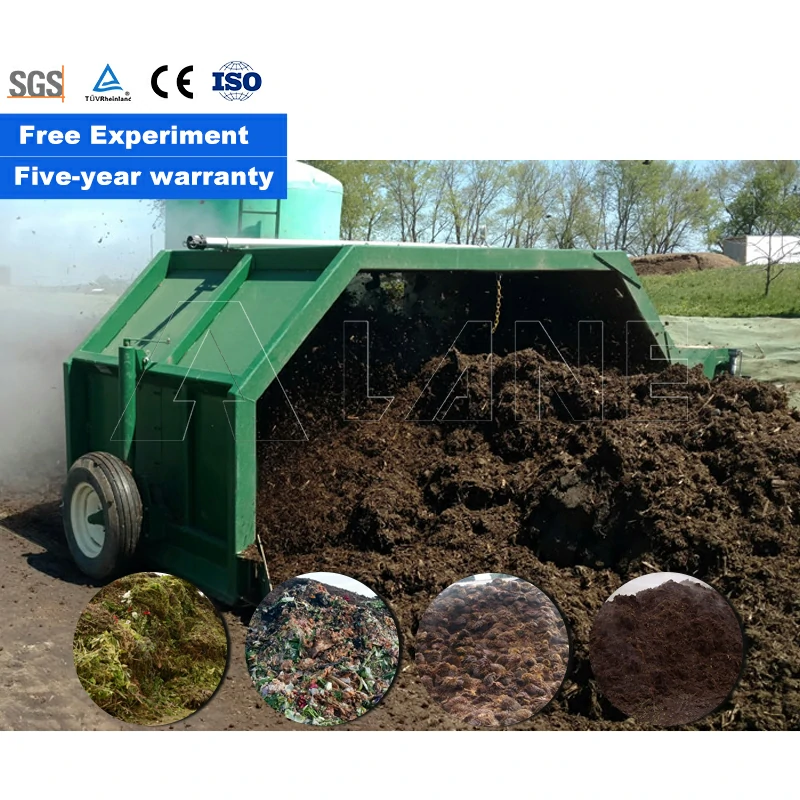
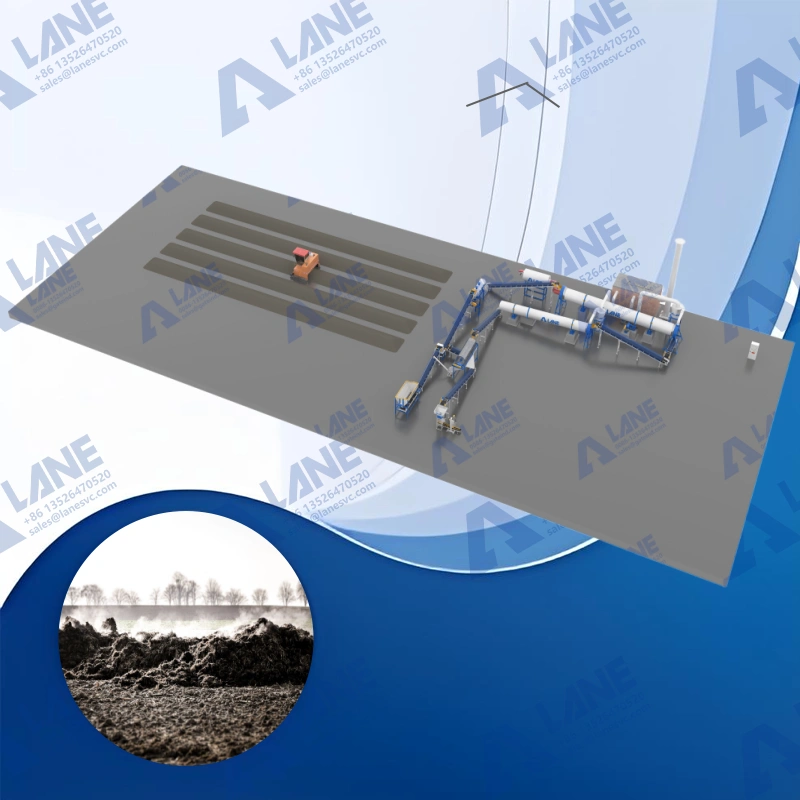
In animal manure recycling into fertilizer, the windrow line is open-air with a compost turner, costs the least in machinery, and works well on cattle and sheep manure where you have space and tolerance for odour.
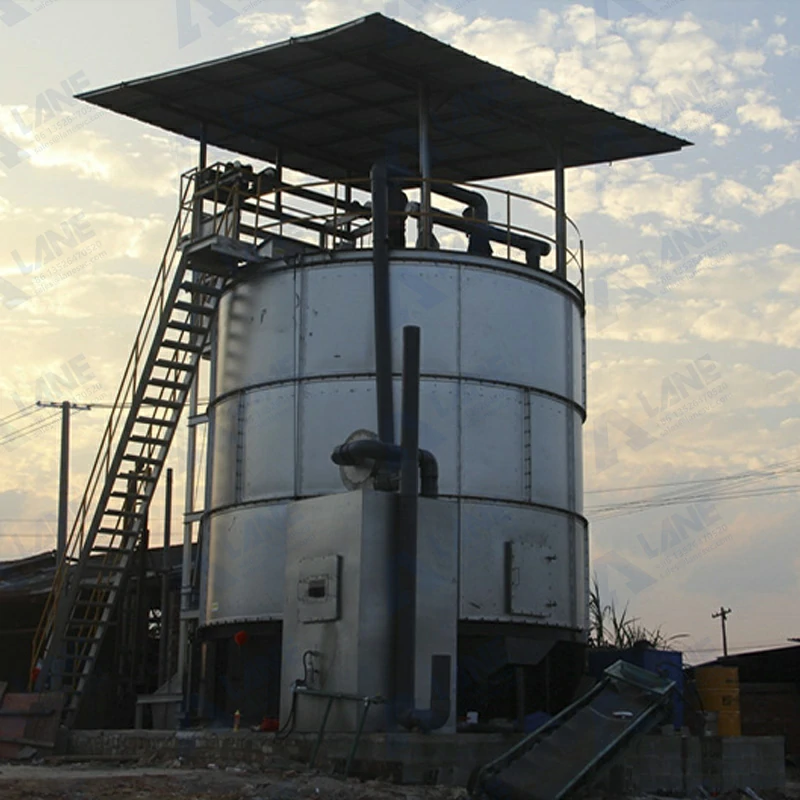
An in-vessel system—like a vertical fermentation tank—is enclosed, takes far less land, and finishes a batch in roughly seven days instead of weeks, which suits pig and poultry manure and sites near towns where odour is a permit issue. The trade-off is capital: the tank buys containment and speed at a higher cost per tonne.
Pig manure at 80%+ moisture will not compost well no matter how good the turner is. A plate-and-frame filter press or a screw press dewaters the slurry into a drier cake and a cleaner liquid, and the cake composts properly while the liquid can be handled separately. This is the most under-budgeted step in pig- and slurry-heavy operations, and skipping it is the fastest way to fail a recycling project.
The real cost is not the reactor. It is the dewatering step, the odour-control investment, and the curing and finishing area you have to hold product in. Recycling animal manure into fertilizer means a pig farm adding separation spends meaningfully more than a sheep farm running open windrows, and a near-town poultry operation spends again on scrubbing and enclosure.
Budget the whole route—separation, containment, curing, bagging—not just the headline composter price.
Recycling only helps if the product meets your market’s rules: pathogen kill during the thermophilic phase, limits on ammonia and odour for nearby neighbours, and nutrient declarations if you sell it.
In animal manure recycling into fertilizer, an enclosed tank makes pathogen and odour control far easier to document than open windrows. Ask a supplier how their line achieves and proves the heat-time curve, because that is what an inspector and a buyer will check.
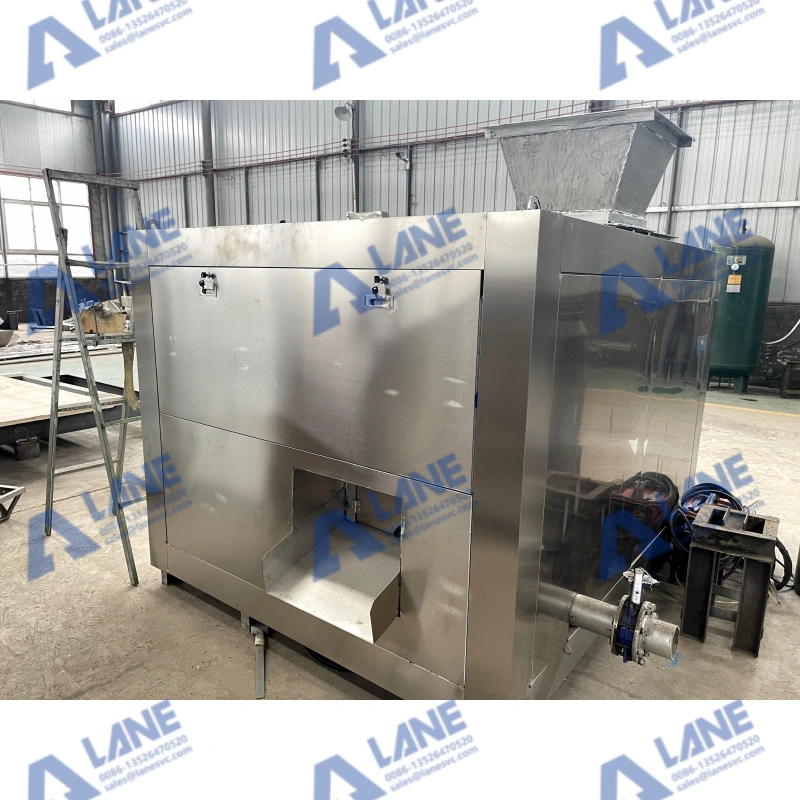
Work backwards from manure volume when sizing an animal manure recycling into fertilizer line. A farm producing a few tonnes a day fits a compact in-vessel tank or a small windrow line; larger operations may combine separation, an in-vessel stage and granulation into a full production line.
Match capacity to weekly manure output, not to the field area you own, because that is what keeps the line fed. LANE supplies turnkey organic fertilizer plants, compost turners and vertical fermentation tanks, with 3D design, overseas installation and a 5-year warranty, and their layout starts from your actual manure mix.
Can one line process all manure types—cattle, pig, sheep and poultry manure?
Yes, but feed each stream appropriately—separate the wet pig slurry, windrow the fibrous cattle manure, and keep poultry in an enclosed stage for odour.
Can it handle both wet slurry and dry fibrous manure in the same plant?
One plant can combine a filter press for the wet stream and a windrow or tank for the drier one, but they run as separate stages sized to each fraction.
What moisture range can the feed material be?
Windrow composting works best around 50–60% moisture; anything much wetter needs dewatering first, and in-vessel tanks accept a wider band with proper aeration control.
What actual capacity can the line reach?
Capacity is sized to your weekly manure tonnage, from a few tonnes a day on a compact tank to turnkey lines for large farms; LANE matches the line to the volume you actually produce.
How long does delivery and installation take?
Lead time depends on line size and configuration; ask for a delivery and commissioning timeline quoted against your capacity before ordering.
How many days does each batch take to finish?
In-vessel tanks finish roughly in about seven days; open windrows take weeks, with turning and moisture control determining the final curing time.
Windrow or in-vessel—which route should I choose?
Choose by odour tolerance, land and turnover: cattle and sheep manure with space favour low-cost windrows; town-adjacent or pig and poultry sites usually justify the in-vessel tank.
What warranty and after-sales support do you provide?
LANE provides a 5-year warranty, overseas installation and commissioning, with spare parts and maintenance guidance for the separation, fermentation and finishing stages.
Can the voltage, layout and product specification be customised?
Yes—voltage, line layout and output spec are customised to your site and market, so confirm your power and bagging requirements with the quotation.
Before you commit to animal manure recycling into fertilizer, confirm three things with the supplier: the dewatering and separation step for your wettest manure, the odour and pathogen-control method for your site, and the curing and finishing area you need.
Recycling that skips separation or compliance is a liability, not a saving.
LANE supplies CE and ISO 9001 certified fertilizer equipment, with windrow turners, vertical fermentation tanks and turnkey lines. Send your manure mix and target capacity to sales2@lanesvc.com or contact us at https://organicfertilizerturnkey.com/ for a line quotation.

Everything you need to know when looking at different types of organic fertilizer equipment, all in one place.
Copyright © 2026. LANE All rights reserved.
Send A Message