
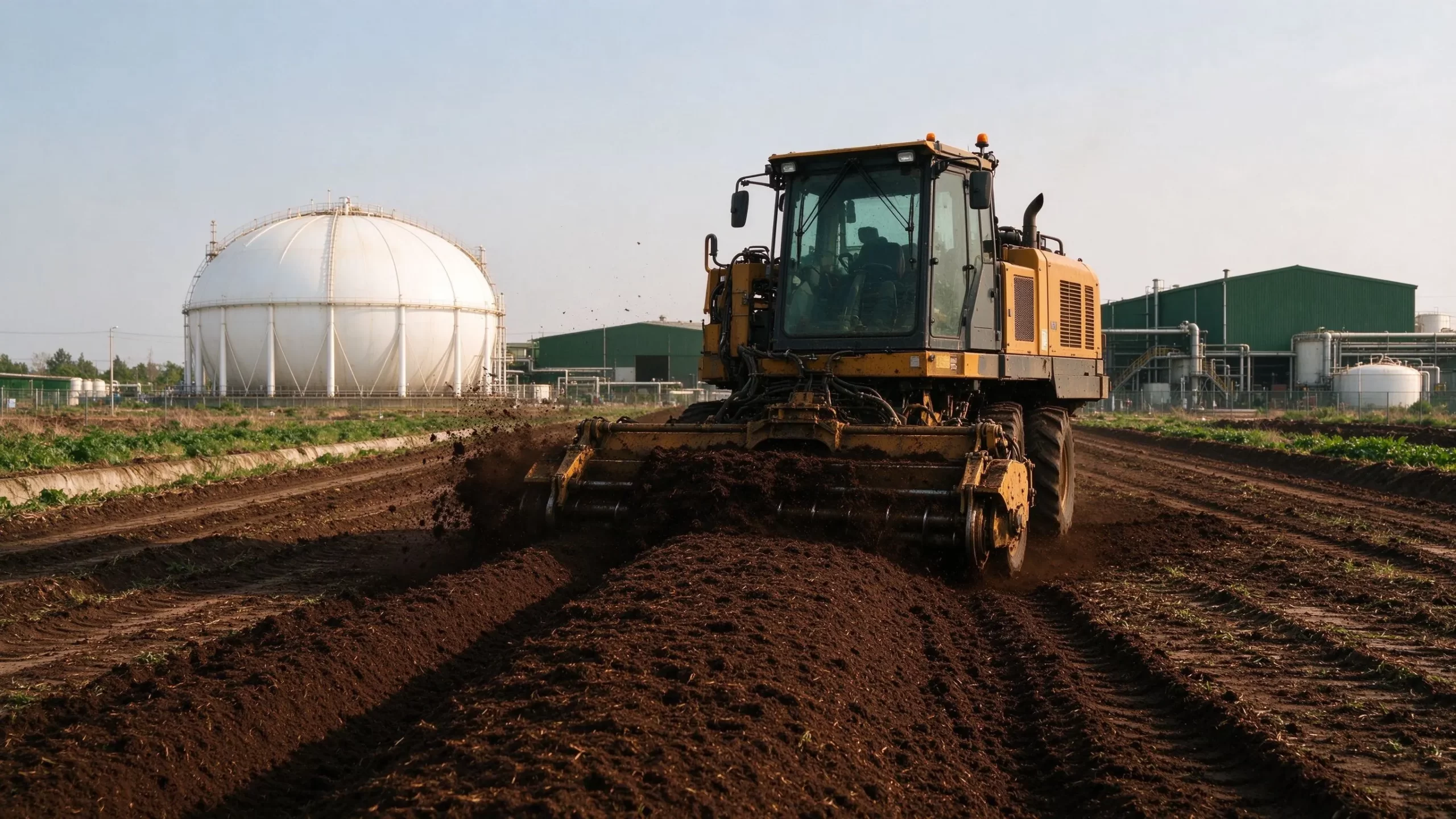
Choose a self-propelled compost turner by windrow size, drive system and throughput. Compare wheel and crawler options before buying.
A self-propelled compost turner is used to turn, mix and aerate organic materials during aerobic fermentation. Unlike a tractor-towed machine, it has its own mobility system, allowing it to travel along compost windrows without relying on an external tractor for movement.
For organic fertilizer manufacturers, selecting the right machine involves more than comparing hourly capacity. Windrow dimensions, yard conditions, feedstock properties, labor requirements and automation level all affect equipment performance.
LANE Machinery’s compost turner range includes three main configurations on its current equipment category page: Autonomous Compost Turner, Crawler Type Compost Turner and Wheel Type Compost Turner. These names describe different product configurations, but they do not represent three completely independent chassis technologies. The autonomous model, for example, is built on a crawler platform and adds intelligent control functions.
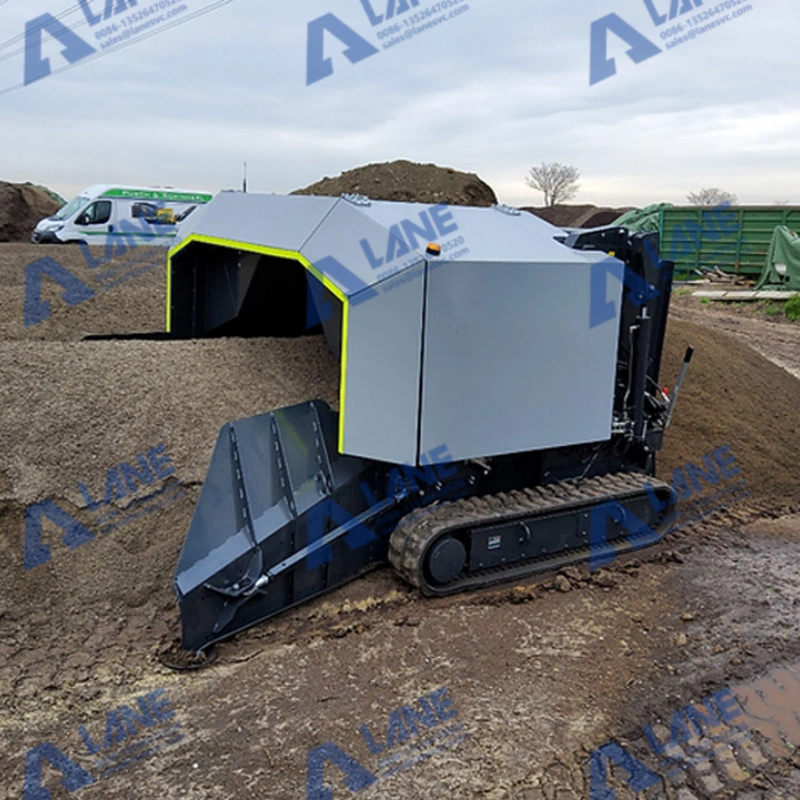
This guide explains how these configurations differ, which operating conditions they suit and what buyers should confirm before placing an order.
A self-propelled compost turner moves along a windrow and mechanically lifts, turns and redistributes the material. This operation introduces air into the pile, helps release excess heat and moisture, and moves material from the outer sections toward the center.
These functions support aerobic microbial activity. According to the US EPA’s overview of composting methods, turning compost piles is one way to improve aeration and supply oxygen for decomposition. Adequate moisture, porosity and feedstock balance are also necessary.
For a commercial fertilizer plant, the machine is part of the fermentation process rather than an isolated piece of equipment. Its working width and turning depth should match the windrow dimensions, while its processing capacity should be compatible with the plant’s daily feedstock volume.
A suitable self-propelled compost turner can reduce manual turning work and make the fermentation schedule easier to manage. However, the machine does not independently guarantee a specific composting cycle. Feedstock composition, moisture, pile dimensions and operating frequency remain important process variables.
Planning a fertilizer project? Contact LANE engineering team to get a free 3D plant layout drawing, motor power calculation, and factory-direct quote within 4 hours. Request 3D Layout & Budget Estimate →
The current LANE compost turner category page lists three relevant configurations: Autonomous, Crawler Type and Wheel Type. Buyers should understand that the autonomous model uses a crawler chassis, while the other two product names emphasize their machine configuration and operating characteristics.
The Autonomous Compost Turner combines crawler mobility with intelligent automation. Its listed features include GPS positioning, remote monitoring, preset fermentation programs and real-time temperature tracking. The published capacity range is 500–1,800 m³/h.
This configuration is intended for facilities that manage multiple windrows and want more control over the fermentation operation. GPS positioning and path planning can help track which windrows have been processed, while temperature monitoring provides additional process information.
Preset programs can help operators apply consistent operating settings to different feedstock profiles. Remote monitoring also reduces the need for an operator to remain beside the machine throughout the operation.
The important distinction is that autonomous operation is an automation level, not a separate type of running gear. The product page describes this machine as using a crawler chassis. Buyers should therefore evaluate both the mechanical platform and the automation package.
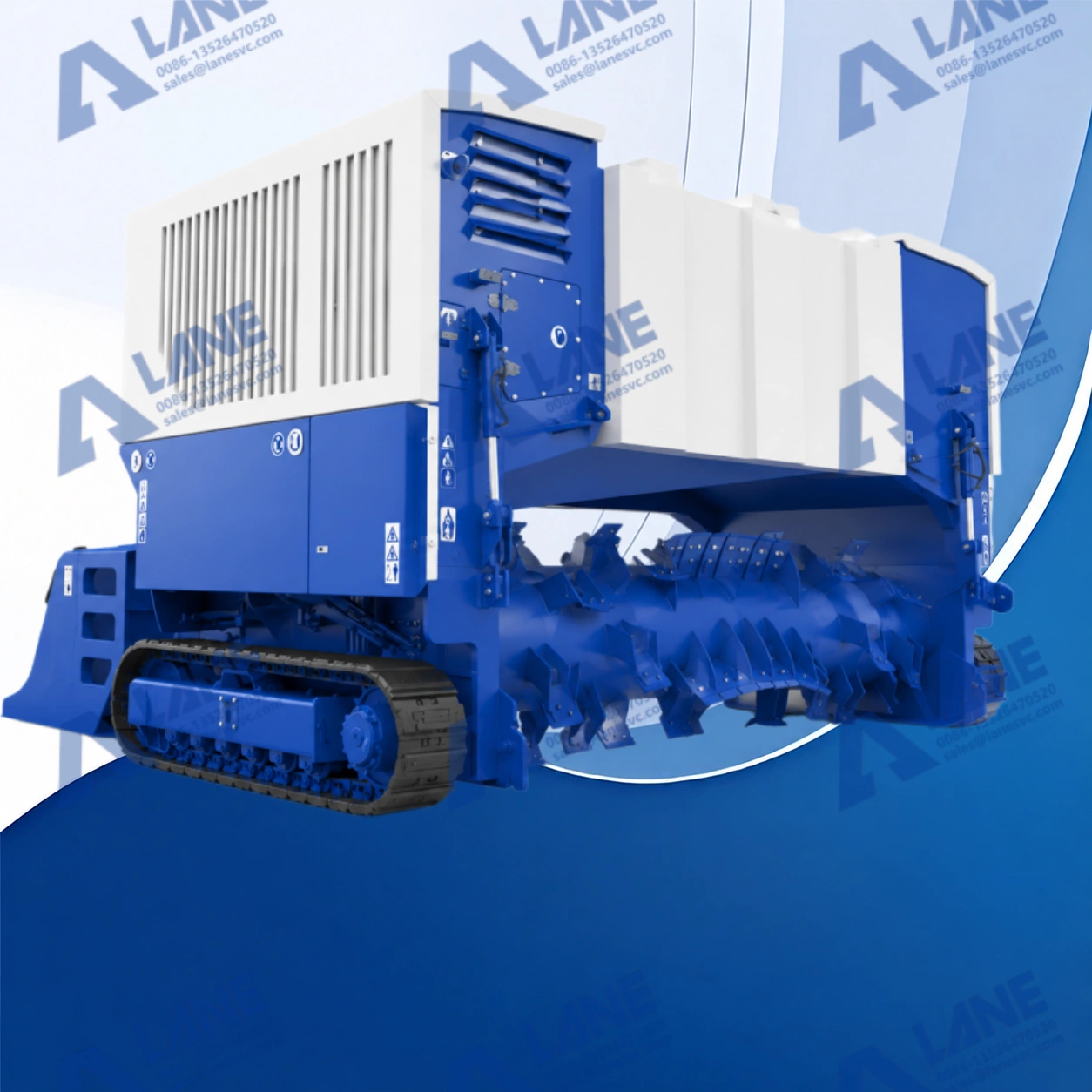
A Crawler Type Compost Turner uses a tracked chassis to move across the fermentation yard. The crawler structure provides traction on uneven or softer ground and is suitable for open-yard windrow operations where ground conditions may vary.
The published product information gives a processing capacity of 500–1,800 m³/h. It also describes full hydraulic control, a turning depth range of 600–1,800 mm and a dual-spiral rotor design.
For buyers, the main consideration is whether the track system and machine weight are appropriate for the yard surface. A tracked machine may be more suitable than a conventional wheeled unit where ground bearing conditions and traction are concerns.
The crawler configuration is also the mechanical platform identified on the Autonomous Compost Turner page. The difference is that the autonomous version adds GPS-based positioning, monitoring and programmed operation. A standard crawler model should not automatically be assumed to include these functions.

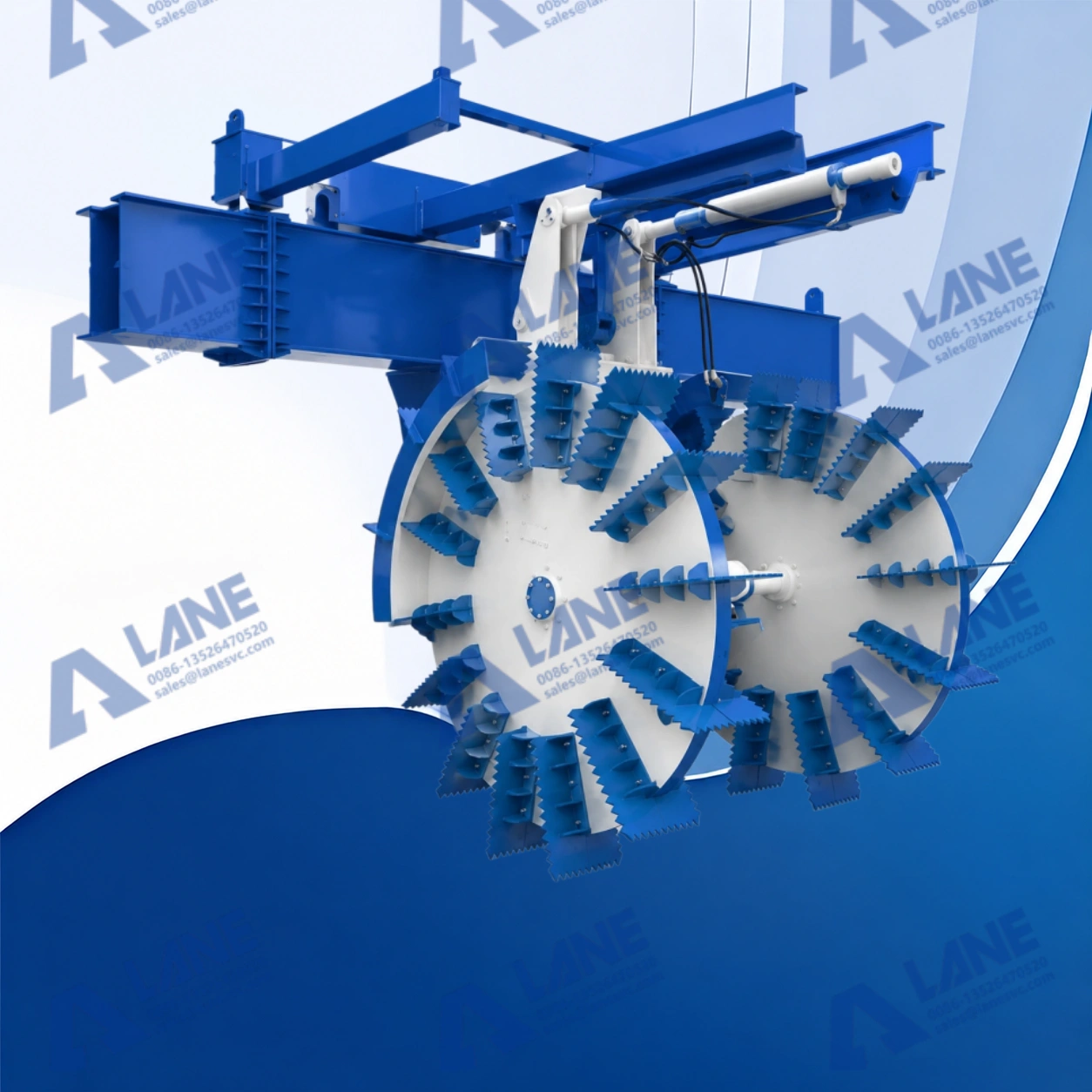
The Wheel Type Compost Turner is listed for organic fertilizer windrow composting, with a published capacity range of 400–5,000 m³/h. Its product description emphasizes a large rotating drum fitted with flail blades or paddles.
The drum lifts, breaks up and redistributes compost material as the machine travels along the windrow. The product page describes capacity options ranging from compact to industrial configurations, making it important to select a model based on the actual windrow dimensions and daily processing target.
There is one point buyers should verify before ordering: the current Wheel Type product page describes a self-propelled chassis and mentions wheeled or tracked configurations. The machine’s exact running gear and installation arrangement should therefore be confirmed in the manufacturer’s layout drawing rather than inferred from the product name alone.
| Configuration | Main characteristics | Published capacity | Main selection consideration |
|---|---|---|---|
| Autonomous Compost Turner | Crawler mobility, GPS positioning, remote monitoring and preset programs | 500–1,800 m³/h | Automation, process tracking and labor management |
| Crawler Type Compost Turner | Tracked chassis, hydraulic control and windrow turning rotor | 500–1,800 m³/h | Ground conditions, traction and turning depth |
| Wheel Type Compost Turner | Rotating drum with flail blades or paddles; self-propelled chassis | 400–5,000 m³/h | Required throughput, windrow dimensions and chassis arrangement |
The capacity figure is only one part of the selection process. A self-propelled compost turner must physically fit the windrow and operate within the available yard space.
Start with the windrow width, height and spacing. The turning width determines how much material the rotor can process in one pass. Turning depth affects whether the machine can reach the lower layers of the pile. Row spacing and turning clearance determine how easily the machine can move between adjacent windrows.
The LAZF-2000 is a separately listed four-wheel self-propelled model on LANE’s product website. Its published specifications provide a concrete reference for buyers evaluating a compact four-wheel machine. These figures should not be treated as specifications for the Autonomous or Crawler Type models.
| Parameter | Published specification |
|---|---|
| Model | LAZF-2000 |
| Capacity | 400–500 m³/h |
| Turning width | 2,000 mm |
| Turning height | 600–800 mm |
| Row spacing | 500–800 mm |
| Required material particle size | 250 mm |
| Diesel engine power | 36 HP, water-cooled, electric starting |
| Maximum rotation speed | 2,200 r/min |
| Rated rotation speed | 2,200 r/min |
| Working speed | 7.5–8 m/min |
| Driving speed | 50 m/min |
| Turning blade diameter | 600 mm |
The LAZF-2000 product information identifies it as a four-wheel self-propelled machine controlled by an operator. Its working speed and driving speed are different measurements: working speed refers to movement during turning, while driving speed refers to travel without the same turning operation.
Also check the capacity unit. The published figures above use cubic meters per hour (m³/h), not tonnes per hour (t/h). Actual mass throughput depends on the bulk density and moisture content of the compost material. Buyers should provide feedstock information when requesting a capacity assessment.
For the Autonomous Compost Turner, the category and product pages publish a capacity range of 500–1,800 m³/h, but do not provide a complete set of detailed mechanical dimensions. Request a model-specific technical sheet before comparing it with the LAZF-2000.
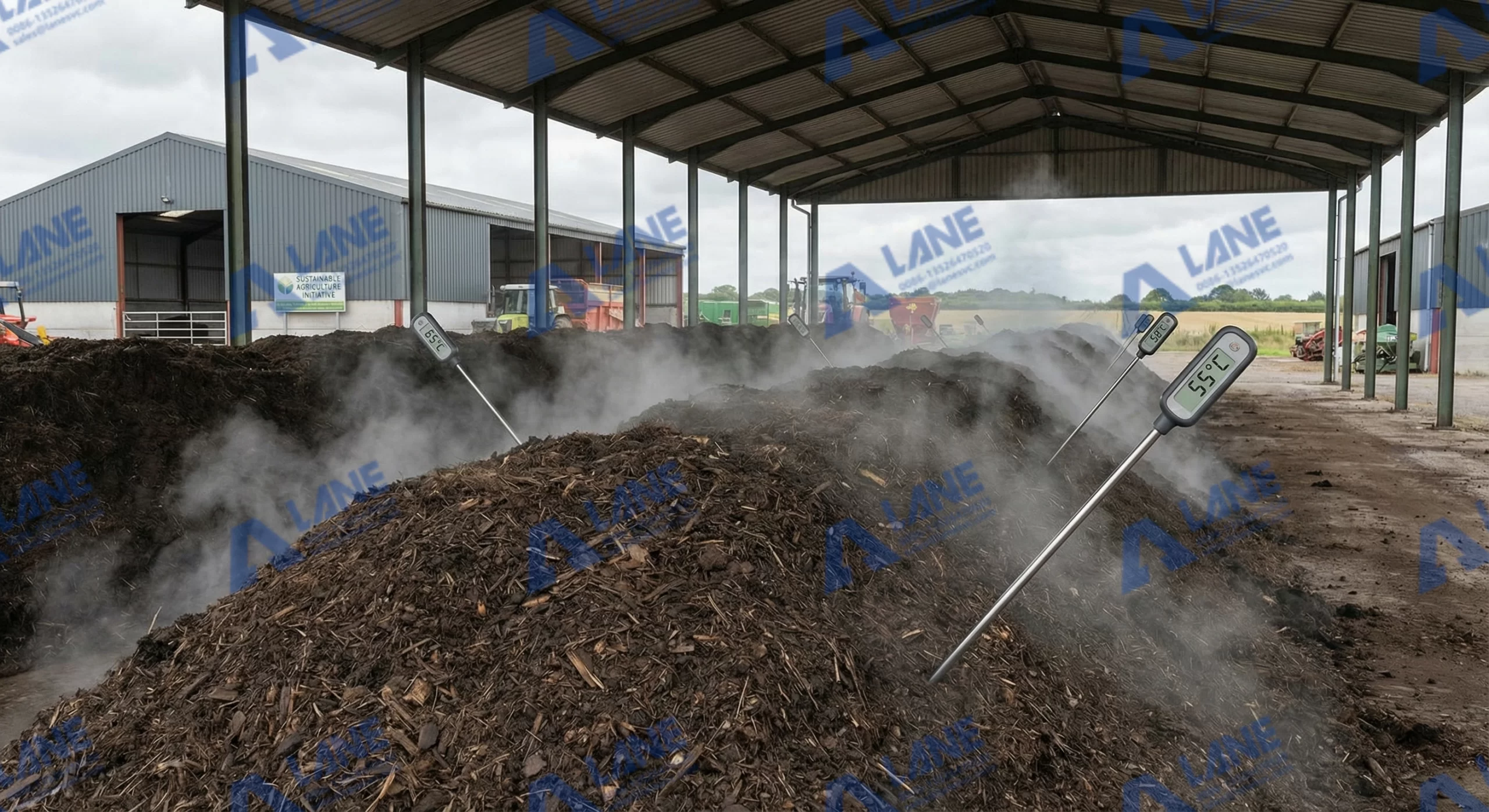
A self-propelled compost turner can be used for different organic feedstocks, but material condition affects the turning process. LANE’s product information identifies livestock and poultry manure, crop straw, sawdust, industrial organic residues and municipal sludge among the possible materials.
Wet manure often requires dry bulking materials such as straw or sawdust to improve pile structure. If the mixture is too wet or compact, air movement through the windrow may be restricted. If the material is too dry, microbial activity may slow down.
Before selecting equipment, buyers should provide:
Ground conditions are particularly important when choosing between wheeled and tracked configurations. A tracked chassis may be preferable where the yard is uneven or has lower bearing capacity. A wheeled configuration may suit a prepared yard with adequate traction and turning clearance.
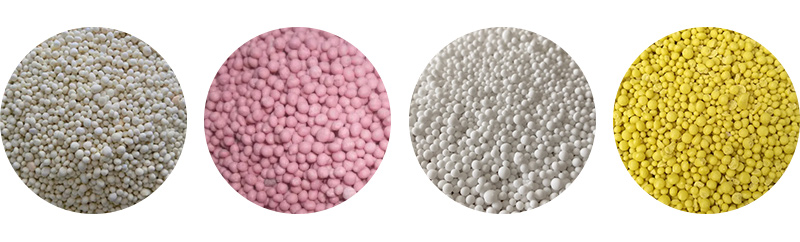
The compost turner is normally used in the fermentation section of an organic fertilizer production line. It does not replace upstream material preparation or downstream processing equipment.
A typical process may include raw material sorting, crushing, mixing, windrow formation, aerobic fermentation, secondary crushing, screening and granulation. The actual arrangement depends on feedstock properties and the required fertilizer product.
For example, a Semi-Wet Material Crusher can be used to reduce the size of suitable wet organic materials before mixing or further processing. After fermentation, a screening machine can separate oversized or unqualified material from the finished compost.
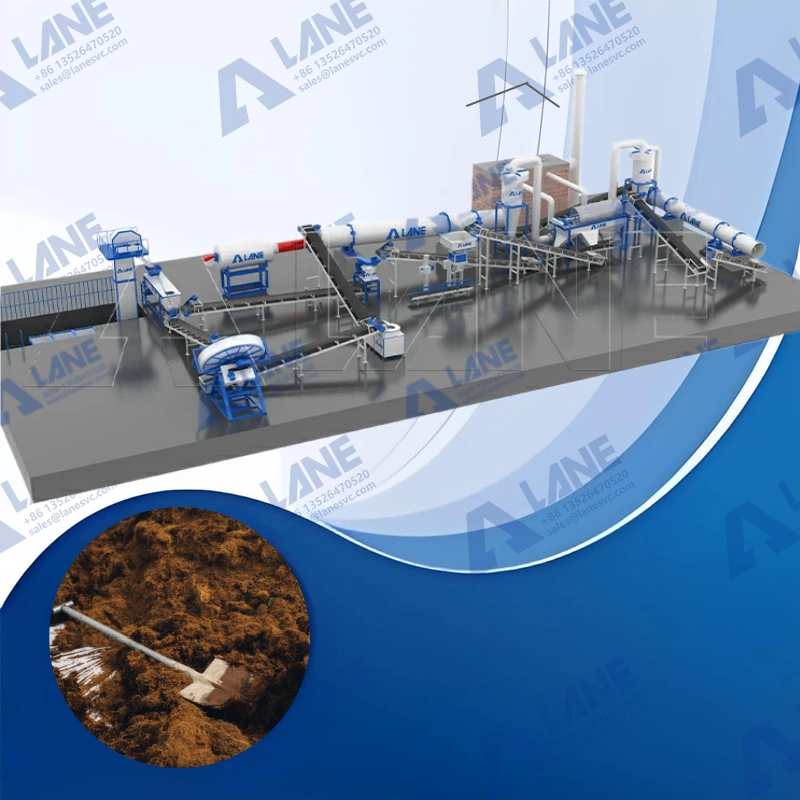
When planning a complete facility, the turning area should be considered together with material handling routes, windrow spacing, drainage, loading access and the capacity of downstream equipment. A machine with a high hourly capacity does not automatically improve plant output if the feeding, fermentation or screening sections become bottlenecks.
The purchase price is only one part of the total cost of ownership. Buyers should also consider fuel consumption, wear parts, maintenance access, operator requirements and the availability of replacement components.
For diesel-powered machines, check the engine service schedule and the accessibility of filters, belts and other routine maintenance points. For tracked machines, inspect the track system, drive components and hydraulic connections. For drum-type machines, turning blades and rotor components require regular inspection because they are exposed to abrasive organic materials.
Autonomous configurations add another layer of maintenance. GPS equipment, sensors, control units and communication components should be included in the maintenance plan. Buyers should ask which functions remain available if network connectivity is interrupted and what local support is available for software or control-system faults.
A practical quotation should identify the machine configuration, standard components, optional automation modules, recommended spare parts and commissioning requirements. This makes it easier to compare suppliers on a like-for-like basis.
Before shipment or final acceptance, confirm that the supplied machine matches the agreed technical specification and yard layout.
For a self-propelled compost turner, the inspection should cover:
For the Autonomous Compost Turner, the acceptance procedure should specifically distinguish between basic crawler movement and the additional automation functions. A crawler machine that moves independently is not automatically equipped with GPS path planning or remote monitoring.
Yes. The Autonomous Compost Turner uses crawler mobility and adds GPS positioning, remote monitoring, preset fermentation programs and temperature tracking. It is a self-propelled machine with an additional automation package.
The main difference is the automation level. Both use crawler-based mobility according to the product descriptions, but the autonomous configuration adds intelligent positioning, monitoring and programmed operation. Buyers should confirm which automation modules are included in the quotation.
The published capacity depends on the model. LANE lists 500–1,800 m³/h for its Autonomous and Crawler Type configurations, 400–5,000 m³/h for the Wheel Type range, and 400–500 m³/h for the LAZF-2000 four-wheel model. These are model or product-range figures, not one universal capacity.
Choose according to the yard conditions and the machine configuration. A crawler chassis may be more suitable for uneven or softer ground, while a wheeled machine may work well on a prepared yard. Confirm the actual chassis, turning dimensions and ground requirements with the supplier.
No. A tow-behind compost turner relies on a tractor for towing and PTO power. It can be a lower-investment option for facilities that already own a suitable tractor, but it should not be grouped with self-propelled machines.
Choosing a self-propelled compost turner requires more than selecting the largest capacity on a product page. Buyers should compare the Autonomous, Crawler Type and Wheel Type configurations according to the required automation level, yard conditions, windrow dimensions and operating schedule.
The LAZF-2000 provides a separate four-wheel model reference with published dimensions and operating parameters. For larger projects, the Autonomous and Crawler Type ranges offer higher stated processing capacities, while the Wheel Type range covers a broader capacity range. The final selection should be based on a confirmed technical proposal and site layout.
For a complete organic fertilizer plant, the compost turner should also be matched with material preparation, conveying, screening and granulation equipment. This helps prevent bottlenecks between fermentation and downstream production.
For more details, please feel free to contact us.
Henan Lane Heavy Industry Machinery Technology Co., Ltd.
Email: sales@lanesvc.com
Contact number: +86 13526470520
Whatsapp: +86 13526470520

Everything you need to know when looking at different types of organic fertilizer equipment, all in one place.
Copyright © 2026. LANE All rights reserved.
Send A Message