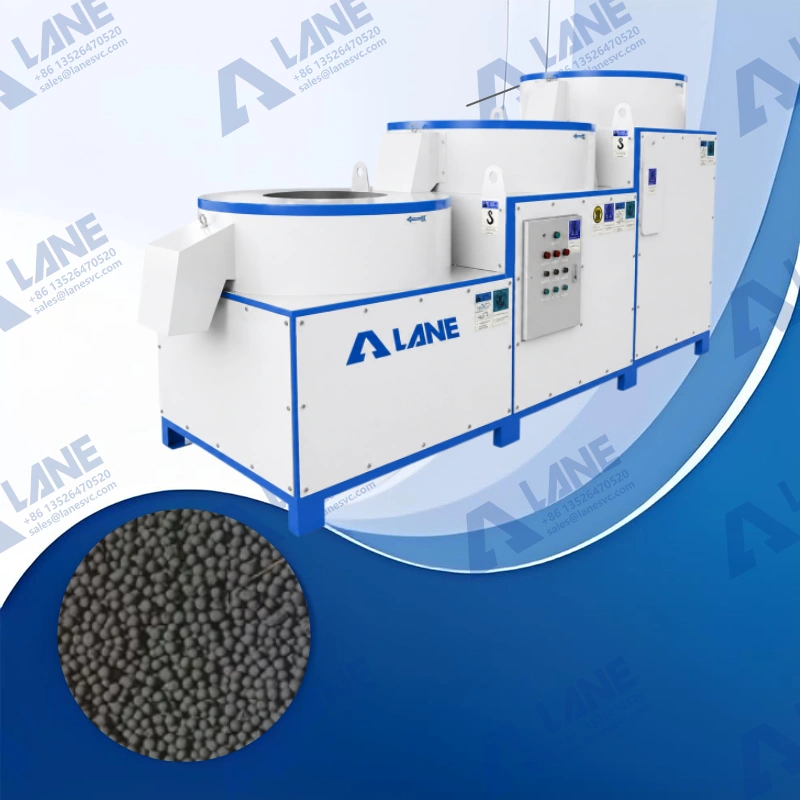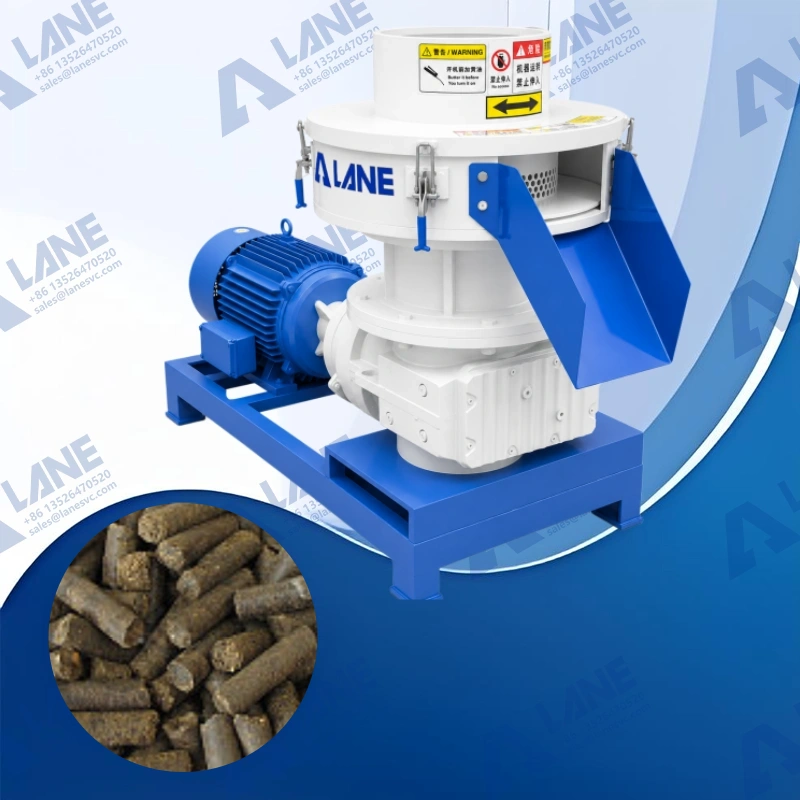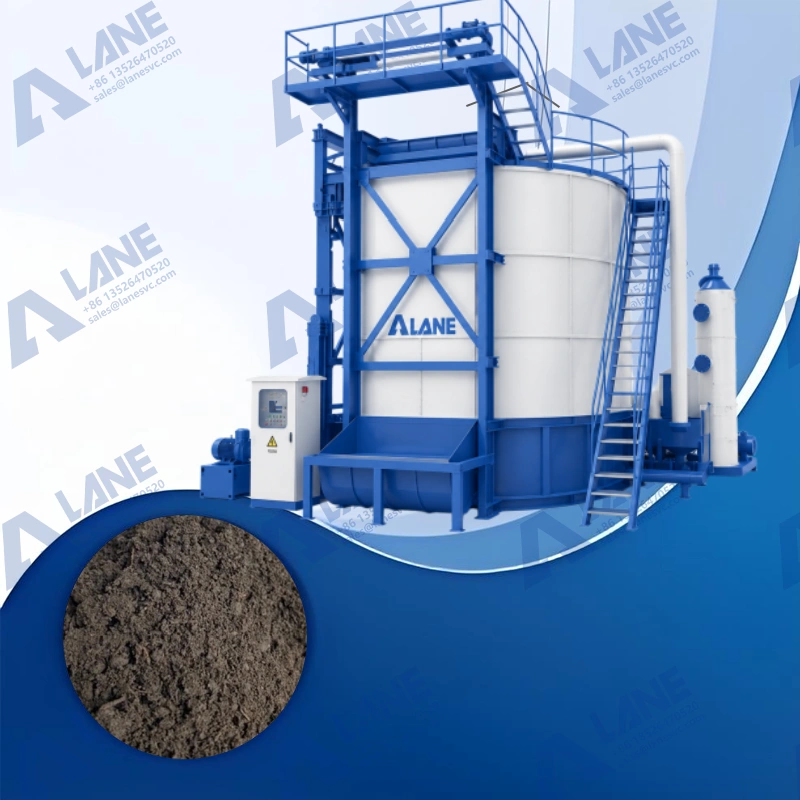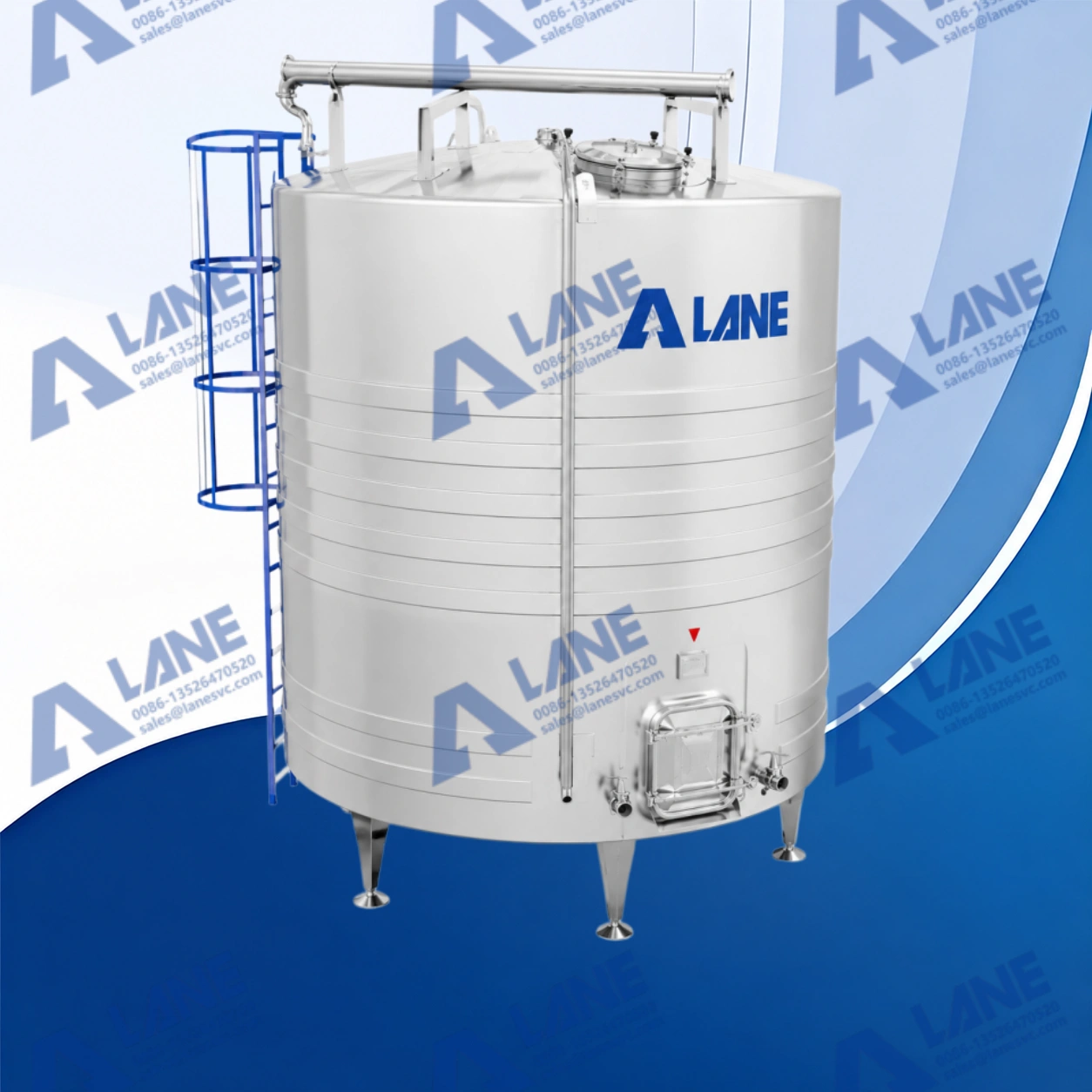
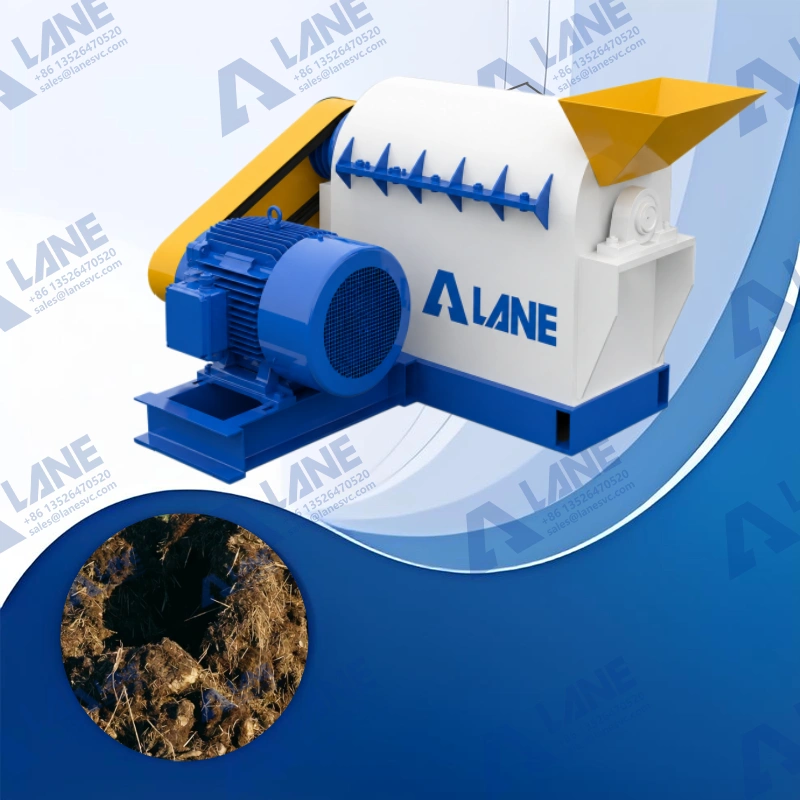
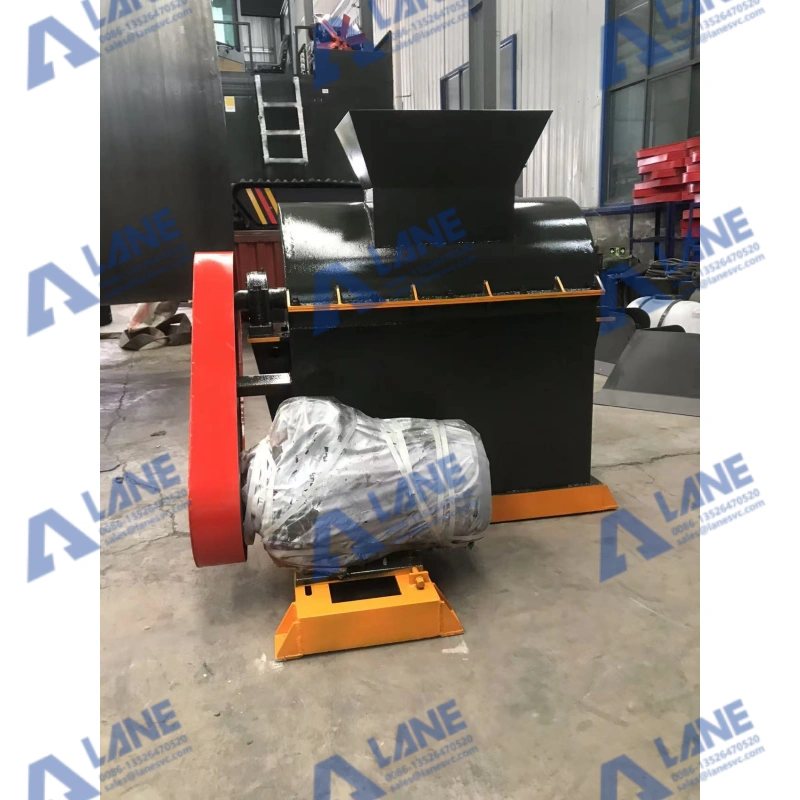
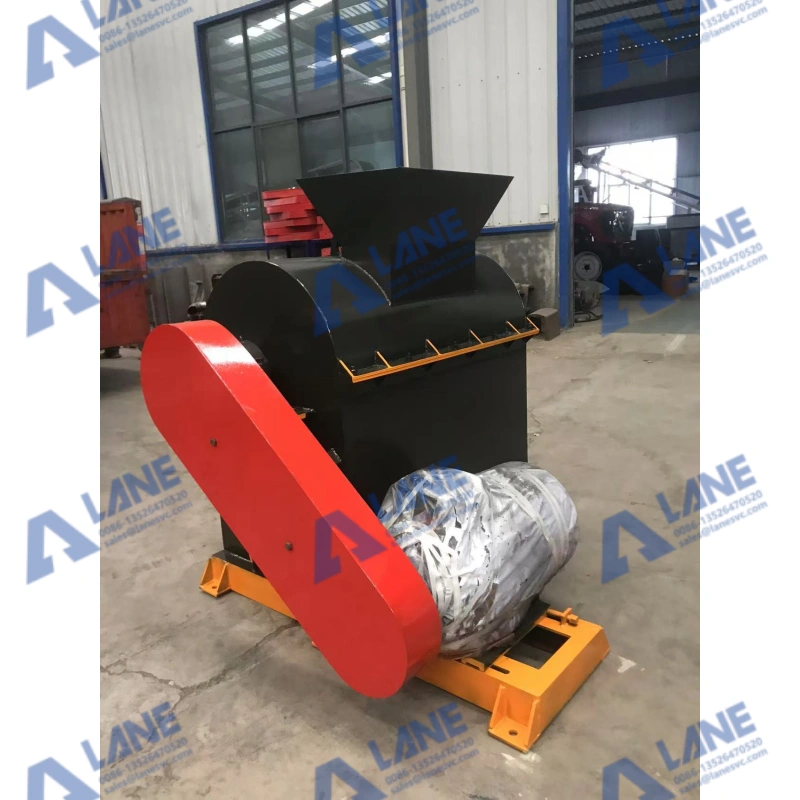
Semi-Wet Material Crusher for crushing high-moisture organic materials. Processes compost, livestock manure, sludge, and biogas residue with 25%–50% moisture content. Screen-free design prevents clogging and delivers uniform particles for fertilizer granulation.
Most crushers jam the moment you feed them wet compost or fresh manure. The LANE semi-wet material crusher is built for exactly that job — it pulverizes organic materials with 25%–50% moisture content into fine, uniform particles, so your granulation line receives consistent feedstock without pre-drying.
If you run an organic fertilizer plant, a composting facility, or a biogas residue processing line, this is the crushing stage that keeps everything downstream running smoothly.
The high-speed rotating blades and open discharge design prevent material from caking on the chamber walls. Fermented chicken manure, cow dung, sludge, and municipal organic waste pass through without blocking — no pre-drying step, no downtime for manual cleaning.
Output particle size is adjustable down to ≤3–5 mm. Uniform particles mean better ball formation in your granulator, fewer oversized rejects, and a higher first-pass yield on the finished fertilizer.
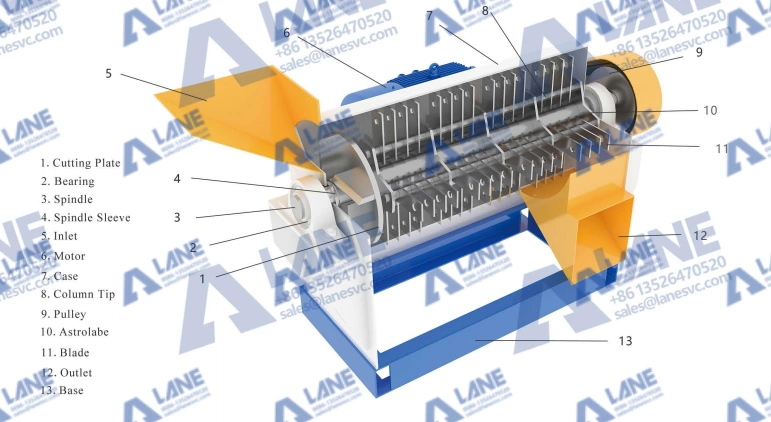
Material is crushed twice in one pass — first by the upper rotor, then refined by the lower rotor. This is why the machine achieves fine output even at high moisture levels where single-rotor crushers produce coarse, inconsistent particles.
Blades are made of hardened alloy steel and are reversible/replaceable. When one edge wears down, rotate or swap the blade instead of replacing the whole rotor assembly.
Unlike hammer mills, there is no screen at the discharge. The most common failure point for wet-material crushing simply doesn’t exist on this machine.
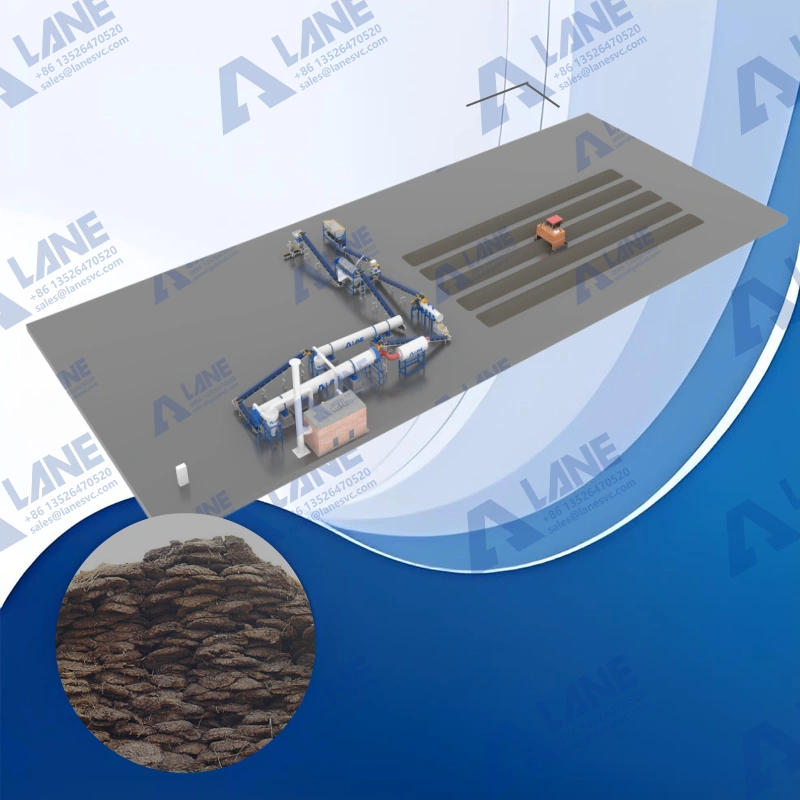
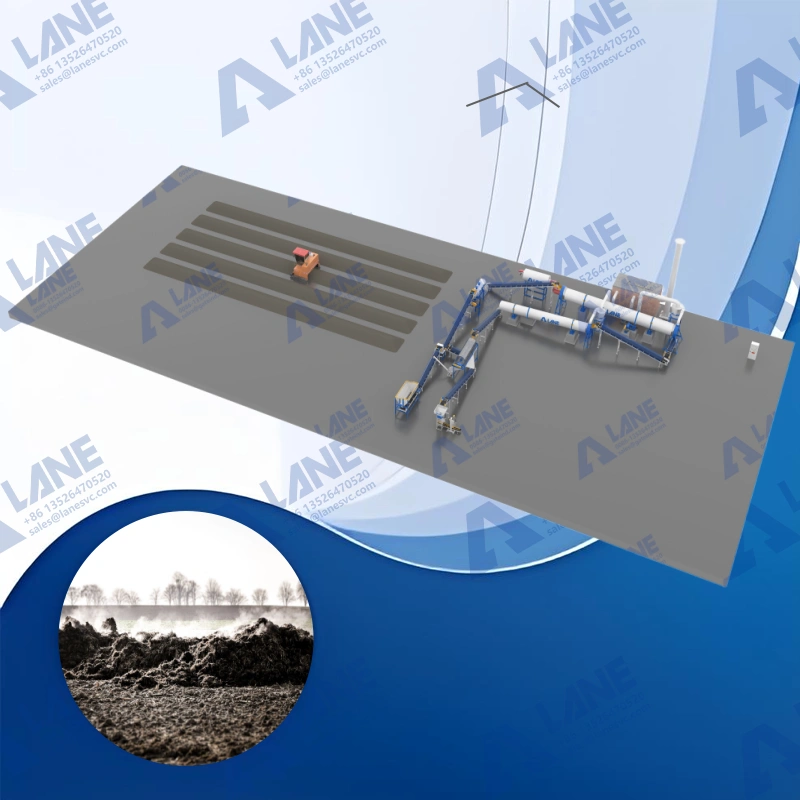
The whole process is continuous. Connect it between your fermentation compost turner and your granulator for an uninterrupted production flow.
Not sure about your material? Send us its moisture content and composition — we’ll tell you honestly whether this machine fits or whether another crusher in our range is the better choice.
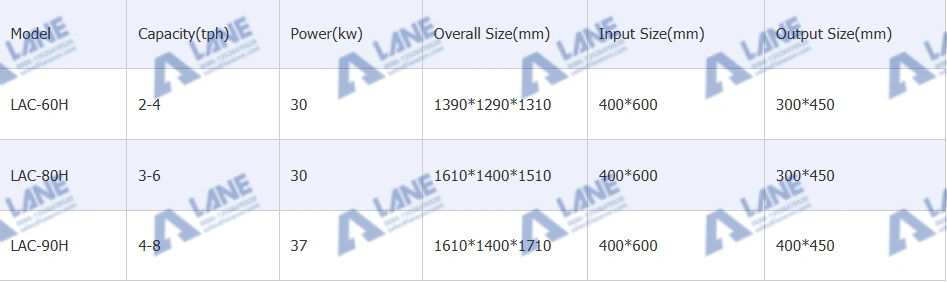
Custom voltages (380V/415V/440V, 50/60Hz) available for export markets.
Q: Do I need to dry the material before crushing?
A: No. The machine is designed for 25%–50% moisture. If your material exceeds 50%, we recommend a short pre-composting or dewatering step first — tell us your moisture level and we’ll advise.
Q: What’s the difference between this and a hammer mill?
A: A hammer mill relies on a screen mesh that clogs quickly with wet material. The semi-wet material crusher has no screen — it uses dual-rotor impact crushing, which is why it can process high-moisture feedstock continuously.
Q: How long do the blades last?
A: It depends on your material’s abrasiveness. Blades are hardened alloy steel and reversible; typical replacement is a routine maintenance item, and we ship spare blade sets with every machine.
Q: Can it be integrated into my existing production line?
A: Yes. We’ll provide the inlet/outlet heights and flange dimensions so it drops into your current conveyor layout. Send us your line diagram for a free integration check.
Tell us three things — your raw material, its moisture content, and your target capacity (t/h) — and we’ll recommend the right model with a detailed quotation.
We reply within 24 hours on business days.


Everything you need to know when looking at different types of organic fertilizer equipment, all in one place.
Copyright © 2026. LANE All rights reserved.