
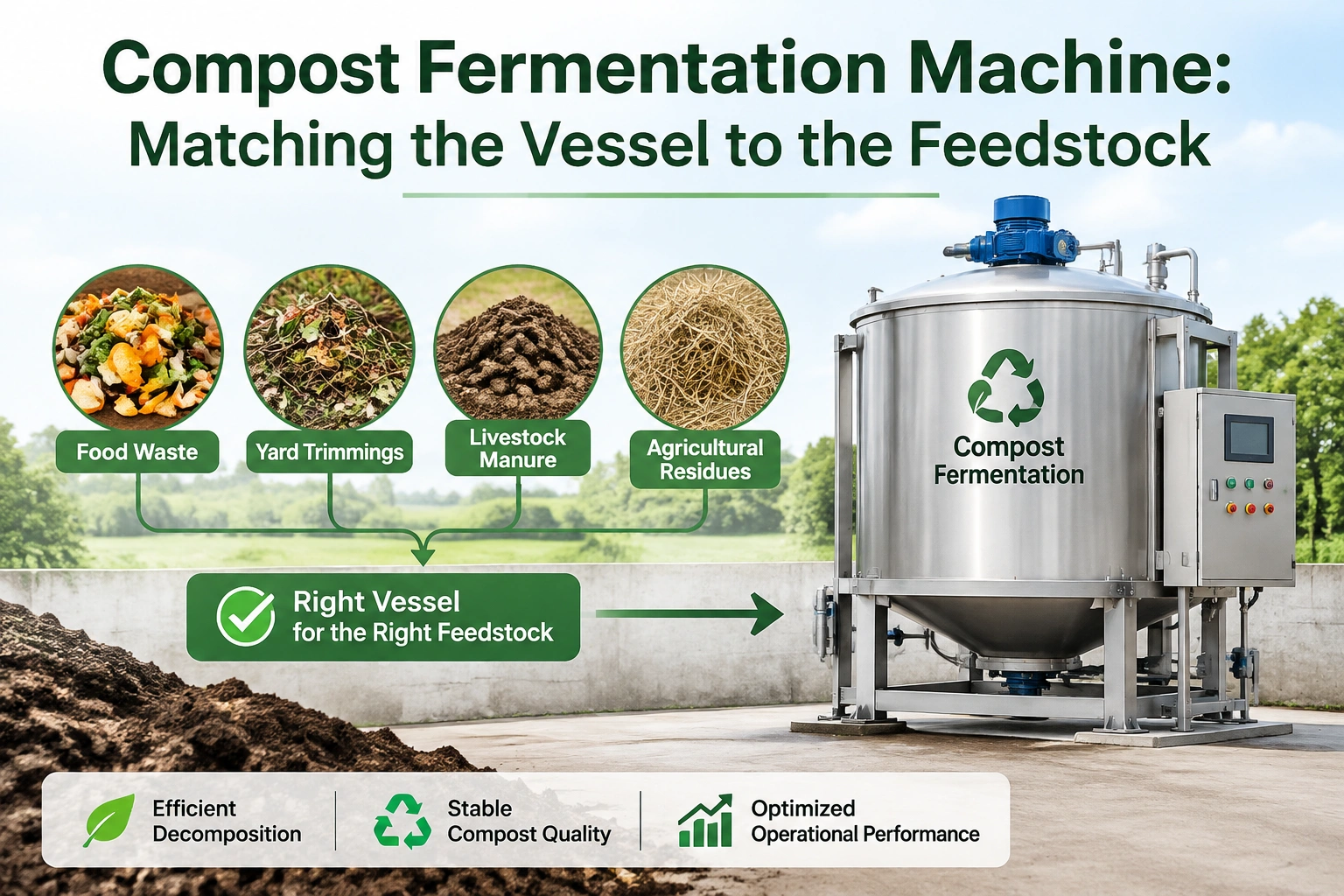
How to choose a compost fermentation machine: vessel types, batch vs continuous, aeration, sizing, odor control, costs, and what equipment quotes leave out.
A compost fermentation machine is sold as a box that turns waste into compost. What it actually is, in most cases, is a controlled environment: a vessel that holds temperature, moisture, and oxygen long enough for thermophilic bacteria to do the work.
The distinction matters at the quotation stage. A machine that holds conditions for fourteen days is a different capital item from a machine that dries food waste in twenty-four hours and calls the output compost.
A compost fermentation machine is also not a maturity test. It stabilizes material. Curing and testing decide whether the product is finished, and buyers who skip that step ship immature compost with a confident label.
Composting is aerobic. The vessel, whatever its shape, has four jobs: keep oxygen moving, keep moisture between roughly 50 and 65 percent, hold temperature in the thermophilic band, and keep the material mixed enough to avoid anaerobic pockets.
The temperature band is usually quoted as 55 to 65 degrees Celsius for active composting, with pathogen and weed seed reduction tied to time above 55. In-vessel systems can run hotter, up to about 70 degrees Celsius, which is one reason they are specified where hygiene matters.
They also have to hold that condition for long enough. Fifteen to twenty-five days of active phase is common, followed by curing outside the vessel. A machine rated on retention time of a few days is usually a stabilization or drying device, not a composting vessel.
The market offers four practical classes, and each has a range where it is the right answer.
| Class | How it works | Footprint | Best fit |
|---|---|---|---|
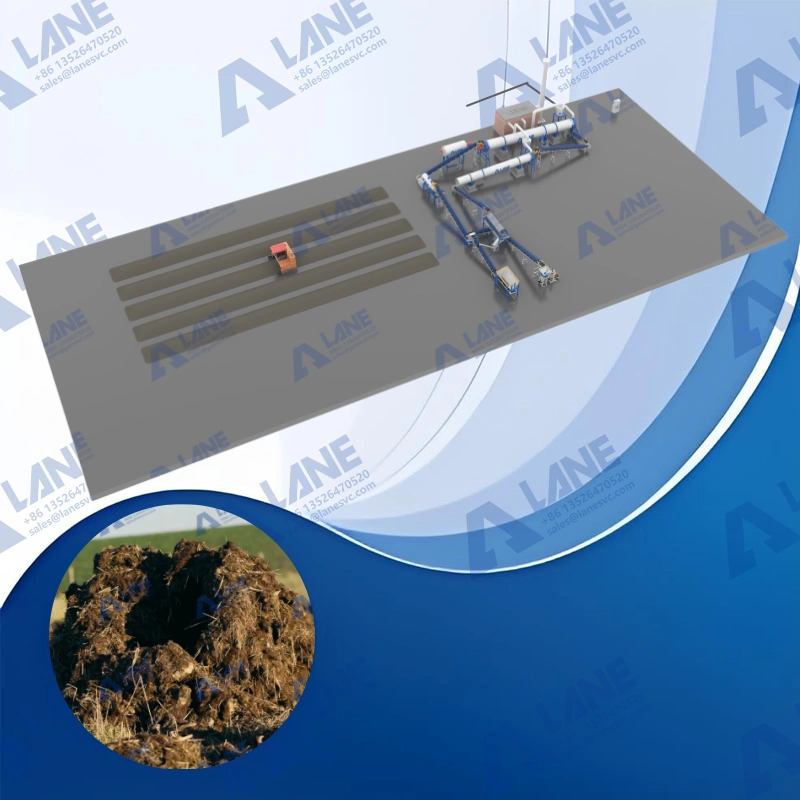
| Windrow turner | Turns long rows to aerate | High | Low-cost farm composting |
| Aerated static pile | Blower and pipe under the pile | Medium | Odor-sensitive sites |
| In-vessel drum or tunnel | Enclosed vessel, forced air, mechanical turning | Low | Tight sites, manure, food waste |
| Vertical fermentation tank | Tall insulated tank, internal agitator | Very low | Small volume, urban sites |
A windrow turner is the cheapest machine per tonne and the most weather-exposed. An aerated static pile replaces turning with blowers and a cover. An in-vessel composting system puts the pile inside a drum, tunnel, or container and controls the air. A compost fermentation tank stacks the material vertically with an internal agitator and usually runs batch by batch.
An in-vessel composting system is the class that trades land and weather for steel and control.
The mistake is buying the class that looks cheapest on the quotation without checking what it does to the product. A vertical tank with a two-day cycle produces a stabilized material, not mature compost, and the difference shows up when the buyer tests maturity.

In an in-vessel composting system, designs differ more than catalogs admit.
A rotating drum is a horizontal cylinder that turns slowly, usually around one revolution per minute, mixing and aerating the material as it moves. It suits consistent feed and moderate volumes, and it discharges at the far end.
A tunnel or container system uses modular vessels loaded by machine, with air supplied through a floor plenum and process air routed to a biofilter. It suits larger volumes and sites where odor is the binding constraint.
A vertical tank uses a central screw or paddle assembly to move material down through zones while air is blown in. It is compact and easy to enclose, but mixing is less uniform, and the discharge can bridge with fibrous feedstock.
Ask which of these you are being quoted. The word “fermenter” covers all three, and the maintenance profiles are not comparable.
Batch machines load, process, and discharge as a unit. Continuous machines move material through zones and discharge every shift.
Batch is simpler to validate: every batch has a start and end, and a temperature log per batch. A compost fermentation tank is usually batch by design, which makes that log the natural quality record. Continuous is easier to integrate into a line and needs less operator attention, but a slug of cold or wet feed can travel through the vessel and leave partially stabilized material at the discharge.
For a fertilizer plant feeding a granulation line, continuous operation usually wins on labor. For a site where product consistency is the sales argument, batch gives a cleaner record.
Vessel size follows daily volume and retention time, not daily tonnage alone.
Ten tonnes per day at 0.6 tonnes per cubic metre is about 17 cubic metres a day. At a fourteen-day retention time, the working volume is roughly 233 cubic metres. Add a fill margin and you are specifying around 280 cubic metres of active volume.
If the compost fermentation tank holds 30 cubic metres, that is eight to ten vessels, or one continuous train with the same total volume. That arithmetic is what separates a real quotation from a catalog page, and it is the first thing to check when a supplier quotes “ten tonnes per day”.
Volume also falls during fermentation, often by 30 to 50 percent. Size the curing area and the rotary screen on the output, not the input.
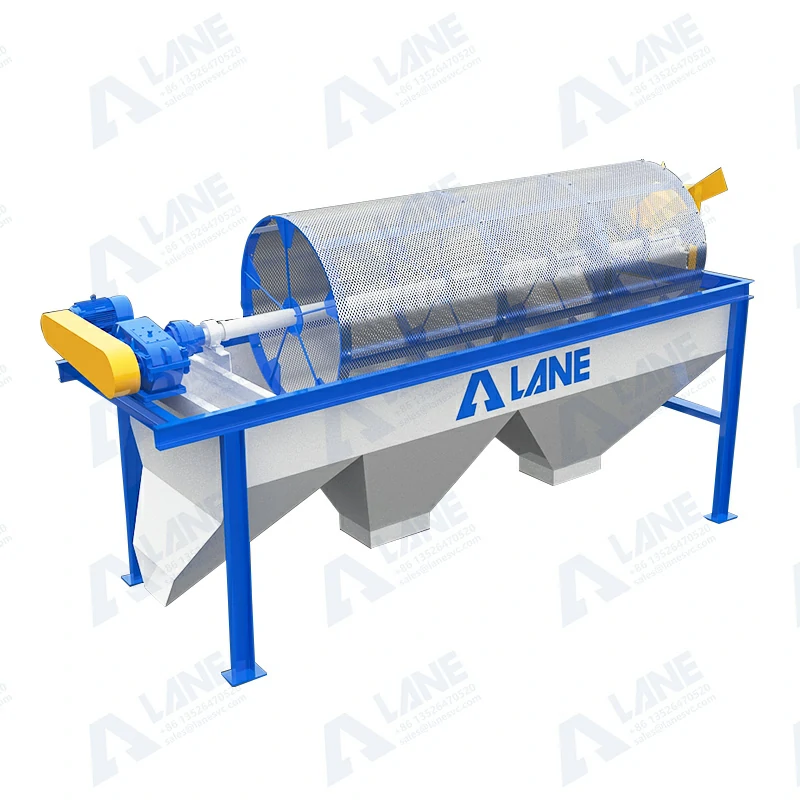
Air is the process variable that most cheap machines control least.
A proper system measures temperature in several zones, runs the blower on a duty cycle tied to temperature or oxygen, and alarms when a probe fails. Some units add oxygen or CO2 sensing; most rely on temperature and time.
Agitation has one job: expose new surface to air and prevent channeling. Over-agitation cools the pile and releases ammonia; under-agitation leaves anaerobic pockets. The control logic should let the operator set a turning interval and override it on temperature.
Ask for the sensor list, the alarm list, and what happens when a probe fails at 2 a.m. A machine without a failure mode is a machine that ferments nothing while the PLC reports normal.
An enclosed vessel concentrates odor instead of eliminating it. Process air still has to go somewhere.
The standard answer is a biofilter or a scrubber sized on airflow, not on vessel volume. Condensate from the exhaust has to drain, and leachate from the feed has to be collected. Skipping either turns a clean building into a corrosion and complaint problem.
Site rules usually decide the setback and the discharge point. Check them before the layout, not after.
How long does a compost fermentation machine take?
Fifteen to twenty-five days of active fermentation is common, followed by four to eight weeks of curing. Machines advertising twenty-four hours are drying or stabilizing, not composting.
What is the difference between in-vessel and windrow composting?
In-vessel systems enclose the material and control air, odor, and temperature. Windrows are open rows turned by machine. An in-vessel composting system costs more and needs less land and odor buffer.
Do I need a compost fermentation tank or a turner?
A compost fermentation tank suits small volumes and tight sites. A turner suits larger volumes where land is available and odor is not a constraint.
What moisture should the feed be?
Roughly 50 to 65 percent. Above that, the material goes anaerobic; below it, microbial activity stalls.
How do I size the vessel?
Multiply daily volume by retention days, then add a fill margin. Ten tonnes per day at 0.6 tonnes per cubic metre and fourteen days needs about 280 cubic metres of active volume.
Can a fermentation machine handle manure?
Yes, with a carbon source and moisture control. High-moisture manure usually needs a separator or a dry bulking agent first.
What emissions does it produce?
Process air carries ammonia, volatile organic compounds, and moisture. A biofilter or scrubber is standard, and condensate needs a drain.
Why does my compost still smell after the machine?
Usually the retention time is too short, the airflow is too low, or the feed is too wet. The vessel is holding the material, not fixing the recipe.

Everything you need to know when looking at different types of organic fertilizer equipment, all in one place.
Copyright © 2026. LANE All rights reserved.
Send A Message