
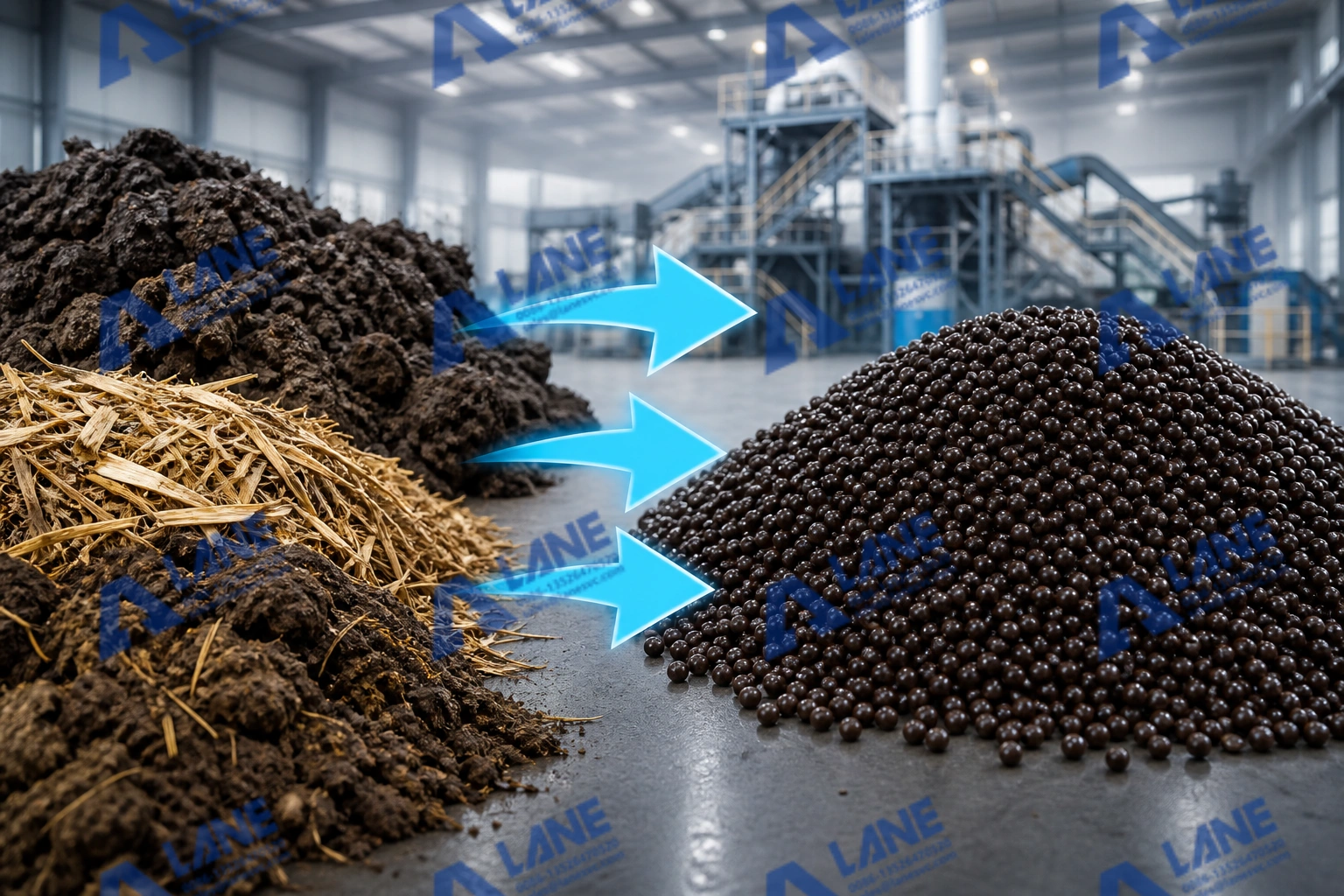
A complete guide to organic fertilizer production lines covering manufacturing process, equipment selection, plant costs ($30K–$550K+), granulation technology, and turnkey project planning for industrial buyers.
The global organic fertilizer market crossed $11 billion in 2025 and is sustaining annual growth above 9%, pushed by tightening restrictions on synthetic fertilizers, government subsidies for sustainable agriculture, and rising consumer demand for chemical-free food. Behind every ton of certified organic fertilizer sits a production line that someone had to specify, source, install, and commission. Getting that line right determines whether an operation generates healthy margins or bleeds cash through downtime and rework.
What follows covers what an organic fertilizer production line actually involves: the manufacturing sequence from raw material to packaged product, what each piece of equipment does, how much a plant costs at different scales, how to choose between granulation technologies, and what separates a reliable turnkey supplier from one that leaves you stranded six months after commissioning.
If you are a first-time investor evaluating the organic fertilizer manufacturing process, a factory owner planning a capacity expansion, or a procurement manager comparing equipment quotes, the goal is to give you the technical and commercial depth needed to make a decision you will not regret.
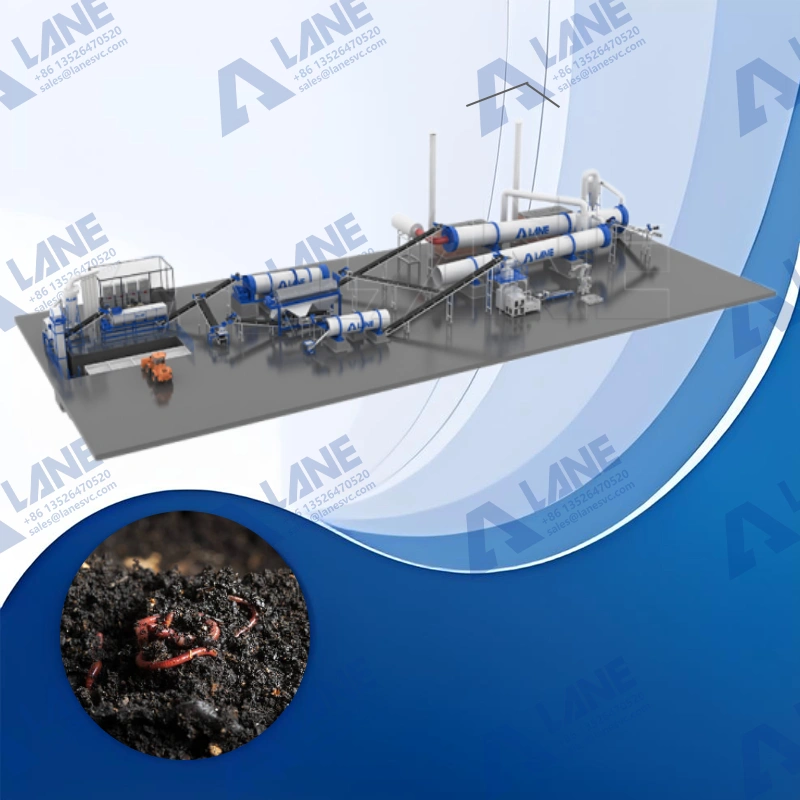
People sometimes picture an organic fertilizer production line as a single machine. It is not. It is an integrated system, usually eight to twelve distinct pieces of equipment connected by conveyors and controlled through a central electrical panel, designed to convert raw organic waste into a consistent, marketable fertilizer product. The line type follows from two questions: what are you feeding in, and what do you want coming out.
Powder organic fertilizer production lines are the simplest. After fermentation, crushing, and screening, the material is packaged directly as a fine powder. These lines skip granulation, drying, and cooling altogether. They cost less to build and operate but produce a lower-value product that is harder to apply evenly in the field. For entry-level markets where farmers spread by hand or use simple broadcast equipment, powder lines are often the right starting point.
Granular organic fertilizer production lines add granulation, drying, cooling, and secondary screening to the powder process. The result is a uniform pellet, usually 2 to 5 millimeters in diameter, that handles well in mechanical spreaders, stores without caking, and commands a higher market price. Granular lines account for the majority of commercial-scale installations worldwide because the product appeals to both smallholder farmers and large agricultural operations.
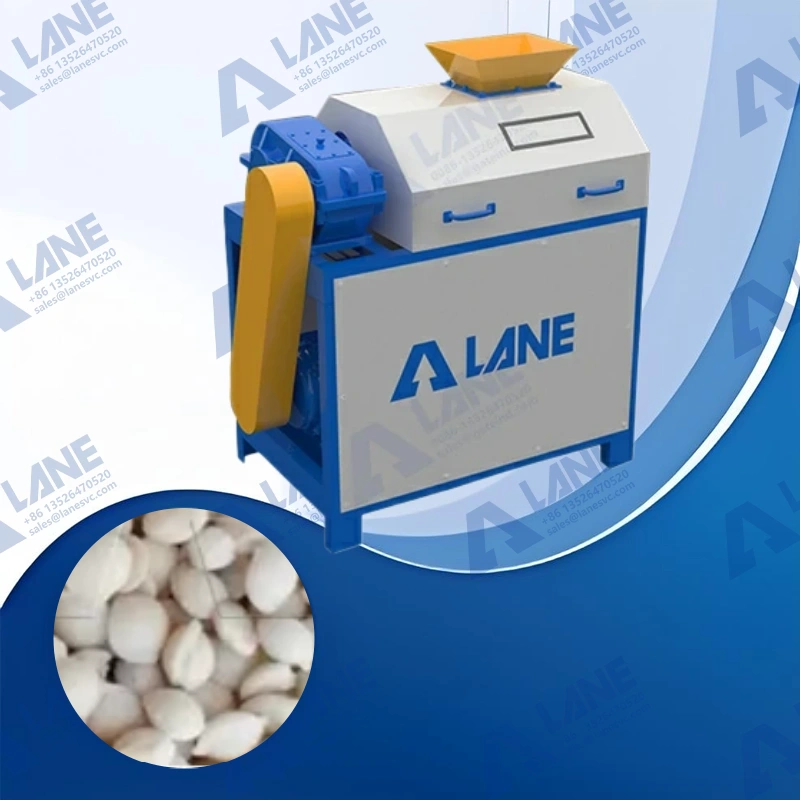
Bio-organic fertilizer production lines are a specialized variant that incorporates living microbial cultures: Bacillus subtilis, Trichoderma harzianum, phosphate-solubilizing bacteria, and similar strains. Because these microorganisms die above roughly 60 to 70 degrees Celsius, bio-organic lines must use low-temperature drying (below 60°C) or skip thermal drying entirely. Double roller extrusion granulation, which compacts dry powder at room temperature, is the preferred method here. The product sells at a premium but requires tighter process control and shorter shelf-life management.
No two organic fertilizer production lines should be identical because no two raw material streams are identical. Equipment selection starts with the feedstock:
Understanding the organic fertilizer manufacturing process in sequence helps you spot where corners get cut in low-ball equipment quotes. The standard granular production flow has seven core stages.
Raw materials arrive in inconsistent condition. Some too wet, some too coarse, some mixed with stones or metal debris. Pre-treatment equipment includes:
Fermentation is where raw waste becomes stable organic matter. It is also where most operating problems originate. Poor temperature control, inadequate turning frequency, and wrong moisture levels account for the majority of product quality complaints.
The process runs aerobically at 55 to 65 degrees Celsius for 15 to 30 days depending on the feedstock and turning method. At these temperatures, pathogens and weed seeds are destroyed, and complex organic compounds break down into plant-available nutrients.
Equipment options for this stage:
After fermentation, the compost sits in lumps of varying size and density. A secondary crusher, usually a vertical or horizontal chain crusher, breaks everything down to a uniform consistency below 40 mesh.
The crushed material then enters a horizontal mixer or double-shaft paddle mixer where any supplementary nutrients (rock phosphate, potassium sulfate, trace elements) are blended in. Mixing uniformity at this stage directly affects granulation performance downstream and the consistency of the final NPK analysis.
This is the defining step of the organic fertilizer manufacturing process for granular products. Four technologies dominate the market, and choosing wrong is expensive to fix later:
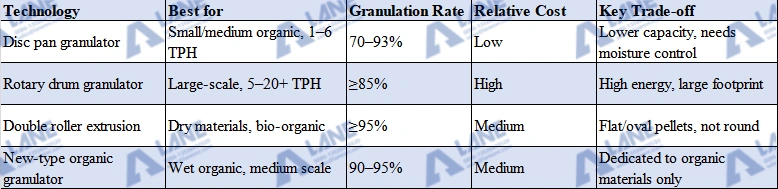
A detailed comparison of these technologies appears later in this guide. The immediate takeaway: granulator selection cascades through the rest of the line design. It determines whether you need a dryer, what kind of screening equipment works, and how much energy the plant consumes.
Granules emerge from a disc or drum granulator at 20 to 30 percent moisture and need to come down to 10 to 15 percent for storage stability. A rotary drum dryer, heated by a hot air furnace running on natural gas, coal, biomass, or biogas, reduces moisture over 15 to 25 minutes of residence time at 80 to 100 degrees Celsius inlet temperature. Going above 120 degrees risks charring organic matter and destroying nutrient value.
Immediately after drying, granules pass into a rotary drum cooler that brings the temperature back to near ambient, usually within 5 to 10 degrees of room temperature. Cooling hardens the granule structure and prevents the caking that occurs when warm fertilizer is bagged and stacked.
A rotary screening drum separates the product stream into three fractions: on-spec granules (2 to 5 millimeters), oversized particles (crushed and returned to the granulator), and undersized fines (returned directly for re-granulation). A well-designed return loop keeps material utilization above 95 percent.
An optional coating stage applies anti-caking agents, colorants, or beneficial microbial inoculants to the granule surface. For bio-organic products, coating is where the living bacteria go on: always after drying and cooling, never before.
Automatic quantitative packaging scales fill 20 to 50 kilogram bags with ±0.2 percent accuracy. For larger commercial customers, some lines include a bulk-loading station for one-ton big bags or direct truck loading. Finished product should be stored in a cool, dry warehouse on pallets, stacked no more than 1.5 meters high to avoid granule crushing.
Every piece of equipment in an organic fertilizer production line serves a specific function. Knowing what matters in each machine helps you evaluate supplier proposals on their merits rather than comparing only the bottom-line price.
Crushers and grinders. Look at the hammer or blade material. High-chromium alloy lasts four to six times longer than standard carbon steel in the corrosive, abrasive environment of organic material processing. Check whether the machine has an inspection hatch for cleaning; crushers that require full disassembly for routine maintenance cost you hours of downtime every week.
Mixers. A double-shaft paddle mixer achieves homogeneous blending in 2 to 3 minutes versus 5 to 8 minutes for a single-shaft horizontal mixer. The faster cycle time adds up to an extra shift of throughput over a week of continuous operation. Also confirm that the mixer discharge gate seals properly. Leaking gates waste material and throw off batching accuracy.
Granulators. Beyond the technology comparison, inspect the wear parts: disc liners, drum internal flights, and extrusion roller shells all have finite service lives. Ask the supplier for documented replacement intervals under real operating conditions, not idealized lab numbers.
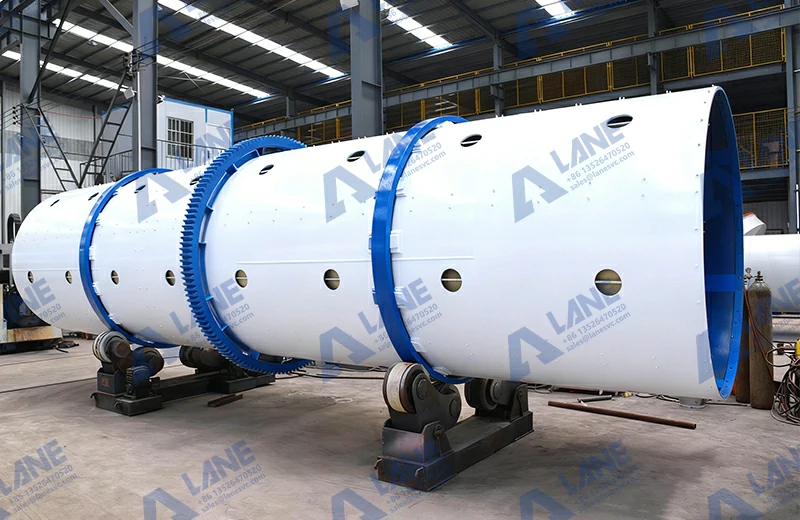
Dryers and coolers. Thermal efficiency separates a well-engineered dryer from a fuel-wasting liability. Look for internal lifting flights designed for the specific material (not generic designs), a hot air furnace with modulating control (not simple on-off), and sufficient drum length-to-diameter ratio for the target moisture reduction. Undersized dryers force operators to slow down the entire line.
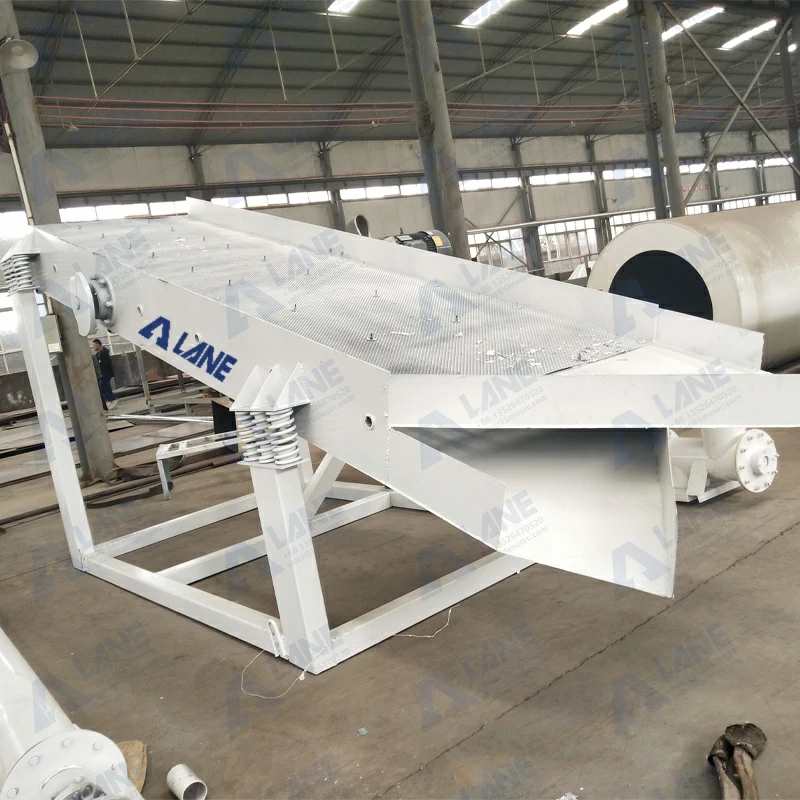
Screening machines. The screen mesh material matters. Stainless steel 304 resists corrosion from residual organic acids far better than mild steel. A self-cleaning mechanism (bouncing balls or brush systems) prevents the blinding that plagues screens processing sticky organic granules.
Dust collection. A pulse-jet baghouse dust collector captures fine particulates at crushers, mixers, granulators, screens, and packaging stations. For fermentation exhaust, a biofilter or chemical scrubber handles ammonia and hydrogen sulfide. Under-sizing environmental equipment to save money upfront backfires: regulators in most jurisdictions can shut down a plant that fails emissions tests.
The question “how much does an organic fertilizer plant cost?” has no single answer. It does, however, have a reliable range once you account for scale, product type, and the hidden costs that first-time buyers routinely underestimate.
For powder organic fertilizer production lines (no granulation, no drying, no cooling), equipment costs are relatively accessible:
| Annual Capacity | Equipment Cost (USD) |
|---|---|
| 3,000–5,000 tons (small) | $15,000–$35,000 |
| 10,000–20,000 tons (medium) | $30,000–$60,000 |
| 30,000–50,000 tons (large) | $60,000–$100,000 |
For granular organic fertilizer production lines (the full process including granulation, drying, and cooling), the numbers are substantially higher:
| Annual Capacity | Equipment Cost (USD) |
|---|---|
| 5,000–10,000 tons (small) | $100,000–$150,000 |
| 20,000–50,000 tons (medium) | $150,000–$350,000 |
| 50,000–100,000 tons (large) | $350,000–$550,000 |
| 100,000+ tons (industrial) | $550,000–$800,000+ |
Equipment invoices tell only part of the story. The following costs add 30 to 60 percent on top of the equipment line item, and they are not optional:
For a buyer evaluating a complete organic fertilizer plant cost, the all-in figures (equipment plus civil works, installation, permits, utilities, and working capital) fall into these bands:
| Plant Type | All-In Investment (USD) |
|---|---|
| Entry powder line | $25,000–$55,000 |
| Small granular line | $150,000–$250,000 |
| Medium granular line | $250,000–$550,000 |
| Large industrial granular line | $550,000–$1,000,000+ |
These numbers align with documented industry cases. A 50,000-ton-per-year organic fertilizer plant in Russia’s Ryazan region, commissioned in 2024, required roughly $490,000 in total investment and achieved a payback period of less than 18 months. The plant sold granular organic fertilizer at $90 to $120 per ton across 20 agricultural cooperatives.
Once running, raw materials (manure, straw, bulking agents) account for 50 to 60 percent of operating costs. Utilities (electricity, drying fuel, water) run 15 to 20 percent. Labor, packaging, maintenance, and logistics make up the remainder.
Gross margins on granular organic fertilizer range from 35 to 45 percent, with net margins settling at 15 to 20 percent after all operating costs. A well-run medium-scale plant producing 30,000 tons per year with an average selling price of $100 per ton generates roughly $3 million in annual revenue and $450,000 to $600,000 in net profit. That is consistent with the 18-to-36-month payback periods observed across projects in Asia, Africa, and Eastern Europe.
Organic fertilizer sold across borders must meet the standards of the destination market. The EU Fertilising Products Regulation (EU 2019/1009) sets some of the most widely referenced benchmarks globally.
Under this regulation, a solid organic fertilizer must contain a minimum of 15 percent organic carbon by mass. For multi-nutrient products, the sum of nitrogen, phosphorus (as P₂O₅), and potassium (as K₂O) must reach at least 4 percent by mass, with each declared nutrient at a minimum of 1 percent. Labels must declare the NPK ratio in chemical symbols, the origin of organic nitrogen, and the carbon-to-nitrogen ratio.
In Asian markets, standards are often higher. The Philippines requires a minimum of 20 percent organic matter and 5 to 10 percent total NPK for solid organic fertilizer, with moisture capped at 35 percent. Heavy metal limits (2 mg/kg for mercury, 5 mg/kg for cadmium, 50 mg/kg for lead, 150 mg/kg for chromium) are enforceable at the border.
For export-oriented producers, the practical advice is straightforward: design the line to meet the strictest standard among your target markets from the start. Retrofitting quality after a failed inspection costs far more than building it in. A quality control laboratory with basic NPK testing capability, moisture balance, and pH meter costs $5,000 to $10,000 and belongs in the project budget from day one.
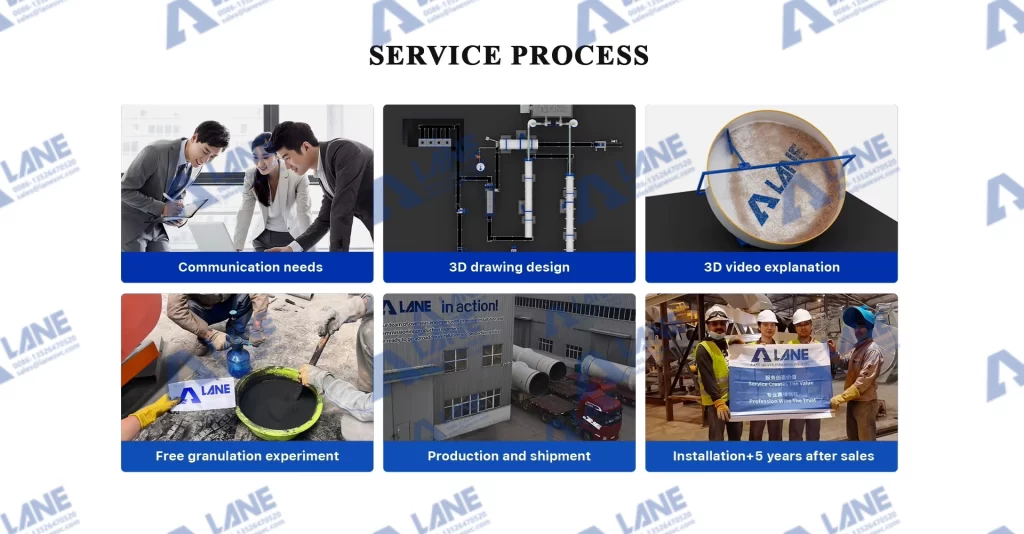
The difference between buying equipment and buying a turnkey project is the difference between assembling parts yourself and receiving a working factory. A credible turnkey supplier for an organic fertilizer production line provides:
When evaluating suppliers, ask for reference sites running the same type of raw material you plan to use. Speak to the plant manager, not just the owner. Ask what broke in the first year and how the supplier handled it. The answers tell you more than any brochure.
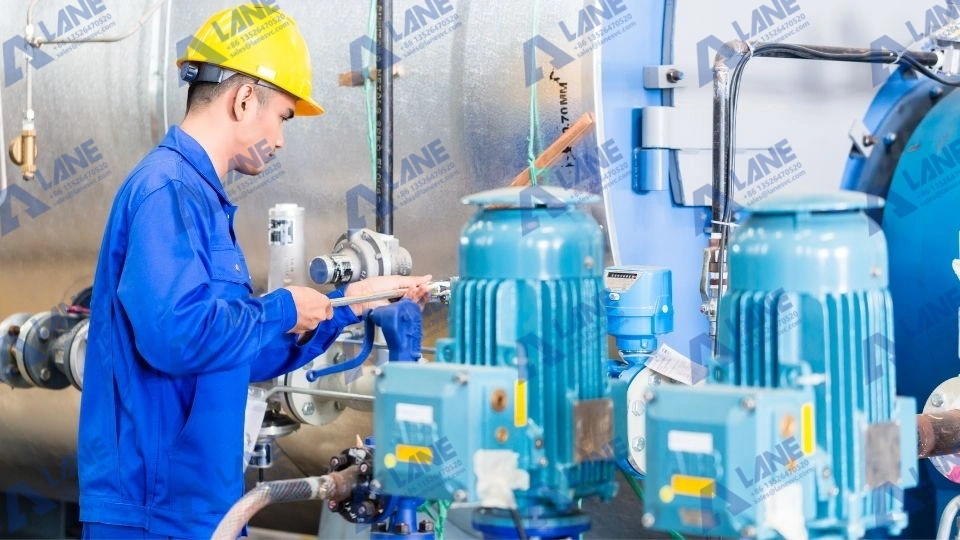
A well-maintained organic fertilizer production line runs at 90 to 95 percent uptime. One that gets reactive maintenance (fix it when it breaks) struggles to reach 70 percent. The difference in annual output, and in maintenance cost per ton produced, is enormous.
Daily maintenance takes 30 to 45 minutes per shift. Operators should check belt tension and tracking on all conveyors, verify that crusher hammers are not loose, clean residual material from granulator surfaces, and log motor current draws. A motor drawing higher-than-normal current is usually signaling a mechanical problem (a failing bearing, material buildup, a misalignment) days before it fails.
Weekly tasks include greasing all bearing points (using food-grade or high-temperature grease as appropriate), inspecting crusher blades and hammers for wear, cleaning screen meshes to prevent blinding, and calibrating the packaging scale. For disc granulators, applying a fresh anti-stick coating to the disc surface once a week prevents the material buildup that degrades granulation performance.
Monthly maintenance is when you look harder: open gearbox inspection covers, check oil condition, measure hammer-to-screen clearance in crushers, clean hot air ducts in the dryer, and inspect all seal strips and gaskets. Replacing worn parts on a schedule, rather than waiting for failure, avoids the cascade damage that occurs when a worn crusher hammer lets oversized material through to jam the mixer.
Quarterly and annual work includes full oil changes in all gearboxes, comprehensive inspection of the dryer drum internal structure, bearing replacement on high-cycle equipment, and a professional assessment of overall line condition. Operations that follow this schedule consistently report equipment service lives extended by three to five years and failure-related downtime reduced by more than 60 percent.
Philippines: 20,000 tons/year powder line. An agricultural enterprise processing tropical crop residues installed a turnkey powder production line with an intelligent closed-tank fermentation system that completed composting in 10 to 12 days, roughly half the time of an open-trough system. The line achieved 97 percent material utilization through a closed-loop screening return circuit and consumed less than 35 kilowatt-hours per ton of finished product. The intelligent fermentation control system, which automatically adjusted aeration and turning based on real-time temperature and oxygen sensors, was the differentiating technology.
India: 1.2 tons/hour bio-organic line. A manufacturer transitioning from semi-manual to automated production installed a line centered on a new-type organic fertilizer granulator with low-temperature drying. Production capacity more than tripled compared to the previous operation, and the automated process control enabled certification under Indian organic standards, opening export markets that had been inaccessible. The modular equipment layout allowed for a planned second-phase capacity expansion without relocating existing machines.
What these cases share: each project started with the raw material, not the equipment catalog; each line was custom-configured rather than sold as a standard package; and each supplier provided on-site commissioning and training that got the plant to 90-plus percent uptime within three months of startup.
After two decades of projects across six continents, a few patterns separate the investments that pay back from the ones that do not.
Start with a trial production run. Before signing a contract, send the supplier 50 to 100 kilograms of your actual raw material. Have them run it through their test facility and provide granule samples, moisture data, and granulation rate figures. This costs you shipping and maybe a small testing fee. It eliminates the risk of discovering, after the equipment is on a ship, that your particular feedstock does not granulate well.
Visit reference sites in person, or hire someone to do it. A supplier’s brochure shows a clean factory floor with new equipment. A reference visit shows you a line that has been running for two years. You can see the wear patterns, hear the noise levels, and ask the operator what they would do differently.
Compare total lifecycle cost, not purchase price. A $120,000 line that runs at 92 percent uptime with $8,000 in annual maintenance costs produces more salable tons per year than a $95,000 line running at 75 percent uptime with $18,000 in annual maintenance. Within 18 months, the cheaper line costs more. Ask for documented uptime and maintenance cost data from installed reference sites.
Confirm environmental compliance capability. Ask the supplier to provide emissions data (dust concentration at the baghouse outlet, ammonia and hydrogen sulfide levels at the fermentation exhaust) from an installed reference line processing similar feedstock. If they cannot produce this data, budget an extra 15 to 20 percent for upgrading the environmental equipment after commissioning.
Get a clear after-sales commitment in the contract. What is the warranty period, and what exactly does it cover? What is the guaranteed response time for remote support? Under what circumstances will the supplier send an engineer to your site, and who pays for travel? How long are critical spare parts guaranteed to be available? Vague answers to these questions predict expensive downtime later.
1. How long does it take to set up an organic fertilizer production line from order to production?
A realistic timeline is 5 to 8 months: 2 to 3 months for equipment manufacturing, 1 to 2 months for shipping (depending on destination), 1 to 2 months for civil works and installation, and 2 to 4 weeks for commissioning and trial production. Adding environmental permitting and site preparation at the front end pushes the total project timeline to 12 to 18 months from decision to full operation.
2. Can I start with a powder line and upgrade to granular later?
Yes, and this is a common entry strategy. The fermentation, crushing, screening, and packaging equipment from a powder line can be reused when you add granulation, drying, and cooling equipment later. The conveyor layout should be designed with the future upgrade in mind to avoid rework.
3. What is the minimum investment for a small organic fertilizer production line?
A small powder line producing 3,000 to 5,000 tons per year can be set up for $25,000 to $55,000 all-in, including basic civil works, installation, and initial working capital. The smallest granular lines (around 5,000 tons per year) start at $150,000 to $250,000 all-in.
4. How do I know which granulator is right for my material?
Test it. Send a representative raw material sample to equipment manufacturers for granulation trials. In general: disc pan granulators work best for moderate-moisture (25 to 40 percent) organic materials at small to medium scale; rotary drum granulators excel at high-volume continuous production; and double roller extrusion is best for dry materials or bio-organic products that must avoid heat exposure.
5. What are the most common reasons new organic fertilizer plants fail?
Three patterns show up repeatedly. First, underestimating raw material variability: the line works in testing but struggles with seasonal changes in feedstock moisture and composition. Second, skimping on environmental equipment: regulators shut down operations that generate odor or dust complaints. Third, insufficient operator training: equipment that is not maintained correctly degrades quickly and produces off-spec product.
6. How much does it cost to operate an organic fertilizer production line per ton?
Operating costs for a granular line run $40 to $70 per ton of finished product, with raw materials (manure, bulking agents, supplements) making up the largest share at 50 to 60 percent. Energy costs vary significantly with local electricity and fuel prices and whether the line uses natural gas, coal, or biomass for drying.
7. What certifications do I need to export organic fertilizer?
Requirements vary by destination market. The EU follows Regulation (EU) 2019/1009. The United States has state-level registration, with OMRI listing widely recognized for organic certification. Many Asian and African countries have their own national standards. Working with a local regulatory consultant in your target market is recommended before finalizing product specifications.
8. Can one production line process multiple types of raw material?
Yes, within limits. A line designed for animal manure can handle crop residues and some industrial by-products if the crusher is sized for the most demanding material. Switching between fundamentally different feedstocks (say, wet chicken manure and dry palm fiber) requires different pre-treatment equipment and possibly different granulator settings. Discuss your expected raw material range with the supplier during the design phase.
9. How long is the payback period for a medium-scale organic fertilizer plant?
Payback periods range from 18 to 36 months for a well-run granular organic fertilizer production line. Operations in regions with low-cost raw materials and strong local demand for organic fertilizer (as seen in projects across Southeast Asia, East Africa, and Eastern Europe) tend toward the shorter end of this range.
10. What are the key differences between organic and NPK compound fertilizer production lines?
The defining difference is fermentation. Organic lines require a composting stage (and the associated equipment, space, and odor control) that NPK lines do not. NPK lines use chemical raw materials (urea, DAP, MOP) that go directly to mixing and granulation. Organic lines run at lower temperatures during drying to preserve organic matter, while NPK lines can use higher temperatures for faster throughput. The two line types can share packaging and some material handling systems, but granulation and drying should be kept separate to avoid cross-contamination.
An organic fertilizer production line is a capital asset meant to operate for a decade or more. The least expensive equipment quote rarely produces the lowest cost per ton of finished product over that lifetime. The suppliers worth working with are the ones who ask about your raw materials before quoting a price, who can show you lines they built three years ago that are still running well, and who are willing to run your material through their test facility before you commit.
The global organic fertilizer market will continue growing. The demand side of the equation is not in question. What separates successful plants from marginal ones is the quality of the upfront engineering and the ongoing discipline of maintenance. Get those two things right, and the numbers work.

Everything you need to know when looking at different types of organic fertilizer equipment, all in one place.
Copyright © 2026. LANE All rights reserved.
Send A Message