
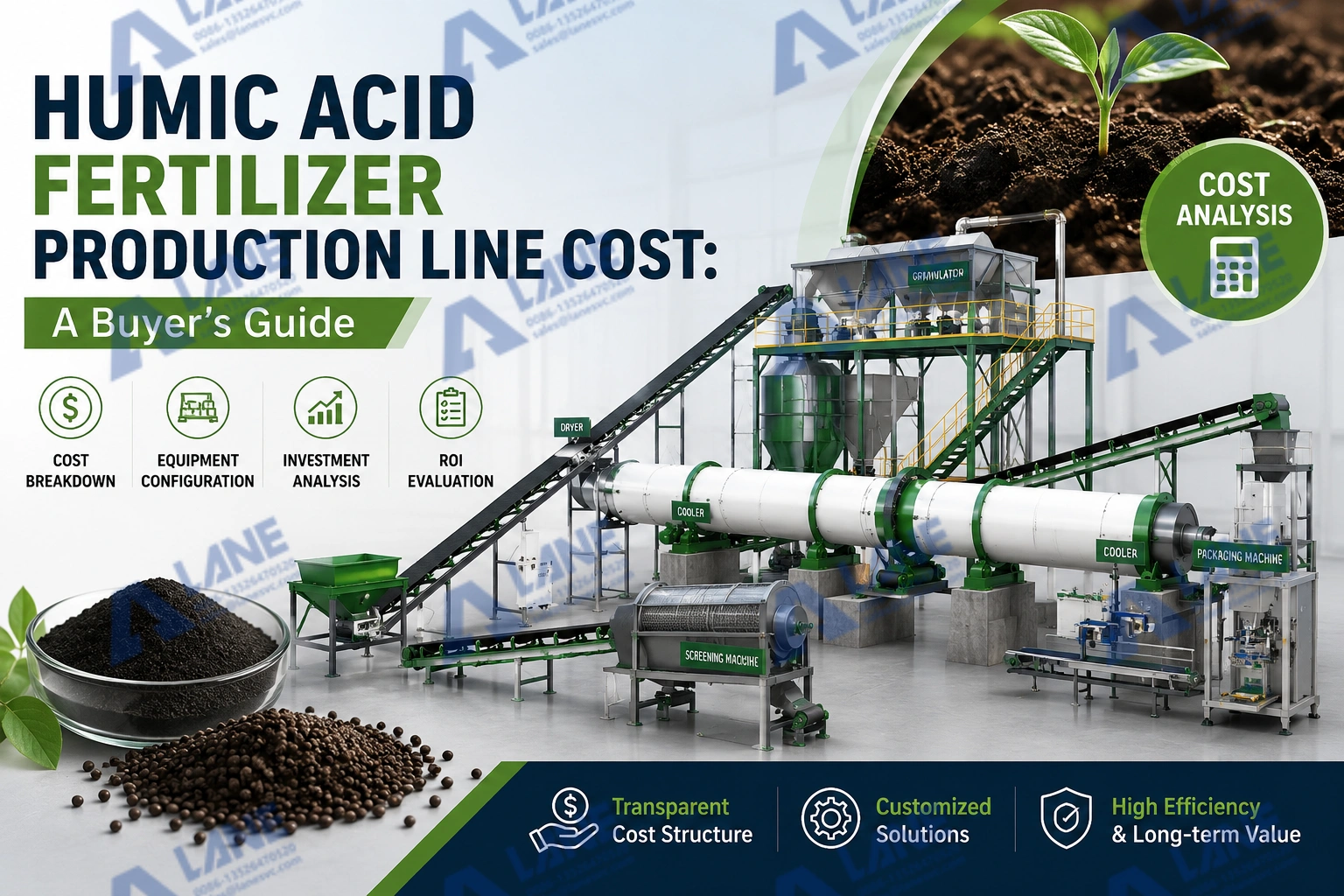
Estimate humic acid fertilizer production line cost by process, equipment, utilities, and product format. Build a reliable investment scope.
The most useful answer to “What is the humic acid fertilizer production line cost?” is not a single number. It is a defined project scope. A small batch liquid operation, a granular mineral-organic fertilizer line, and a high-capacity coated-product plant may all use humic materials, yet their equipment, utilities, buildings, quality controls, and operating risks are very different.
For fertilizer manufacturers, investors, engineers, procurement managers, and EPC contractors, the sound approach is to work backward from the product specification. Define the raw material, formula, annual output, package format, site constraints, and local compliance obligations before comparing equipment offers. That turns the humic acid fertilizer production line cost from a headline price into an investment decision that can be tested.
Humic substances are used in a range of fertilizer and soil-management formulations. In manufacturing terms, however, “humic acid fertilizer” is not a single standard product. It may be a dry powder blend, a granulated organic-mineral product, a coated compound fertilizer, a soluble concentrate, or a finished liquid formulation. Each route creates different process demands.
The trend toward value-added and differentiated fertilizer products is pushing manufacturers to add functional materials, micronutrients, and more tailored packaging formats. This raises the importance of dosing accuracy, mixing uniformity, dust management, filtration, and batch traceability.
Regulatory review must begin at formulation stage. Product registration, nutrient guarantees, contaminant limits, and allowed input claims are country-specific. For example, the USDA National Organic Program has issued guidance on humic-acid extraction and its permitted-use context; that guidance should not be interpreted as approval for every source, process, or market claim. EU fertilising-product rules likewise establish a framework for products placed on that market. Confirm the applicable rules with a qualified local regulatory adviser before designing labels, selecting additives, or committing capital.
The first major decision is whether the plant will make a dry blend, a granule, a coated granular product, or a liquid. Comparing quotations across these routes without normalizing scope produces misleading results.
Dry blending and powder products
A dry set of humic acid fertilizer production equipment may receive humic acid powder, potassium humate, mineral carriers, nutrients, and other compatible dry ingredients. Typical steps are receiving, sieving or crushing, weighing, mixing, screening where required, and bagging. This route can suit markets that accept powders or manufacturers validating a formulation with lower process complexity.
Dust control, segregation, flowability, moisture uptake, and formula uniformity must be designed into the system. A mixer alone is not enough; the feeding and weighing system determine whether each batch matches the intended recipe.
Granulation and coated granular products
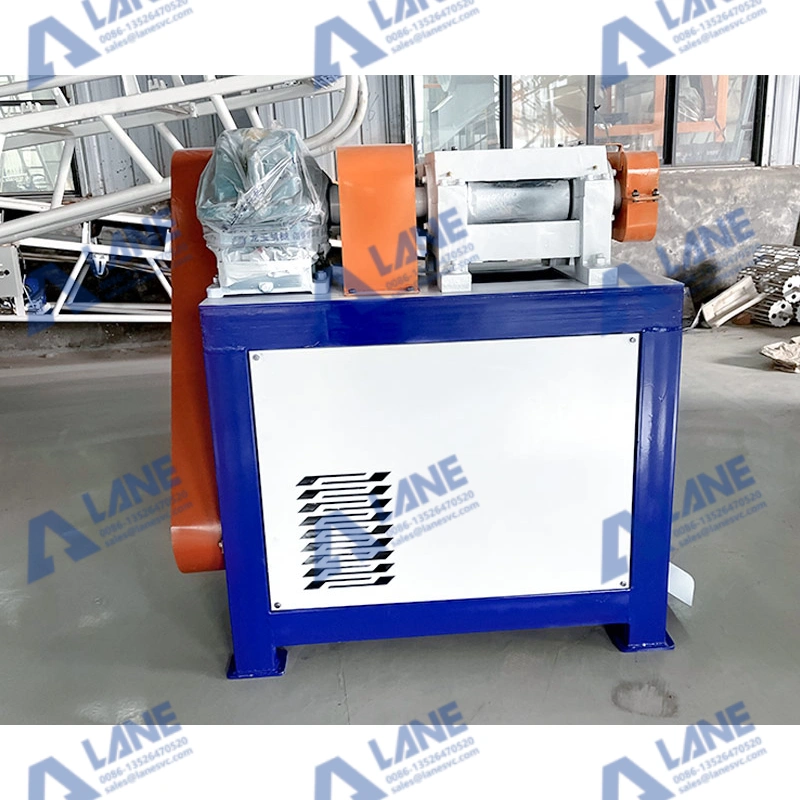
Granulation is appropriate when the product strategy requires more uniform particle size, improved handling, lower dust, or compatibility with mechanical field application. The process can include raw-material preparation, precision batching, mixing, granulation, drying, cooling, screening, recycle, coating, and packaging.
Granulation normally requires more capital and operating discipline than dry blending because the plant must control moisture, recycle rate, particle-size distribution, and thermal duty. A proposal should identify the chosen granulation principle—such as disc, drum, extrusion, or another configuration—and explain why it suits the formula.
Liquid fertilizer manufacturing
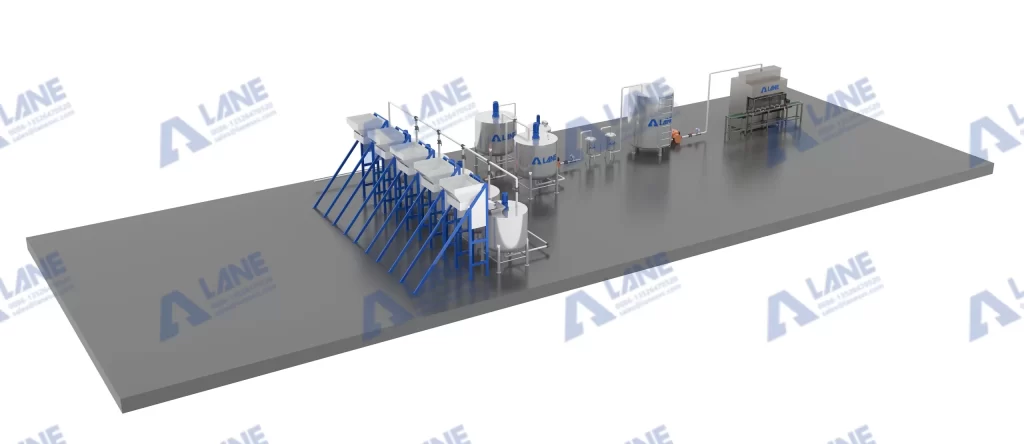
A humic acid liquid fertilizer production line is a separate process family, not simply a dry line with water added. It may include raw-material feeding, dissolving, heated or high-shear mixing, homogenization, filtration, storage, filling, capping, labeling, and clean-in-place provisions. The critical questions are solubility, suspension stability, compatibility among nutrients, filtration requirement, and the filling package.
For liquid products, tank design, agitation, transfer pumps, filtration, cleaning, and filling accuracy usually matter more than drying equipment. A supplier should validate the formula with representative materials where possible, especially when the product contains solids or several functional additives.
The humic acid fertilizer production line cost is shaped by a set of decisions that should be visible in every engineering proposal.
Capacity and operating calendar
Capacity is more than an hourly nameplate. A 5-ton-per-hour line operating one shift for a limited season has a different annual output and storage requirement from a similar line operating multiple shifts. Ask suppliers to state capacity under defined feed conditions, product moisture, particle-size target, and operating hours—not under an unspecified “maximum” condition.
Raw-material quality and handling
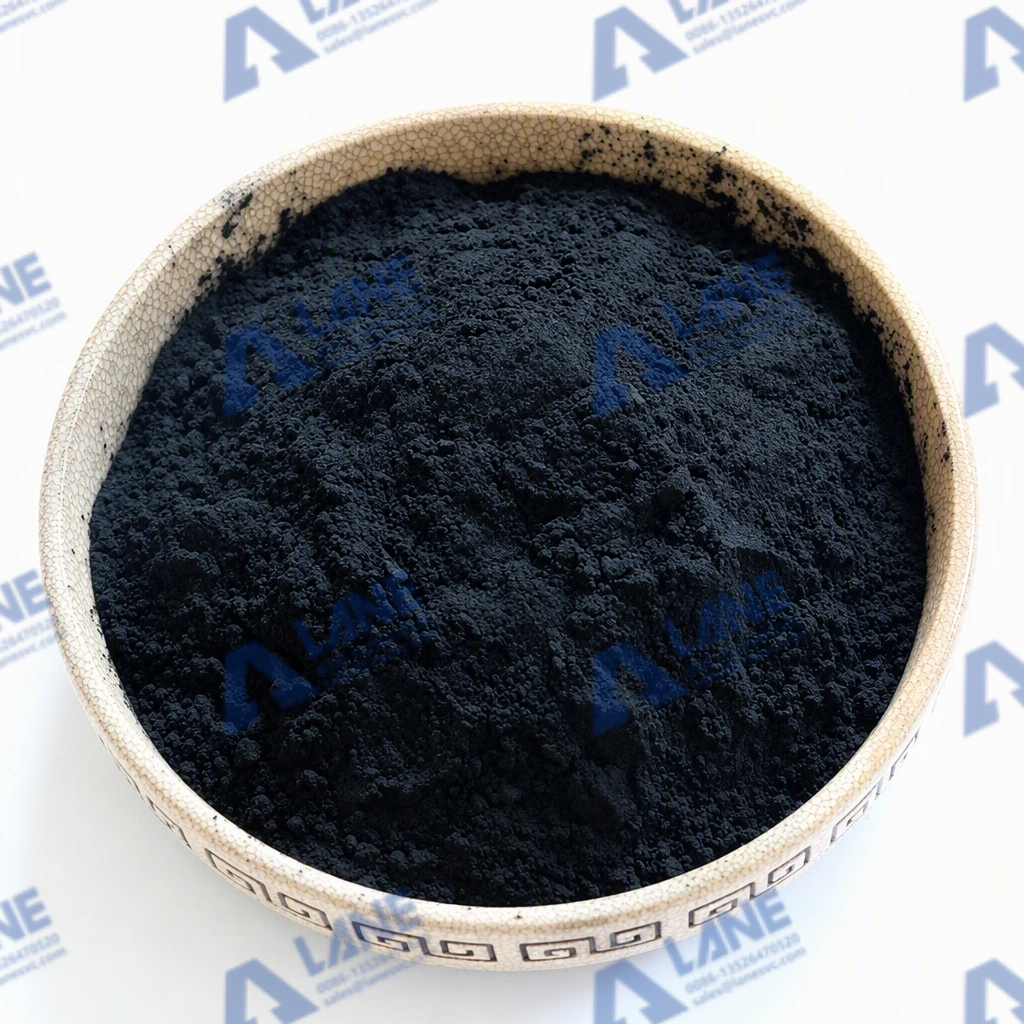
Humic inputs vary in particle size, moisture, solubility, ash content, and flow behavior. Material that bridges in a hopper, creates dust during conveying, or carries oversized particles can limit output long before the main mixer or granulator reaches its rated capacity. Budget for appropriate receiving hoppers, screw or belt feeders, crushers, screening, weighing, and enclosed transfer where needed.
Product specification and packaging
Powder, granule, coating, water-soluble concentrate, bottles, drums, bags, and IBCs each bring different downstream equipment requirements. The humic acid fertilizer production line cost increases when a project adds automatic batching, high-accuracy weighing, dust collection, thermal processing, sophisticated controls, multiple packaging formats, or palletizing. Those options can be justified—but only when they solve a real commercial or operating need.
Utilities, environmental systems, and site works
Electric power, fuel, compressed air, water, drainage, ventilation, dust collection, odor control, buildings, foundations, and internal roads are often excluded from a machine-only quotation. For granular products, dryer fuel and exhaust treatment can be material cost drivers. For liquids, water quality, cleaning water, and wastewater handling may be more significant.
An EPC team should build a total-installed-cost estimate with separate lines for equipment supply, freight, duties and taxes where applicable, civil works, utility connection, installation, controls integration, commissioning, laboratory tools, operator training, initial spares, permits, and working capital. This structure is more useful than treating equipment price as the whole humic acid fertilizer production line cost.
A reliable set of humic acid fertilizer production equipment works because its interfaces are engineered. Feeders must deliver stable mass flow; scales must be calibrated; mixers must provide repeatable dispersion; conveyors must manage dust and carryback; and packaging must match the product’s flow characteristics.
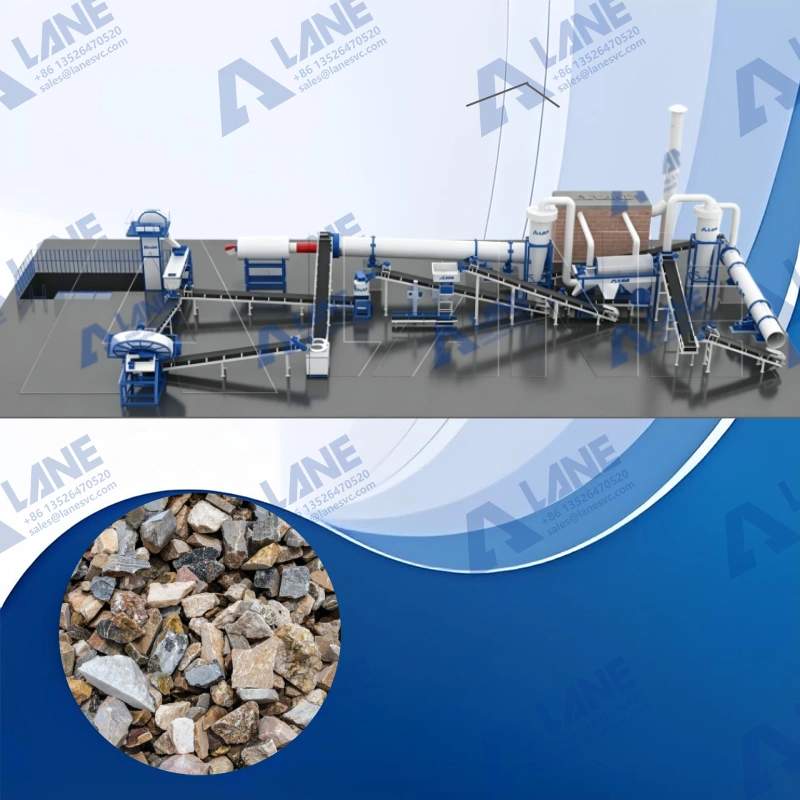
For dry or granular products, humic acid fertilizer production equipment may include receiving hoppers, feeders, a crusher or screen, batching scales, mixer, granulator where required, dryer, cooler, rotary screen, recycle conveyors, dust collector, coating equipment, bagging machine, and PLC controls. The exact set should follow the process, not a catalog template.
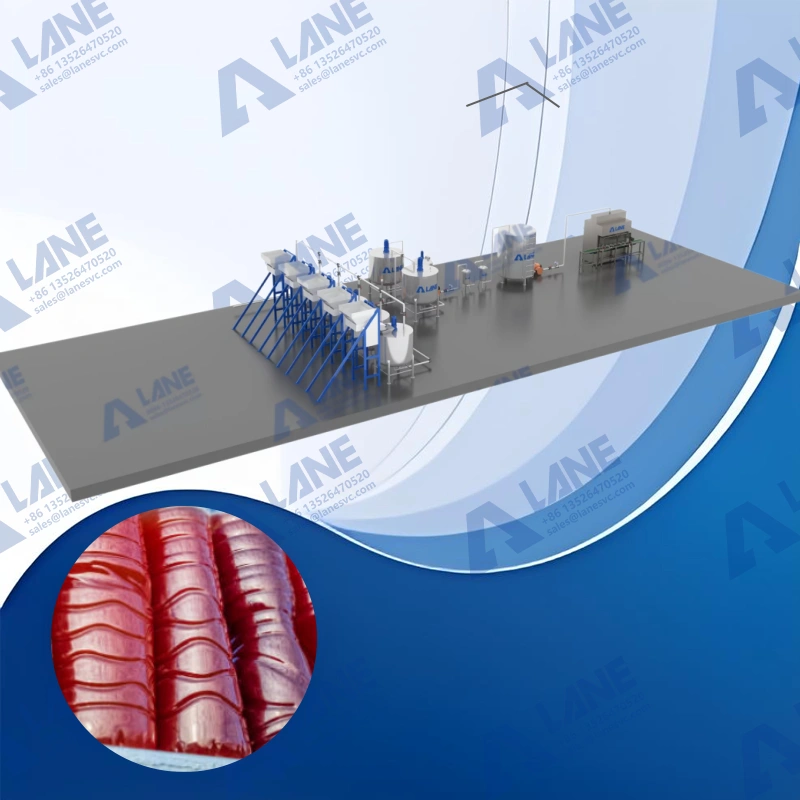
For a humic acid liquid fertilizer production line, the usual scope shifts toward dissolving and mixing tanks, agitators or homogenizers, filtration, buffer storage, transfer pumps, filling equipment, caps and labels, CIP equipment, and control instrumentation. Specify wetted-material compatibility, cleanability, sampling points, and the viscosity range that the pumps and filler must handle.
Ask every bidder for a process flow diagram, general arrangement, electrical load list, utility schedule, equipment data sheets, control philosophy, and mass balance. These documents expose scope gaps early and make supplier offers comparable.
The purpose of a request for quotation is not only to collect prices. It is to make competing technical solutions comparable.
Give every bidder the same design basis:
Then require a clear list of inclusions, exclusions, delivery terms, warranty boundary, and performance tests. The final humic acid fertilizer production line cost should be compared on that common scope—not on a one-line equipment total.
Acceptance tests should define the representative feedstock, test duration, throughput, product moisture or concentration, particle-size range where applicable, weighing accuracy, packaging performance, safety interlocks, and documentation handover. Without a defined test basis, a “capacity guarantee” can mean very little.
Commissioning should progress from equipment inspection and dry runs to controlled material trials and gradual capacity increase. At each step, track motor loads, feed rates, moisture, temperature, dust-collector performance, granule recycle, filtration pressure, filling accuracy, and finished-product results.
A maintenance plan starts before the first batch. Daily checks should cover leaks, belt tracking, abnormal vibration, guards, housekeeping, and instrument alarms. Scheduled inspections should cover mixer paddles, crusher wear parts, screen media, bearings, seals, dryer components, pumps, filter elements, and bagging or filling wear items. Keep critical spares that could otherwise stop production during a long procurement cycle.
For a humic acid liquid fertilizer production line, cleaning verification and filter management deserve explicit standard operating procedures. For dry and granular operations, moisture ingress and dust accumulation require the same attention. Maintenance records are not paperwork; they identify whether a recurring production problem begins with feedstock, process settings, equipment wear, or operator practice.

Choose a supplier based on process understanding, documentation quality, manufacturing capability, commissioning support, and after-sales response—not on a brochure alone. A credible bidder explains its operating assumptions and identifies the responsibilities that remain with the buyer or local contractor.
When reviewing a case reference, compare feedstock, formula, process route, capacity, climate, product format, utilities, and automation level. A successful granular organic-fertilizer project is useful experience, but it may not validate a liquid humate formulation or a high-accuracy coated product. Ask what performance criteria were used at handover and what support was provided afterward.
LANE can scope equipment and support packages around the buyer’s raw material, formula, capacity target, product format, site conditions, and service needs. The best starting point is a shared technical brief rather than a request for an unqualified price.
What is included in humic acid fertilizer production line cost?
It may include equipment only, or it may include engineering, shipping, installation guidance, commissioning, and training. Confirm civil works, utilities, environmental systems, local labor, taxes, and working capital separately.
How do I choose between dry, granular, and liquid humic fertilizer?
Choose from the finished-product requirement, distribution method, feedstock properties, local market, and available utilities. Granules need more finishing equipment; liquids need proven dissolving, filtration, and filling performance.
What humic acid fertilizer production equipment is needed?
The answer depends on the route. Dry lines typically use feeding, weighing, mixing, screening, and packaging. Granular lines add granulation, drying, cooling, screening, recycle, and possibly coating. Liquid lines use tanks, mixing, filtration, storage, and filling.
Is a humic acid liquid fertilizer production line suitable for every formula?
No. The formula must be checked for solubility, suspension stability, viscosity, compatibility, filtration behavior, and packaging requirements. A representative trial is valuable before final equipment selection.
Why do supplier quotations differ so much?
They may be based on different capacities, raw materials, automation levels, equipment materials, packaging scope, utility assumptions, installation boundaries, and performance guarantees. Normalize the design basis before comparing price.
Do I need a dryer for humic acid fertilizer?
Not for every product. Dry blends may not require drying, while granular products often need controlled moisture reduction and cooling for storage and handling. Liquid products rely on dissolving and filtration rather than drying.
What should be included in a performance acceptance test?
Specify representative feedstock, continuous run time, throughput, product specification, weighing or filling accuracy, safety tests, and the procedure for correcting performance shortfalls.
Can humic acid fertilizer be marketed as organic?
That is a regulatory and certification question, not an equipment claim. Verify the source material, extraction method, formula, and destination-market rules with the relevant certifier or regulator before making organic claims.

Everything you need to know when looking at different types of organic fertilizer equipment, all in one place.
Copyright © 2026. LANE All rights reserved.
Send A Message