
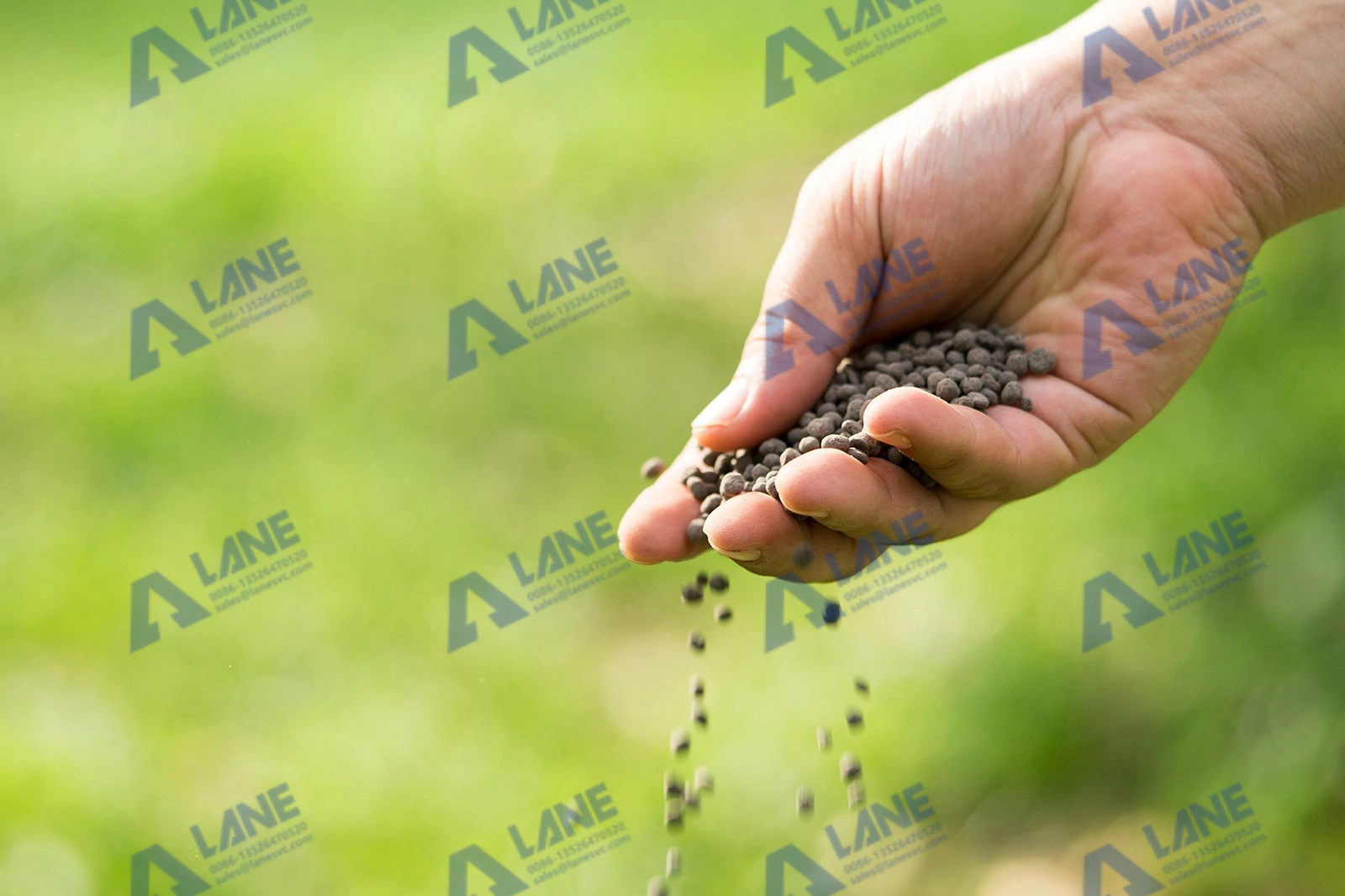
Understand the organic fertilizer manufacturing process from feedstock to granule, including equipment, fermentation, drying, and supplier questions.
Every organic fertilizer plant starts with the same promise: turn a waste stream into a stable, marketable soil amendment. The organic fertilizer manufacturing process decides whether that promise becomes a product with consistent quality or an expensive pile of compost that will not pass a sales contract.
This guide is written for fertilizer manufacturers, plant investors, engineers, procurement managers, and project contractors. It covers the process step by step, the equipment sequence behind it, the decisions that drive cost, and the supplier questions that separate a complete process package from a machine list.
Most buyers start with equipment price, but the organic fertilizer manufacturing process is where the real project risk sits. The raw material changes from farm to farm and season to season. Moisture, carbon-to-nitrogen ratio, particle size, and contaminant level all affect how the line must be designed. A granulator cannot fix undercooked compost, and a dryer cannot make up for a fermentation stage that never reached temperature.
That is why the first technical work should happen before a quote. The buyer and the supplier need to define the feedstock, the finished product, the target market, and the quality standard. Every equipment decision comes after that.
Organic fertilizer production has moved from farm-scale composting to industrial processing because the market now rewards consistent products. Certified organic growers, export programs, and specialty crop buyers expect a product with predictable nutrient content, low contamination, and stable handling properties.
Regulation reinforces the same trend. The FAO publishes detailed guidance on the composting process and techniques, including target moisture, C/N ratio, and temperature ranges for aerobic decomposition. The European Union regulates fertilising products under Regulation (EU) 2019/1009, with animal by-product rules under Regulation (EC) No 1069/2009. USDA NRCS provides composting facility guidance in the National Engineering Handbook, and China’s NY/T 525-2021 standard defines testing and quality requirements for organic fertilizer.
These frameworks matter to a buyer because they affect process design. A plant built for one market may need different record keeping, feedstock controls, contaminant limits, and process validation than a plant built for another.
Export buyers should expect to document the composting process for organic fertilizer, because certification schemes usually ask for temperature history and feedstock records.
The organic fertilizer manufacturing process does not begin at the granulator. It begins with the raw material. Common feedstocks include livestock and poultry manure, crop residues, food processing waste, digestate, sewage sludge, and agricultural by-products.
Each feedstock brings a different moisture and nutrient profile:
Before line design, the buyer should have samples tested for moisture, C/N ratio, pH, particle size, heavy metals, and pathogens. The FAO guidance puts the ideal starting C/N ratio around 25:1 to 30:1 and the starting moisture range around 50 to 60 percent. If the feedstock cannot meet those ranges, the line must include dewatering, mixing, or bulking agent dosing to bring it into range.
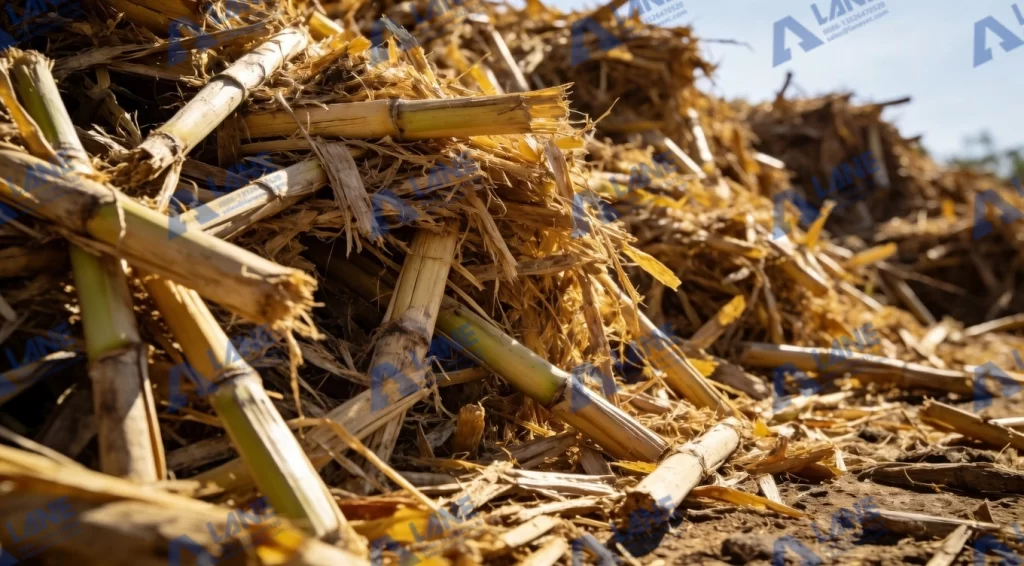
The full organic fertilizer manufacturing process is a sequence of biological and mechanical stages. The order matters because each stage changes the material for the next one.
Raw organic waste often arrives with 65 to 80 percent moisture. High-moisture slurry should pass through a screw press or inclined screen separator before composting, because every extra ton of water increases handling cost and drying energy.
Large particles need size reduction. Stones, metal, plastic, and other contaminants should be removed at receiving. Bulking agents such as straw, rice husks, sawdust, or finished compost adjust moisture and carbon, and they create the pore space that aerobic organisms need.
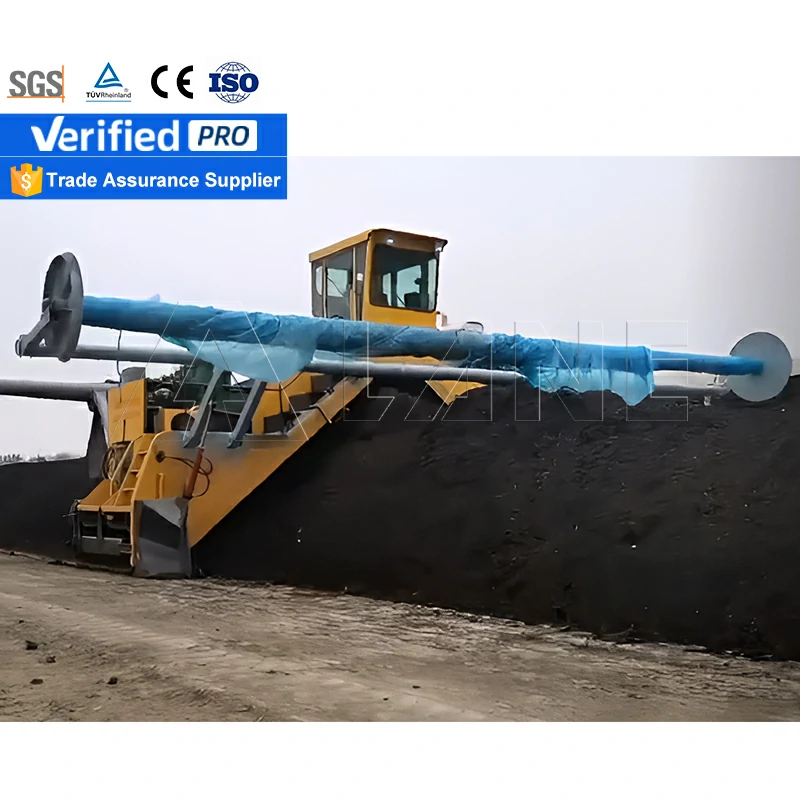
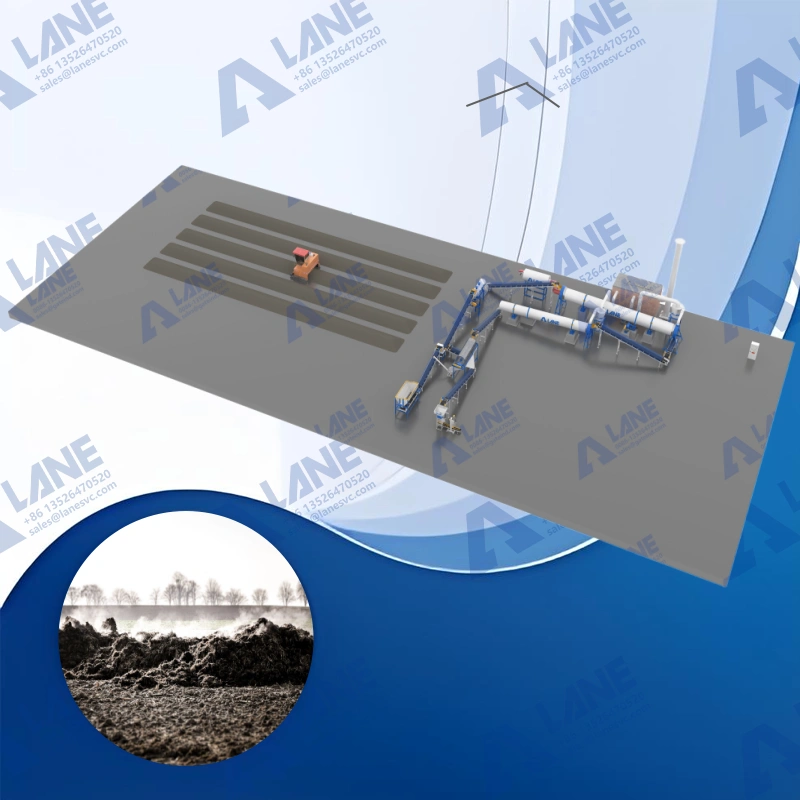
The composting process for organic fertilizer is the stage that determines whether the product is safe and stable. In an aerobic system, microorganisms break down organic matter while producing heat. Pile temperature should reach the 50 to 70 C range for a sustained period. According to FAO guidance, pathogens are normally destroyed at 55 C and above, and the critical point for weed seed elimination is around 62 C.
The composting process for organic fertilizer can be managed in several ways:
The choice depends on land, climate, odor control, and capital. Windrow systems are lower cost but need more space and labor. In-vessel systems are more controlled and easier to contain odor, but they carry higher equipment cost.
Each approach must hold the same aerobic conditions, because the composting process for organic fertilizer is judged by temperature history and maturity.
Active composting usually runs 15 to 25 days, followed by curing. The curing stage reduces the risk of nitrogen hunger, oxygen deficiency, and phytotoxic organic acids in immature compost. Skipping curing is one of the most common quality mistakes in the industry.
Fermented compost comes out uneven. It contains clumps, litter fragments, and oversize particles that would plug a granulator or produce weak granules. A chain crusher or semi-wet crusher breaks the material down, and a rotary screen removes debris before the next stage.
Particle size consistency at this point has a direct effect on granule quality later. If the material entering the mixer is inconsistent, the granulator will pass that inconsistency into the product.
After crushing, the compost is blended with water, binders, microbial inoculants, or mineral additives to reach the moisture and nutrient target for granulation. The mixer has to do more than combine ingredients. It has to create a uniform feed so every granule carries the same formulation.
Automatic batching and belt scales help plants meet nutrient specifications. They also make the line easier to repeat when the raw material changes.
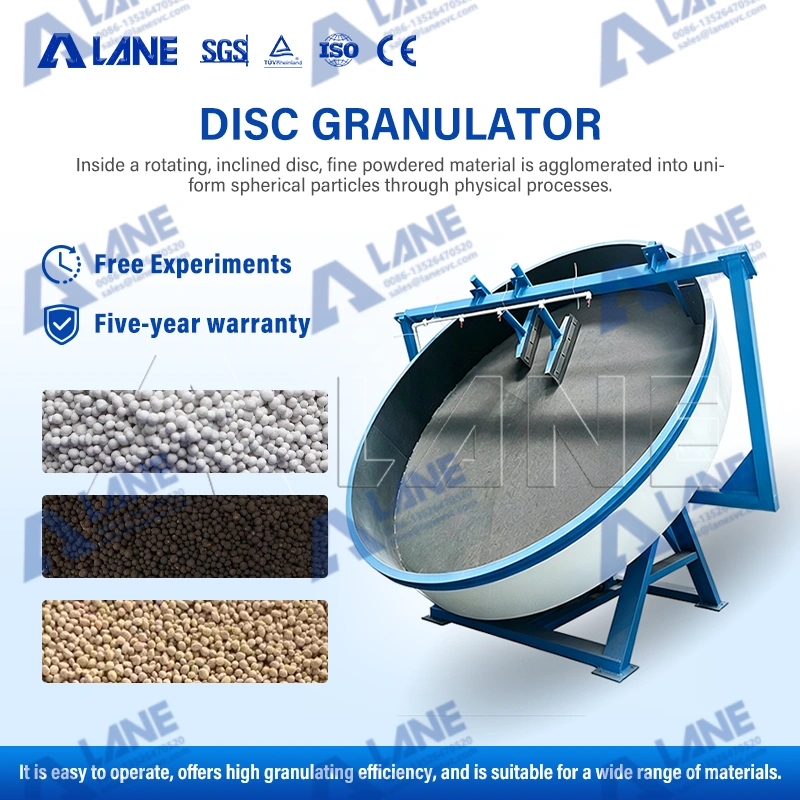
Granulation converts the conditioned powder into uniform particles that store, transport, and spread better than loose compost. The right machine depends on the moisture level of the feed and the product shape the market expects:
LANE publishes dedicated pages for its rotary drum granulator, disc granulator, and stirring pin granulator. Each page explains the operating window, so buyers can match the machine to their actual moisture profile instead of choosing by price alone.
Granules coming off a wet granulator carry roughly 20 to 30 percent moisture. A rotary drum dryer brings the product down to the 10 to 14 percent range, and a cooler then drops the temperature before packaging. Hot granules packed too early will sweat, cake, and fail storage tests.
The final screen removes oversize and undersize granules. Oversize material returns to the crusher, and fines return to the granulator, so the recycle loop keeps product loss low. A coating machine is optional but common in commercial lines because it reduces dust and improves appearance. The automatic packaging machine records bag weight and keeps the line moving.
Organic fertilizer production equipment is not a single machine. It is an integrated sequence of units, each designed for a specific transformation.
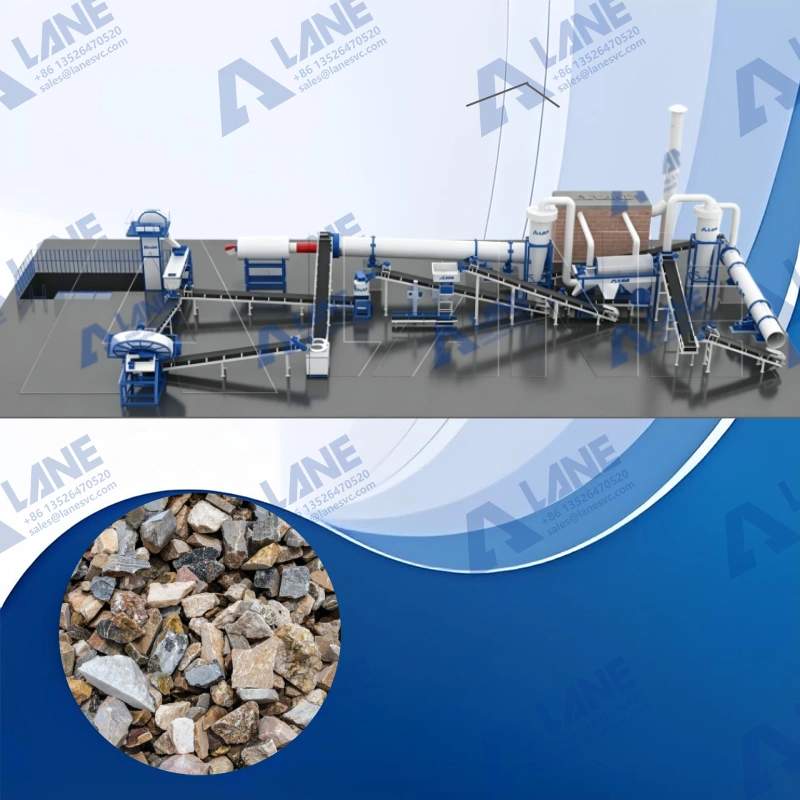
A complete line includes:
The equipment list should also include conveyors, bucket elevators, control cabinets, and instrumentation. A quote that only lists the granulator and dryer is not a complete organic fertilizer production equipment package.
The organic fertilizer manufacturing process works as a moisture and particle-size pipeline. The front end removes water and adjusts carbon and nitrogen. The middle section stabilizes the biology and builds a uniform powder. The back end shapes that powder into granules, removes moisture again, and sorts the result by size.
At every transfer point, the organic fertilizer manufacturing process must protect the material from re-wetting, contamination, and nutrient loss.
Three variables control most of the operating result:
When these variables are designed together, the line runs with predictable energy use and product quality. When equipment is bought piece by piece, the same variables become daily emergencies.
Not every plant needs a granulation line. A powder organic fertilizer line is simpler and cheaper, and it is a reasonable route for local bulk sales or soil amendment programs. A granular line adds granulation, drying, cooling, screening, and packaging, which raises both capital cost and product value.
The decision should come from the sales channel. Retail bags, export markets, and bulk blending programs usually favor granules. Local agriculture and soil remediation projects may accept powder. Buyers who know their market before they buy equipment avoid paying for a granulation line they cannot sell against.
The organic fertilizer production equipment package changes with this decision, so the market analysis should be finished before the equipment list.
Organic fertilizer plant cost depends on process scope, capacity, and site conditions, not on a single equipment number. Published supplier guidance gives useful planning ranges.
The full organic fertilizer production equipment budget is only part of the total project. Buyers should also plan for:
Published guidance commonly adds 20 to 50 percent above equipment price for site, civil, permits, installation, and working capital. LANE’s own organic fertilizer cost guide covers this split in detail and is a useful reference when building a feasibility study.
Composting method is one of the largest cost drivers in the composting process for organic fertilizer, since windrow, trough, and in-vessel systems differ in equipment, space, and labor.
Organic fertilizer produced through this process serves several markets:
The application scope affects process design. A plant selling into certified organic markets may need a defined composting temperature history and feedstock traceability. A plant selling into bulk agricultural markets may focus more on moisture, granule strength, and handling cost.
Organic certification programs often require documentation of the composting process for organic fertilizer, including temperature and curing records.
Maintenance on an organic fertilizer line is continuous rather than difficult. The highest-wear points are the screen, crusher hammers, granulator lining, dryer flights, and conveyor belts. Operators should keep a daily checklist for material build-up, belt tracking, bearing temperature, and screen condition.
Most problems in the composting process for organic fertilizer come from moisture and aeration rather than mechanical failure. Record pile temperature, moisture, turning frequency, and odor. If the pile does not heat, check moisture and oxygen. If ammonia is strong, check the C/N ratio. If granules come out soft, check granulation moisture and drying temperature.
Dust filters, wet scrubbers, and biofilters lose efficiency slowly, so they need a monthly inspection schedule. A line that runs cleanly is easier to keep in compliance and easier to sell to quality-conscious buyers.
Supplier selection should start with process questions, not price. Ask for the same information from every candidate:
Ask the supplier to explain how the organic fertilizer manufacturing process will handle your feedstock, moisture swings, and target certification.
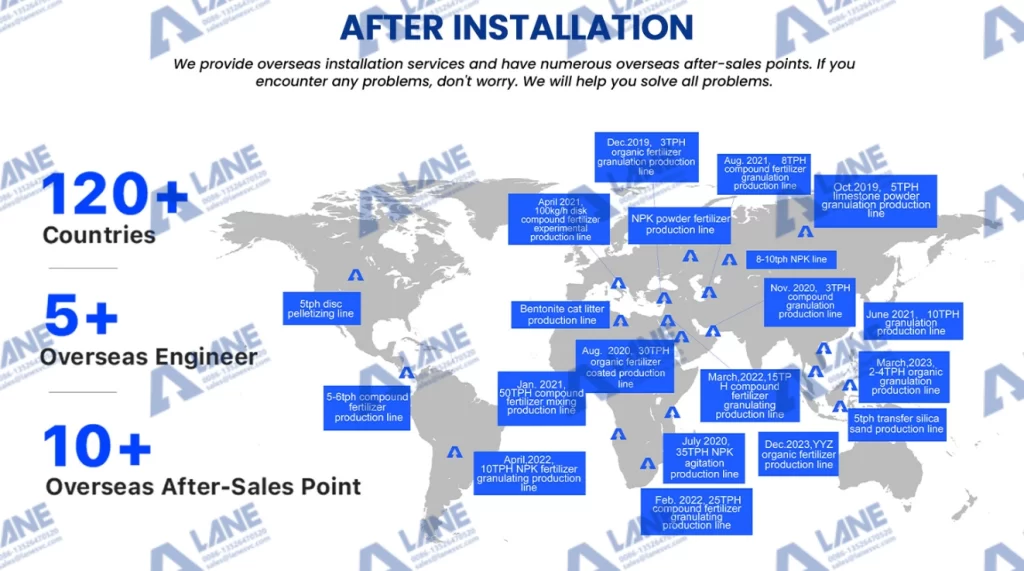
LANE publishes a free granulation test service for organic fertilizer projects and provides installation, commissioning, operator training, remote video guidance, and after-sales support. The company has delivered equipment and production lines to clients in more than 50 countries and supplied machines for a 100,000 tons per year national fertilizer project in Africa.
Project records also help. Public case material shows organic fertilizer lines operating from 1 to 20 tons per hour, including poultry manure pellet lines in commercial production. A supplier should be able to name comparable projects, even if customer confidentiality limits direct reference calls.
What is the organic fertilizer manufacturing process?
It is the sequence of receiving, dewatering, composting, curing, crushing, mixing, granulation, drying, cooling, screening, coating, and packaging that turns raw organic waste into a stable commercial fertilizer.
How long does the organic fertilizer manufacturing process take?
Active composting normally runs 15 to 25 days, followed by curing. With drying and granulation added, the full cycle from raw material to packaged product typically runs 25 to 40 days, depending on feedstock and climate.
What equipment is needed for organic fertilizer production?
The full organic fertilizer manufacturing process needs dewatering, composting, crushing, screening, mixing, granulation, drying, cooling, final screening, coating, and packaging equipment, plus conveyors, dust collection, odor control, and instrumentation. A complete organic fertilizer production equipment list should name the capacity and power of each unit.
How does the composting process for organic fertilizer work?
Aerobic microorganisms break down organic matter in the presence of oxygen. The pile heats to 50 to 70 C, pathogens and weed seeds are reduced, and the material becomes a stable, humus-rich product after curing. The composting process for organic fertilizer should be managed to a documented temperature history so the product can support certification claims.
What is the difference between powder and granular organic fertilizer?
A powder line ends after fermentation, crushing, mixing, and packaging. A granular line adds granulation, drying, cooling, final screening, and usually coating. Granules cost more to produce but store, transport, and apply better.
What moisture should the finished product have?
Finished granules should normally contain 10 to 14 percent moisture for stable storage. Powder products may use a slightly different target depending on the market and packaging method.
How much does an organic fertilizer plant cost?
Published supplier ranges start around USD 50,000 for small equipment-only configurations and can exceed USD 1.5 million for high-capacity granular lines. The final cost depends on process scope, capacity, automation, site work, permits, and working capital.
How do I choose an organic fertilizer production equipment supplier?
Compare process engineering, material testing, line integration, installation support, spare parts, and references. A low price usually means a smaller scope. The supplier who can explain how the line will handle your feedstock is worth more than the one who only quotes the machine.
For more detailed information about this topic, please refer to our complete guide: [Organic Fertilizer Production Line: Complete Guide to Manufacturing, Equipment & Plant Cost]

Everything you need to know when looking at different types of organic fertilizer equipment, all in one place.
Copyright © 2026. LANE All rights reserved.
Send A Message