
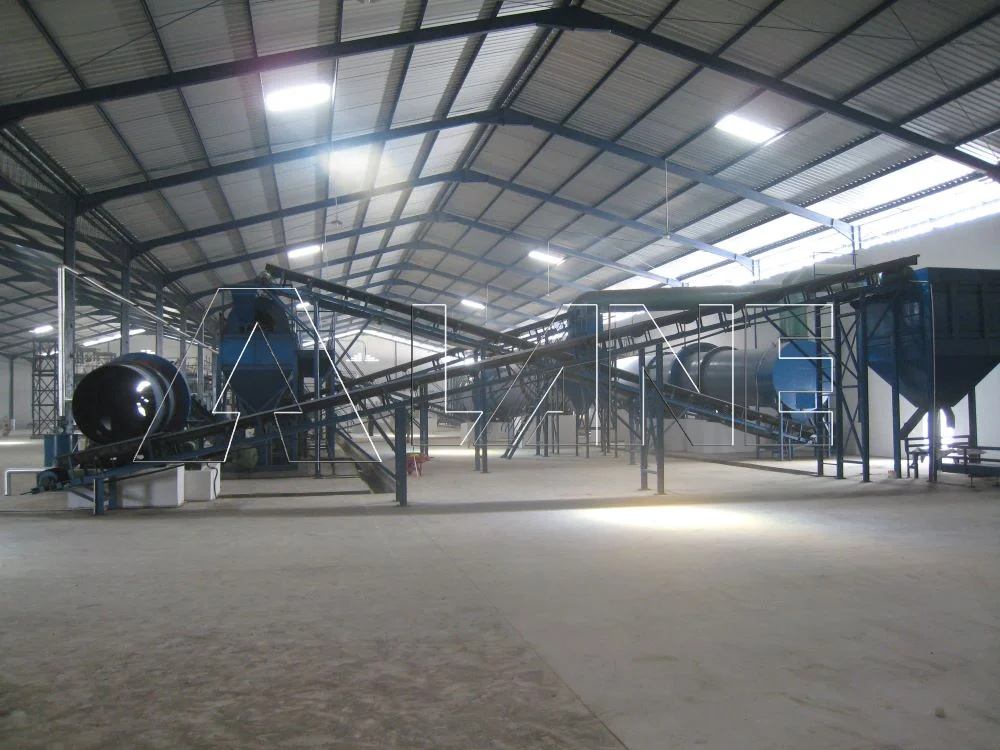
Plan a turnkey organic fertilizer plant with the right process, equipment, cost scope, and supplier criteria. Use this practical procurement guide.
Buying a turnkey organic fertilizer plant is not the same as buying a collection of machines. It is a project decision that connects feedstock availability, product positioning, environmental control, utilities, civil works, operating skills, and long-term service. A line that looks complete on a quotation can still become a bottleneck if its moisture balance, material flow, or maintenance access was not engineered for the actual site.
For fertilizer producers, investors, EPC contractors, and procurement managers, the starting point is a clear production brief: available raw materials, annual operating days, target capacity, finished-product form, local compliance needs, and sales channels. With those inputs, a supplier can design an organic fertilizer production line around a defendable business case instead of a generic equipment list.
Livestock manure, crop residues, food-processing by-products, and green waste create both a disposal responsibility and a potential fertilizer resource. The commercial opportunity is strongest where feedstock supply is reliable, the finished product has a defined market, and the plant can control odor, moisture, and contamination.
The industry trend is toward integrated projects rather than isolated machines. Buyers increasingly need traceable material handling, enclosed transfer where dust or odor matters, coordinated electrical controls, and a commissioning plan that ties each stage together. This reflects a practical reality: biological conditioning and mechanical processing must be designed as one system.
Standards and local regulations should shape the project early. For example, the U.S. Environmental Protection Agency describes composting as managed aerobic decomposition and highlights the importance of feedstock management and process control. In markets selling products under organic programs, buyers should also review the applicable national input rules and certification requirements before choosing additives or labeling claims. Requirements vary by country; equipment design does not replace compliance review.
A successful turnkey organic fertilizer plant begins with two linked questions: what material will enter the plant, and what saleable product must leave it?
Define the incoming material
Document average and worst-case moisture, bulk density, particle size, contaminants, seasonal availability, and nutrient variability. Fresh poultry manure, fibrous crop residues, digestate, filter cake, and food waste behave very differently. High-moisture materials may need solid-liquid separation or carbon-rich bulking agents before composting. Fibrous residues may need shredding before they can mix uniformly.
Do not size equipment from a single “typical” sample. Ask for a feedstock test plan and design range. The material’s wet throughput, not only the desired dry product output, determines conveyor capacity, composting area, drying duty, and storage volume.
Choose powder or granules deliberately
A powder product can follow fermentation, crushing, screening, and packing. It generally needs less capital equipment and less thermal energy. Granules add value where customers need more uniform handling, lower dust, improved application behavior, or retail-ready packaging. But granulation also adds moisture control, recycle flow, drying, cooling, screening, and more instrumentation.
The right route depends on the target market, not on which route appears more advanced. A phased project may start with stable compost and powder packing, then reserve layout and utilities for a future granulation island. That can protect cash flow while validating demand.
The exact arrangement varies, but an organic fertilizer production line normally combines the following functions. A process-flow diagram and mass balance should accompany the proposal, showing design capacity at every transfer point.
1. Receiving, preparation, and batching
Feedstock is received, inspected, weighed, and, where needed, dewatered, shredded, or mixed with bulking material. Loaders, hoppers, feeders, conveyors, and mixers should be selected for bridging risk, abrasive wear, and cleaning access—not just nominal tonnage.
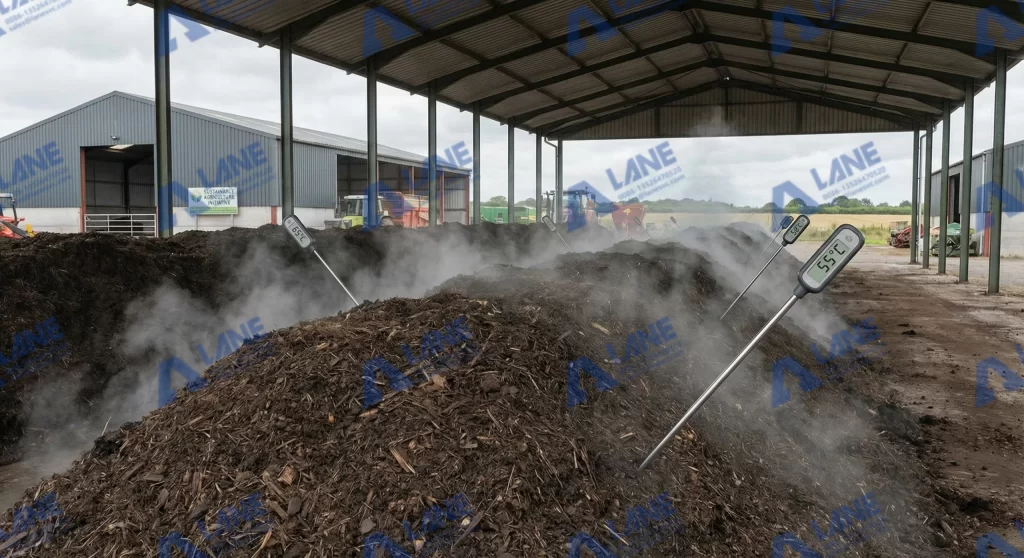
2. Aerobic fermentation or composting
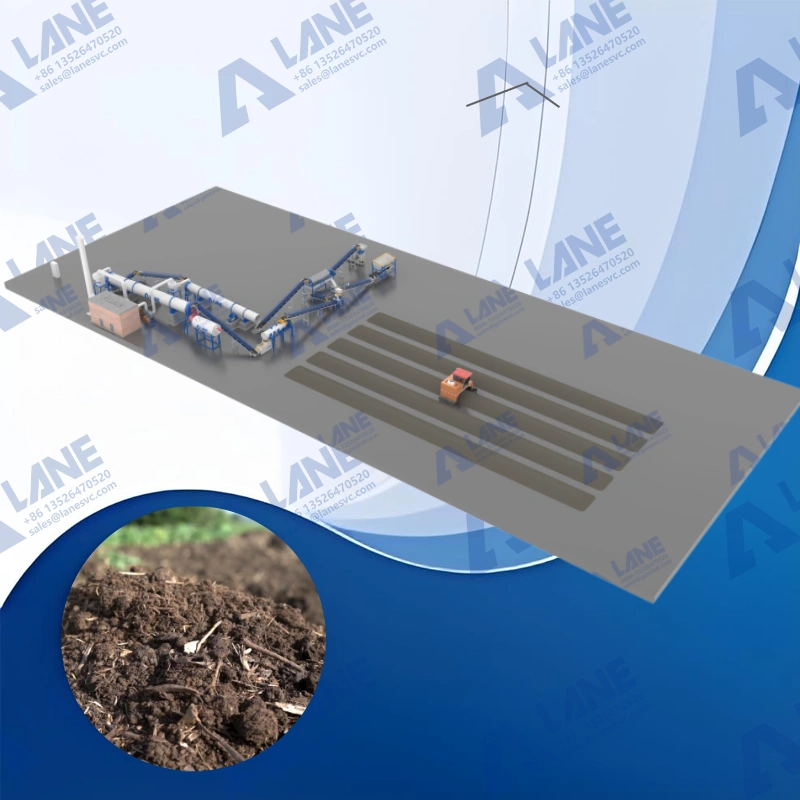
Microorganisms break down biodegradable material when oxygen, moisture, porosity, and temperature are managed. Windrow turners can suit sites with available land and lower enclosure needs. Groove systems, in-vessel equipment, or enclosed fermentation tanks can be appropriate when footprint, weather protection, odor management, or process consistency is more critical. The best choice follows site constraints and feedstock behavior.
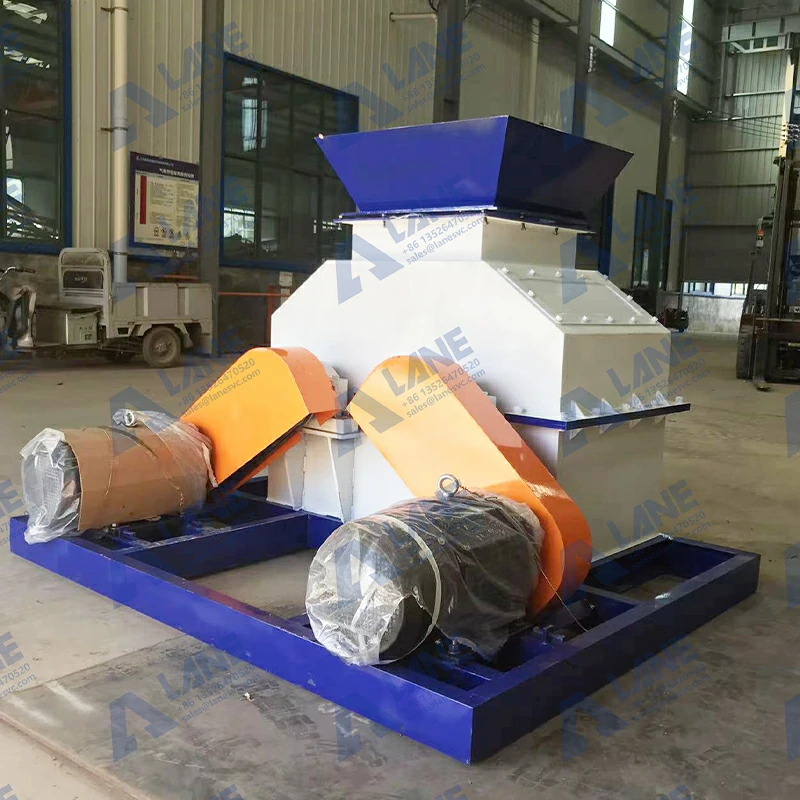
3. Conditioning, crushing, and mixing
After stabilization, a crusher breaks lumps and a screening system removes oversize material. The mixer then blends compost with permitted nutrient sources, minerals, microbial products, or other ingredients according to the formula. Sampling and batch records at this stage support consistent product quality.
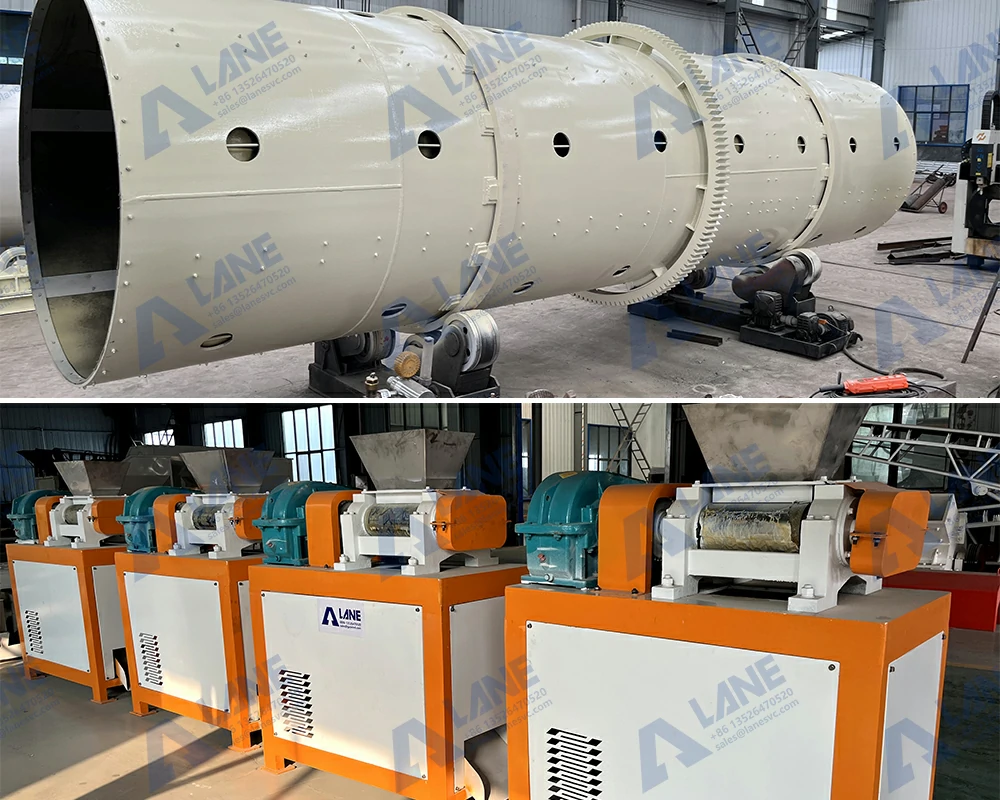
4. Granulation and finishing, when required
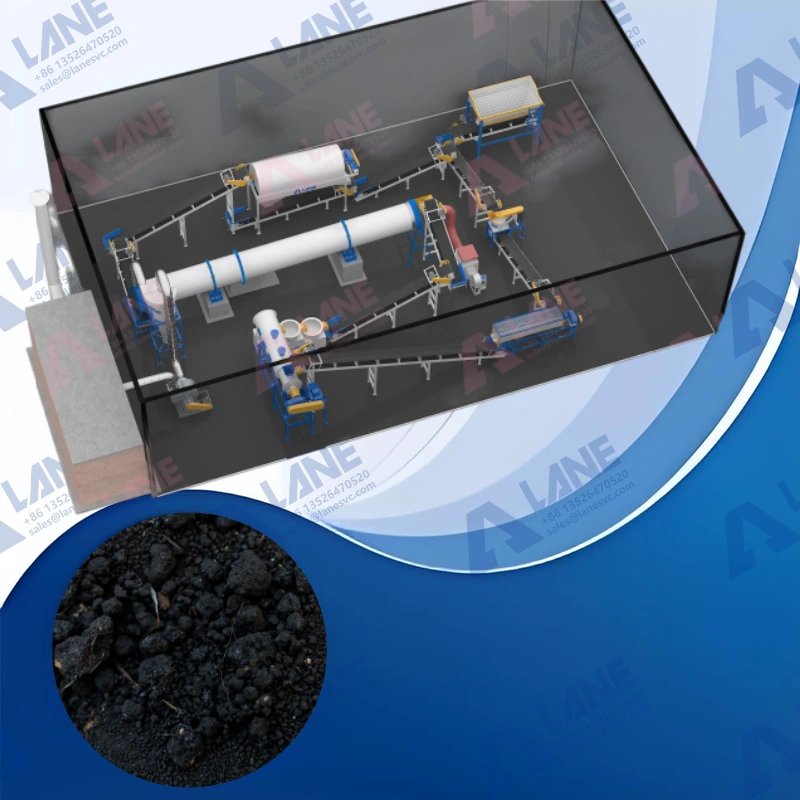
In a granular turnkey organic fertilizer plant, conditioned material is formed through a selected granulation method, such as wet agitating-tooth, disc, drum, or extrusion-based equipment. The choice depends on raw-material characteristics, binder behavior, target particle size, and desired capacity. Dryers lower moisture; coolers stabilize the product; screens separate on-size product from recycle; and coating may reduce caking. Packing equipment then matches bag sizes, weighing accuracy, and warehouse workflow.
An organic fertilizer production line should be evaluated by its interfaces. The most expensive machine is rarely the only determinant of output. Feeders must meter smoothly; conveyors must avoid carryback; the dryer must match actual evaporative load; and the screen and recycle system must not choke the granulator.
Use this procurement checklist during technical clarification:
For projects with several material streams, automated weighing and recipe management may be worth the investment. For a smaller plant with stable feedstock, a simpler configuration can be easier to operate and repair. Automation should reduce variability or labor risk—not merely decorate a proposal.
The useful question is not “What is the organic fertilizer plant cost?” but “What scope is included in the delivered, commissioned facility?” A supplier’s equipment price may exclude foundations, buildings, electrical distribution, steam or fuel systems, water, drainage, freight, installation labor, permits, or working capital.
The organic fertilizer plant cost changes materially with capacity, feedstock moisture, powder versus granular product, automation level, civil works, environmental systems, and the distance between receiving, processing, and dispatch. Thermal equipment is especially sensitive to inlet moisture, fuel availability, ambient conditions, and exhaust-treatment requirements.
For a bankable budget, separate the estimate into equipment supply, logistics, construction, utilities, installation, commissioning, laboratory and quality-control tools, initial spares, training, permits, and working capital. Then create a contingency based on the maturity of the site data. This organic fertilizer plant cost model is more reliable than comparing one supplier’s headline price with another’s.
Avoid treating a published price range as a project guarantee. Confirm the commercial basis: Incoterms, currency, taxes, performance guarantees, exclusions, and change-order rules. A complete organic fertilizer plant cost review also makes the supplier-versus-local-contractor boundary visible to an EPC team.
The most capable turnkey organic fertilizer plant can underperform if it is started without a staged commissioning plan. First run individual motors and safety interlocks; then test empty conveying; then introduce material at controlled rates; and only then increase throughput while monitoring moisture, temperature, amperage, airflow, and product size.
Set up preventive maintenance from day one. Daily checks should cover abnormal noise, belt tracking, leaks, temperature, and housekeeping. Weekly tasks should include lubrication and fastener checks. Planned shutdowns should inspect crusher wear, screen condition, granulator internals, dryer flights, bearings, seals, and dust-collection components. Keep critical spares on site where lead times could stop production.
Operational data is also a purchasing asset. Record feed moisture, energy use, downtime causes, reject rate, and product-test results by batch. These records reveal whether a problem begins in feedstock preparation, fermentation, granulation, or finishing—and provide the evidence needed for a supplier support discussion.
For an organic fertilizer production line with changing feedstocks, review those records jointly with the process supplier before expanding capacity or altering the product formula.

Supplier selection should test engineering discipline as much as fabrication capability. Ask each bidder to explain the design assumptions behind its turnkey organic fertilizer plant, rather than accepting a standard layout.
Look for a supplier that can provide process integration, equipment drawings, a clear scope boundary, installation and commissioning support, operator training, parts support, and references relevant to your feedstock or product route. Review factory-quality controls, welding and electrical standards, documentation quality, and response commitments after handover.
If a supplier proposes a case example, verify the similarity of the raw material, product specification, plant scale, climate, and operating model. A successful manure-compost project does not automatically validate a food-waste, sludge, or export-grade granular project. Honest comparability is more valuable than impressive but unrelated capacity claims.
What is included in a turnkey organic fertilizer plant?
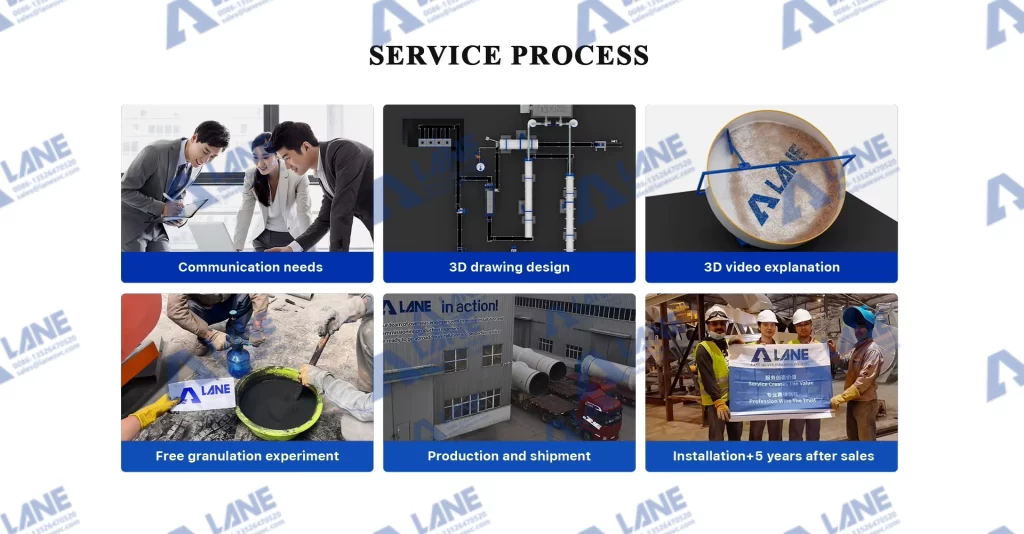
Typically, it includes process engineering, main equipment, conveying and controls, drawings, installation guidance, commissioning, and training. The exact boundary must list civil works, utilities, emissions control, and local installation responsibilities.
How do I choose between powder and granular organic fertilizer?
Choose powder when the market accepts it and low capital intensity is a priority. Choose granules when handling, packaging, application uniformity, and product positioning justify added equipment and energy use.
Which raw materials are suitable for organic fertilizer production?
Common examples include livestock manure, crop residues, composted food-processing residues, digestate solids, and green waste. Suitability depends on contamination, moisture, nutrient profile, local rules, and the planned product claim.
How is organic fertilizer plant cost estimated accurately?
Start with a feedstock specification, capacity target, product format, site layout, utility availability, and compliance scope. Then compare total installed cost and exclusions, not equipment price alone.
Do I need a dryer in an organic fertilizer production line?
Not always. Powder lines may pack after suitable stabilization and screening. Granular lines often need controlled drying and cooling to meet storage and handling requirements; the decision should follow actual moisture and product specifications.
What information should I send to a fertilizer equipment supplier?
Provide feedstock type and moisture range, target output, operating hours, product form, bag size, site dimensions, available utilities, local environmental requirements, and expected project schedule.
How can odor and dust be controlled in a fertilizer plant?
Use source capture, enclosed transfer where appropriate, correctly designed ventilation, dust collection, good housekeeping, and a process layout that separates receiving, fermentation, and finished-product areas. Local requirements should determine the final system.
What acceptance tests should be written into the purchase contract?
Define feedstock conditions, continuous operating duration, throughput, finished-product moisture, particle-size range where applicable, power or fuel measurement basis, safety performance, documentation, and the correction process if targets are not met.

Everything you need to know when looking at different types of organic fertilizer equipment, all in one place.
Copyright © 2026. LANE All rights reserved.
Send A Message