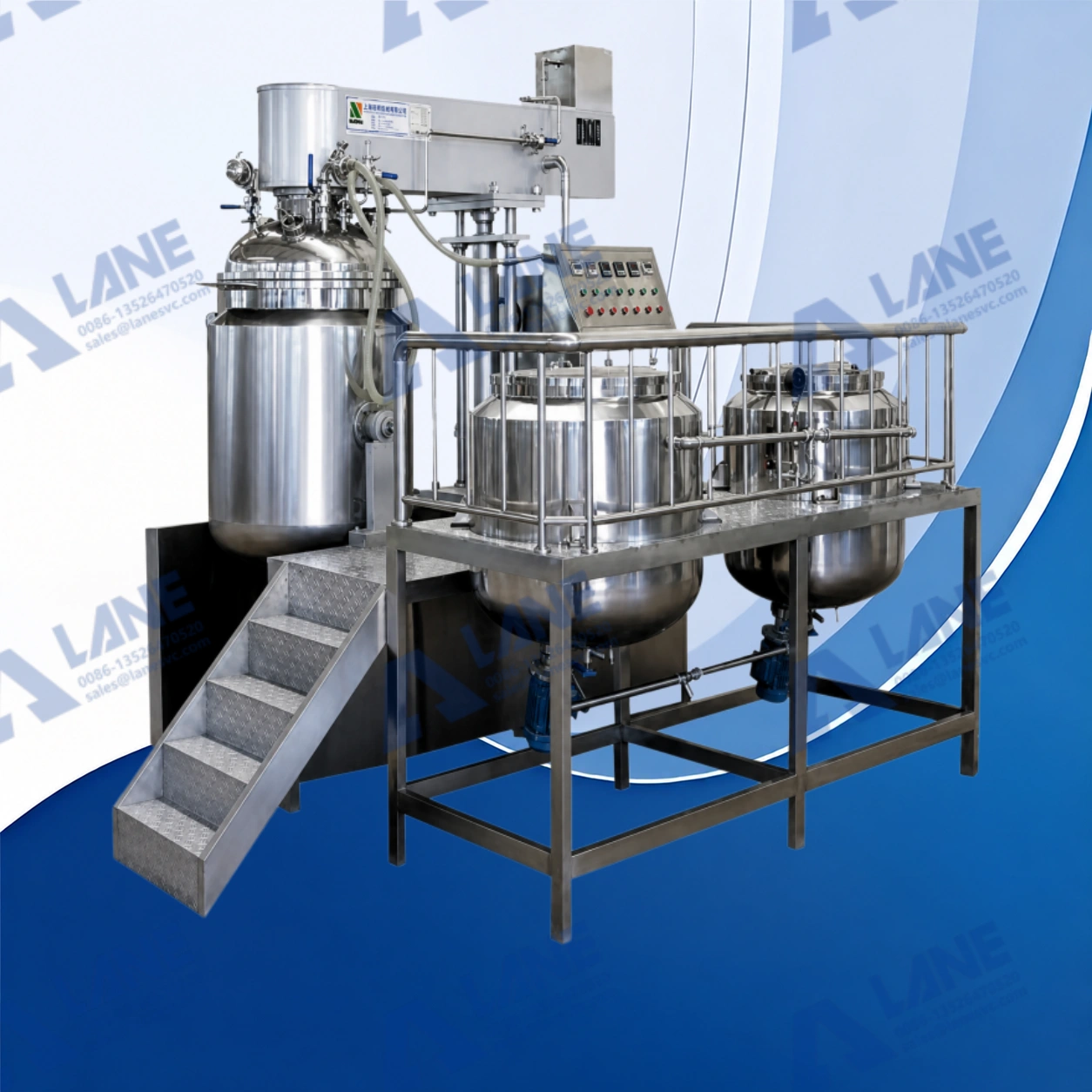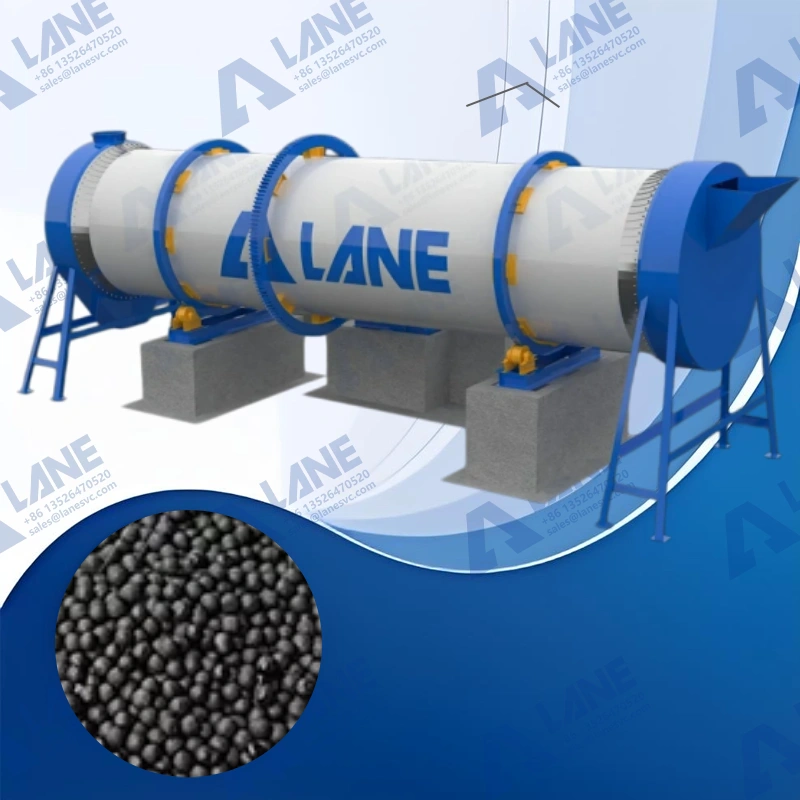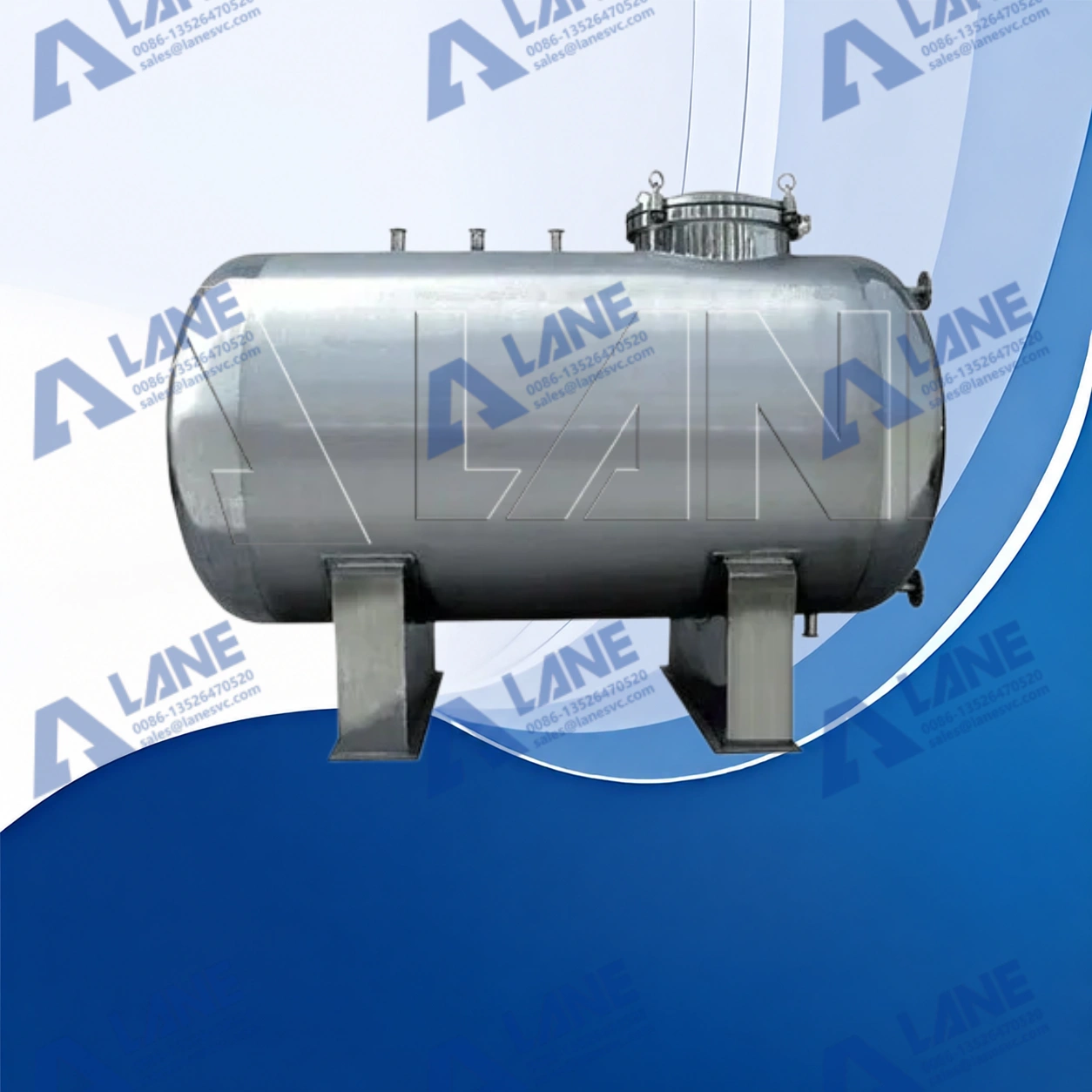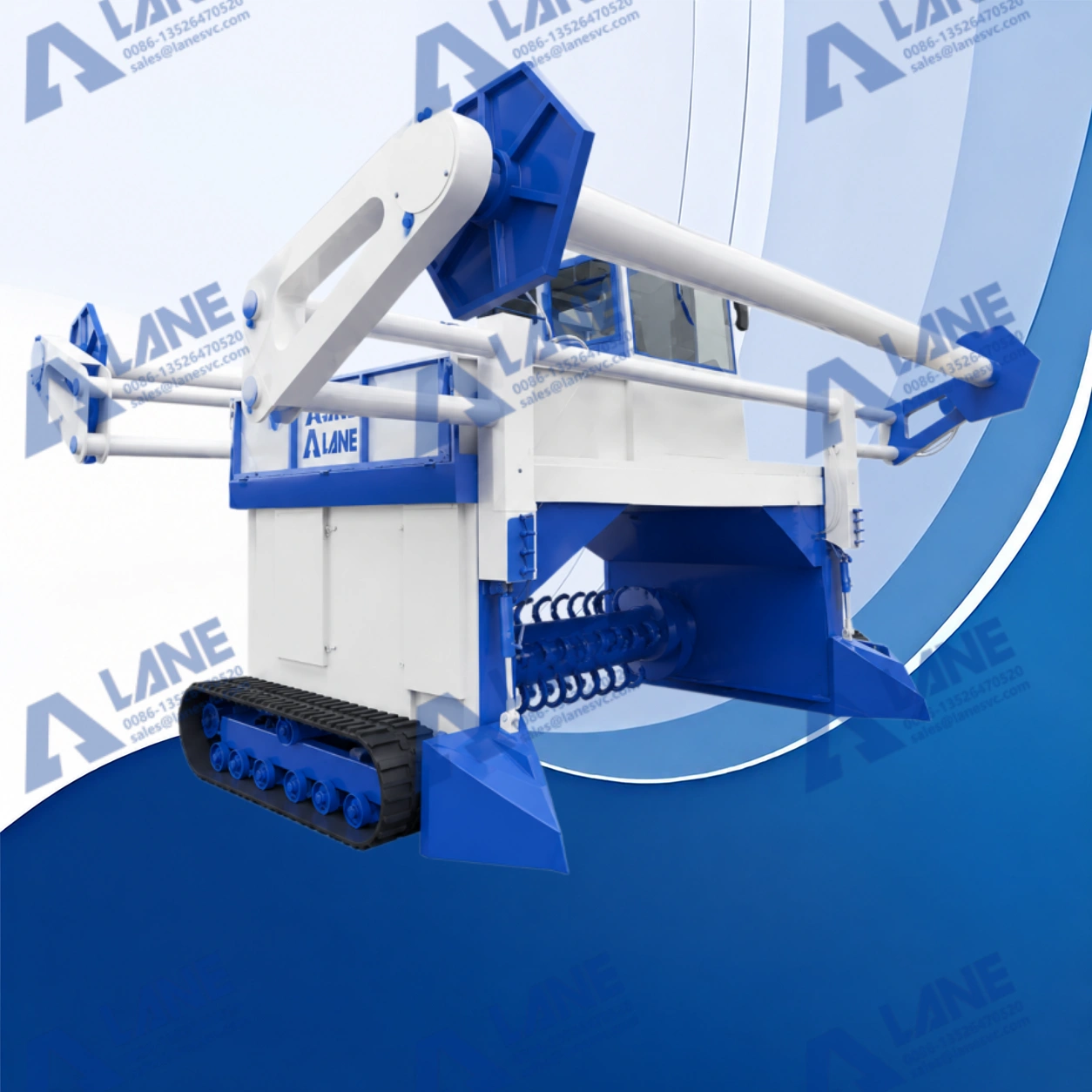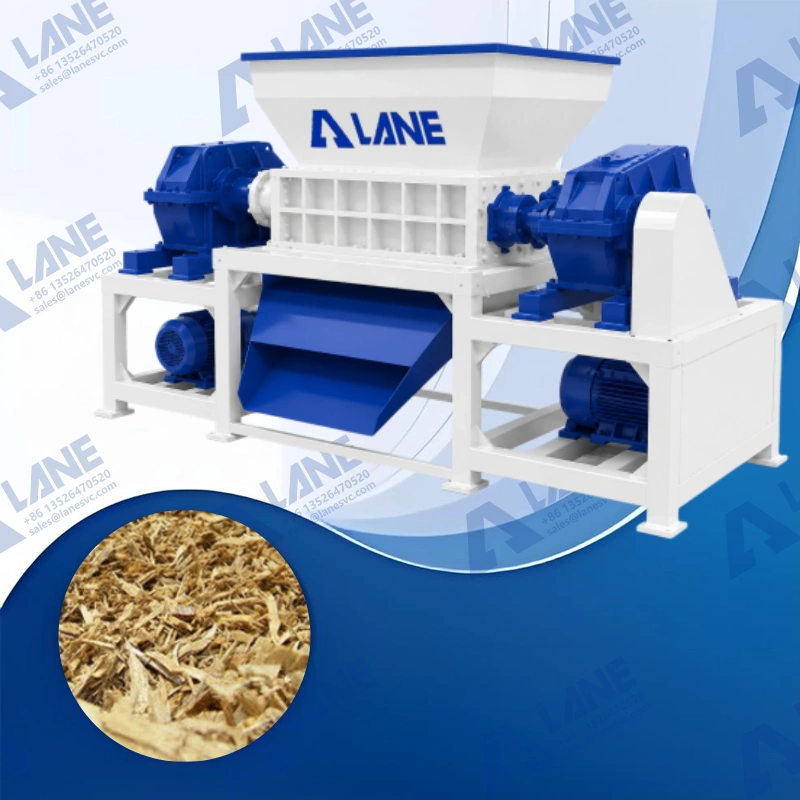
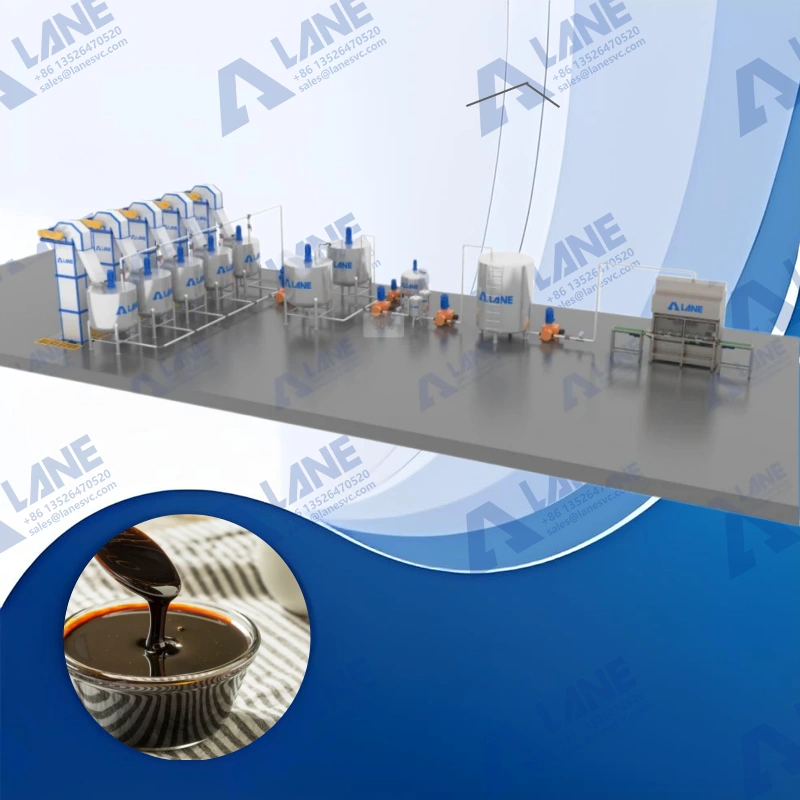
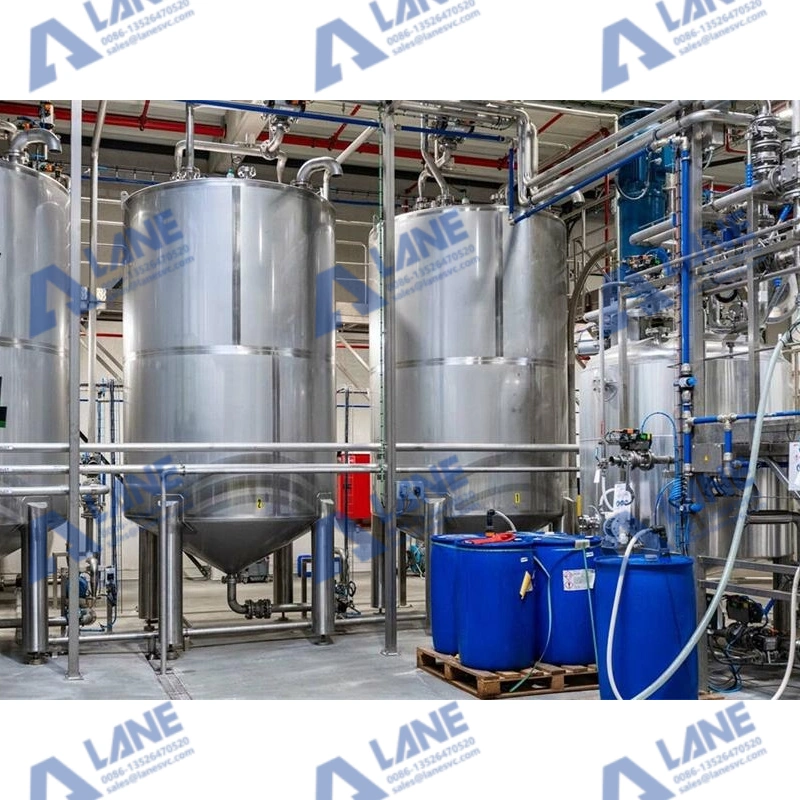
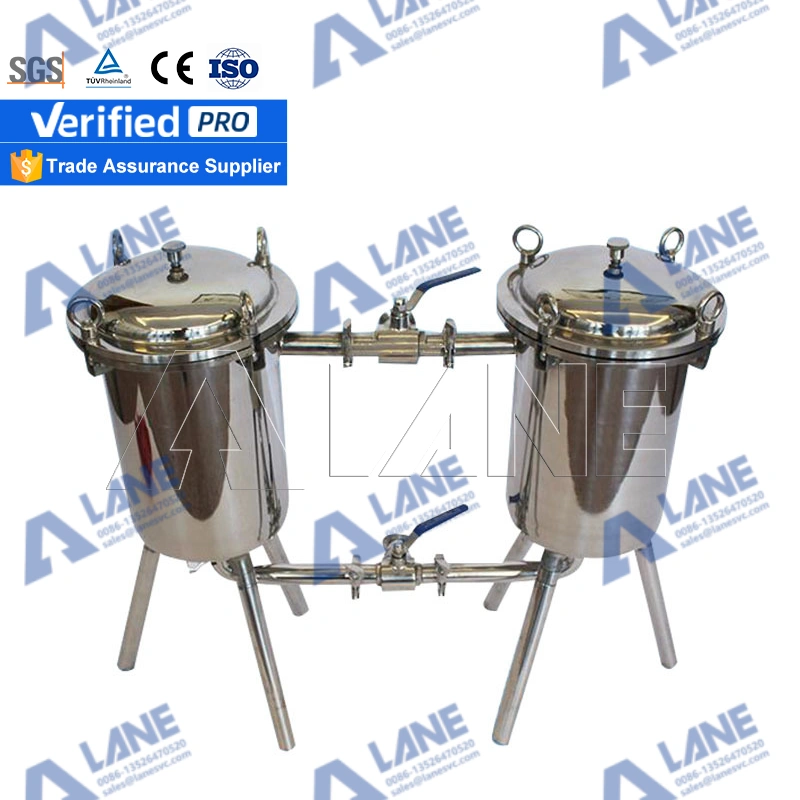
The Microbial Liquid Fertilizer Production Line is designed to produce high-quality bio-based liquid fertilizers containing beneficial microorganisms through raw material preparation, sterilization, inoculation, fermentation, blending, filtration, filling, and packaging processes. The production line ensures high microbial activity, stable product quality, and efficient manufacturing performance. We provide complete turnkey solutions including process design, equipment manufacturing, installation guidance, and technical support.
The Microbial Liquid Fertilizer Production Line is designed to produce high-quality liquid biofertilizers containing beneficial microorganisms through raw material preparation, sterilization, inoculation, fermentation, blending, filtration, filling, and packaging processes. The production line ensures high microbial activity, stable product quality, and efficient production while meeting modern agricultural requirements.
This solution is widely used by biofertilizer manufacturers, agricultural input companies, microbial technology enterprises, fertilizer producers, and research institutions seeking reliable and scalable liquid fertilizer production.
LANE Microbial Liquid Fertilizer Production Line is suitable for processing various microbial and nutrient-rich raw materials, including:
Additional ingredients can also be incorporated during production, such as:
Raw Material Preparation
Microbial cultures, nutrient solutions, and auxiliary materials are accurately measured and prepared according to the production formula.
Sterilization
The fermentation medium and production equipment are sterilized to eliminate harmful microorganisms and ensure a clean production environment.
Inoculation
Selected beneficial microorganisms are introduced into the sterilized culture medium under controlled conditions.
Fermentation
Microorganisms are cultivated in fermentation tanks with automatic control of temperature, pH, dissolved oxygen, and agitation to maximize microbial activity and biomass.
Blending
Fermented microbial broth is blended with functional additives, nutrients, and stabilizers to achieve the desired fertilizer formulation.
Filtration
The finished liquid fertilizer is filtered to remove impurities while maintaining microbial viability and product stability.
Filling and Packaging
The finished microbial liquid fertilizer is automatically filled into bottles, drums, or IBC tanks for storage, transportation, and commercial distribution.
A typical microbial liquid fertilizer production line includes:
Equipment configuration can be customized according to production capacity, microbial strains, product formulation, and factory layout.
LANE provides complete turnkey solutions for microbial liquid fertilizer production projects, including:
Our engineering team can customize the production line according to your microbial strains, production capacity, fertilizer formulation, packaging requirements, and factory layout.
Contact us today to receive a customized process flow, equipment configuration, plant layout drawing, and quotation for your Microbial Liquid Fertilizer Production Line project.

Each fertilizer project has different requirements. Our experienced sales managers and engineers will provide customized equipment selection, process design, and production solutions based on your raw materials, capacity, and production goals.
The cost is not fixed because it depends on production capacity, equipment configuration, automation level, granulation technology, and environmental requirements. To provide an accurate quotation, we need to understand your raw materials, target output, and factory layout before designing a customized solution.
Yes, most organic materials can be processed, including livestock manure (cow, chicken, pig), agricultural waste (straw, rice husk), and organic sludge. However, different materials may require specific pre-treatment and formulation, which we design based on your actual conditions.
If properly designed, odor can be effectively controlled. We use aerobic fermentation systems and can integrate deodorization, dust collection, and spraying systems to ensure compliance with local environmental regulations.
Yes, our turnkey systems are modular and scalable. You can increase production capacity by adding equipment or extending production lines without rebuilding the entire plant.
Price differences are mainly caused by variations in equipment quality, steel standards, automation systems, engineering design, and whether installation and after-sales service are included. Lower prices often exclude full engineering support.

Everything you need to know when looking at different types of organic fertilizer equipment, all in one place.
Copyright © 2026. LANE All rights reserved.