
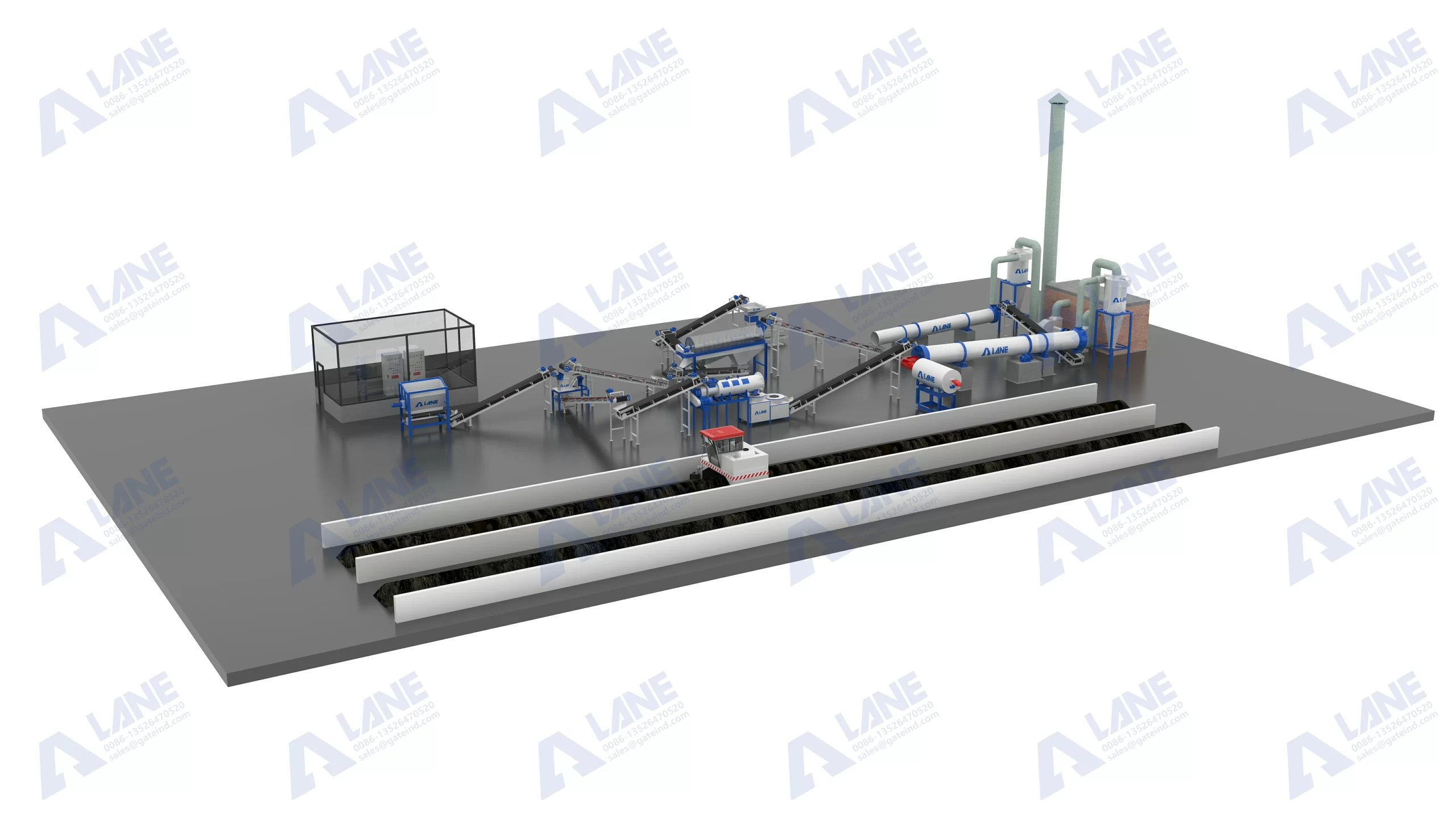
Equipment list for organic fertilizer plant: match each stage from fermentation to granulation and packaging to avoid costly gaps buyers overlook.
Putting together an equipment list for organic fertilizer plant is a process decision, not a parts catalogue. Every stage—from raw-material pre-treatment and fermentation to granulation, drying, screening and packaging—has to work with the moisture, particle size and throughput of your actual feedstock.
This guide is for project owners, plant investors and engineers who want an equipment list for organic fertilizer plant that is complete, correctly sized and priced without the gaps that quietly eat into budgets.
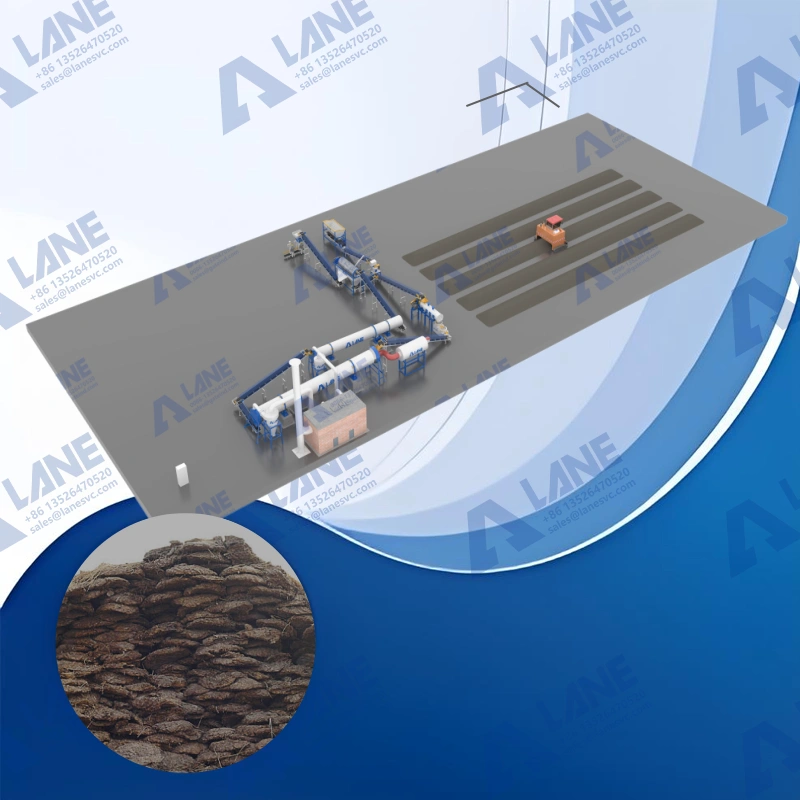
An organic fertilizer plant is a chain: feedstock handling, fermentation, mixing, granulation, drying, cooling, screening and packaging, with conveying and dust control between them.
The equipment list for organic fertilizer plant must cover all of these stages or the bottleneck simply moves downstream. A line that looks cheap on paper often misses the conveyors, elevators and bins that make it run at all.
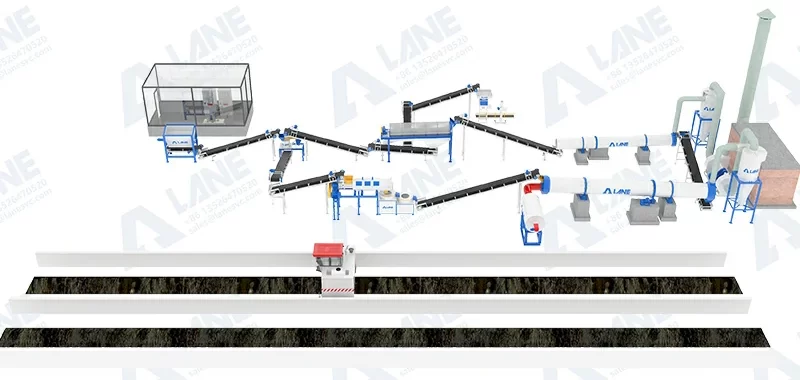
Here is the equipment list for organic fertilizer plant broken down by stage, with the machine that usually fits each step.
|
Process stage |
Core equipment | What it does |
| Pre-treatment | Semi-wet crusher, mixer |
Break manure and green waste to a target size |
|
Fermentation |
Turning machine / rotary drum fermenter | Aerobic composting, controls temperature and odor |
| Mixing & dosing | Vertical or horizontal mixer, dosing system |
Blend amendments and nutrient balance |
|
Granulation |
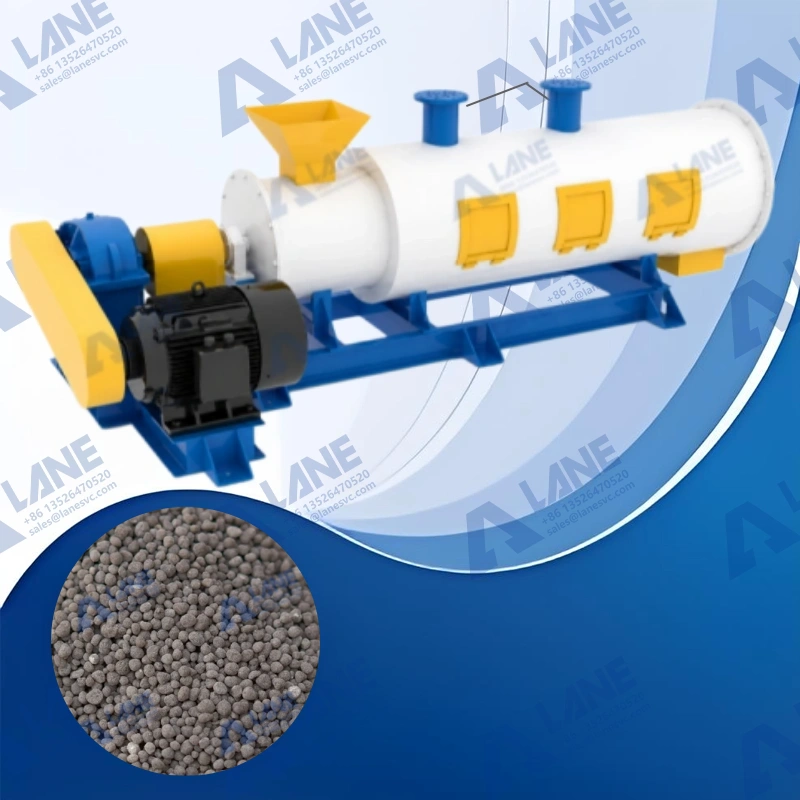
Wet granulator or ring die mill | Form granules from wet or dry conditioned feed |
| Drying | Rotary drum dryer |
Lower moisture for stable storage and bagging |
|
Cooling |
Rotary cooler | Stabilize granules before packaging |
| Screening | Trommel or vibrating screen |
Separate on-spec granules and recycle fines |
|
Packaging |
Automatic bagging machine | Dosed bags at high throughput |
| Conveying & dust | Belt conveyor, elevator, cyclone |
Tie the line together and capture dust |
A complete equipment list for organic fertilizer plant pays off across the whole life of the project.
It keeps each stage matched to the next, so you do not buy an oversized dryer that a small granulator starves.
It simplifies commissioning: fewer interfaces, one vendor to hold accountable. And it lowers lifetime cost, because spares and service come from a single source
In our experience the biggest advantage is predictable output—an integrated list is a plan you can finance and permit, not just a pile of machines.
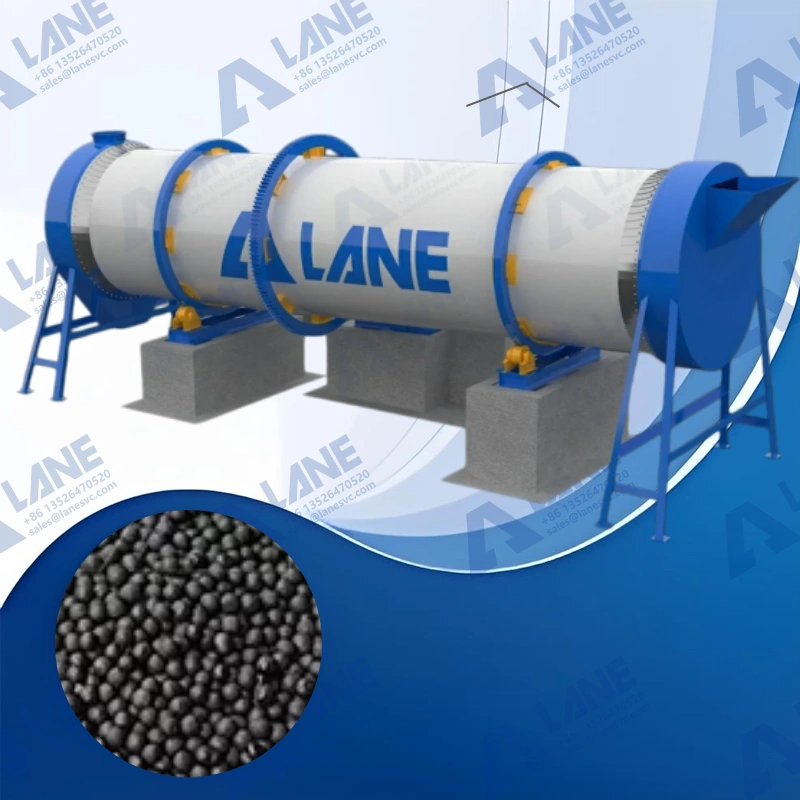
Selection starts with feedstock analysis: moisture, carbon-to-nitrogen ratio, bulk density and target granule size.
These decide the crusher, the fermentation method and the granulator type. As a rule, wet material in the 20 to 40 percent moisture range suits a wet granulator;
drier, pre-conditioned feed suits a ring die mill. Two common mistakes in an equipment list for organic fertilizer plant are sizing the dryer for average load instead of peak moisture, and leaving out fines recycle from screening back into granulation.
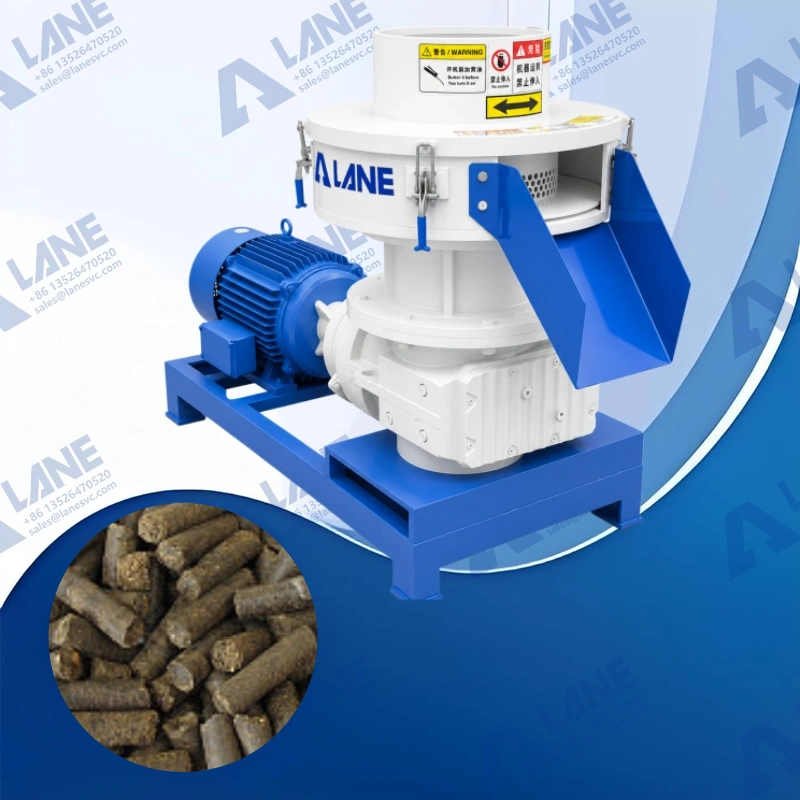
Judging quotes needs numbers, not adjectives.
Compare hourly capacity at a defined product grade, drying capacity against peak moisture, power consumption per ton, and how the supplier proposes to handle fines and dust. These parameters separate an equipment list for organic fertilizer plant that works from one that only looks impressive on paper.
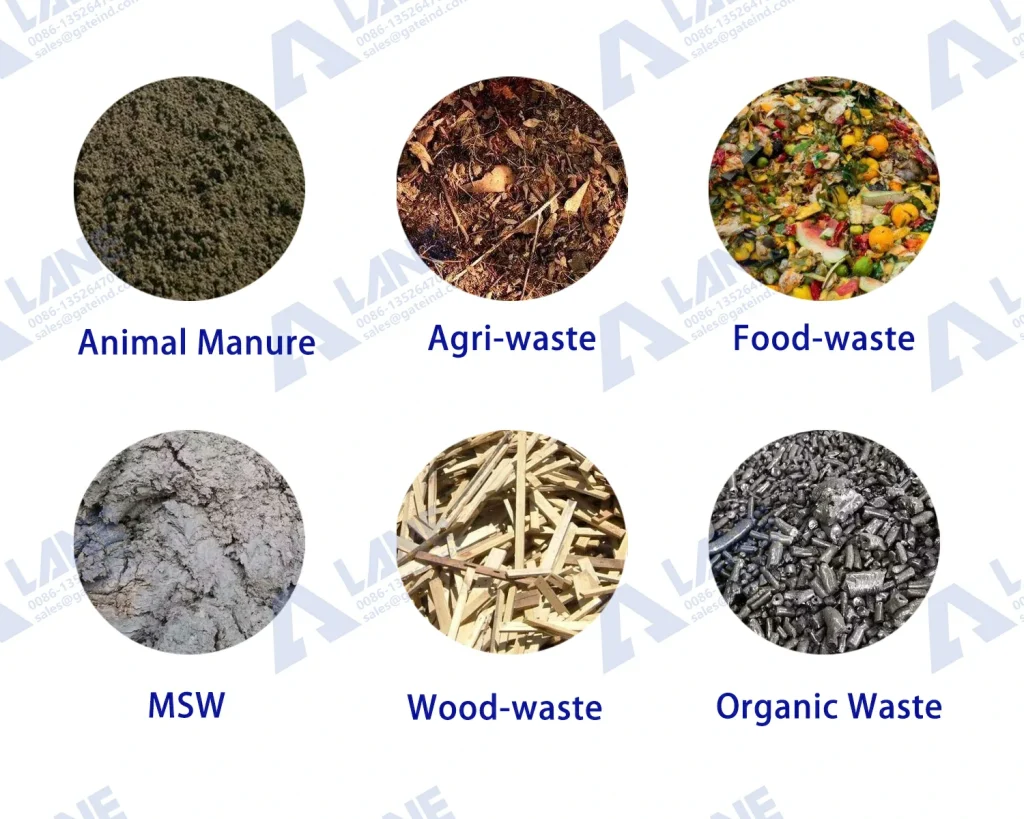
An equipment list for organic fertilizer plant adapts to many feedstocks: pig and cow manure, poultry litter, food and agricultural waste, and specialist streams such as coffee or palm waste.
LANE has delivered lines from a 4 TPH black soldier fly plant in Vietnam to an 18 TPH coffee-waste line in Brazil, which is why the list is always tailored rather than copied.
The process stages stay the same; only the pre-treatment and granulation step changes with the raw material.
Cost follows the list, and the usual omissions are the expensive ones: conveyors and elevators, dust collection, electrical control and spare parts.
A low headline price for the main machines can hide twenty to thirty percent of the real scope. Build the budget stage by stage, include installation and commissioning, and treat a five-year warranty and overseas engineer support as part of the price—LANE includes both on its organic fertilizer projects.
Ask for a mass balance and a process flow diagram matched to your feedstock, a full equipment list for organic fertilizer plant with materials of construction, and references from a plant with a similar raw material.
Certification such as ISO 9001 supports the review, but a working reference and a performance guarantee matter more. Check how the supplier handles commissioning, operator training and spare-part supply after handover.
What machines do I need for an organic fertilizer plant?
It depends on your feedstock and product, but the core equipment list for organic fertilizer plant covers crushing, mixing, fermentation, granulation, drying, cooling, screening and packaging, plus conveyors and dust control.
Do I need a dryer?
Only if your product has to be stored or granulated to a low moisture. Wet granulation reduces the drying load, but bagged organic fertilizer normally still needs drying for stable storage.
Wet granulator or ring die mill?
Wet feed in the 20 to 40 percent moisture range suits a wet granulator; dry, conditioned feed suits a ring die mill. Match the machine to the moisture, not the other way round.
How much does a complete line cost?
There is no universal figure; it depends on capacity, feedstock and scope. Build the budget from a stage-by-stage list and ask suppliers to quote the same scope for comparison.
What should I ask a supplier to provide?
A process flow diagram, a mass balance, a full equipment list for organic fertilizer plant with materials, plus references and a performance guarantee.
The equipment list for organic fertilizer plant is the map of your whole investment.
Get the feedstock analysis first, size each stage against it, include the conveyors and dust control, and ask the supplier to stand behind the list with a process diagram and a plant reference.
Done right, it is the difference between a plant that runs profitably for years and a pile of machines that never quite works.
LANE designs organic fertilizer lines from a single crusher to a full turnkey plant, with 3D engineering, a five-year warranty and overseas installation.

Everything you need to know when looking at different types of organic fertilizer equipment, all in one place.
Copyright © 2026. LANE All rights reserved.
Send A Message