
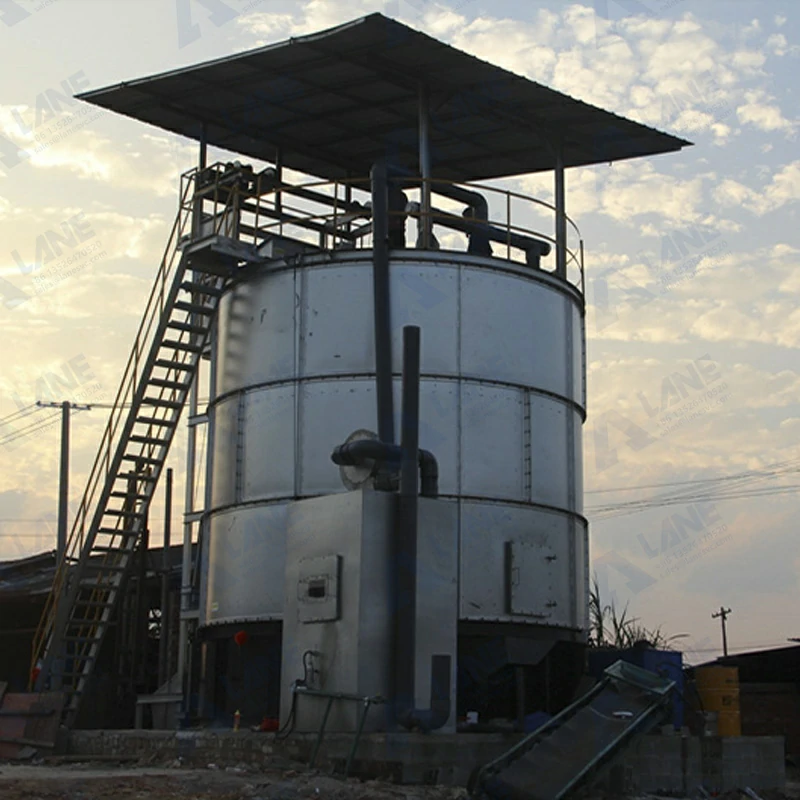
How to ferment organic waste into organic fertilizer: aerobic composting with moisture, carbon ratio and turning. Get a quote today.
Managing a growing pile of organic waste without a plan wastes space, money and time.
How to ferment organic waste is the question every farm and food-processing plant must answer before the pile becomes a cost instead of a product.
Fermentation uses aerobic microbes to break organic material down into stable, harmless and nutrient-rich fertilizer.
With balanced carbon and nitrogen, correct moisture, regular turning and controlled temperature, this process turns waste into a sellable organic fertilizer within days rather than months.
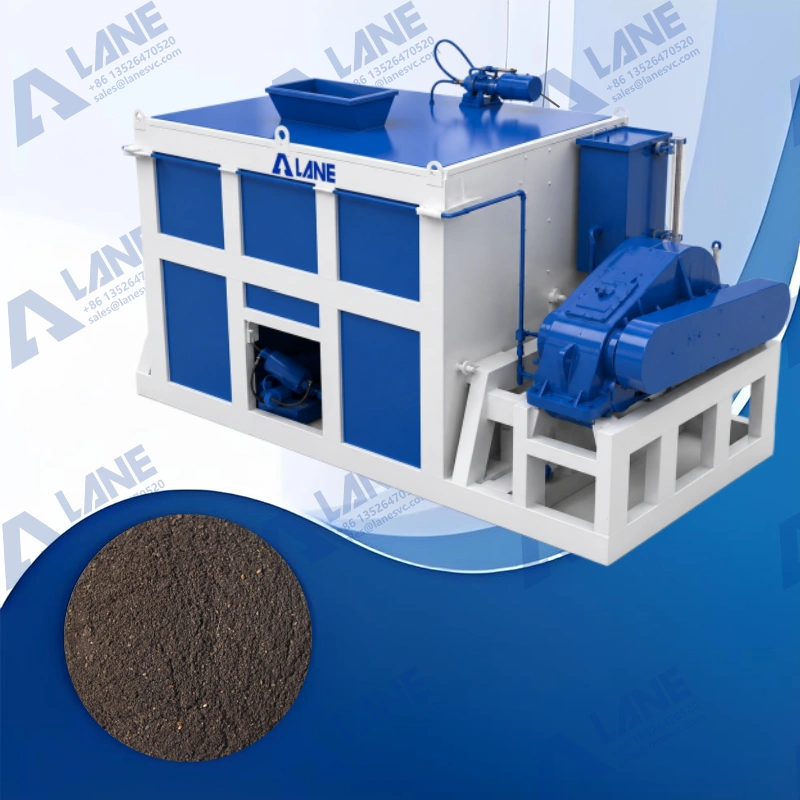
An enclosed, well-run fermenter answers how to ferment organic waste efficiently and reliably. Four benefits stand out.
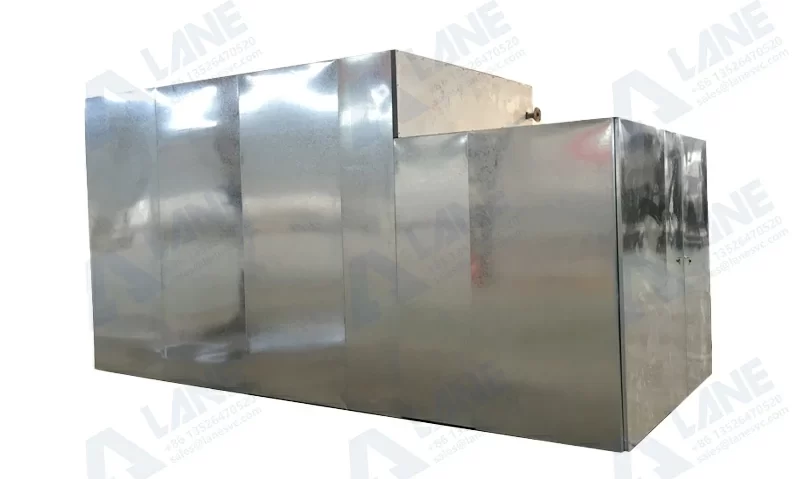
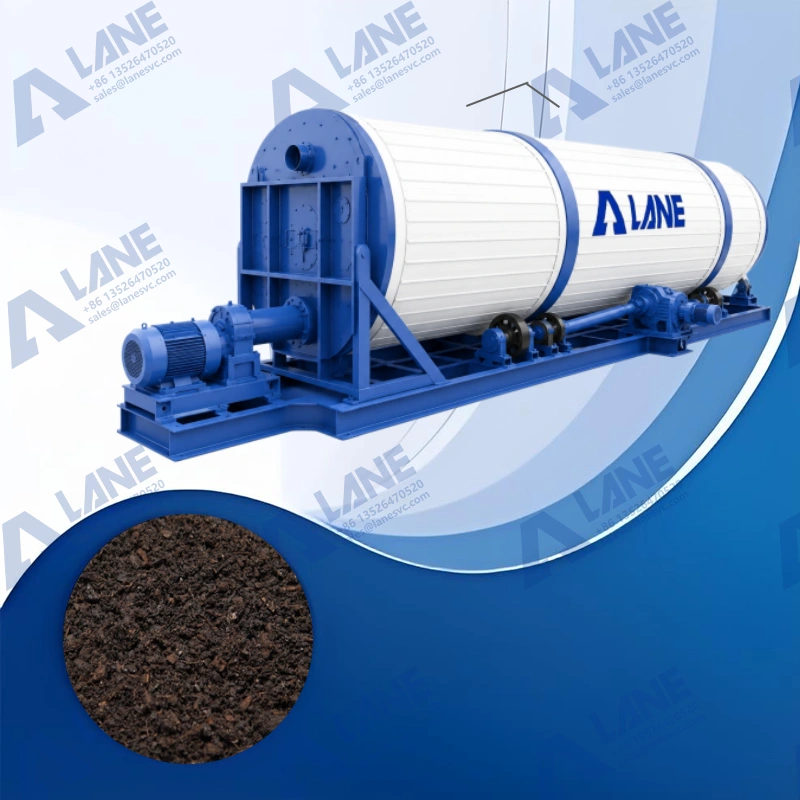
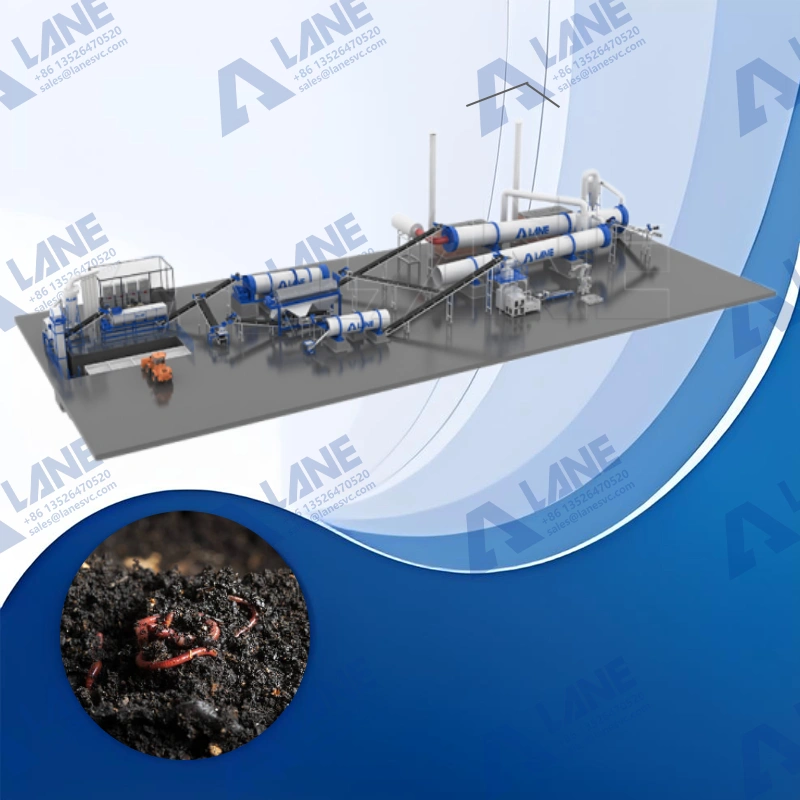
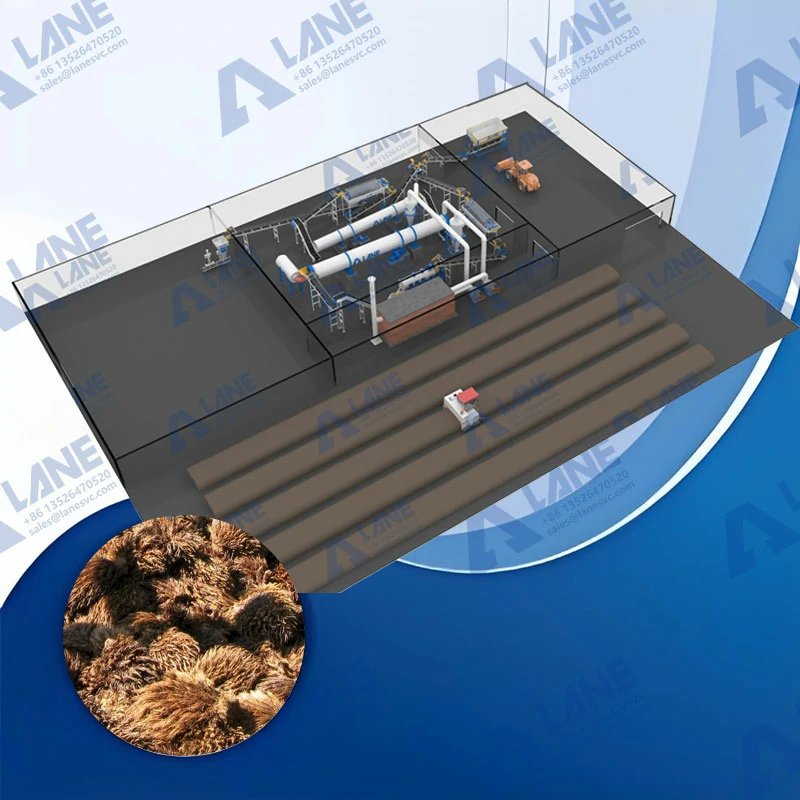
Choosing the right fermenter is how you scale from a backyard batch to industrial output. LANE offers four main options, all CE or CE & ISO certified.
Whatever model you choose, and however you scale how to ferment organic waste, keep four conditions in mind: moisture around 50–60%, a balanced carbon-to-nitrogen ratio, enough oxygen from regular turning, and a thermophilic stage hot enough to kill pathogens.
Microbes digest fastest when the pile is turned often enough for oxygen, and the machine’s sensors keep temperature and humidity in range automatically.
Everywhere organic waste is generated, the same aerobic method applies.
Poultry and pig farms ferment manure into stable fertilizer instead of paying to haul it away. Restaurants and cafeterias use food waste composters to cut disposal volume by 90% and turn scraps into soil amendment.
Municipalities and organic fertilizer plants process food waste, straw and other residues on a commercial scale.
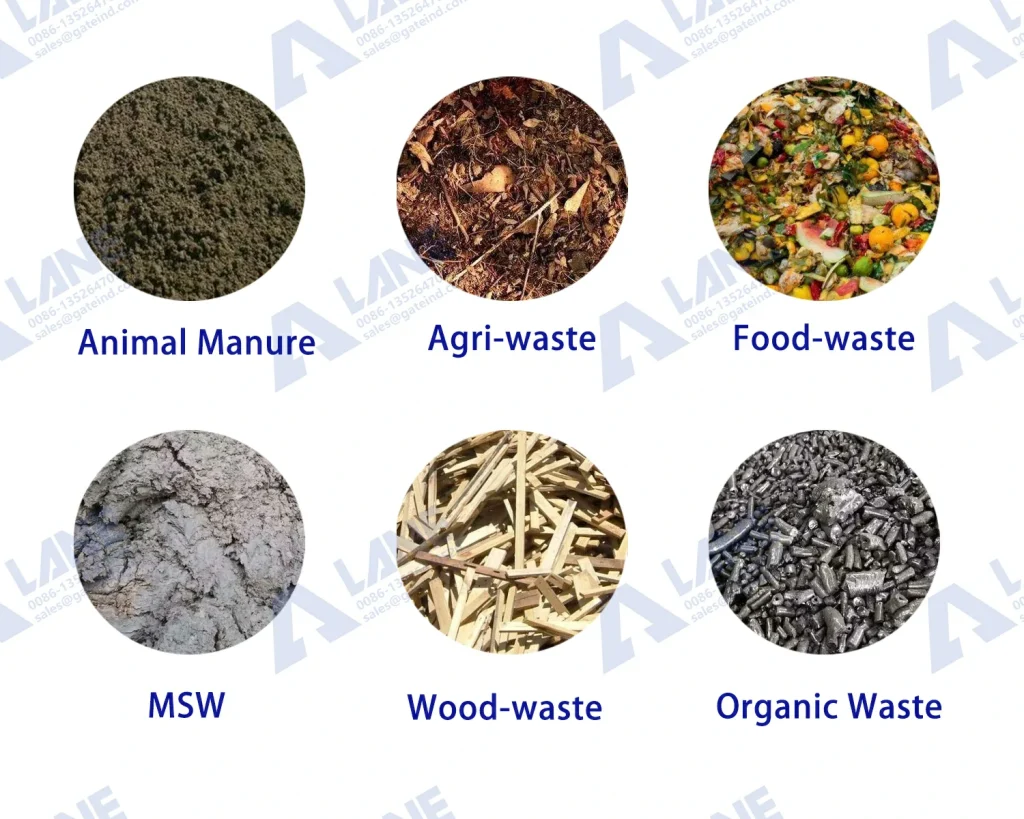
Because a fermentation tank works for livestock manure, kitchen waste and agricultural residues alike, one line serves many waste streams.
The same method works in cold or hot climates: the fermenter simply adjusts turning speed and air supply to hold the right temperature inside the pile.
Q: How long does it take to ferment organic waste?
A: It depends on the method. A commercial food waste composter finishes in 24 hours, a rotary drum fermenter in 5–8 days, and a vertical tank in about 7 days — so how to ferment organic waste fastest is a composter.
Q: What conditions are needed for successful fermentation?
A: Keep moisture near 50–60%, maintain a balanced carbon-to-nitrogen ratio, turn the pile for oxygen and hold a high-temperature stage to kill pathogens. The machine monitors these automatically.
Q: Which waste can be fermented?
A: Livestock and poultry manure, food waste, straw and agricultural residues — all decompose through the same aerobic process.
Q: How do I control odor?
A: Enclosed fermenters keep air in, and aerobic conditions stop the sour, anaerobic smells that open piles produce.
Knowing how to ferment organic waste is the difference between a liability and a repeatable income stream.
With the right tank or drum, the process is fast, clean and almost hands-off, and the finished organic fertilizer is stable and easy to store or sell. Mastering how to ferment organic waste pays off in every ton you process.
Send us your waste type and daily volume to sales@lanesvc.com or message WhatsApp +86 13526470520, and our engineers will recommend the correct fermenter size and layout.
Review our full fermentation equipment series before you decide.
Browse the fermentation tank equipment page for the full series and specifications.

Everything you need to know when looking at different types of organic fertilizer equipment, all in one place.
Copyright © 2026. LANE All rights reserved.
Send A Message