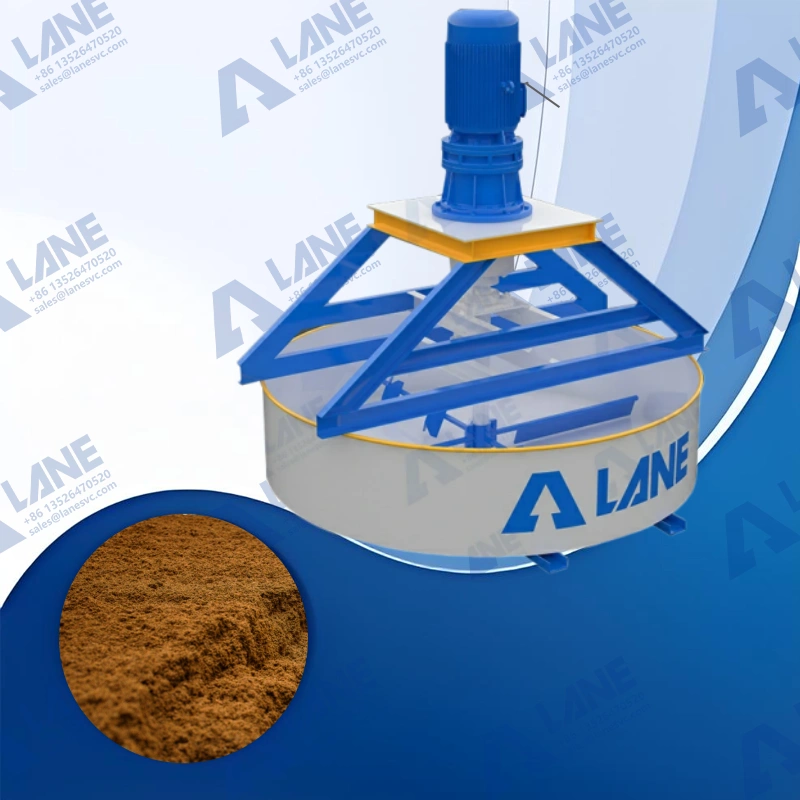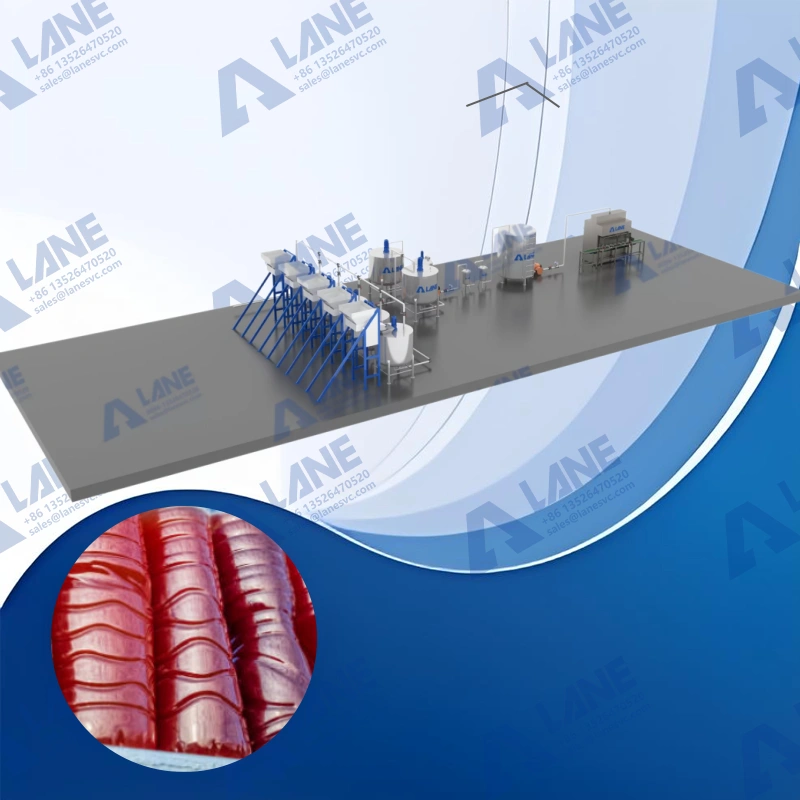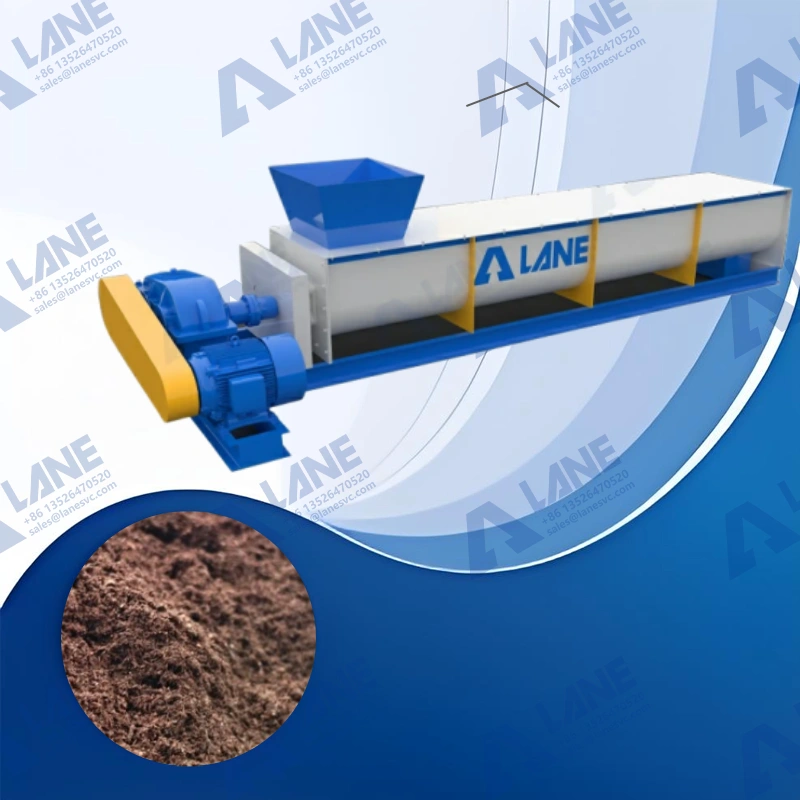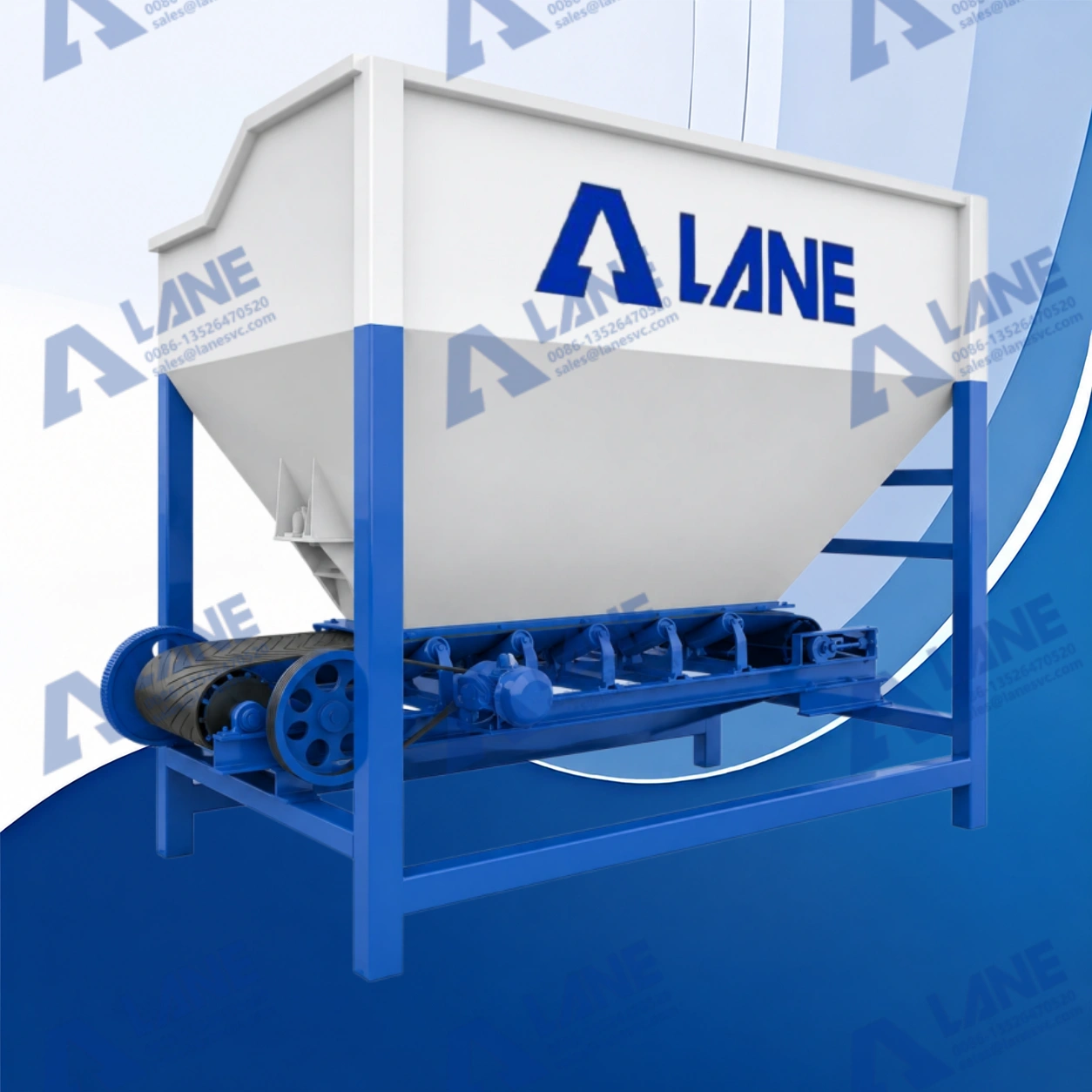
LANE Machinery commercial food waste composter converts kitchen & food waste into organic fertilizer in 24 hours. 90% volume reduction, zero odor, fully automatic. 0.1–10 T/day capacity. CE certified. Get a quote.
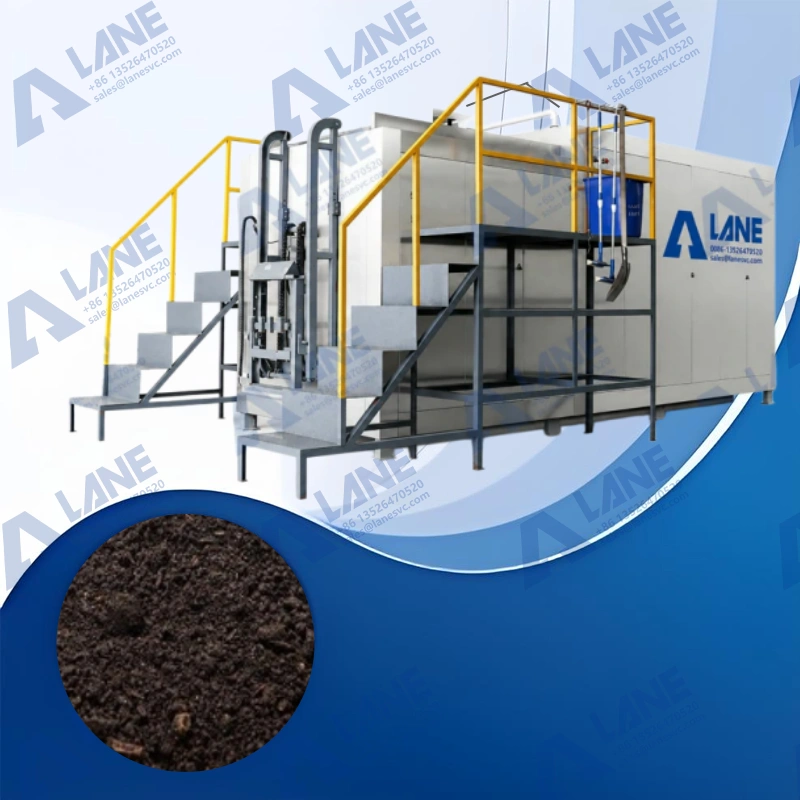
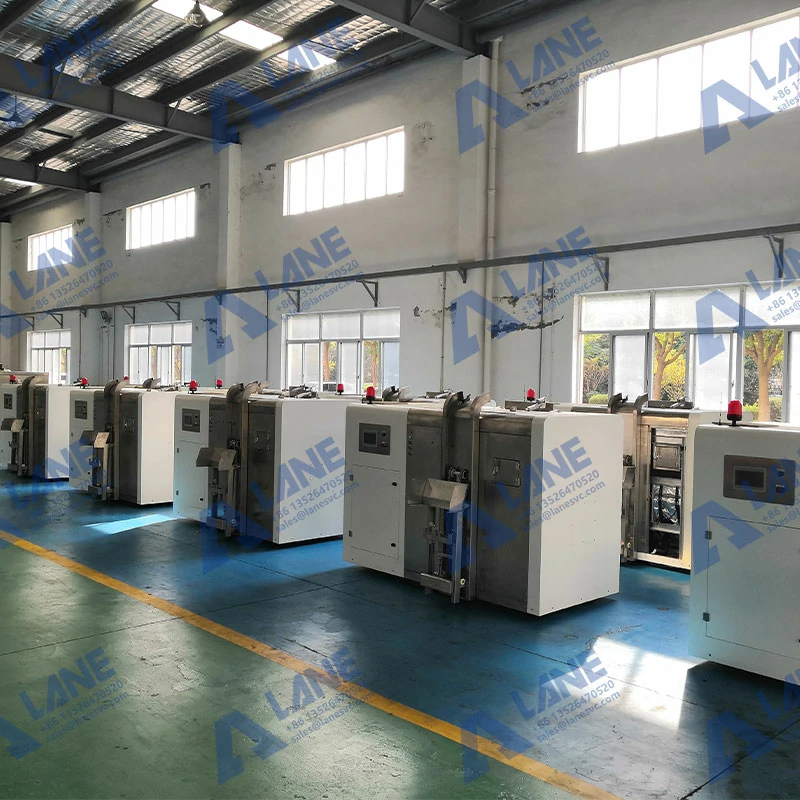
The commercial food waste composter from LANE Machinery is a fully enclosed, automated organic waste recycling system purpose-engineered for restaurants, hotels, cafeterias, food processing plants, supermarkets, and institutional kitchens. It converts food scraps, kitchen prep waste, plate waste, and other organic residues into nutrient-rich compost in as little as 24 hours — achieving up to 90% waste volume reduction at the source.
Unlike traditional “collect and haul” waste management models that send food waste to landfills (generating methane, incurring tipping fees, and requiring diesel truck transport), the LANE commercial food waste composter enables on-site waste valorization — turning a disposal cost center into a resource recovery asset. The finished compost can be used on-site for landscaping, sold as a soil amendment, or supplied to local farms and gardens.
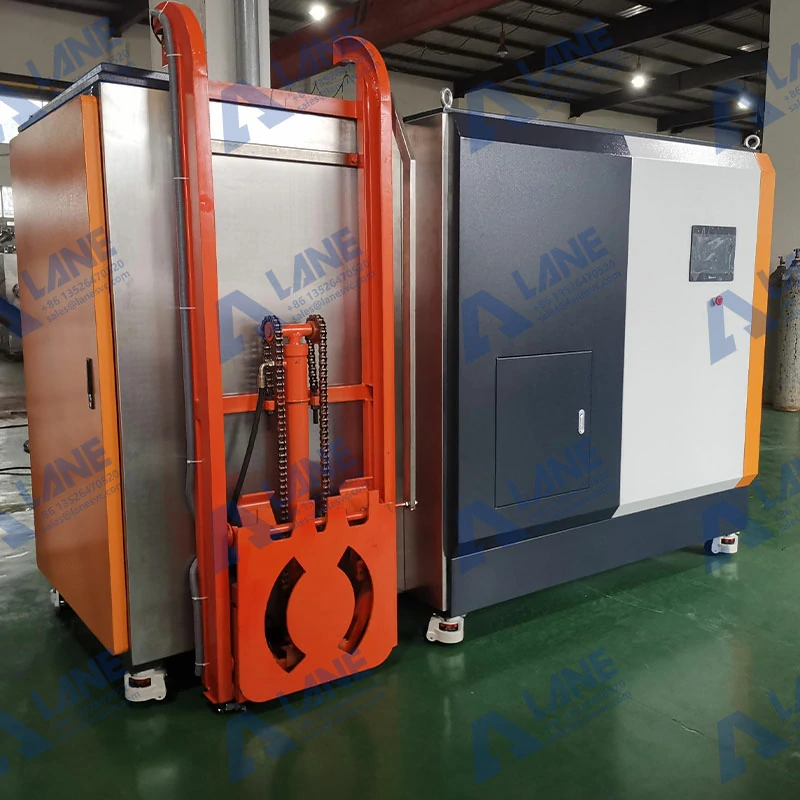
Built with food-grade SUS304 stainless steel and controlled by an intelligent PLC system with touchscreen interface, the composter requires minimal operator training — simply load food waste, press start, and collect finished compost the next day. The integrated biofilter and sealed processing chamber ensure zero odor emission, making the unit suitable for installation in kitchens, loading docks, or outdoor service areas without nuisance to staff or neighbors.
Key Selling Points:
Through optimized microbial inoculation, controlled-temperature aerobic decomposition, and continuous mechanical agitation, the LANE food waste composter converts raw food waste into stable, soil-ready compost in approximately 24 hours — the fastest cycle time in its class. This enables daily “load in the afternoon, collect compost the next morning” operational rhythms.
The combination of microbial decomposition, evaporation, and mechanical processing reduces input waste volume by 83–90%. A facility generating 500 kg of food waste daily will produce only 50–85 kg of finished compost — dramatically cutting storage, handling, and disposal logistics.
The fully sealed processing chamber operates under negative pressure, with all exhaust gases passing through a multi-stage biofiltration system before release. Units can be installed in kitchens, loading bays, or outdoor service areas with no detectable odor — compliant with the strictest health department and environmental regulations.
All product-contact surfaces are fabricated from SUS304 stainless steel, ensuring:
The PLC control system with color touchscreen HMI automates the entire process — temperature regulation, aeration, mixing, moisture control, and cycle timing. Staff simply load waste, close the lid, and press start. No specialized training required.
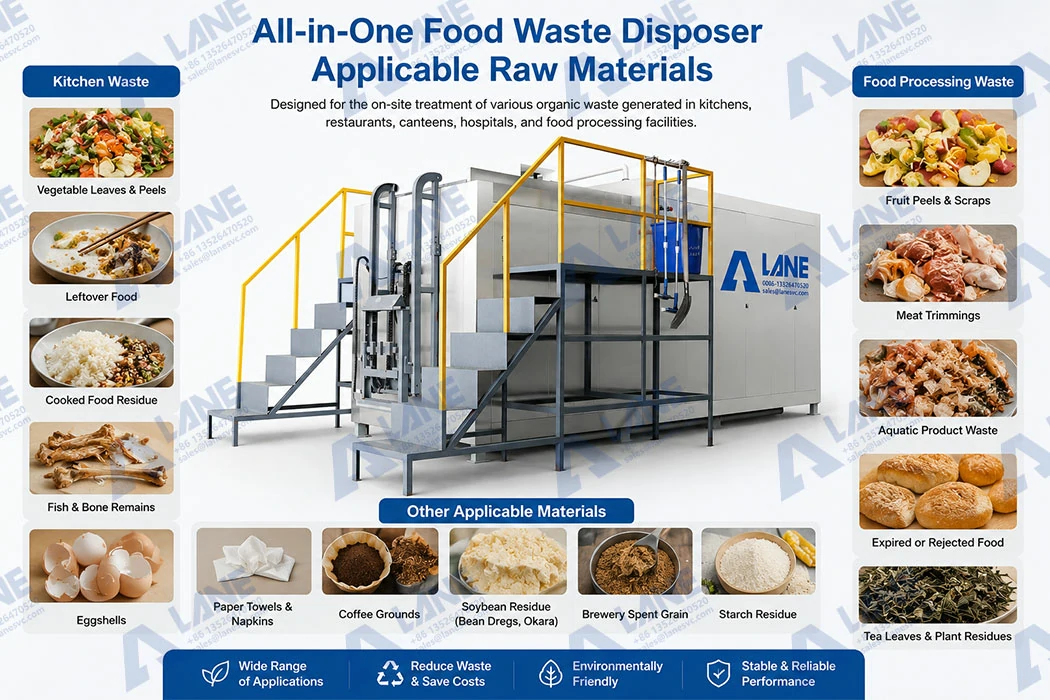
Processes virtually all food and organic waste types:
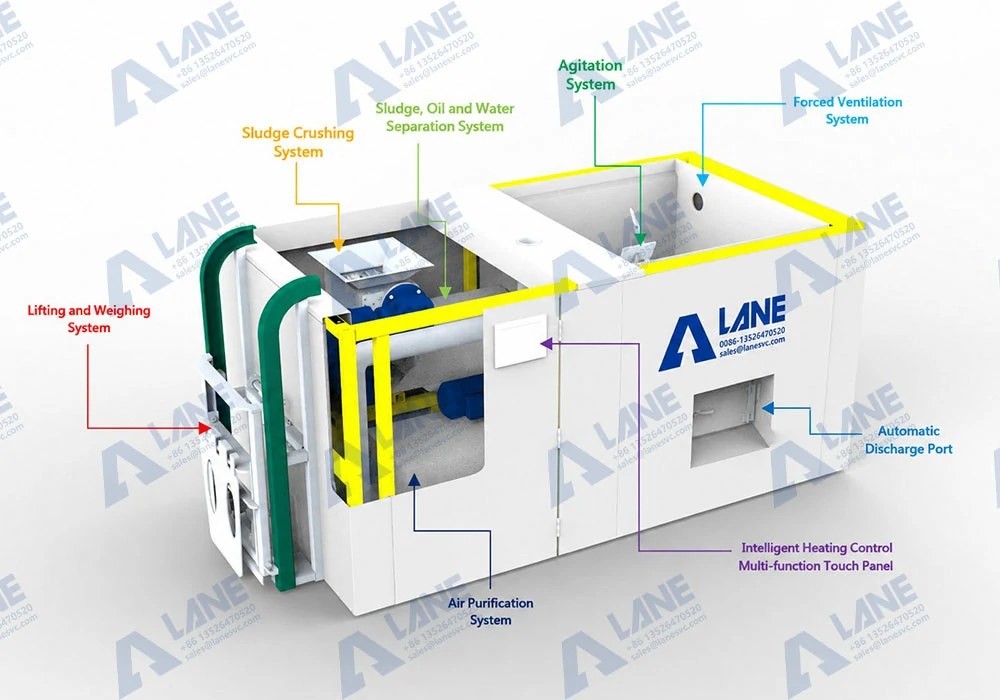
The LANE commercial food waste composter uses aerobic microbial digestion in a controlled
Phase 1: Loading (5–10 minutes) Food waste is deposited into the hopper. A built-in shredder (optional on some models) reduces particle size to accelerate decomposition. A measured dose of microbial inoculant (supplied by LANE) is added — this specialized blend of thermophilic bacteria, actinomycetes, and fungi is optimized for rapid food waste decomposition.
Phase 2: Heating & Decomposition (Hours 1–12) Electric heating elements raise the chamber temperature to 50–70°C — the optimal range for thermophilic microbial activity. The microbes rapidly metabolize carbohydrates, proteins, and fats, generating additional metabolic heat. Moisture evaporates and is condensed or vented through the biofilter.
Phase 3: Agitation & Aeration (Continuous) Internal mixing blades rotate periodically (programmable frequency) to:
Phase 4: Maturation & Cooling (Hours 12–24) As the most readily degradable compounds are consumed, microbial activity naturally slows. Temperature gradually decreases to 30–40°C. The material stabilizes into a dark, crumbly, earthy-smelling compost.
Phase 5: Discharge (5–10 minutes) The finished compost is discharged through a bottom or side port. It can be used immediately for landscaping, soil amendment, or as a feedstock for further organic fertilizer processing (granulation, blending).
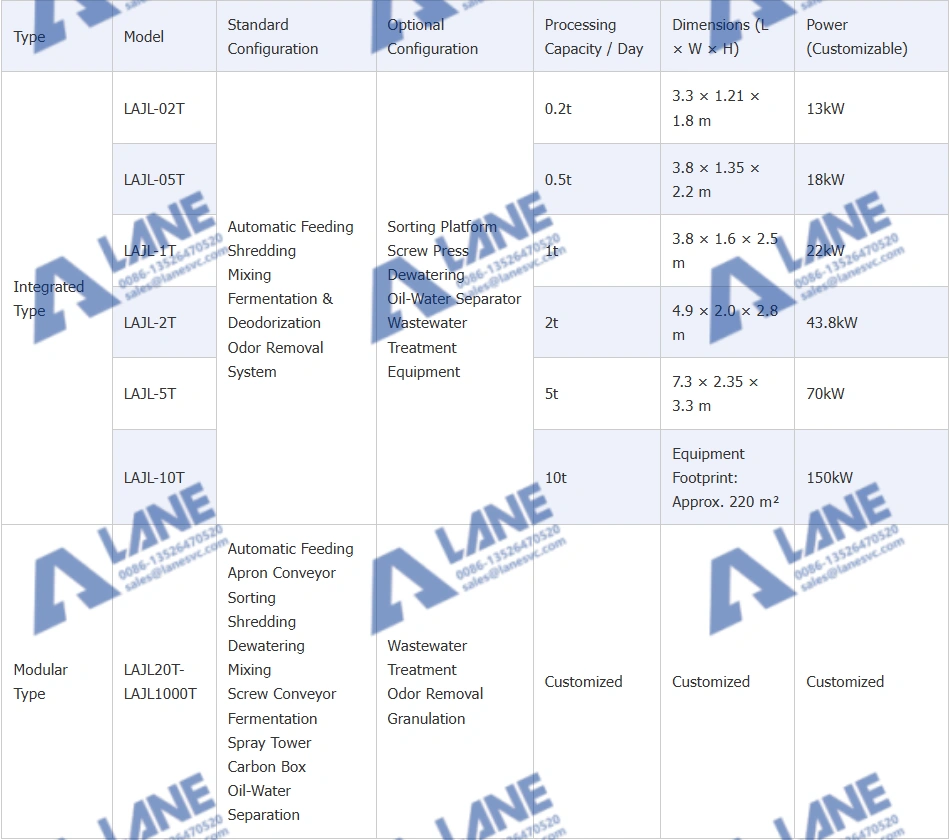
Technical Specifications
| Parameter | Specification |
|---|---|
| Construction Material | SUS304 Stainless Steel (food-contact surfaces) + Q235B Carbon Steel (frame) |
| Processing Temperature | 50–70°C |
| Volume Reduction | 83–90% |
| Input Moisture Limit | Up to 85% (no pre-drying needed) |
| Output Moisture | 20–30% |
| Control System | Siemens PLC + color touchscreen HMI |
| Odor Control | Multi-stage biofilter + activated carbon (optional) |
| Noise Level | ≤65 dB(A) |
| Voltage | 220V (models ≤500 kg/day) / 380V (≥1,000 kg/day) |
| Optional Equipment | Built-in shredder, automatic lifting/tipping hopper, condensate treatment, remote IoT monitoring |
| Certification | CE, ISO 9001 |
| Warranty | 1–2 years |
Custom configurations available. Units can be adapted for specific waste streams (high-moisture, high-fat, high-fiber), automated loading systems, and integration with existing waste handling infrastructure.
| Sector | Typical Facility | Daily Waste Generated |
|---|---|---|
| Hotels & Resorts | 100–500 room properties | 200–1,000 kg/day |
| Restaurants & Catering | Full-service, banquet, cafeteria | 50–500 kg/day |
| Hospitals & Healthcare | 200–1,000 bed facilities | 300–2,000 kg/day |
| Universities & Schools | Campus dining halls | 200–2,000 kg/day |
| Supermarkets & Grocery | Produce, bakery, deli departments | 100–1,000 kg/day |
| Food Processing Plants | Fruit/vegetable, meat, dairy, beverage | 1,000–10,000+ kg/day |
| Corporate Campuses | Employee cafeterias | 100–500 kg/day |
| Military Bases | Mess halls, commissaries | 500–5,000 kg/day |
| Airports & Transportation Hubs | Terminal food courts | 500–3,000 kg/day |
| Municipal Programs | Community composting drop-off centers | 1,000–10,000+ kg/day |
The commercial food waste composter serves a dual-purpose role in the circular economy:
For facilities whose primary goal is waste diversion and disposal cost reduction, the composter operates independently — reducing food waste volume by 90% and producing compost that can be used on-site for landscaping, donated to community gardens, or sold locally.
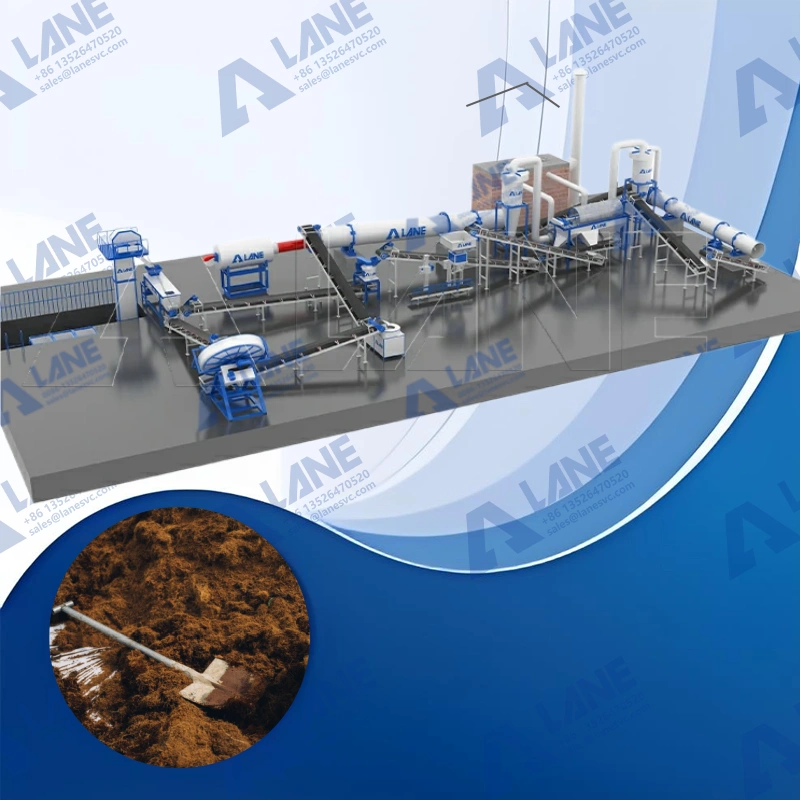
For operations producing organic fertilizer at commercial scale, the food waste composter serves as the pre-treatment stage:
[Commercial Food Waste Composter] → [Crusher] → [Mixer + NPK Enrichment] → [Granulator]
          ↓                              ↓                ↓                     ↓
    24-hr pre-composting          Particle size      Nutrient             Pelletized
    & volume reduction            reduction          balancing            organic fertilizer
          ↓                              ↓                ↓                     ↓
[Rotary Dryer] → [Cooler] → [Screener] → [Coating Machine] → [Auto Bagging]
Food waste-derived compost is particularly valuable in fertilizer blends because it typically contains higher nitrogen and organic matter content than manure-based compost, enhancing the NPK profile of the final product.
Q1: What types of food waste CANNOT be processed?
The composter is designed for organic food waste. Do not add: plastics (including “biodegradable” plastics unless certified compostable and confirmed compatible), metals, glass, ceramics, large bones (pre-shredding required), excessive cooking oil (small amounts are fine), and non-food chemicals. A simple sorting guide and staff training materials are provided with each unit.
Q2: How much compost does the machine produce?
On average, 100 kg of food waste produces 10–17 kg of finished compost (83–90% volume/mass reduction). The exact ratio depends on the moisture and composition of your waste stream. High-water-content waste (e.g., melon rinds, soup) produces less solid compost; dry waste (bread, rice) produces more.
Q3: Is there any odor during operation?
No detectable odor during normal operation. The sealed chamber, negative-pressure ventilation, and multi-stage biofilter ensure that no odors escape. Brief odor may be noticeable when opening the loading lid, but this dissipates within seconds. Units are routinely installed in working kitchens without complaints.
Q4: What is the microbial inoculant, and how often do I need to buy it?
The inoculant is a proprietary blend of naturally occurring thermophilic bacteria, actinomycetes, and fungi optimized for rapid food waste decomposition. It is supplied as a dry powder. Usage rate is approximately 0.1–0.3% of waste weight (100–300 g per 100 kg of waste). LANE Machinery supplies the inoculant and can ship replenishment batches globally.
Q5: What maintenance is required?
Daily: Wipe down exterior surfaces, empty compost collection bin. Weekly: Inspect and clean biofilter pre-screen, check mixing blades for debris buildup. Monthly: Lubricate bearings, inspect door seals, deep-clean chamber interior. Quarterly: Replace biofilter media (frequency depends on usage volume). Full maintenance schedule and checklists provided.
Q6: Can the finished compost be used immediately on plants?
Yes — with one caveat. The compost is fully stabilized and pathogen-free, but it is concentrated and should be mixed with soil at a ratio of approximately 1:3 to 1:5 (compost:soil) for direct plant application. Alternatively, it can be cured for an additional 2–4 weeks in a ventilated pile for a milder, more forgiving product.
Q7: Is staff training provided?
Comprehensive training is included with every purchase — covering daily operation, loading best practices, maintenance procedures, and troubleshooting. Training is delivered on-site during commissioning (where applicable) or via detailed video tutorials and an illustrated operations manual. Refresher training is available upon request.
Q8: How loud is the machine during operation?
Operating noise level is ≤65 dB(A) — comparable to a commercial dishwasher. The primary sound sources are the mixing motor and ventilation fan. Units can be installed in working kitchens without disruptive noise levels.
Q9: What happens if the machine breaks down?
LANE Machinery provides remote diagnostic support via video call as the first line of response — many issues can be resolved without an on-site visit. For mechanical issues, we guide local maintenance staff through repairs using the provided tool kit and spares. For critical failures covered under warranty, replacement parts are dispatched via express shipping, and on-site service engineer deployment is available.
Q10: Can the composter handle compostable packaging and serviceware?
Yes — certified compostable (EN 13432 / ASTM D6400) items such as bagasse plates, PLA cups, and paper food containers can be processed. However, these items decompose more slowly than food waste. We recommend confirming compatibility with our technical team for your specific compostable product types.
Q11: How is the equipment shipped and installed?
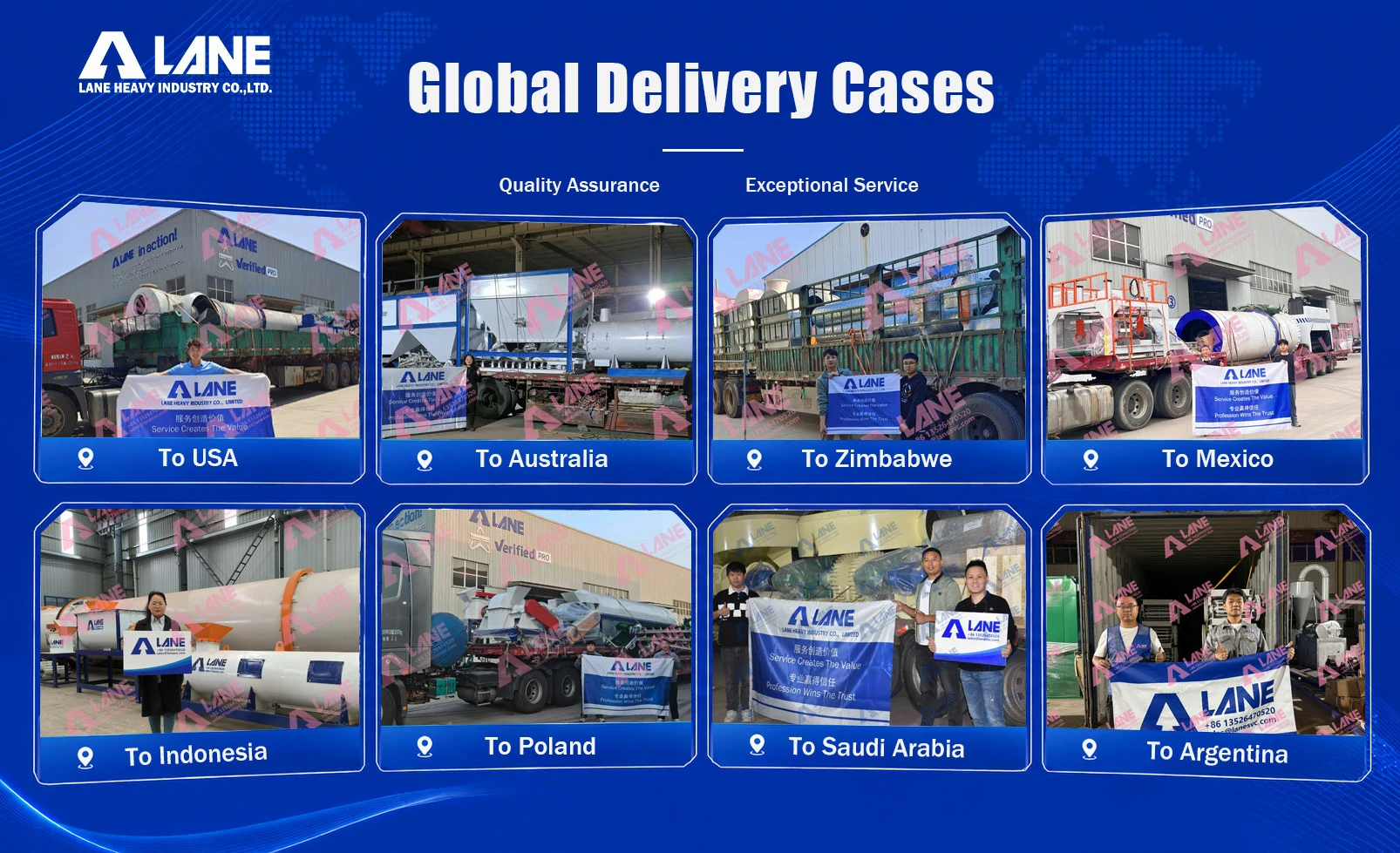
The composter ships as a fully assembled unit in a crate. Installation typically requires only: a level floor, an electrical connection (220V or 380V as specified), and a dedicated circuit breaker — similar to installing a large commercial kitchen appliance. LANE Machinery provides installation drawings and remote video support. For larger industrial models (≥2,000 kg/day), on-site commissioning by a LANE engineer is recommended.
HENAN LANE HEAVY INDUSTRY MACHINERY TECHNOLOGY CO., LTD. brings industrial-grade manufacturing expertise to the food waste management sector:
Contact LANE Machinery for:
LANE Machinery — Closing the Loop on Food Waste.


Everything you need to know when looking at different types of organic fertilizer equipment, all in one place.
Copyright © 2026. LANE All rights reserved.