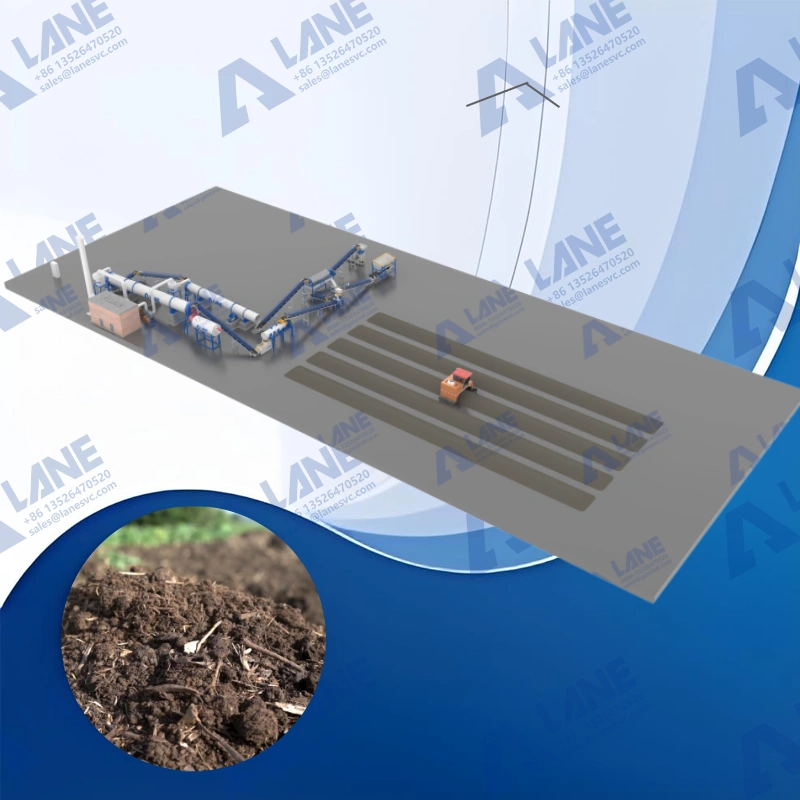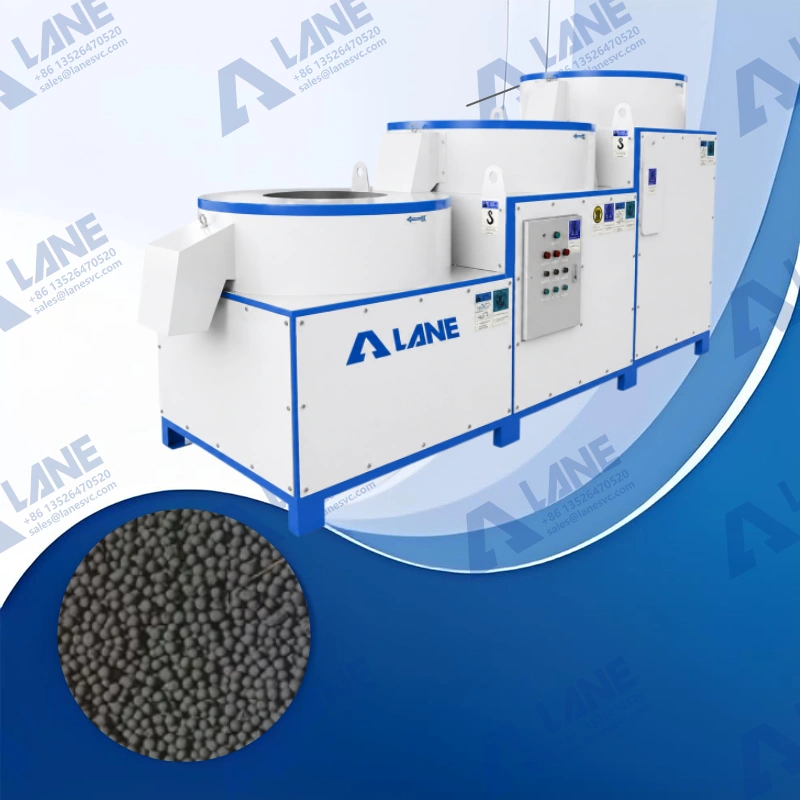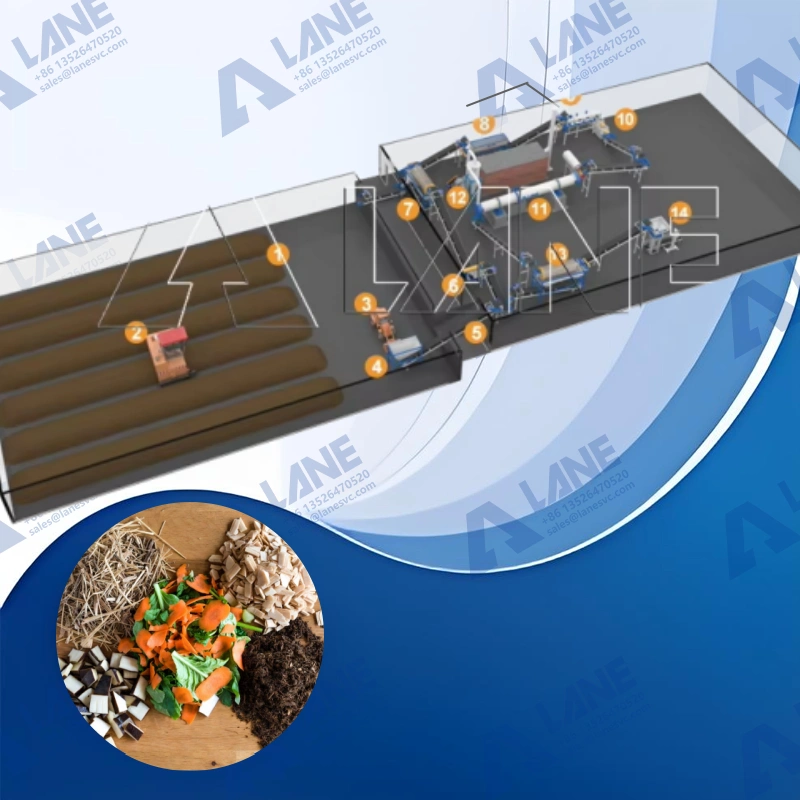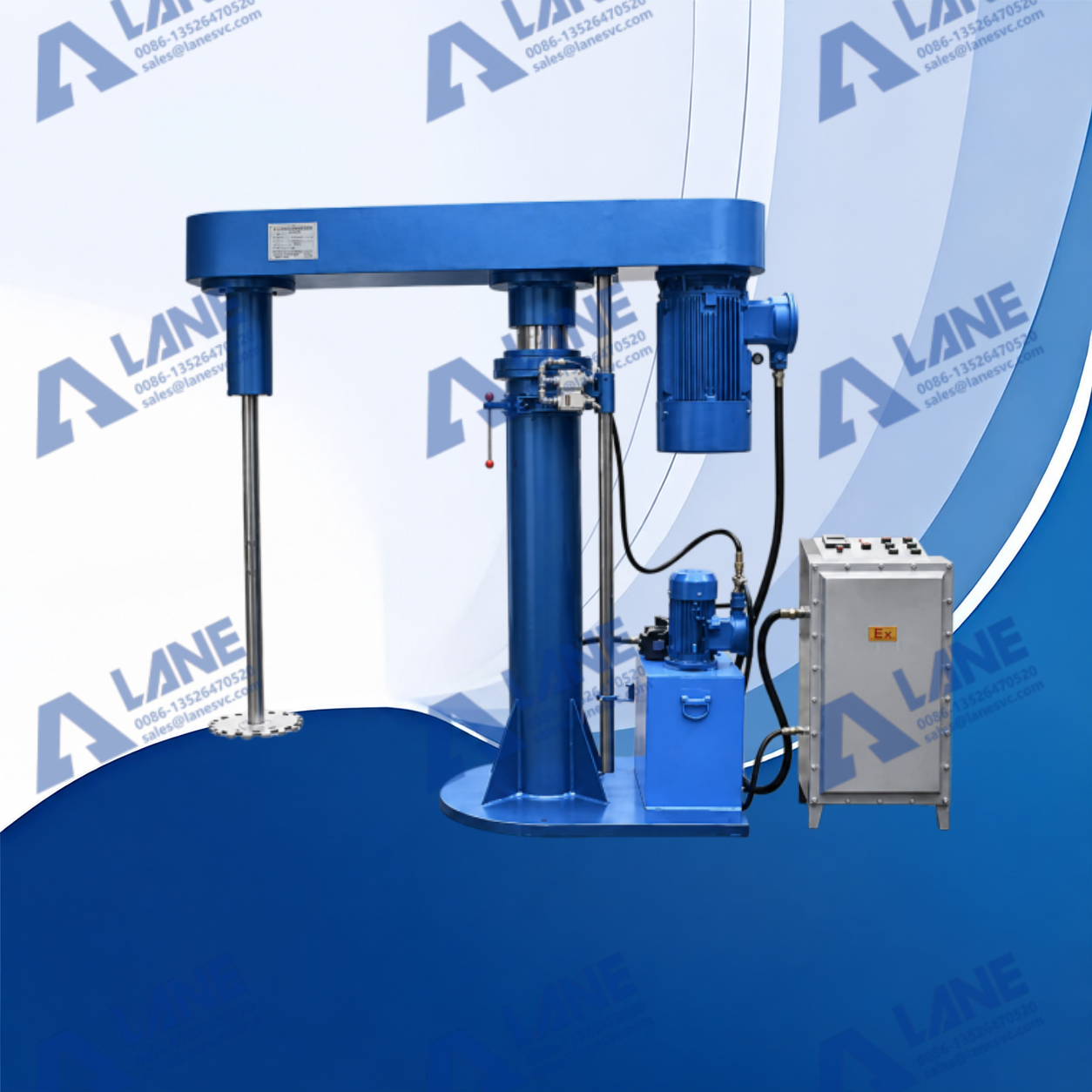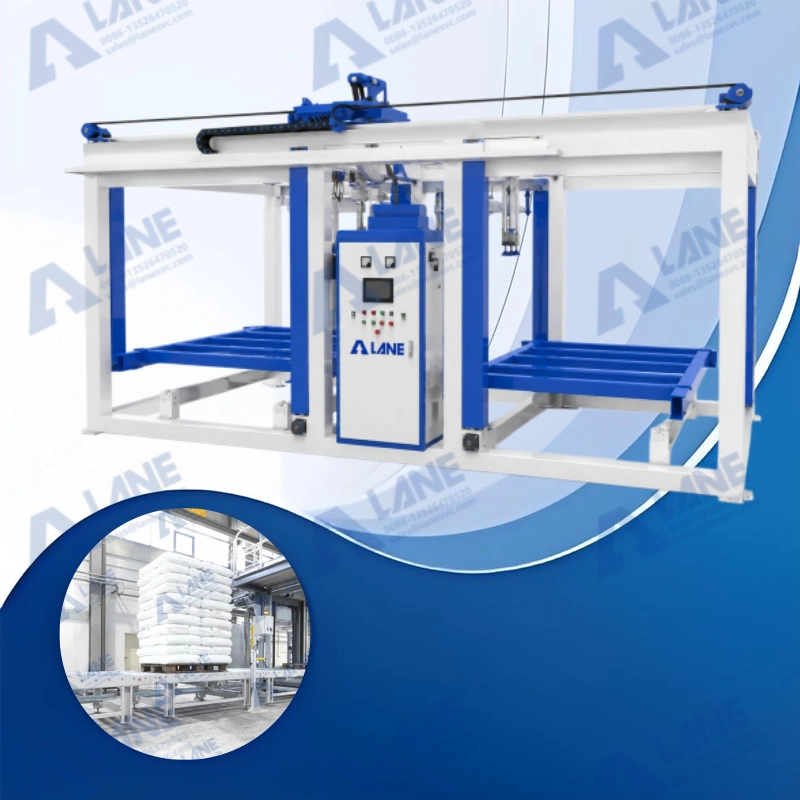
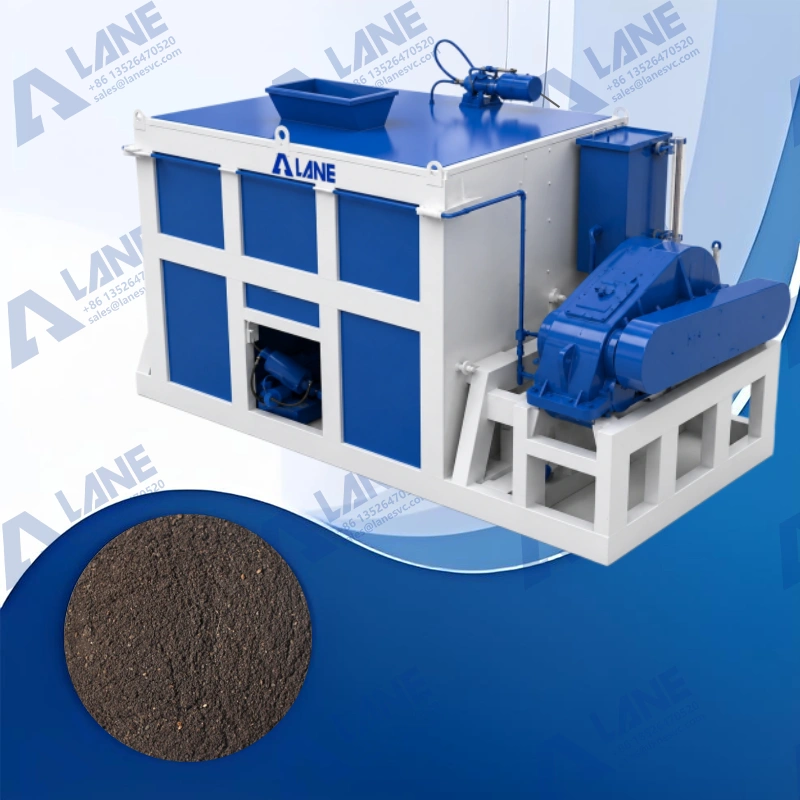
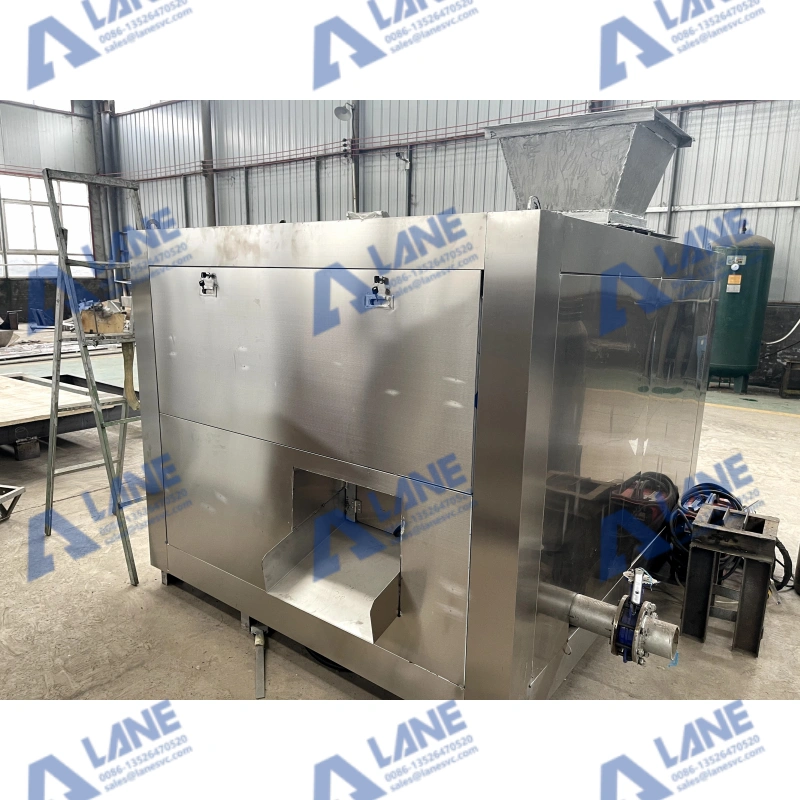
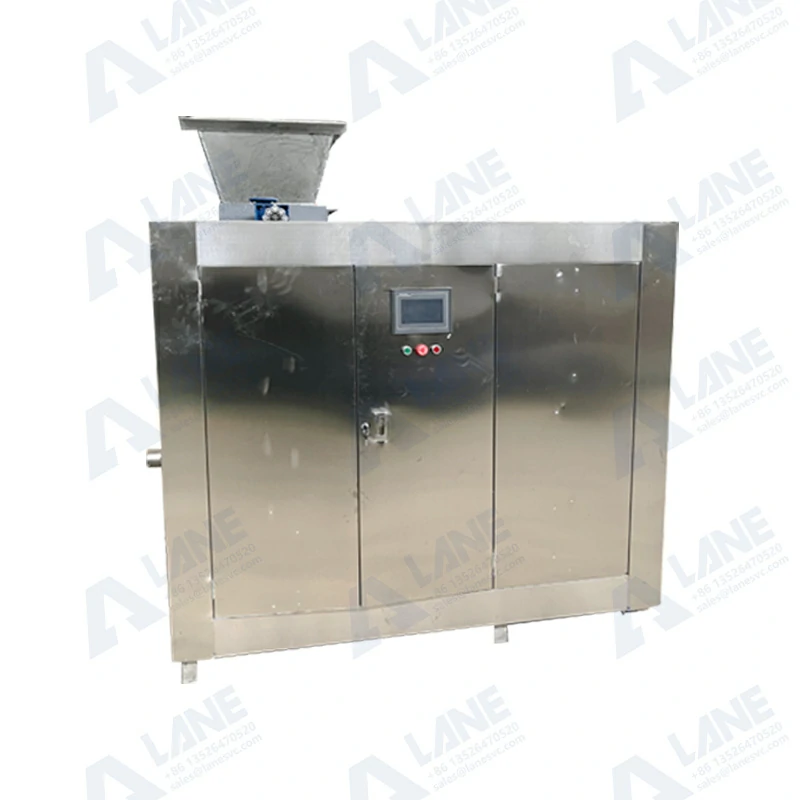
LANE Machinery horizontal fermentation tank delivers high-temperature aerobic composting in as fast as 3–10 hours. Closed, automated, odor-free design for animal manure, food waste & crop residue. CE certified. Get a quote today.
The horizontal fermentation tank from LANE Machinery is a fully enclosed, high-temperature aerobic composting system engineered for the rapid conversion of organic waste into nutrient-rich, pathogen-free compost. Designed as the cornerstone of modern organic fertilizer production lines, this equipment processes animal manure (chicken, pig, cow, sheep), crop residues, food waste, mushroom residue, and other organic materials in a fraction of the time required by traditional composting methods.
Built with industrial-grade stainless steel and equipped with an intelligent PLC control system, the horizontal fermentation tank achieves complete harmless treatment within 3–10 hours and full fermentation maturity within 7 days — compared to 40–60 days for conventional open windrow composting. Its horizontal, closed-tank architecture minimizes footprint (as little as 10 m²) while maximizing throughput, making it ideal for fertilizer manufacturers, large-scale farms, composting plants, and waste management facilities worldwide.
Key Selling Points:
1. High-Temperature Aerobic Fermentation
The tank maintains a controlled thermophilic environment at 60–100°C, effectively killing pathogens, weed seeds, and insect eggs. This ensures the final compost meets stringent biosecurity standards (NY/T 525-2021) for commercial organic fertilizer.
2. Rapid Processing Speed
Unlike traditional composting that takes 40–60 days, the horizontal fermentation tank completes harmless treatment in 3–10 hours and produces mature compost in approximately 7 days. This speed translates directly to higher throughput and faster ROI.
3. Fully Enclosed, Zero-Pollution Design
The sealed tank body with an integrated biological deodorization system eliminates odor emissions, dust, and wastewater discharge — ensuring compliance with the most stringent environmental regulations. No secondary pollution, no neighbor complaints.
4. Intelligent Automation
A PLC-based control system monitors and adjusts temperature, humidity, and oxygen levels in real time. A single operator can manage the entire fermentation process, dramatically reducing labor costs.
5. Climate-Adaptive Heating System
Equipped with electric heating rods and a thermal oil jacket, the tank maintains optimal fermentation temperature even in freezing conditions. This enables year-round operation regardless of climate — a critical advantage over seasonal open-air composting.
6. Corrosion-Resistant Construction
The tank interior is fabricated from 304 stainless steel, providing exceptional resistance to the corrosive organic acids produced during fermentation. This extends service life to 10+ years with minimal maintenance.
7. Small Footprint, High Throughput
With a footprint of just 10–30 m², the horizontal design requires significantly less land than trough composting or windrow systems — freeing up valuable facility space for downstream processing equipment.
8. Versatile Raw Material Compatibility
Processes a wide range of organic waste streams: animal manure (all types), crop straw, mushroom residue, herbal residue, food waste, biogas residue, and sewage sludge — with adjustable parameters for each feedstock type.
The horizontal fermentation tank operates on the thermophilic aerobic fermentation principle, converting organic waste into stabilized compost through controlled microbial activity:
Loading & Inoculation: Organic waste (adjusted to 50–60% moisture) is loaded into the tank along with a specialized microbial inoculant that accelerates decomposition.
Controlled Thermophilic Phase: The tank rapidly heats to the target temperature range (60–100°C, adjustable by feedstock). The high temperature serves a dual purpose — accelerating microbial metabolism while pasteurizing the material.
Continuous Stirring & Oxygenation: Internal stirring paddles rotate at optimized speeds to ensure uniform mixing, prevent anaerobic zones, and distribute oxygen evenly throughout the material mass.
Gas Management: CO₂, water vapor, and trace gases generated during fermentation are continuously extracted and treated through the biological deodorization system before release.
Maturation & Discharge: After the programmed cycle completes (typically 7 days for full maturity), the stabilized, pathogen-free compost is automatically discharged, ready for downstream processing (crushing, mixing, granulation).
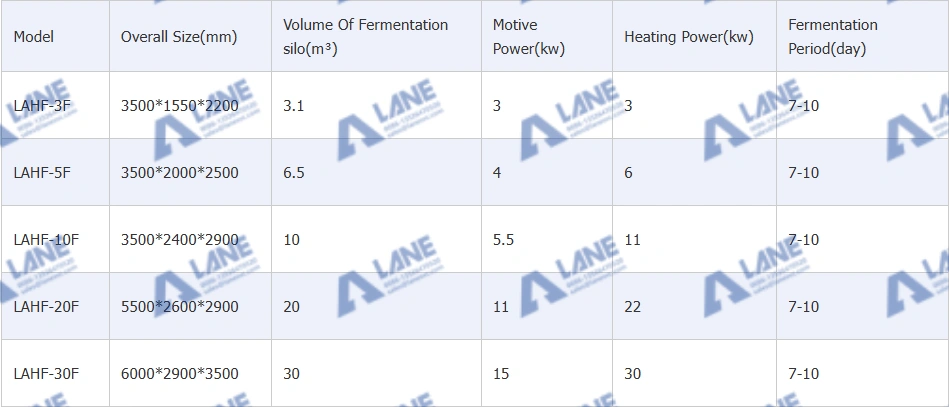
Larger capacities available upon request.
The horizontal fermentation tank is a versatile solution deployed across multiple industries:
| Industry | Application |
|---|---|
| Organic Fertilizer Plants | Core fermentation stage in NPK organic, bio-organic, and microbial fertilizer production lines |
| Livestock & Poultry Farms | On-site manure treatment for chicken, pig, cow, and sheep operations |
| Food Processing Facilities | Treatment of food waste, processing byproducts, and organic residues |
| Municipal Waste Management | Organic fraction of municipal solid waste (OFMSW) and sewage sludge composting |
| Agricultural Cooperatives | Centralized crop residue and manure processing for member farms |
| Biogas Plants | Digestate post-treatment and valorization |
| Mushroom Farms | Spent mushroom substrate recycling and reuse |
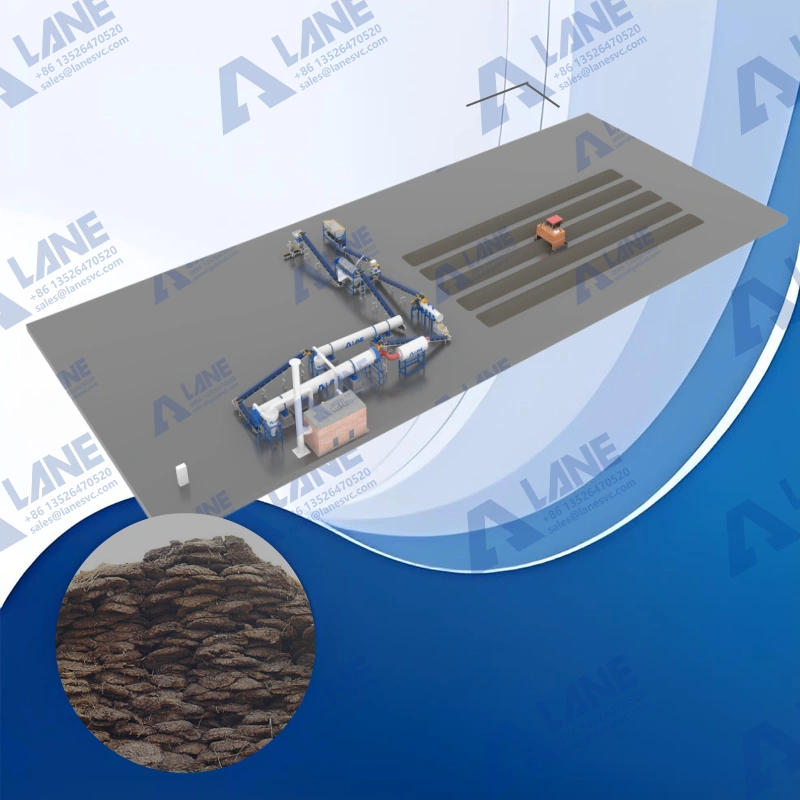
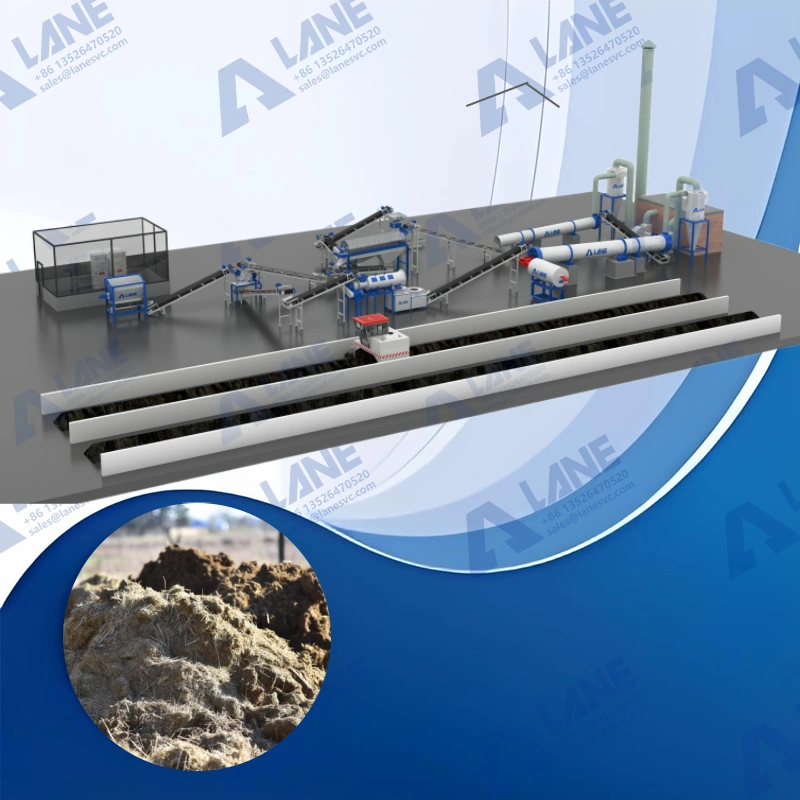
The horizontal fermentation tank serves as the critical first stage in LANE Machinery’s complete organic fertilizer production solutions:

Why fermentation quality determines the entire line’s output:
LANE Machinery offers turnkey integration — the horizontal fermentation tank can be supplied as a standalone unit or as part of a complete 0.5–30 TPH organic fertilizer production line, including factory layout design, installation, commissioning, and operator training.
Operational Savings vs. Traditional Composting
| Metric | Traditional Windrow | LANE Horizontal Fermentation Tank |
|---|---|---|
| Cycle Time | 40–60 days | 5–7 days |
| Land Required | 500+ m² per 1,000 T/yr | 10–30 m² per unit |
| Labor | 3–5 workers | 1 operator |
| Weather Dependency | Seasonal / weather-limited | Year-round 24/7 operation |
| Odor Control | Limited (complaint risk) | Zero emission (enclosed + biofilter) |
| Pathogen Kill | Inconsistent | Guaranteed (60–100°C sustained) |
| Product Quality Uniformity | Variable | Consistent batch-to-batch |
Q1: What raw materials can the horizontal fermentation tank process?
The tank handles virtually all organic waste types: chicken/pig/cow/sheep manure, crop straw, mushroom residue, food waste, kitchen waste, biogas residue, sewage sludge, herbal residue, and green waste. Materials should be pre-shredded to <5 cm particle size and adjusted to 50–60% moisture for optimal results.
Q2: How long does the full fermentation cycle take?
Harmless treatment (pathogen kill) is achieved in 3–10 hours. Full maturation to stable, plant-ready compost takes approximately 5–7 days, depending on feedstock type and target moisture content.
Q3: Can the tank operate in cold climates?
Yes. The electric heating system with thermal oil jacket maintains internal temperature independently of ambient conditions. The insulated tank body ensures efficient operation even in sub-zero environments.
Q4: What maintenance is required?
Daily: remove residual material from discharge port, check control panel readings. Weekly: inspect stirring paddles for wear, check deodorization filter. Monthly: lubricate bearings and drive components, inspect electrical connections. LANE Machinery provides a detailed maintenance manual and offers remote diagnostic support.
Q5: Is installation support included?
Yes. LANE Machinery provides comprehensive installation guidance — including foundation drawings, equipment layout plans, and on-site supervision if required. Remote video support is also available for simpler installations.
Q6: What certifications does the equipment have?
All LANE horizontal fermentation tanks are CE certified and manufactured under ISO 9001 quality management systems. Additional certifications (SGS, BV inspection) are available upon request.
Q7: Can I integrate this tank into my existing production line?
Absolutely. LANE Machinery’s engineering team provides custom integration services — matching the tank’s discharge height, conveyor interfaces, and control protocols to your existing equipment configuration.
Q8: How do I determine the right model for my operation?
Contact our engineering team with your daily processing volume target, feedstock type(s), available space, and budget. We will recommend the optimal model and provide a detailed quotation, including optional customization.
Q9: What about spare parts availability?
LANE Machinery maintains a comprehensive spare parts inventory and ships globally. Common wear parts (stirring paddles, bearings, seals, filter media) are kept in stock for immediate dispatch.
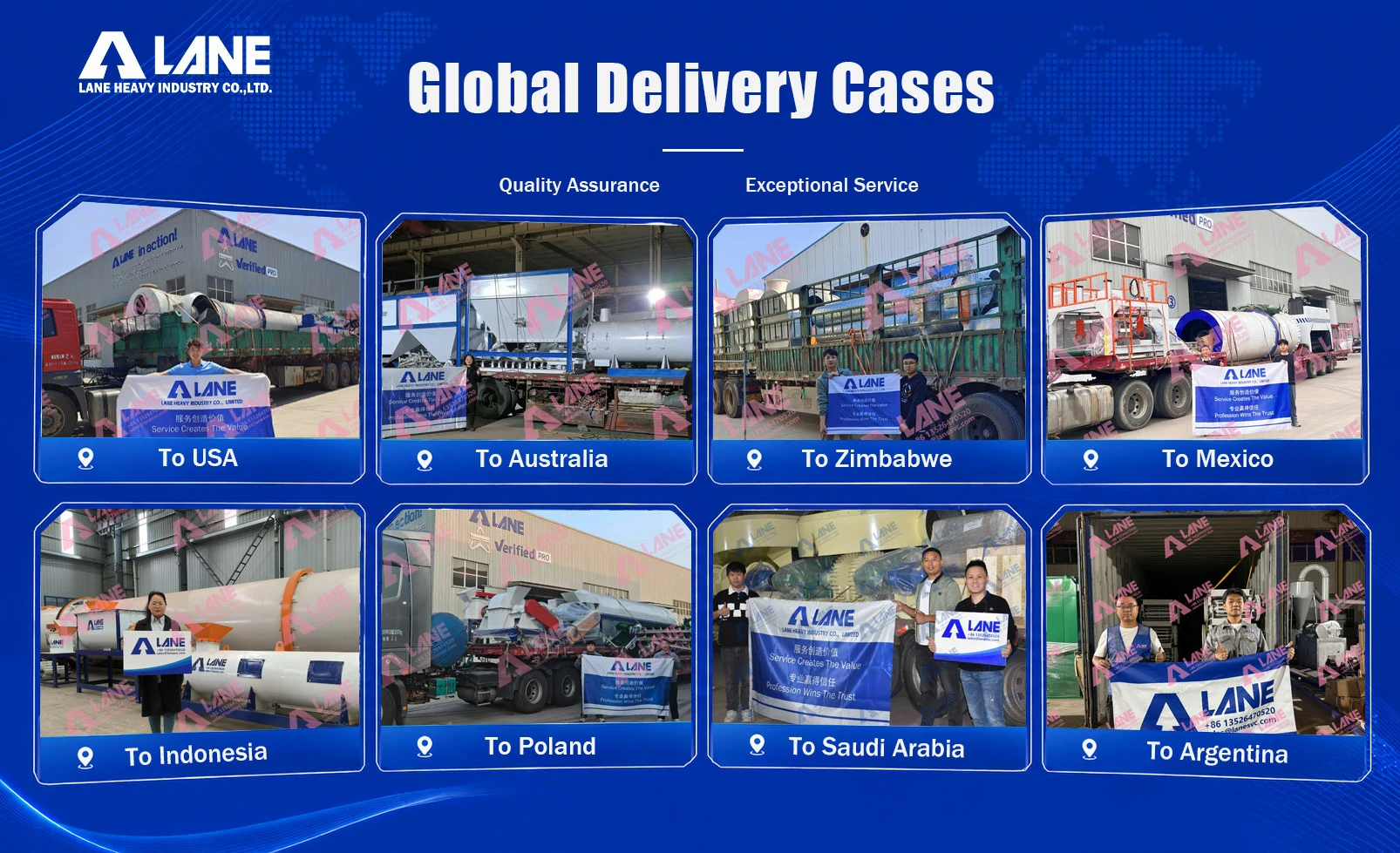
HENAN LANE HEAVY INDUSTRY MACHINERY TECHNOLOGY CO., LTD. is a specialized manufacturer of fertilizer production equipment with extensive experience delivering turnkey solutions to clients worldwide.
Contact LANE Machinery for:
LANE Machinery — Your Trusted Partner in Fertilizer Production Solutions.

Everything you need to know when looking at different types of organic fertilizer equipment, all in one place.
Copyright © 2026. LANE All rights reserved.