Palm Waste Organic Fertilizer Production Line for recycling empty fruit bunches, palm fiber, and other palm residues into high-quality organic fertilizer. Complete turnkey solutions available.
The Palm Waste Organic Fertilizer Production Line is designed to convert oil palm residues into high-quality organic fertilizer through composting, crushing, mixing, granulation, drying, screening, and packaging processes. By recycling palm waste into valuable organic fertilizer, the production line helps reduce environmental pollution while creating sustainable agricultural products.
This solution is ideal for palm oil mills, plantations, fertilizer manufacturers, agricultural cooperatives, and biomass recycling enterprises looking to utilize palm waste efficiently.
The production line is suitable for processing various palm industry by-products, including:
Additional materials can be blended according to fertilizer formulations, such as:
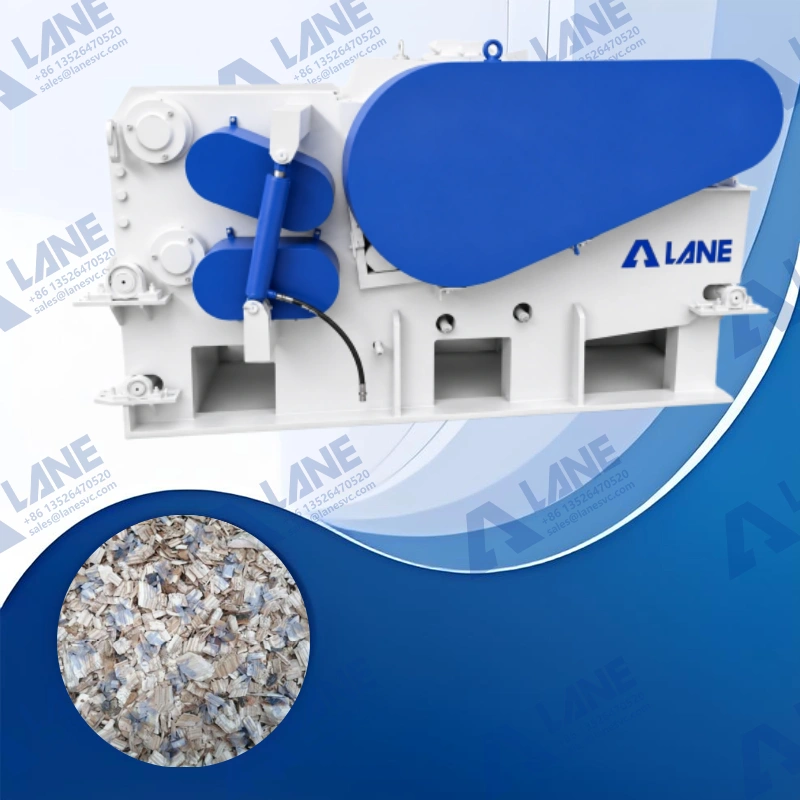
Palm residues are collected, shredded or crushed, and prepared for composting to improve material uniformity.
The prepared materials undergo aerobic composting to accelerate organic matter decomposition, eliminate pathogens, and produce stable compost.
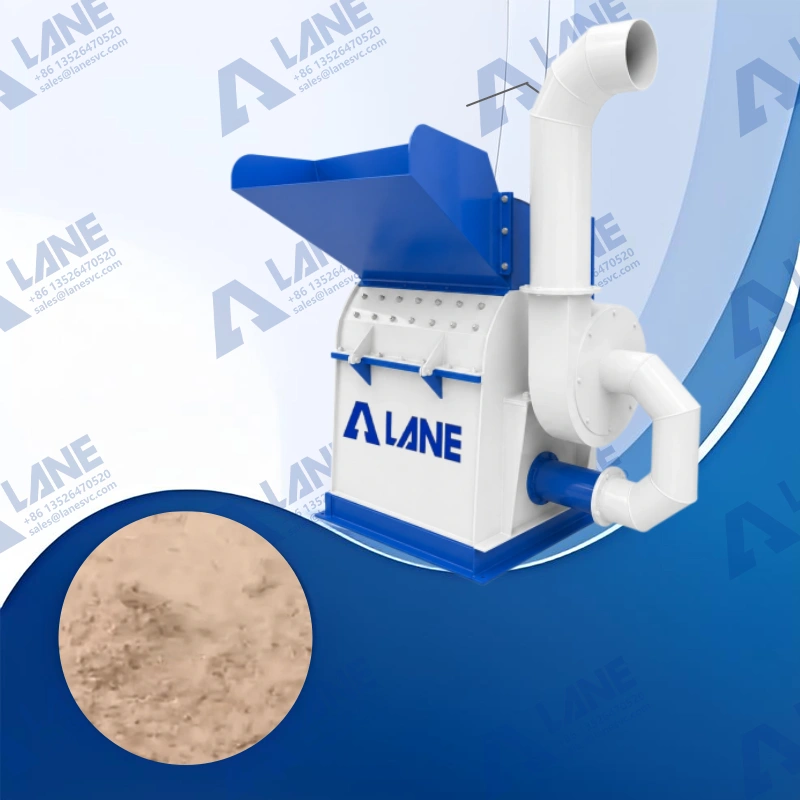
The composted material is crushed into fine particles for efficient mixing and granulation.
Organic additives and nutrients are blended evenly to meet different fertilizer formulations.
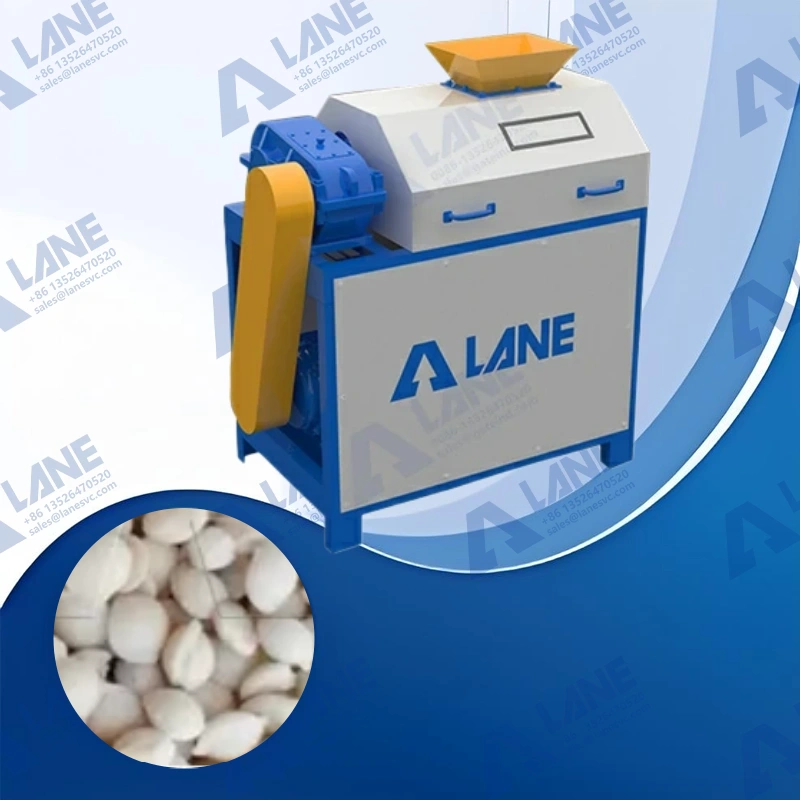
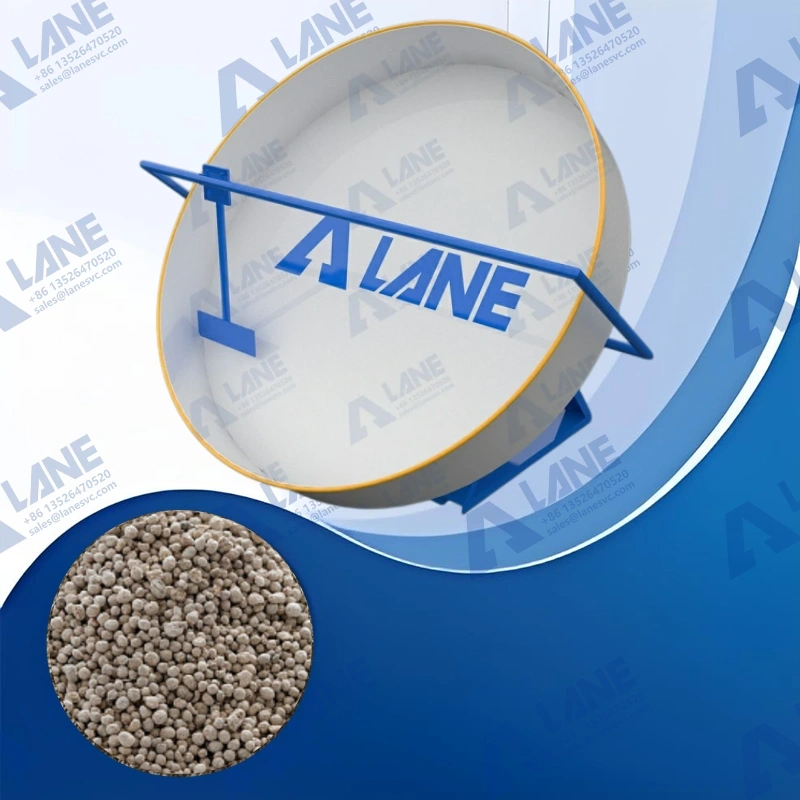
The mixed materials are granulated into uniform fertilizer pellets using suitable granulation equipment.
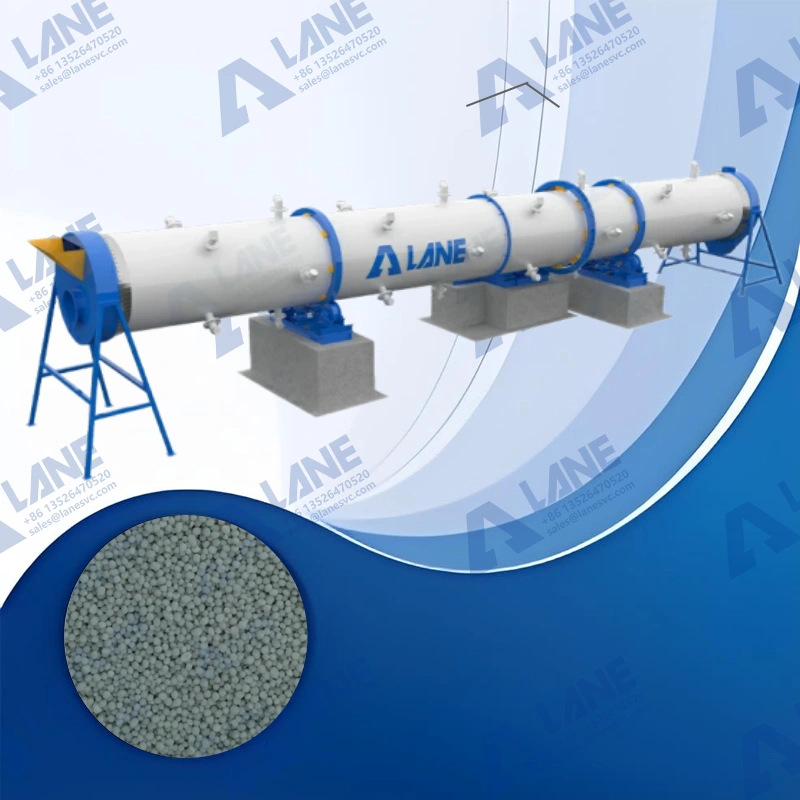
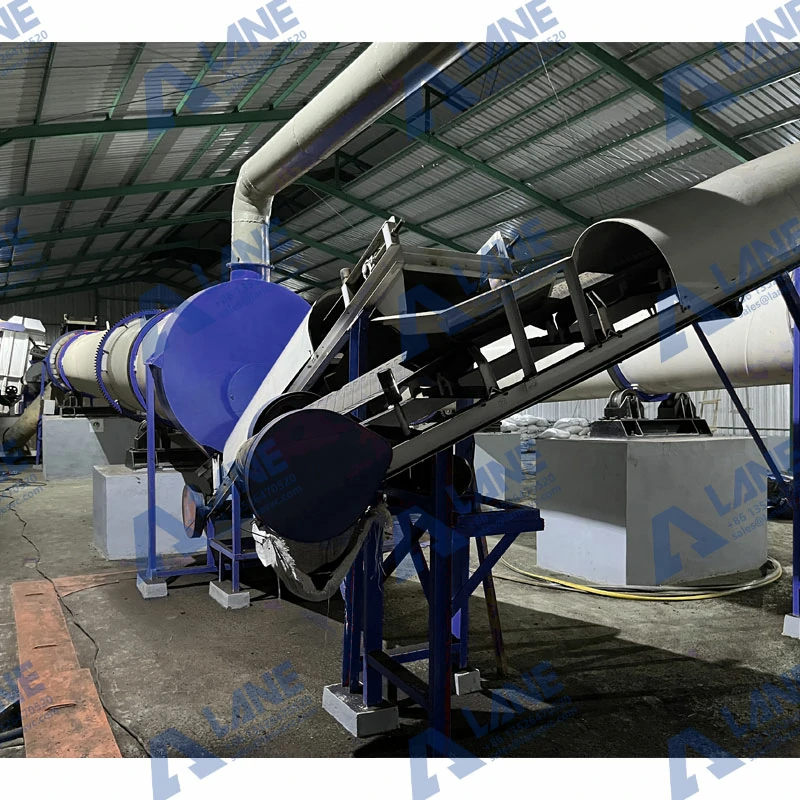
The fertilizer granules are dried to reduce moisture content and cooled to improve storage performance.
Finished granules are screened to ensure consistent particle size, while oversized materials are recycled.
Qualified fertilizer granules are automatically weighed, packed, and prepared for storage or shipment.
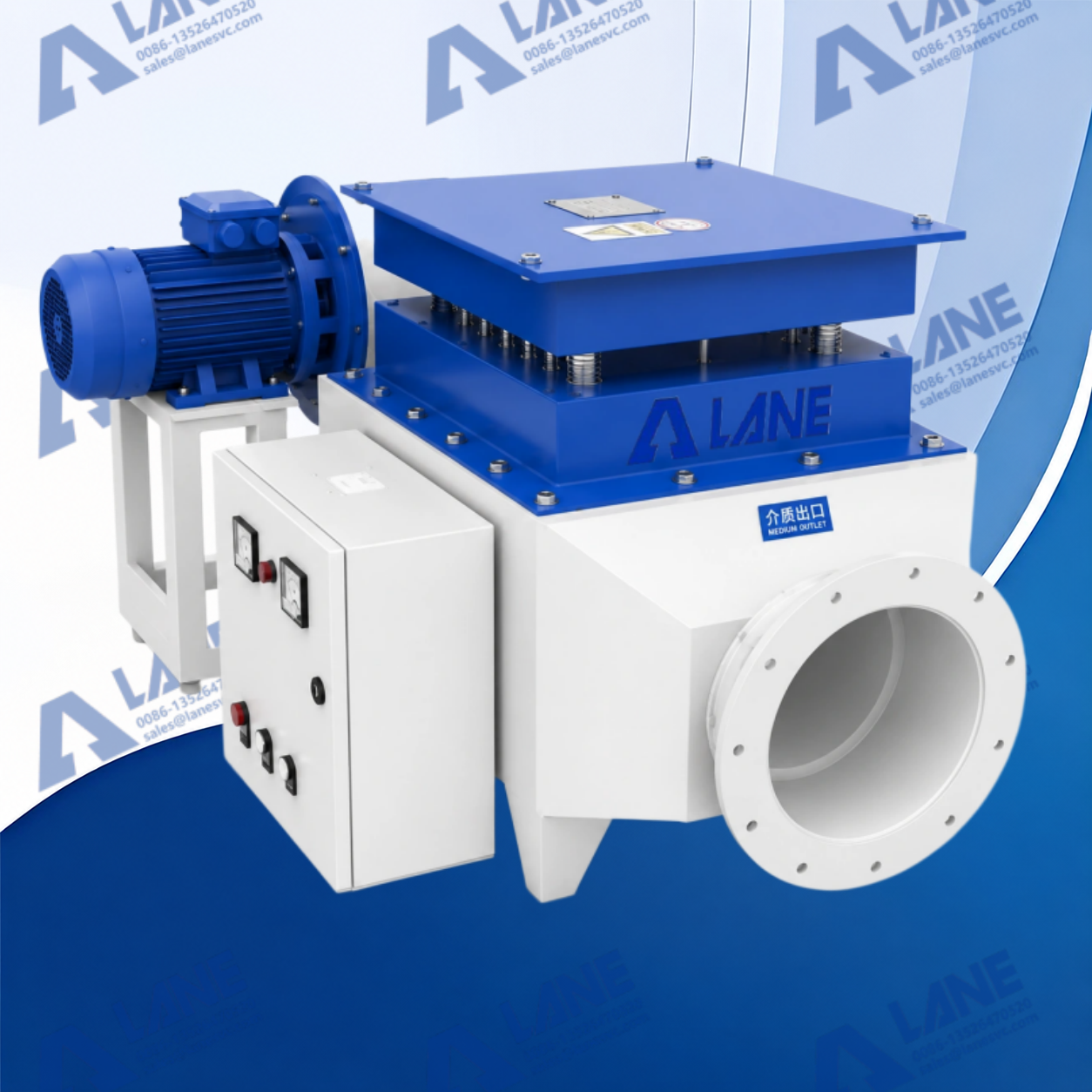
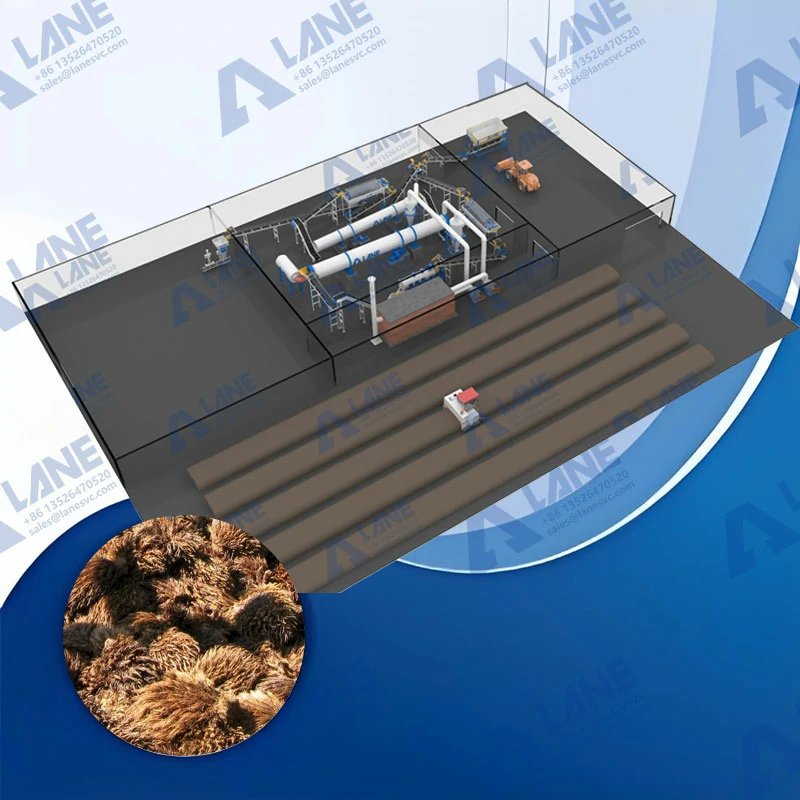
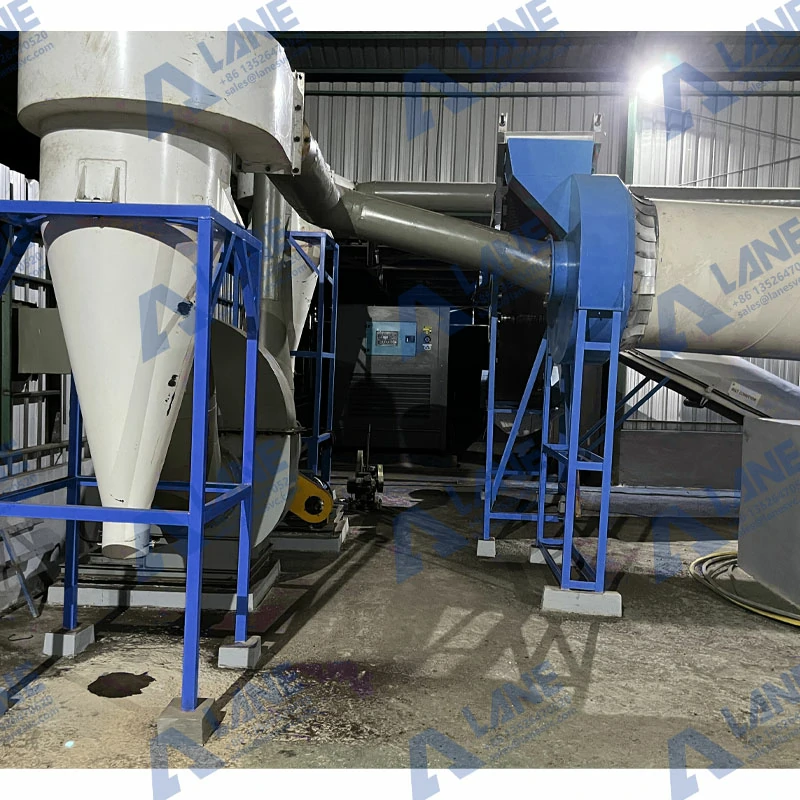
A typical palm waste organic fertilizer production line includes:
Equipment configuration can be customized according to raw material characteristics and production requirements.
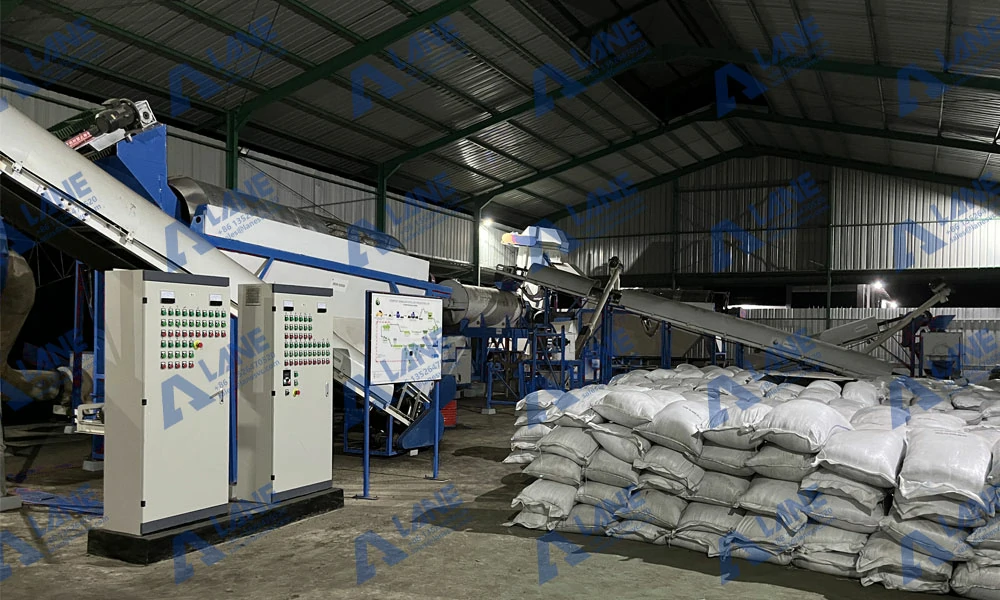
We provide complete turnkey solutions for palm waste organic fertilizer production projects, including:
Our engineering team can customize the production line according to your raw materials, production requirements, fertilizer specifications, and factory layout.
Contact us today to receive a customized process flow, equipment configuration, plant layout drawing, and quotation for your Palm Waste Organic Fertilizer Production Line project.

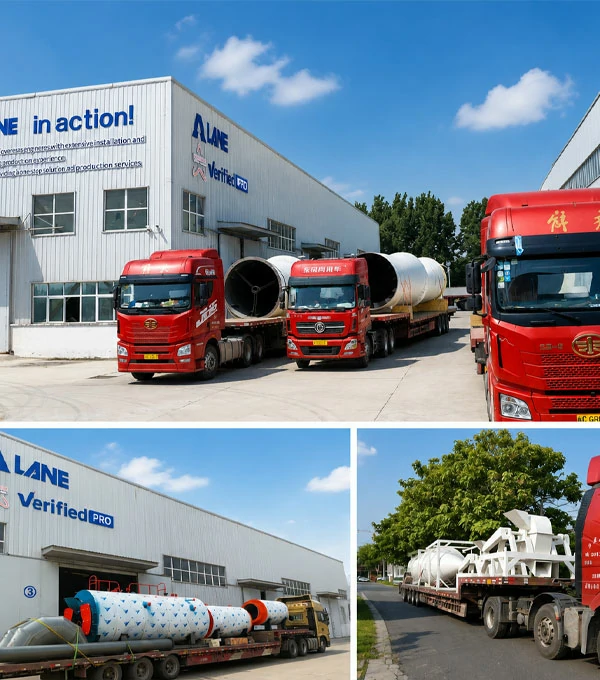
Each fertilizer project has different requirements. Our experienced sales managers and engineers will provide customized equipment selection, process design, and production solutions based on your raw materials, capacity, and production goals.
The cost is not fixed because it depends on production capacity, equipment configuration, automation level, granulation technology, and environmental requirements. To provide an accurate quotation, we need to understand your raw materials, target output, and factory layout before designing a customized solution.
Yes, most organic materials can be processed, including livestock manure (cow, chicken, pig), agricultural waste (straw, rice husk), and organic sludge. However, different materials may require specific pre-treatment and formulation, which we design based on your actual conditions.
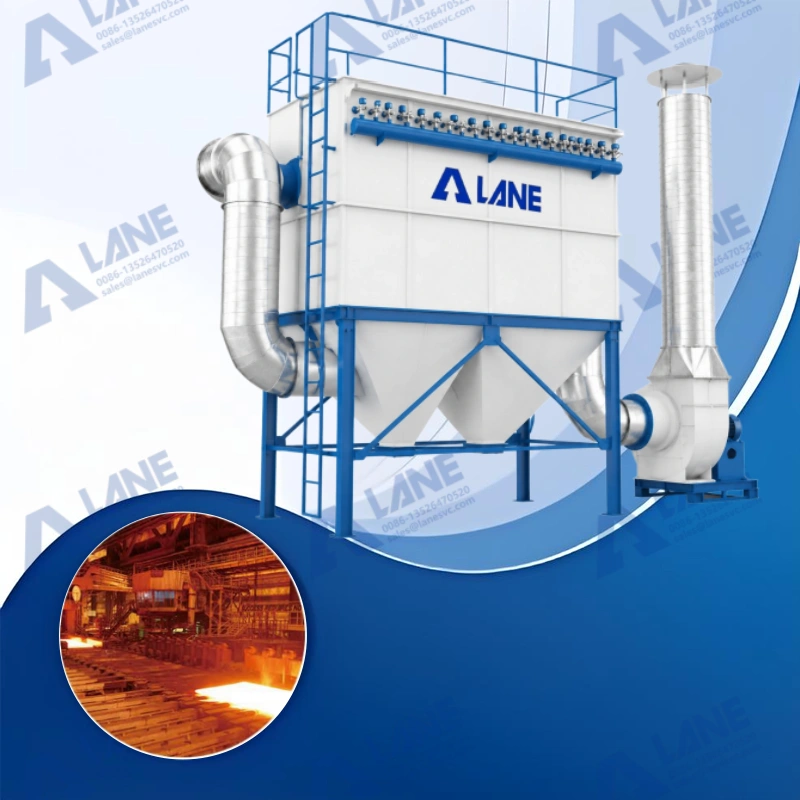
If properly designed, odor can be effectively controlled. We use aerobic fermentation systems and can integrate deodorization, dust collection, and spraying systems to ensure compliance with local environmental regulations.
Yes, our turnkey systems are modular and scalable. You can increase production capacity by adding equipment or extending production lines without rebuilding the entire plant.
Price differences are mainly caused by variations in equipment quality, steel standards, automation systems, engineering design, and whether installation and after-sales service are included. Lower prices often exclude full engineering support.

Everything you need to know when looking at different types of organic fertilizer equipment, all in one place.
Copyright © 2026. LANE All rights reserved.