
Buying small-scale palm oil processing equipment? See how capacity, process route, and palm oil mill plant cost decide whether a mini mill pays off.
A mill handling 10 to 100 tonnes of fresh fruit bunches (FFB) a day looks simple on paper: sterilizers, a thresher, a digester, a press, tanks, and a boiler. Most small mills that underperform did not buy bad machines. They bought a configuration that did not fit the fruit they could secure or the oil quality their buyers want.
Four numbers decide whether a small-scale palm oil processing equipment package pays for itself: fruit volume, fruit price, oil extraction rate, and operating cost. This guide is for the investors, EPC contractors, engineers, and buyers who sign off on them.
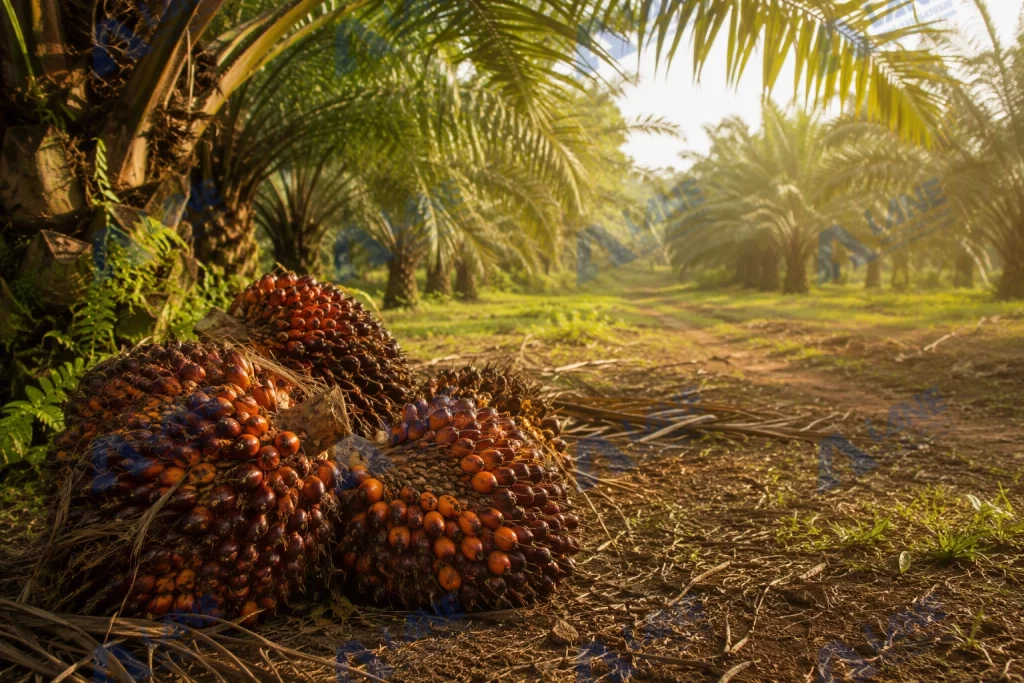
Capacity is quoted in tonnes of FFB per hour, not tonnes of oil per day. A 1 t/h line running 16 hours takes in about 16 tonnes of fruit, which at an oil extraction rate (OER) near 20 percent becomes roughly 3 tonnes of CPO.
| Capacity | Owner | Sterilization | Pressing | Kernel recovery |
|---|---|---|---|---|
| 0.5 to 1 t/h | Cooperative | 1 or 2 batch vessels | Single screw press | Manual separation |
| 1 to 2 t/h | Smallholder cluster | 2 or 3 batch vessels | Single screw press | Crackers, dry separation |
| 2 to 3 t/h | Small estate | Batch or continuous | Twin screw press | Cracking, separation |
| 3 to 5 t/h | Commercial mill | Continuous option | Twin press, two-stage | Recovery, crushing |
Sizing starts with fruit supply. A mature plantation yields 15 to 20 tonnes of FFB per hectare per year, so a mill taking 30 tonnes a day for 300 days needs 450 to 600 hectares of palms plus smallholder fruit. A mini palm oil mill without a fruit contract is a warehouse with extra steps.
Size for about 80 percent of peak-day volume, and reject rotten bunches at the gate.
A small-scale palm oil processing equipment line moves fruit through six stages, each with a target an operator can log.
Reception, Grading, and Sterilization
Steam at roughly 40 psi for 40 to 60 minutes deactivates the lipase enzymes that raise free fatty acid (FFA) and loosens fruit from the bunch. Shorten sterilization and no downstream machine repairs the damage.
Threshing and Digestion
A rotary drum thresher strips fruit from the empty fruit bunches (EFB). A steam-jacketed digester with rotating beater arms holds pulp near 90 to 95 °C to rupture the oil cells.
Pressing and Oil Recovery
The screw press squeezes pulp against a slotted cage, and a discharge cone sets back pressure. Oil loss in the press cake is the number to watch, because a rising figure points to worn cage bars.
Clarification, Drying, and Storage
Crude oil passes a vibrating screen, heated settling tanks, a sludge separator or decanter, and a vacuum dryer. Traded CPO is normally specified at no more than 5 percent FFA, with 0.5 percent moisture and impurities. Buyers range from local food processors to refiners, soap and oleochemical plants, and biodiesel traders, and each group writes different limits into the contract.
Kernel Recovery and Kernel Crushing
A cake breaker, nut crackers, and dry separation or a hydrocyclone station recover kernels at roughly 4 to 5 percent of FFB weight. Adding a palm kernel oil press turns them into crude palm kernel oil, a higher-value product.
Boiler, Power, and Effluent
Fiber and palm shell fuel the boiler while a generator or turbine covers the electrical load. POME carries an organic load in the tens of thousands of mg/L of BOD, so it needs anaerobic treatment, and capturing the methane turns a compliance cost into fuel.
Small-scale palm oil processing equipment changes little across capacity tiers. What changes is unit size, vessel count, and how much of the kernel and utility work is automated.
| Unit | How it works | Specify in the RFQ |
|---|---|---|
| Sterilizer | Pressure vessel, direct or indirect steam | Pressure, cycle time, shell material |
| Thresher | Slotted drum separates fruit from EFB | Throughput, drum size, conveyor |
| Digester | Heated cylinder, beater arms rupture oil cells | Holding temperature, beater wear |
| Screw press | Variable-pitch screw squeezes pulp in a cage | Capacity, oil loss guarantee, cage material |
| Clarifier set | Settling, centrifugation, vacuum drying | Tank size, centrifuge type, FFA limits |
| Kernel recovery | Cracking, then dry or wet separation | Kernel loss target, separation method |
Most mini palm oil mill projects stay with batch sterilization because it tolerates uneven fruit supply: two or three vessels let you sterilize while you thresh, and one vessel can go down without stopping the line. Continuous sterilizers cut labor and steam per tonne, but they want steady fruit and tighter maintenance discipline.
A single screw press suits 0.5 to 2 t/h. Twin or two-stage pressing raises recovery at the cost of more wear parts. Dry kernel separation is cheaper in dry climates, while hydrocyclone systems need slurry handling.
Palm oil mill plant cost is a string of trade-offs, so treat any quotation as one line of a longer calculation.
| Cost block | Contains | Where buyers save |
|---|---|---|
| Sterilization and boiler | Vessels, steam piping, biomass boiler, fuel handling | Batch vessels, shell-fired boiler |
| Pressing and oil room | Digester, press, tanks, separator, dryer | One press, gravity clarification first |
| Logistics and site work | Freight, duty, foundations, erection, training | Complete packages cut site welding |
Suppliers quote small-scale palm oil processing equipment on whatever scope they prefer, and two quotes for the same capacity can differ by half in cost per tonne of oil. State your assumptions first: capacity, hours per day, fruit quality, steam pressure, oil loss and OER guarantees, the scope boundary for civil works and utilities, and who pays the commissioning engineer.
Over ten years, energy, labor, wear parts, and downtime usually outweigh the purchase price, so the lowest palm oil mill plant cost rarely wins. Fuel is the biggest lever, because a mill firing its own fiber and shells buys almost no external energy. Yield is the second: each point of OER is worth 1 percent of your FFB intake in oil, so 9,000 tonnes a year gains about 90 tonnes of CPO per point. Most mini palm oil mill buyers defer oil-room upgrades and kernel crushing to a second phase, which spreads capital without capping yield.
Traceability now reaches small producers: the EU deforestation regulation requires geolocation and due diligence data for palm oil sold into Europe, so mills keep lot numbers, weighing records, and supplier maps. Methane capture has moved from optional to expected, and buyers of small-scale palm oil processing equipment now ask how shells, fiber, and effluent will be used.
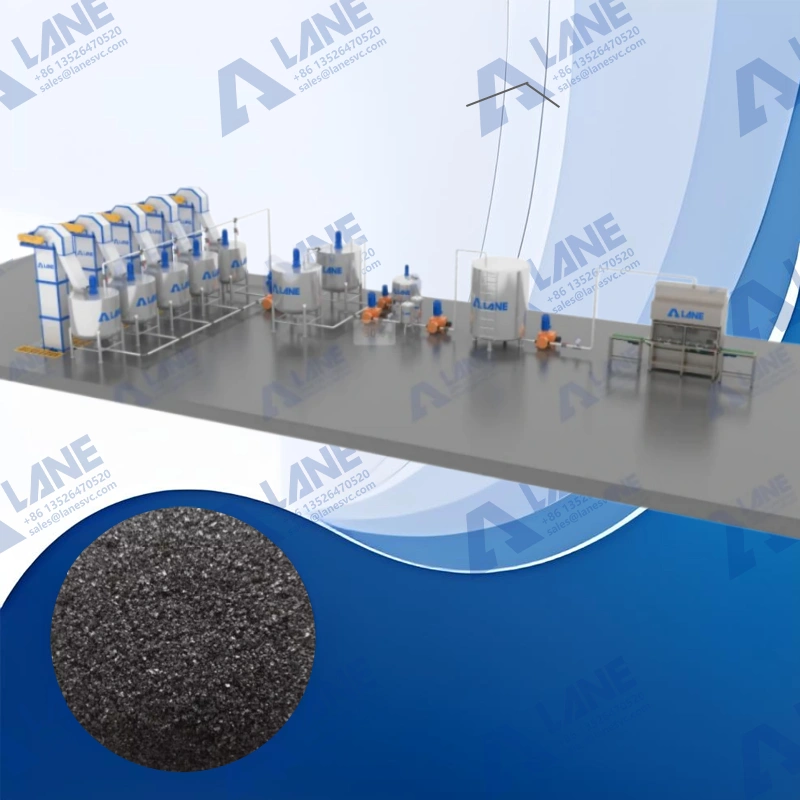
EFB, decanter cake, and treated POME can be composted into organic fertilizer on site, which turns a disposal problem into a product for nearby plantations. That route needs shredding, composting, mixing, granulation, drying, screening, and bagging, sized from daily byproduct tonnage rather than oil capacity. Kernel cake goes to animal feed, and shells can fire the boiler or be exported.
Unplanned stops cost fruit quality as well as output. Planned maintenance on small-scale palm oil processing equipment protects the two numbers that decide mill economics: OER and oil quality.
| Interval | Tasks |
|---|---|
| Daily | Grease bearings, check screens and cage slots, verify steam pressure, log the day-tank FFA |
| Weekly | Measure screw and cage wear, inspect door gaskets, blow down the boiler, clean clarifier tanks |
| Annual shutdown | Boiler descaling, refractories and structure, panel service, calibration, operator refresher |
Cage bars, press screws, digester beater tips, door gaskets, and pump seals wear on a schedule, so buy a first-year spares kit with the line. Keep weekly records of OER, FFA, press-cake oil loss, and downtime.
Small-scale palm oil processing equipment is assembled from units that look alike across vendors, so the differences sit in manufacturing depth, documentation, and service. Confirm whether the press and digester are machined in house, and ask for references at comparable capacity. A mini palm oil mill is a different operating model from an estate plant.
Check the standards behind the machines: guarding and risk assessment to ISO 12100, electrical equipment to IEC 60204-1, and a quality system such as ISO 9001. Ask in writing for general arrangement drawings, process and instrumentation diagrams, electrical schematics, and test reports.
Four questions worth sending with the RFQ:
Take a 2 t/h line for a buyer with roughly 500 hectares of mature palms plus smallholder fruit: three batch sterilizers, thresher, digester, single screw press, plate clarifier with a decanter, dry kernel separation, a shell-fired boiler, and anaerobic ponds with methane capture planned later.
The small-scale palm oil processing equipment package in this profile leaves out two items that buyer kept anyway: a longer reception ramp, and a spare cage and screw assembly. This is an illustrative configuration, not a specific customer installation.
How much does a small-scale palm oil mill cost?
Palm oil mill plant cost follows capacity, automation, boiler choice, and effluent scope. A 1 t/h line carries a very different figure from a 5 t/h mill with a decanter and biogas capture. Ask for small-scale palm oil processing equipment priced by block, then compare cost per tonne of FFB processed.
How much FFB can a 1 t/h mill process per day?
About 16 tonnes on a 16-hour shift, or 24 tonnes across three shifts. At an OER of 19 percent, that fruit yields a little over 3 tonnes of CPO.
What oil extraction rate should I expect from a small mill?
Well-run mills in the region work near 20 percent of FFB, and the Malaysian Palm Oil Board publishes national figures worth benchmarking against. Small mills fall below estate numbers when fruit quality is poor or the press is worn.
Do I need a boiler and sterilizer for a small mill?
Sterilization separates edible oil from high-FFA oil, because lipase enzymes begin raising FFA as soon as a bunch is bruised. If you sell to food processors or exporters, plan for a boiler and batch vessels from the start.
How much land does a mini palm oil mill need?
The machine hall, tank farm, FFB ramp, boiler, water treatment, and effluent ponds all need space, and the ponds often take more ground than the building. Ask for a general arrangement drawing before you buy land.
Can a small mill produce both palm oil and palm kernel oil?
Yes. A separate palm kernel oil press and filter set converts the kernels into crude palm kernel oil. Many buyers add kernel crushing as phase two, which spreads capital across two budgets.
Is a small-scale palm oil mill profitable?
It depends on the gap between the FFB price you pay and the CPO price you sell, multiplied by your OER, less energy, labor, and maintenance. A mini palm oil mill with cheap fruit and its own boiler fuel is in a stronger position than one paying estate prices.

Everything you need to know when looking at different types of organic fertilizer equipment, all in one place.
Copyright © 2026. LANE All rights reserved.
Send A Message