
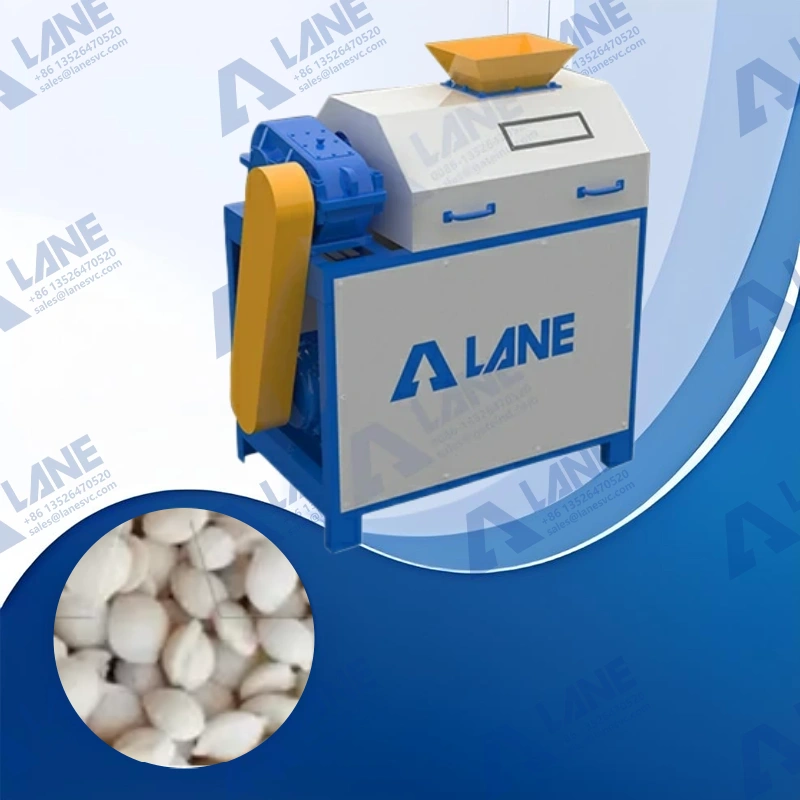
Double roller granulator for NPK and compound fertilizer: dry extrusion, no dryer, 40% lower energy, 1-20 TPH. Free quote.
Every fertilizer plant owner knows the pain of a granulation line that swallows energy and capital: a dryer to run, steam to generate and a binder to buy every week.
The double roller granulator removes all three.
It presses dry powder between two counter-rotating rollers under 8–15 MPa of compaction pressure to form dense, uniform granules, with no dryer, no cooler, no steam boiler and no binder.
For NPK, urea, ammonium sulfate and compound fertilizer producers targeting 1–20 TPH, the LANE double roller granulator cuts energy use by up to 40% and line cost by roughly 30–40% compared with drum granulation, so you can start granulating sooner at a fraction of the investment.
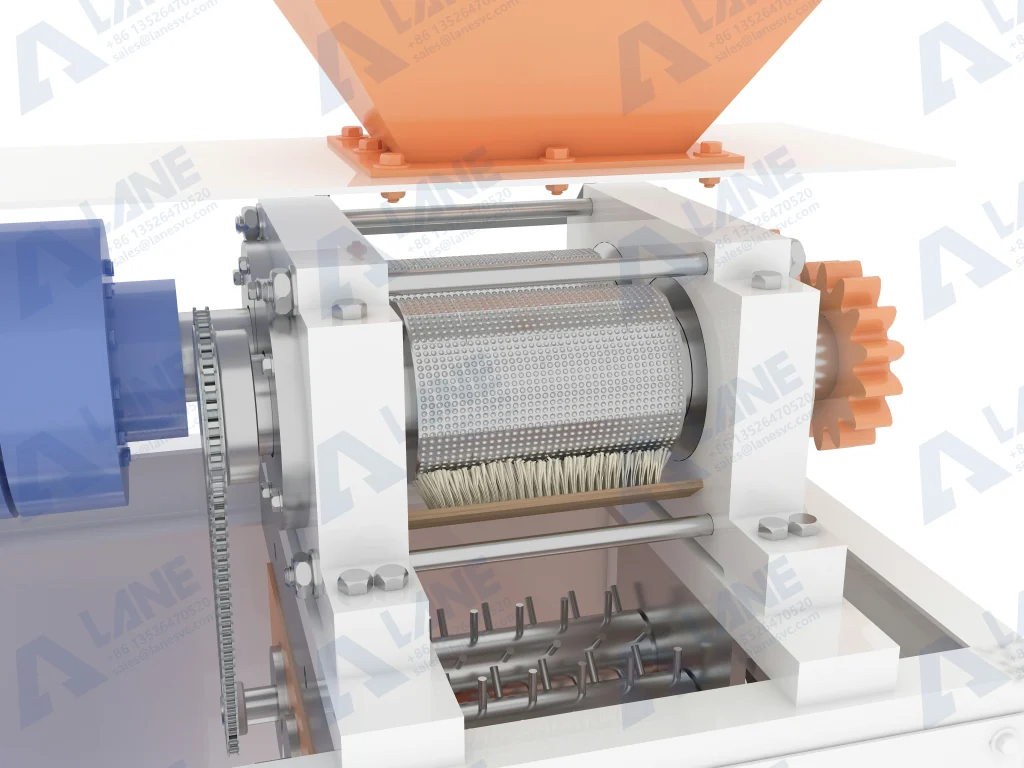
The double roller granulator is built around a simple truth: if you do not add liquid, you do not have to spend energy removing it.
That single design choice drives every advantage below.
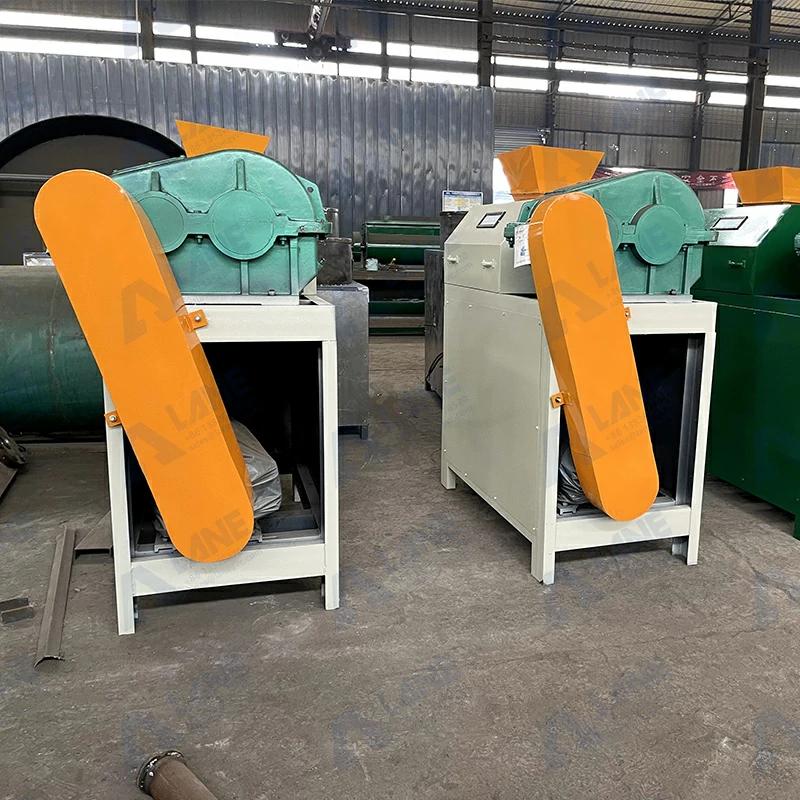
The working principle is simple and repeatable.
Dry powder at ≤3% moisture enters the gravity-fed hopper and falls into the nip zone between two rollers turning inward at 10–25 RPM.
As the gap narrows toward the centerline, compaction pressure climbs from near zero to 8–15 MPa, forcing particles into mechanical interlock.
Soluble salts such as urea and ammonium sulfate cold weld at the contact points, giving the compacted sheet its green strength.
The continuous sheet then falls into a toothed crusher, and a double-deck screener separates the 2–4 mm product while undersize fines return to the hopper for re-compaction in a closed loop that keeps yield high.
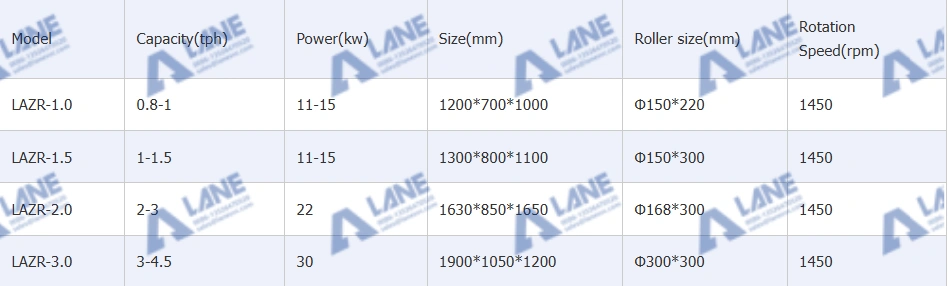
A double roller granulator suits three situations best.
First, plants in dry regions or without natural gas infrastructure, where running a dryer is expensive or simply not possible. Second, budget-conscious operations targeting 1–5 TPH that want the lowest capital entry into granulation. Third, producers of NPK, urea, ammonium sulfate and compound fertilizer who accept angular granules at a slight cost discount to spherical product, functionally equivalent for most soil application. For micronutrient or bio-additive blends that degrade in a dryer, low-temperature extrusion is often the only workable route.
Q: Do I need a dryer with a double roller granulator?
A: No. Dry extrusion removes the dryer, cooler, steam boiler and binder from the equipment list, which is the main reason line cost and energy drop so sharply.
Q: What materials can this extrusion granulator process?
A: NPK, urea, ammonium sulfate and most compound fertilizer powders at ≤3% moisture. Materials containing soluble salts form stronger granules thanks to the cold-welding effect.
Q: What granule size does it produce?
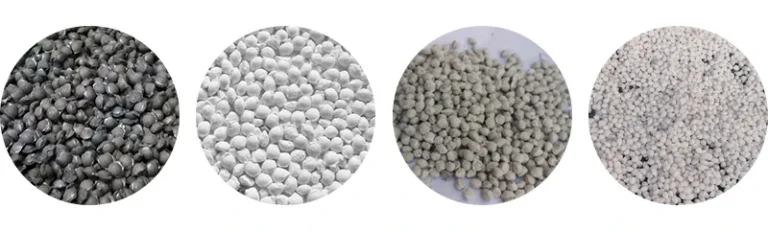
A: Typically 2–4 mm angular granules, adjustable through roller cavity and screen selection.
Q: What support does LANE offer?
A: Layout design support, full specifications and a 5-year warranty, with CE/ISO/SGS certification available. Share your feedstock and target capacity for a site-specific drawing and quote.
Choosing a granulator is a capital decision, and the double roller granulator earns its place whenever the goal is high output, low energy and fast payback.
It cuts energy to 25–35 kWh/ton, trims line cost by 30–40% and runs a shorter, drier, more forgiving process than drum granulation.
To see whether dry extrusion fits your material and budget, send your feedstock details to sales@lanesvc.com or message WhatsApp +86 13526470520.
Our engineers will prepare a layout drawing and a detailed quote for your plant. Compare the LANE double roller granulator on our product page to review full specifications before you decide.
Browse the double roller extrusion granulator product page for full specifications and line layouts.

Everything you need to know when looking at different types of organic fertilizer equipment, all in one place.
Copyright © 2026. LANE All rights reserved.
Send A Message