
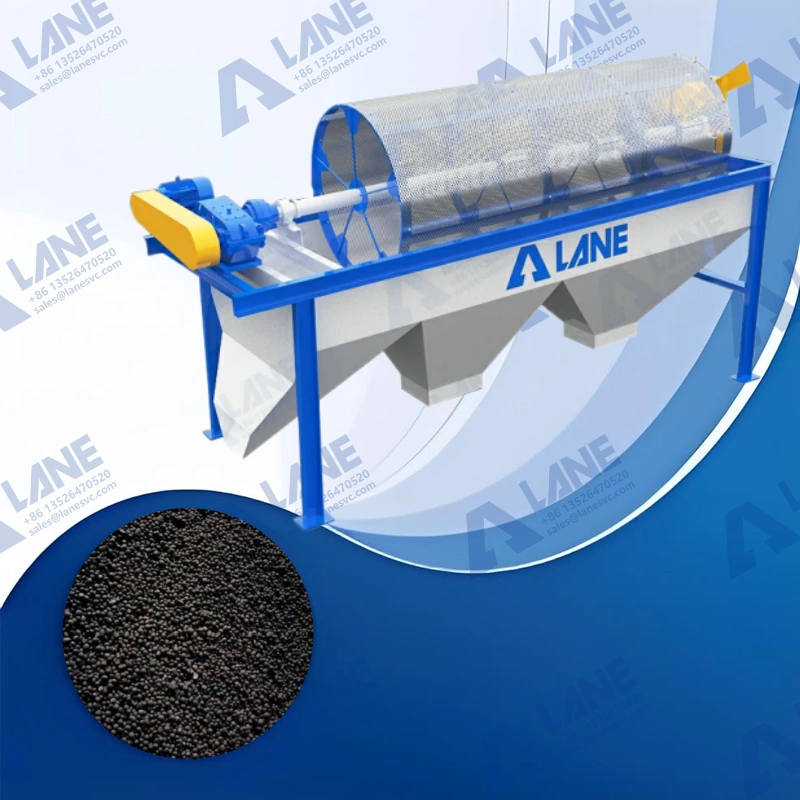
Rotary screener guide for fertilizer plants: capacity, mesh sizing, anti-clogging, cost and supplier checks to pick the right drum screener.
A rotary screener is the fertilizer equipment most buyers undersize on paper and overpay for on the floor. At its core, it separates granules by size using a gently rotating drum, which means higher throughput, less product breakage and far less dust than vibrating screens.
This guide is for plant managers and investors choosing a rotary screener for an organic, NPK or compound line—because the real risk is not the machine’s price but buying the wrong capacity or mesh for the material you actually run.
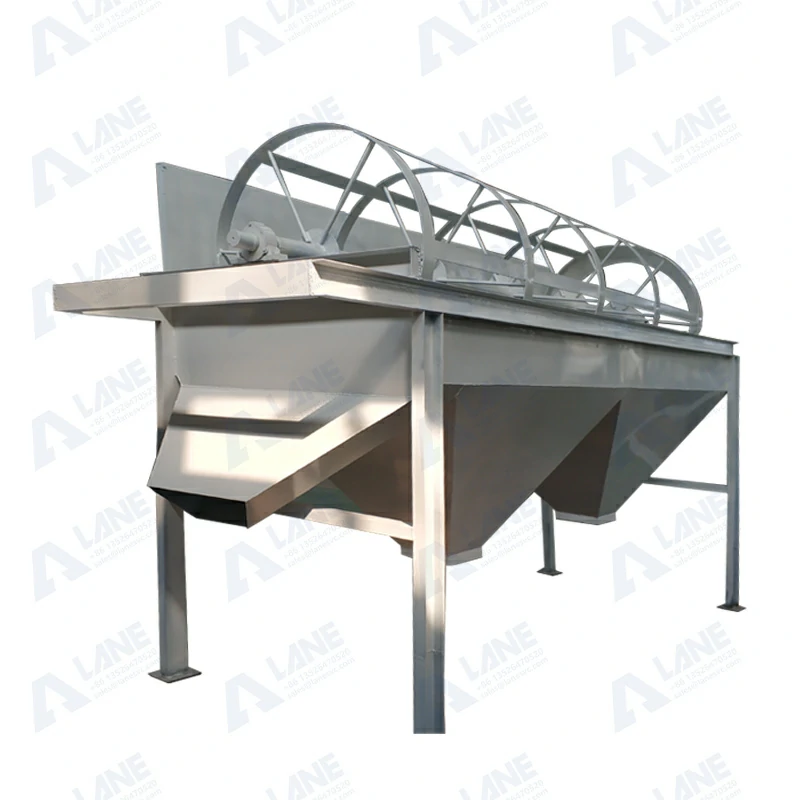
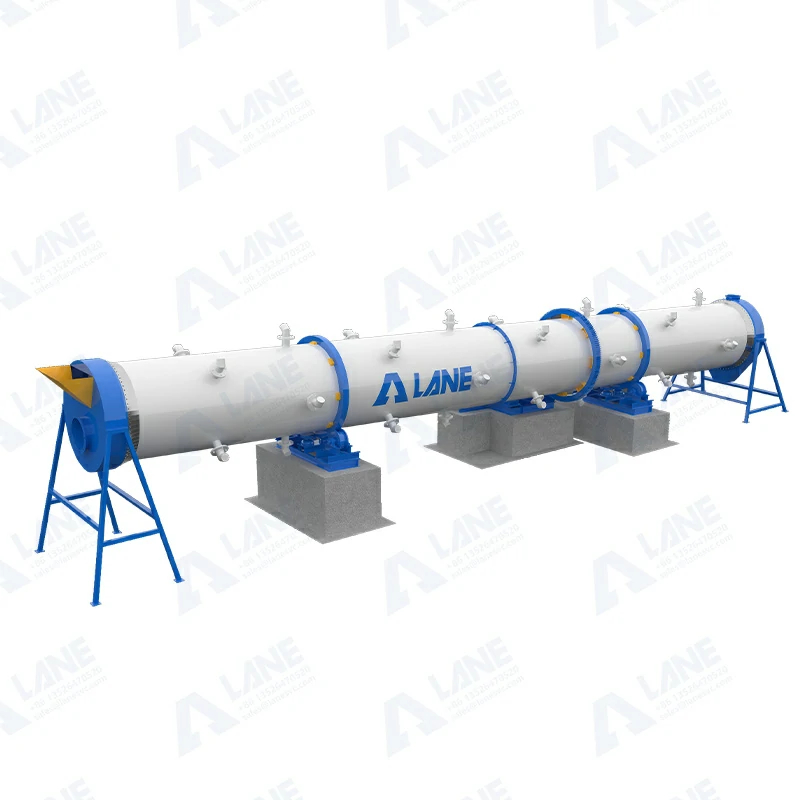
A rotary drum screener feeds granules into a rotating cylindrical drum, lifts and cascades them across the mesh, and splits them into fine, on-size and oversize fractions in one continuous pass. Oversize returns for re-crushing, fines go back for re-granulation, and the on-size product moves to coating and packaging.
The gentle tumbling keeps granules intact, which matters far more than most spec sheets admit.
The fair comparison is not which is newer but which suits your material. A rotary screener wins on capacity, gentle handling and low dust for fertilizer granules. A vibrating screener is better for fine powders and very precise cuts.
For most granulated fertilizer, the rotary drum design gives higher throughput with less breakage—so do not swap to vibration just because it sounds more modern.
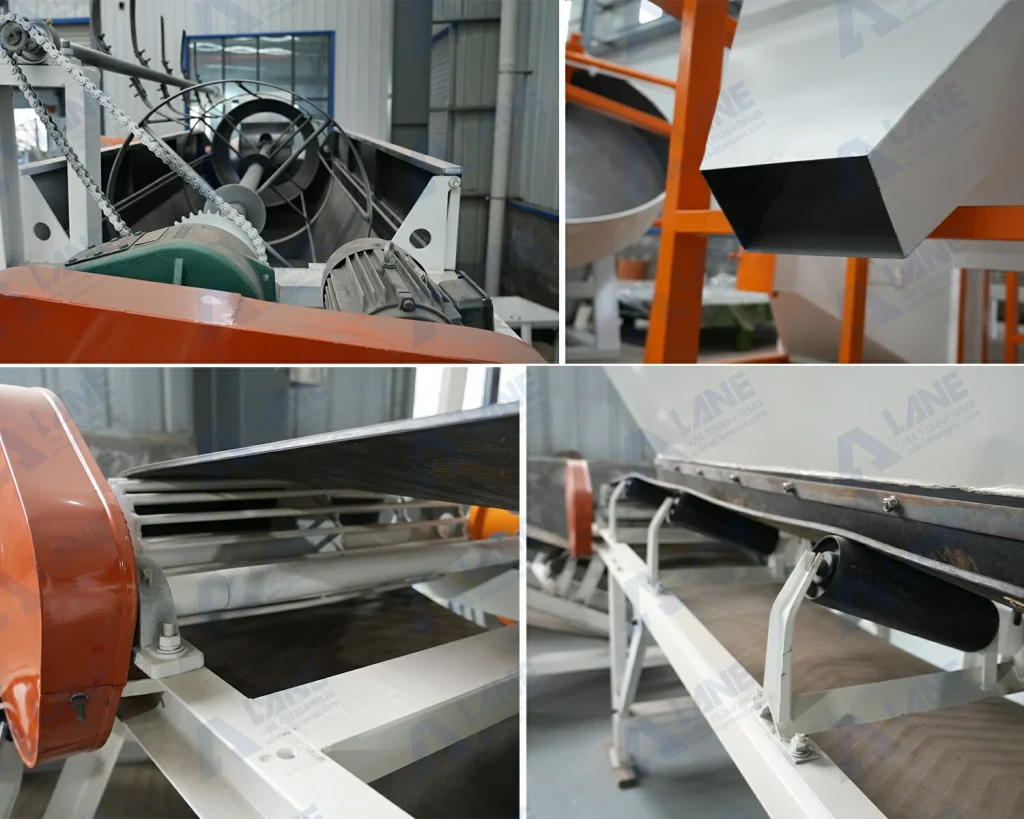
Three features justify the purchase: anti-clogging mesh with a self-cleaning brush or rubber ball system, a fully enclosed dust-controlled housing, and quick-release screen panels that let you change mesh in under thirty minutes.
Together they decide downtime, safety and flexibility—the three numbers that quietly drive plant profitability. That is what makes this machine worth the spend over a bare drum.
|
Model |
Capacity (tph) | Drum dia × len (m) | Tilt (°) | Power (kW) |
| LAS-0.8×2M | 1–2.5 | 0.8 × 2 | 2–3 |
3 |
|
LAS-1.2×4M |
3–5 | 1.2 × 4 | 2–3 | 4 |
| LAS-1.5×5M | 5–10 | 1.5 × 5 | 2–3 |
5.5 |
|
LAS-1.8×7M |
10–12 | 1.8 × 7 | 2–3 | 7.5 |
| LAS-2×6M | 12–15 | 2 × 6 | 2–3 |
15 |
Capacity spans about 1 to 15 tonnes per hour across the LAS range, with mesh apertures from 0.5 mm to 50 mm and rotation speeds typically 10–25 RPM.
Match bulk density and moisture to the model; the same drum behaves differently on dry NPK and wet organic compost. That mismatch is where most sizing errors are born.
Rotary screeners are standard across organic fertilizer, NPK compound, bio-organic, mineral and BB blending lines. They handle composted manure, crop straw and sludge after fermentation, classify granules before packaging, and remove oversize lumps and contaminants. For bio-fertilizer the low-shear action preserves microbial viability, which a hammering vibratory deck cannot.
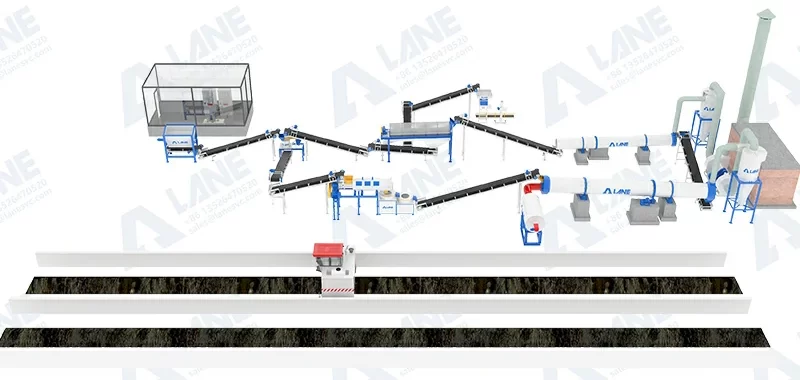
Plan commissioning before the drum arrives. The screener must be levelled, the drive tensioned, and feed and discharge conveyors aligned; most early failures are installation faults, not machine faults.
Build a short routine: weekly mesh inspection, monthly lubrication and chain tension, annual bearing and gearbox service. LANE includes on-site installation supervision, operator training and remote support, so the line comes up faster and stays up longer.
Also allow for the mesh itself. Screens wear and blind, so budget replacement panels for the apertures you actually run; stocking them avoids a shutdown when a mesh finally gives out.
A 12-month comprehensive warranty with spare parts shipped by express covers the early period, but planning for mesh stock is the operator’s job, not the supplier’s.
Cost comes from three places: the drum size and material, the mesh system, and the integration. Carbon steel is cheapest; stainless 304/316L adds cost but survives corrosive and food-grade service.
The under-budgeted items are feed conveyors, dust ducting and control integration—the engineering that makes the rotary screener actually fit your line.
Size by peak throughput and the mesh configuration that matches your product cut. For standard NPK at 2–5 mm, use a coarse 5–6 mm section to strip oversize, a 2–2.5 mm product section, and collect fines below 2 mm.
Buy a machine with headroom on capacity; running a screener at its limit creates blinding and dust you did not plan for.
If you are building a complete line, size the screener with the granulator and dryer together; the three must match in throughput or one becomes a bottleneck. LANE integrates the drum screener with its granulation and drying systems, so the interface engineering is already settled before the machine reaches your plant.
The first mistake is matching the machine to the brochure instead of the material—wet organic compost needs wider mesh and stronger anti-clogging than dry NPK.
The second is skipping the integration quote; a rotary drum screener is only as good as its feed and discharge. Price the whole interface, not just the drum.
What is the difference between a rotary screener and a vibrating screener?
A rotary screener wins on capacity, gentle handling and low dust for granules; vibration suits fine powders and precise cuts.
What mesh size should I choose?
For NPK at 2–5 mm, use a 5–6 mm coarse section, a 2–2.5 mm product section and collect fines below 2 mm.
How do you stop the screen clogging on wet material?
A self-cleaning brush or rubber ball plus the tumbling action clears mesh; above 15% moisture, add a heated deck.
Can one machine handle different products?
Yes—quick-release panels change the mesh in under 30 minutes, and screens are stocked for standard apertures.
What is the service life and maintenance?
8–12 years with routine care: weekly mesh inspection, monthly lubrication and chain tension, annual bearing and gearbox service.
For most plants the right rotary screener is the one matched to the actual material and peak throughput, not the cheapest drum on a list. Buy on capacity headroom, anti-clogging, dust control and the integration quote.
LANE builds rotary drum screeners engineered specifically for fertilizer lines, with a 5-year warranty, CE/ISO/SGS certification and global installation. Talk through your product and capacity at https://organicfertilizerturnkey.com/ or write to sales2@lanesvc.com for a spec and layout drawing.

Everything you need to know when looking at different types of organic fertilizer equipment, all in one place.
Copyright © 2026. LANE All rights reserved.
Send A Message