
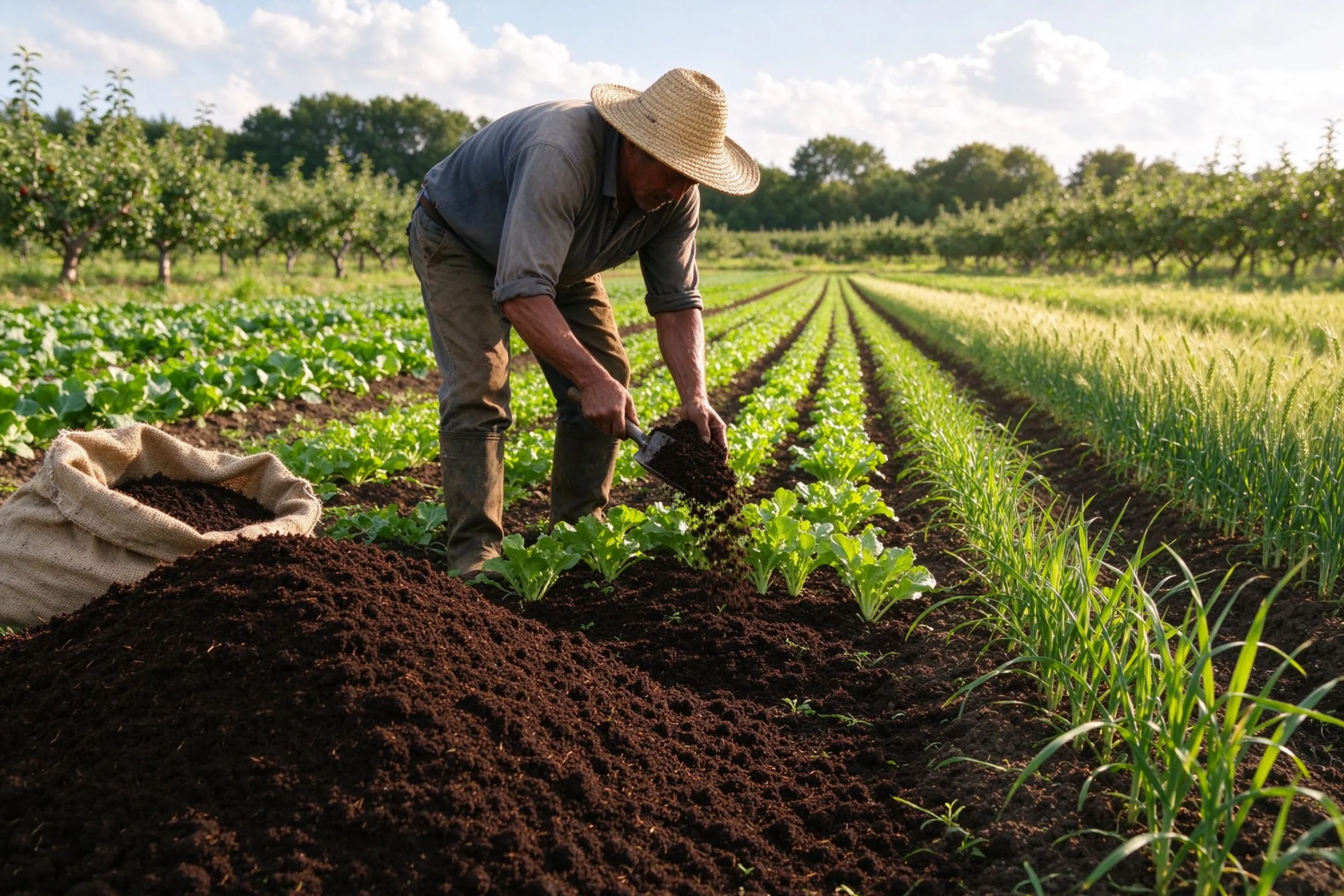
Organic fertilizer for organic farming: composted granules that build soil and yield. How to choose and buy. Get a LANE quote.
For organic growers, choosing organic fertilizer for organic farming is not just a rule to follow, it is the backbone of soil health and crop quality.
Organic fertilizer for organic farming is made by composting plant and animal waste into stable, slow-release granules, and LANE builds the production lines that make it.
This guide explains how organic fertilizer for organic farming works, how it is made, and what to look for when you buy.
Organic agriculture has grown quickly because consumers want food grown without synthetic chemicals.
Meeting that demand means building healthy soil, and the most reliable way is to return composted organic matter to the fields. Granulated organic fertilizer makes that practice easy to apply at scale, which is why more farms and producers are installing their own lines.
Why Organic Fertilizer for Organic Farming
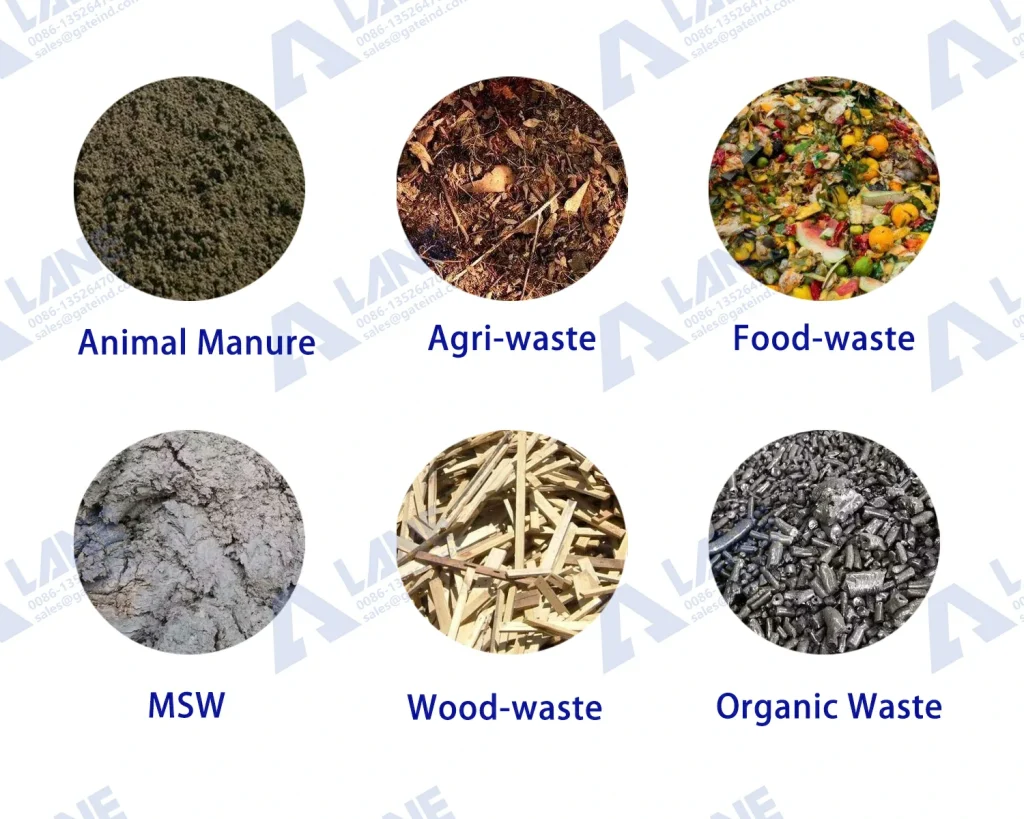
Builds soil structure:composted organic fertilizer for organic farming adds organic matter that improves soil aeration, water retention and microbial life, so plants grow stronger season after season.
Slow, balanced nutrition: because nutrients release gradually, organic fertilizer for organic farming feeds crops steadily instead of burning roots, and it supplies phosphorus, sulfur and trace elements from composted manure and crop residues.
Compliant and sustainable: produced from poultry manure, straw, mushroom residue and food waste, organic fertilizer for organic farming meets organic standards while turning farm waste into a valuable input.
Choosing organic inputs also helps the environment. Composting captures nutrients that would otherwise be lost, reduces the need for synthetic nitrogen, and keeps organic matter cycling back to the soil instead of going to waste.
Regular use over several seasons noticeably improves soil structure. Farmers report better water retention, fewer crusts and steadier yields, especially on sandy or degraded soils, because the organic matter keeps working below the surface.
Table 1. Synthetic fertilizer vs organic fertilizer for organic farming
|
Aspect |
Synthetic Fertilizer | Organic Fertilizer (composted granules) |
|
Nutrient release |
Fast, water soluble | Slow, gradual |
| Soil effect | Can acidify, little organic matter |
Builds soil structure, adds organic matter |
|
Microbial life |
Limited benefit | Supports soil microbes |
| Root safety | Risk of burn |
Gentle, low burn risk |
| Organic compliance | Not allowed in organic |
Suitable for organic farming |
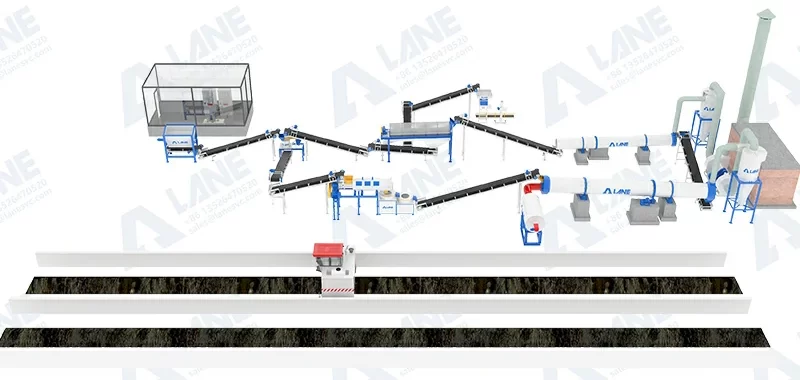
A proper production line starts with aerobic composting, which removes pathogens, weed seeds and excess moisture, then crushes, granulates, dries, cools, screens and packages the material into uniform granules of organic fertilizer for organic farming.
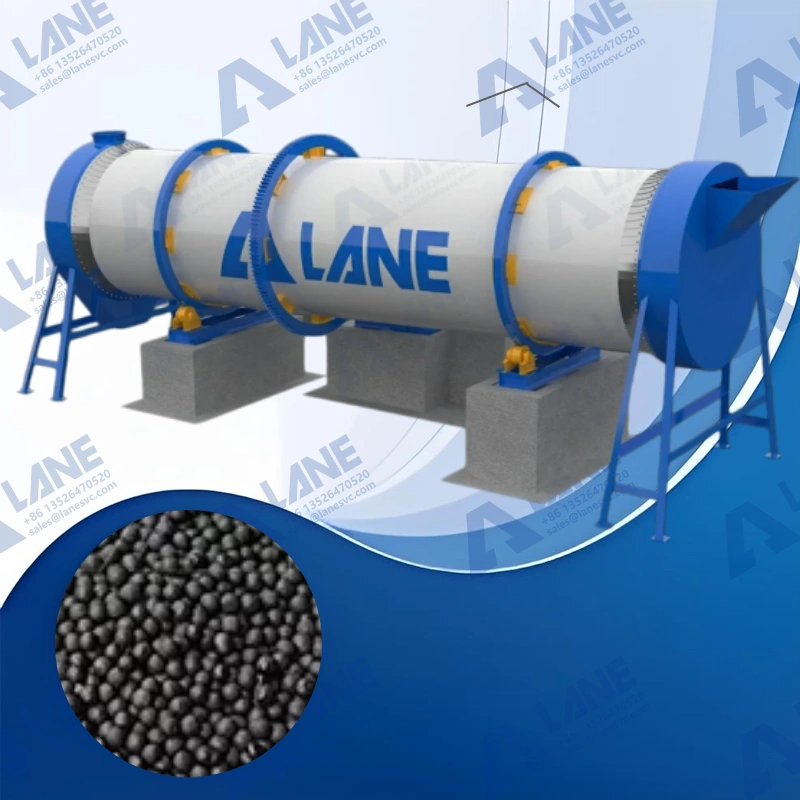
Typical equipment includes a compost turner, crusher, mixer, organic fertilizer granulator, polishing machine, rotary dryer and cooler, screener and automatic packing machine, sized to your raw material and capacity.
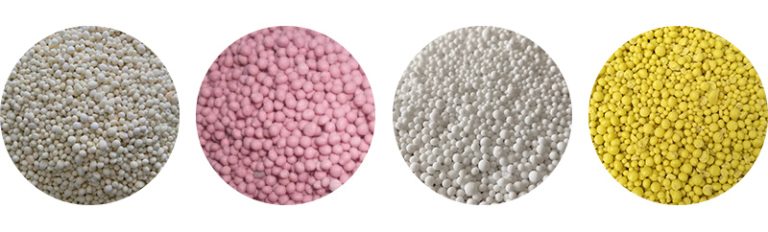
Quality shows in granule hardness, moisture content and nutrient uniformity.LANE can blend straw powder, rice husk, humic acid and beneficial microorganisms to tailor organic fertilizer for organic farming to your crop and soil.
Adding beneficial microorganisms and humic acid during mixing can further improve nutrient availability and soil biology. These additives are easy to dose in a granulation line, which is a real advantage when you want a premium organic product.
Granule size and strength matter during transport and application. LANE controls these by adjusting the granulator and polishing machine, so the granules survive bagging, shipping and spreaders without breaking into dust.
Vegetable, fruit and tea farms apply organic fertilizer for organic farming before planting and as top dressing, benefiting from slow-release nutrients and improved soil structure.
Organic certification projects use composted manure granules to replace synthetic inputs, and farms converting from conventional to organic often start with a small granulation line.
Greenhouse and field systems both suit organic fertilizer for organic farming, applied by spreader, drill or banding, depending on crop and soil conditions.
Application rates depend on crop demand and soil test results. Because the granules release slowly, you can apply them as a base dressing before planting and top-dress during the growing season without worrying about root burn.
Many growers combine granulated organic fertilizer with green manures or compost tea to build a complete fertility program. The granulated form is convenient to store, handle and spread with standard equipment.
Is organic fertilizer for organic farming just compost?
No, compost is the raw stage; granulated organic fertilizer is stable, easy to store and apply, with consistent nutrient content.
Can I make it from my own farm waste?
Yes, LANE builds small and large lines that turn your poultry or livestock manure, straw and crop residue into granules on site.
How long do the nutrients last?
Because granules release slowly, one application can feed the crop for weeks, reducing the number of passes compared with soluble fertilizers.
Do I need certification to sell it?
Certification depends on your market, and LANE helps you plan a clean, traceable process that fits organic or regional standards.
How much does it cost to produce?
Production cost depends on raw material, capacity and energy, but converting your own farm waste into granules often cuts input costs compared with buying packaged organic fertilizer.
Organic fertilizer for organic farming works best when it is produced consistently, and a reliable granulation line is the key.
Contact LANE with your raw material and target output, and we will design a compact or full-scale line, provide a factory price and help you grow healthy, certified crops.
A good production line pays for itself by turning a waste problem into a consistent, saleable product. Whether you need a small on-farm unit or a full commercial plant, LANE supports the whole process from design to installation.
Investing in your own granulation capacity also gives you control over quality. You decide the raw materials, the additives and the final granule, so the product always matches the standard your market expects.

Everything you need to know when looking at different types of organic fertilizer equipment, all in one place.
Copyright © 2026. LANE All rights reserved.
Send A Message