LANE Machinery’s rotary drum dryer delivers uniform, high-efficiency drying for organic, NPK compound, and mineral fertilizer granules. Capacity 1–50 TPH. Custom design, ISO certified, global turnkey support.
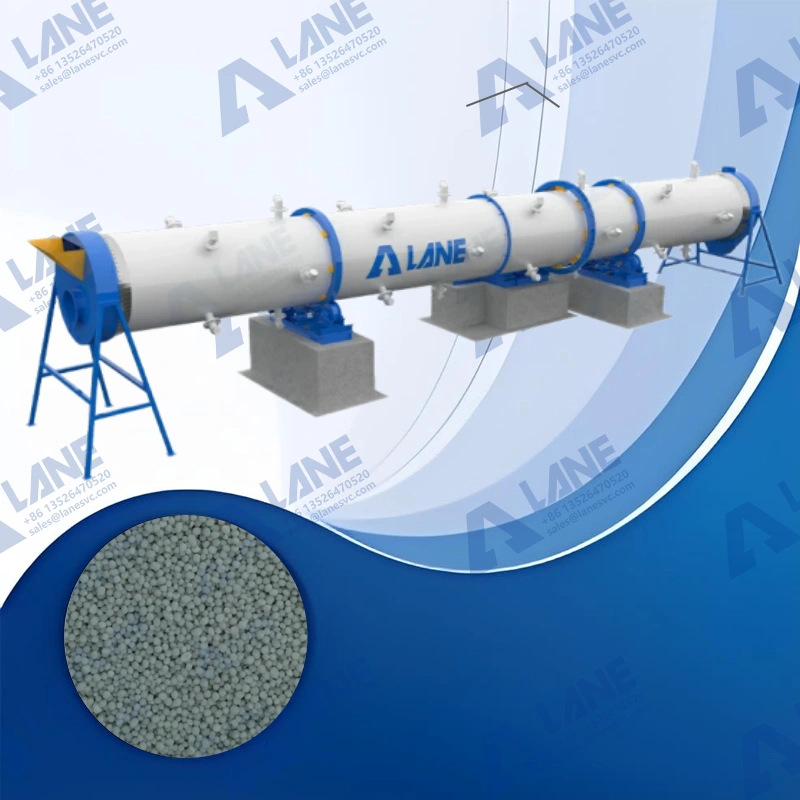
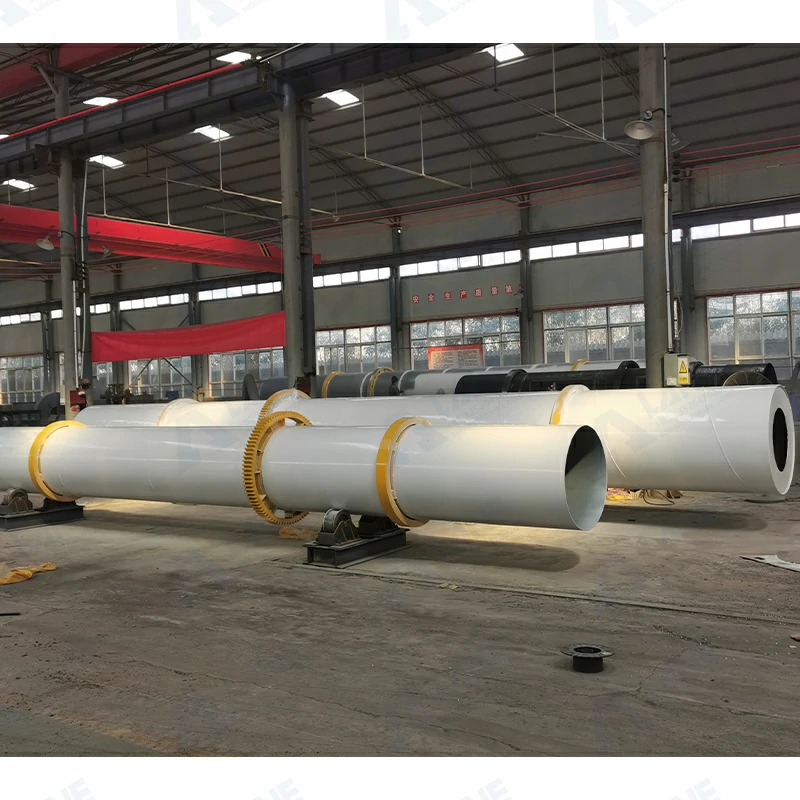
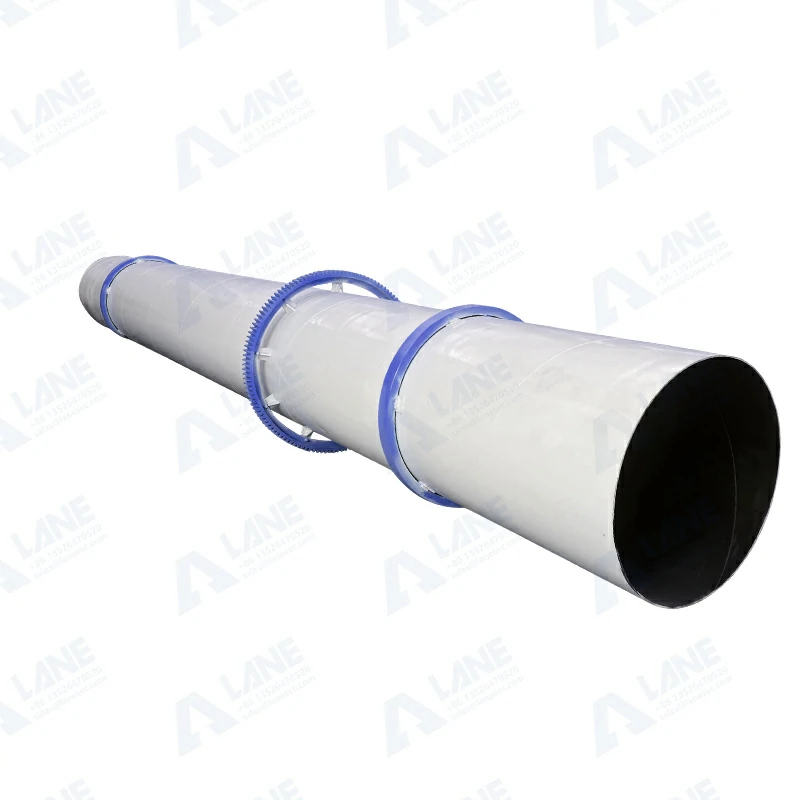
The rotary drum dryer is a core piece of thermal processing equipment in modern fertilizer production lines. Engineered by LANE Machinery (Henan LANE Heavy Industry Machinery Technology Co., Ltd.), our rotary drum dryer efficiently reduces moisture content in fertilizer granules — from organic manure, NPK compound fertilizer, to mineral-based products like SSP, TSP, MAP, and DAP. Using an advanced convective heat transfer design with optimized internal lifting flights, the dryer ensures uniform moisture removal while simultaneously polishing granule surfaces for improved product quality.
With over a decade of engineering experience and hundreds of turnkey fertilizer plant installations worldwide, LANE Machinery rotary drum dryers are trusted by fertilizer manufacturers across Asia, Africa, the Middle East, and South America for their reliability, energy efficiency, and low maintenance costs.
Key Capability: Reduces moisture from 40–80% down to ≤13% (or as low as 1.5% for specific applications), depending on feedstock and process requirements.
Our rotary drum dryer features an optimized heat convection system with precisely angled lifting flights. These flights create a dense, uniform “material curtain” as granules cascade through the hot air stream, ensuring maximum surface-area contact and rapid moisture evaporation. Compared to conventional designs, this achieves 10–15% greater fuel efficiency.
Whether processing sticky organic chicken manure at 60–80% moisture or treating chemical compound fertilizer granules at 15–25% moisture, the dryer’s adjustable drum speed (3–8 r/min), variable inclination (2–5°), and customizable flight patterns accommodate diverse feedstocks without clogging or uneven drying.
The tumbling action inside the drum not only dries but also rounds and polishes granules, improving their physical integrity, reducing dust generation, and enhancing the appearance of the final fertilizer product — a critical quality factor for market competitiveness.
Compatible with LANE Machinery’s hot air furnace systems using coal, natural gas, diesel, biomass pellets, or electricity as fuel. Direct (co-current) and indirect heating configurations available based on material sensitivity and process requirements.
Integrated dust collection system (cyclone separator + wet scrubber or baghouse filter) ensures exhaust emissions meet local environmental regulations. Closed-system operation minimizes workplace dust exposure.
Designed for non-stop industrial production with heavy-duty reducer (ZQ/ZSY series, hard-tooth surface), variable frequency drive (VFD) options, and oversized bearings rated for continuous high-temperature service.
The LANE Machinery rotary drum dryer operates on a co-current or counter-current convective drying principle:
[Wet Material Feed] → [Rotating Inclined Drum] → [Hot Air Flow] → [Moisture Evaporation] → [Dry Material Discharge]Step 1 — Feeding: Wet fertilizer granules or raw materials enter the drum through a sealed feed chute and screw conveyor at the elevated inlet end.
Step 2 — Drum Rotation & Material Flow: The cylindrical drum is installed at a 3–5° inclination and rotates at a controlled speed (typically 4–6 r/min). Gravity combined with drum rotation gradually advances material from the feed end to the discharge end.
Step 3 — Hot Air Introduction: Hot air (120–800°C, depending on process requirements) generated by a connected hot air furnace or burner system enters the drum, flowing either in the same direction as the material (co-current, recommended for heat-sensitive organic fertilizers) or counter to it (for higher thermal efficiency with chemical fertilizers).
Step 4 — Material Cascading & Heat Exchange: As the drum rotates, internal lifting plates scoop up material and shower it through the hot gas stream in a continuous curtain. This maximizes the surface area for heat and mass transfer, causing moisture to flash-evaporate.
Step 5 — Moisture Exhaust: Humid exhaust air is drawn out by an induced draft fan, passing through cyclone dust collectors and wet scrubbers or baghouse filters to remove entrained particles before atmospheric discharge.
Step 6 — Dry Product Discharge: Dried material exits at the discharge end and is immediately transferred to a rotary drum cooler for temperature reduction before screening, coating, and packaging.
| Flow Pattern | Best For | Characteristics |
|---|---|---|
| Co-current (same direction) | Organic fertilizers, heat-sensitive materials | Prevents overheating; highest-temperature gas contacts wettest material at inlet, protecting dry granules from thermal degradation |
| Counter-current (opposite direction) | Mineral/chemical fertilizers (NPK, DAP, MAP) | Higher thermal efficiency; lower exit-gas temperatures; better for materials that can withstand higher final temperatures |
The rotary drum dryer is an indispensable component in the following fertilizer production lines designed and supplied by LANE Machinery:
| Production Line | Typical Feed Moisture | Target Moisture | Notes |
|---|---|---|---|
| Organic Fertilizer Line | 50–80% | 15–20% | Animal manure, crop straw, municipal sludge; co-current flow preferred; lower drying temps (60–80°C inlet for some designs) |
| NPK Compound Fertilizer Line | 15–25% | ≤1.5% | After steam granulation; counter-current flow for max efficiency |
| SSP / TSP / MAP / DAP Line | 12–18% | ≤1.5% | Phosphate fertilizer; requires precise temperature control to preserve nutrient content |
| BB Fertilizer Line | Variable | Storage-stable | Trim drying for individual granule components |
| Potassium Sulfate (SOP) Line | 10–15% | ≤1% | Mineral-based; high-temp tolerance |
| Ammonium Sulfate Line | 8–15% | ≤1% | Crystallization byproduct drying |
| Bio-organic / Microbial Fertilizer | 40–60% | 20–25% | Low-temperature drying essential to preserve beneficial microorganism viability |
LANE Machinery Rotary Drum Dryer — Model Range
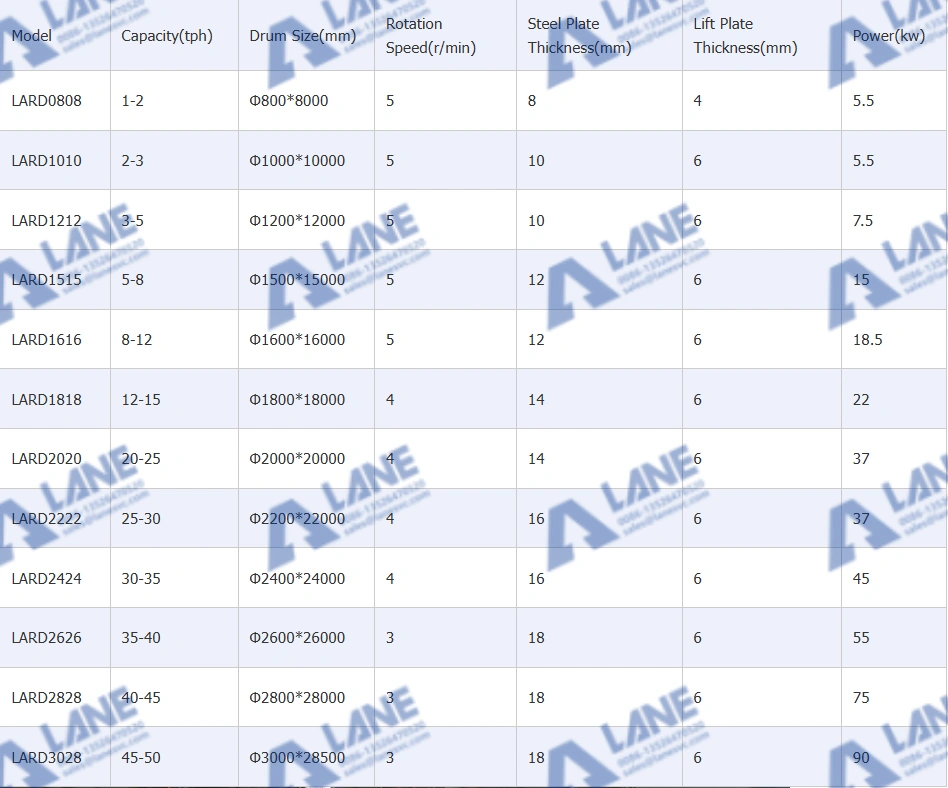
Note: All specifications are for standard configurations. LANE Machinery provides fully customized designs — contact our engineering team with your specific capacity, feedstock, moisture reduction target, and site constraints for a tailored solution.
| Parameter | Specification |
|---|---|
| Material of Construction (Drum) | Q235B / Q345B carbon steel (stainless steel 304/316L optional for corrosive materials) |
| Lifting Plate Material | Wear-resistant alloy steel / stainless steel, 4–10 mm thickness |
| Supporting Roller Material | ZG45 / ZG55 cast steel |
| Reducer Type | ZQ / ZSY series hard-tooth surface gear reducer |
| Motor Brand | Siemens / ABB / Chinese domestic (per customer preference) |
| VFD Option | Available — enables precise rotation speed adjustment for different materials |
| Sealing Type | Multi-layer labyrinth seal + graphite packing |
| Heat Source | Hot air furnace (coal/gas/oil/biomass) or burner — matched to dryer capacity |
| Dust Collection | Cyclone separator (standard) + wet scrubber or baghouse filter (optional upgrade) |
| Control System | PLC automatic control (optional) with temperature, humidity, and speed monitoring |
The rotary drum dryer works as part of an integrated drying-cooling system:
Granulator → Belt Conveyor → Rotary Drum Dryer → Belt Conveyor → Rotary Drum Cooler → Bucket Elevator → Rotary Screener → (Coating Machine) → Automatic Packing
                     ↑                                              ↑
               Hot Air Furnace                                Induced Draft Fan
                  / Burner                                  (to dust collection)
Critical synchronization: Drying and cooling must be capacity-matched. LANE Machinery engineers size both the dryer and the downstream cooler as a unified pair, ensuring seamless material flow, consistent output quality, and optimal energy utilization. Waste heat from the cooling stage can optionally be recirculated to preheat dryer inlet air, improving overall system thermal efficiency.
For organic fertilizers (manure, compost), the dryer typically reduces moisture from 50–80% down to 15–20%. For NPK and chemical compound fertilizers, reduction from 15–25% down to ≤1.5% is standard. Actual results depend on inlet temperature, drum residence time, material characteristics, and airflow design.
In co-current drying, hot air and material flow in the same direction. The hottest gas contacts the wettest (coolest) material at the inlet, protecting dry granules from overheating — ideal for heat-sensitive organic fertilizers. In counter-current drying, hot air flows opposite to material movement, achieving higher thermal efficiency — ideal for mineral and chemical fertilizers that tolerate higher final temperatures.
Our dryers are compatible with hot air furnaces burning coal, natural gas, heavy oil, diesel, biomass pellets, or even waste heat recovery. Electric heating is also available for regions with strict emissions requirements or abundant hydropower. Contact our team for the most cost-effective fuel recommendation based on your local energy prices and environmental regulations.
With standard maintenance (periodic lubrication, annual inspection of lifting plates and seals), a LANE Machinery rotary drum dryer typically operates reliably for 10–15 years. Key wear parts — lifting flights, sealing rings, and support rollers — are designed for easy replacement without major disassembly.
Yes. Our dryers feature adjustable drum speed (VFD), variable temperature control, and interchangeable lifting flight configurations, allowing a single dryer to process different fertilizer formulations (e.g., NPK 15-15-15 today, organic manure tomorrow) with minimal changeover time.
Yes. As a turnkey solution provider, LANE Machinery offers comprehensive services: factory design & layout, equipment manufacturing, on-site installation supervision, commissioning, operator training, and ongoing technical support. Our engineers travel globally to ensure your production line is operational and optimized.
| Attribute | LANE Machinery Commitment |
|---|---|
| Experience | 10+ years focused exclusively on fertilizer equipment engineering and turnkey plant delivery |
| Expertise | In-house engineering team skilled in process design, mechanical engineering, and automation |
| Quality | ISO 9001 certified manufacturing; all welds ultrasonically tested; complete factory acceptance testing (FAT) before shipment |
| Customization | Every dryer sized and configured to your specific throughput, feedstock, moisture, and site requirements |
| Global Support | Installation, commissioning, and training available worldwide; spare parts shipped express |
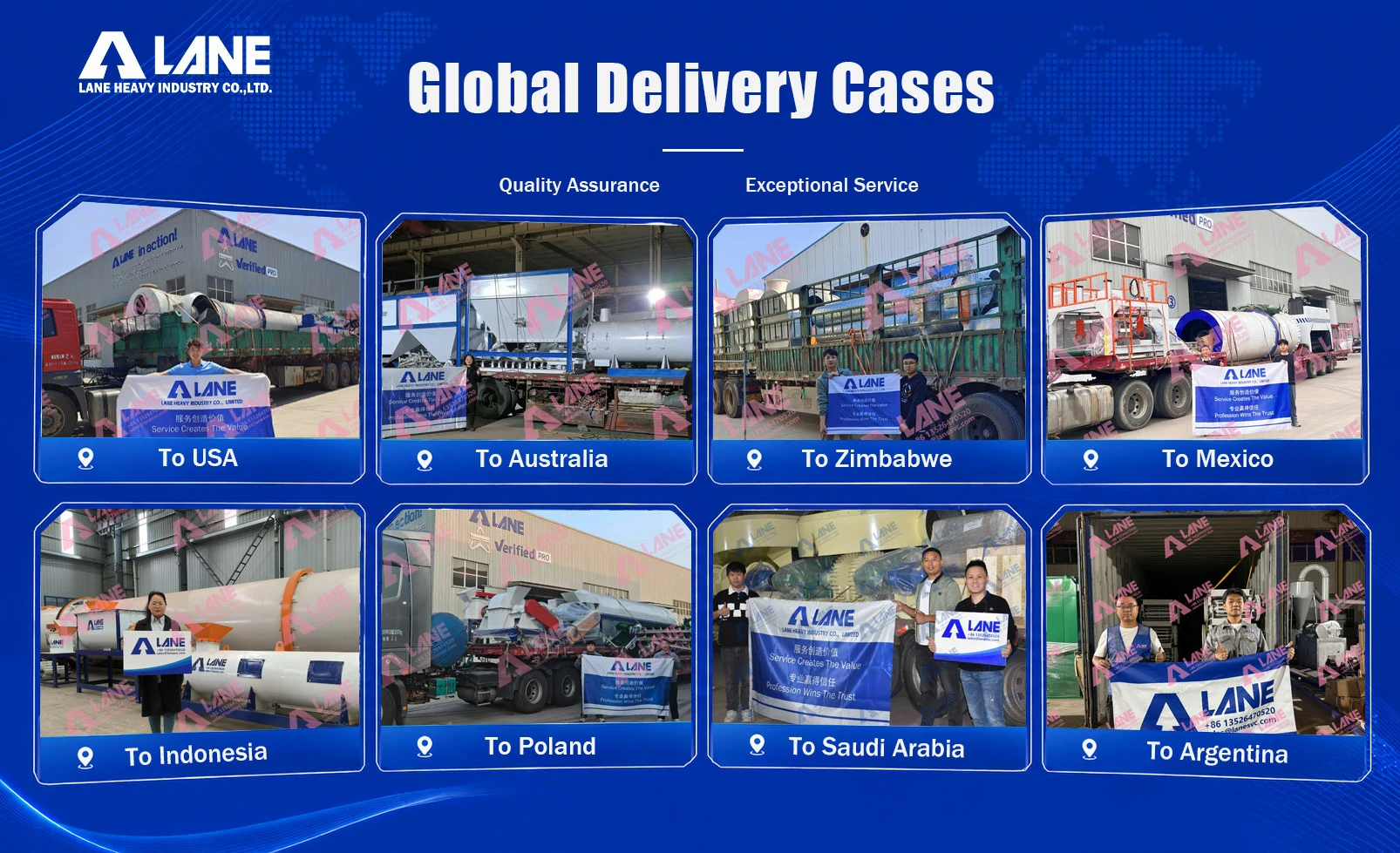
| Proven Track Record | 500+ turnkey fertilizer plants in operation across 30+ countries |
 Get a Quote & Technical Proposal
Ready to integrate a high-efficiency rotary drum dryer into your fertilizer production line? Contact LANE Machinery’s engineering team for a customized technical proposal and quotation based on your specific requirements.
What to include in your inquiry for fastest response:
LANE Machinery — Your Trusted Partner for Complete Fertilizer Production Solutions.


Everything you need to know when looking at different types of organic fertilizer equipment, all in one place.
Copyright © 2026. LANE All rights reserved.