
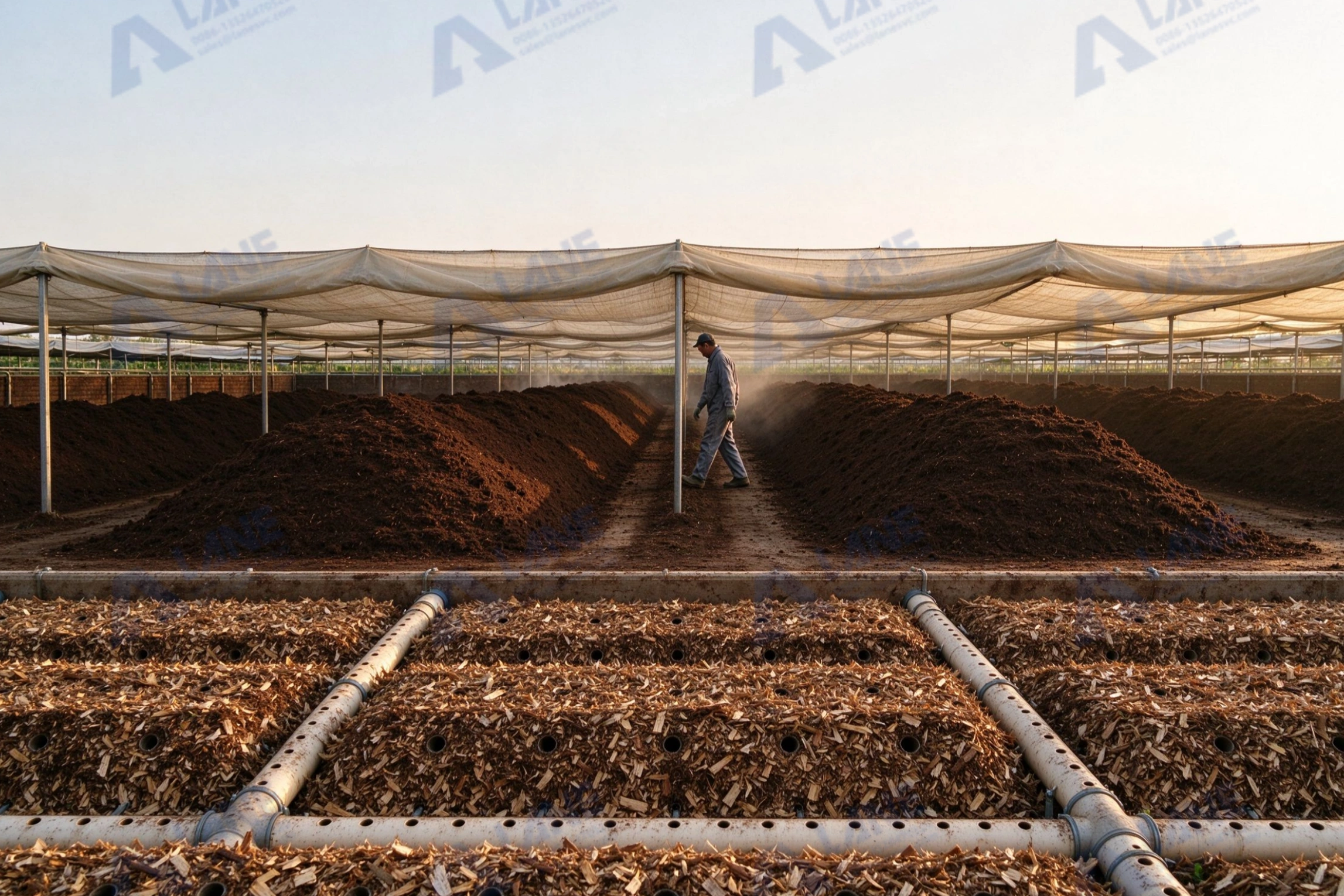
Compost odor control methods for organic fertilizer plants: biofilters, C/N balance, aeration and LANE turnkey equipment for a clean site.
Odor is the complaint every organic fertilizer plant hears first. A neighbor calls, an inspector shows up, or a worker starts avoiding one corner of the yard.
Compost odor control methods exist to prevent exactly that, and they work when they are built into the process instead of patched on afterward. The good news is that most smells come from a handful of the same mistakes, and fixing them is more about discipline than expensive hardware.
This guide looks at the methods that hold up in daily operation, based on the equipment LANE designs for composting, crushing, granulating, drying and screening at turnkey organic fertilizer plants.
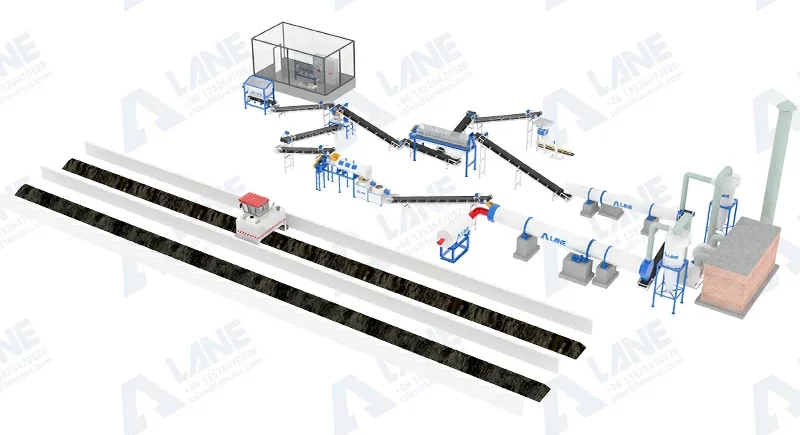
Below I cover the payoff of compost odor control, the numbers that matter on the floor, where each method fits, and the questions buyers keep asking. The aim is a clean site that keeps production high.
The first benefit is obvious: fewer complaints. A site that applies compost odor control keeps its social license, which matters more than any single machine when your plant sits close to a town or another farm.
Good control also protects the process itself.A strong smell usually means the pile has gone anaerobic, which slows decomposition and lowers the quality of the end product. Fix the smell and you are usually fixing the biology too.
Then there is the regulatory angle.More regions are putting odor limits into operating permits, and being able to show control makes approval and renewal far easier.
Finally, workers stay happier and stay longer.A plant that does not smell bad is easier to staff, and better retention saves money you never see on a budget line.
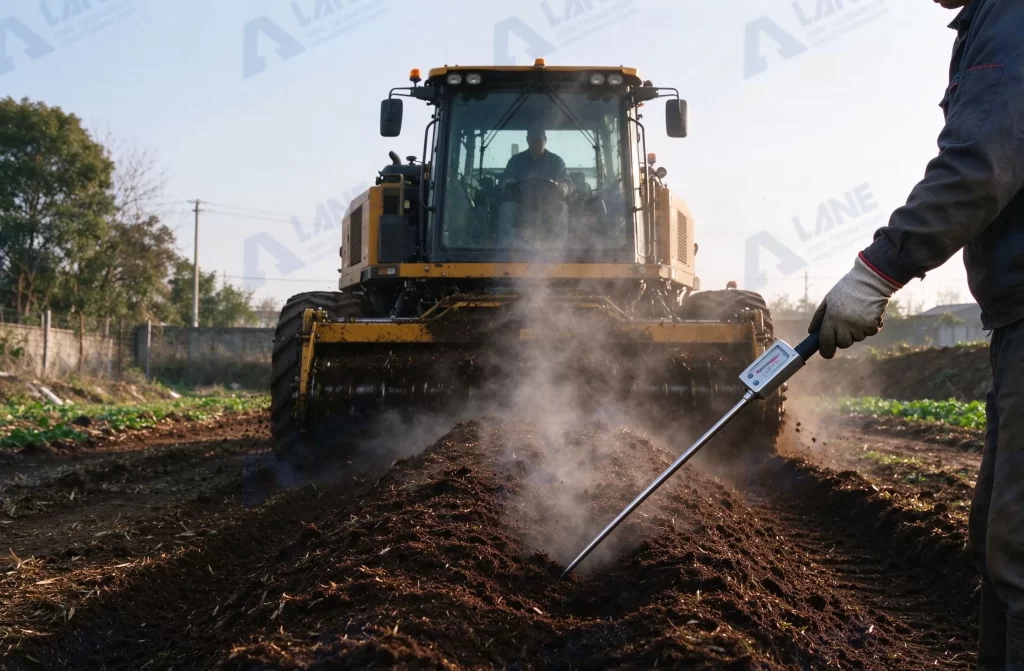
The parameters that drive odor are the same ones that drive good composting. Manage them and the smell stays inside the pile; ignore them and it comes out.
The table below shows the targets we check on a composting line. Your feedstock moves the exact numbers, but these ranges are a sound starting point.
|
Parameter |
Typical Range / Guideline |
| C/N ratio |
25:1 to 30:1 |
|
Moisture content |
50-65 percent |
| Oxygen / aeration |
Aerobic, not anaerobic |
|
Pile temperature |
55-65 C in the core |
| Turning frequency |
Every 1-3 days in active phase |
|
Bulking agent |
Wood chips, straw, sawdust as needed |
A biofilter is one of the most reliable compost odor control layers you can add. A bed of wood chips and compost with the right moisture scrubs ammonia and other gases before they reach the air, and in our experience a well-run biofilter cuts stack odor more than people expect.
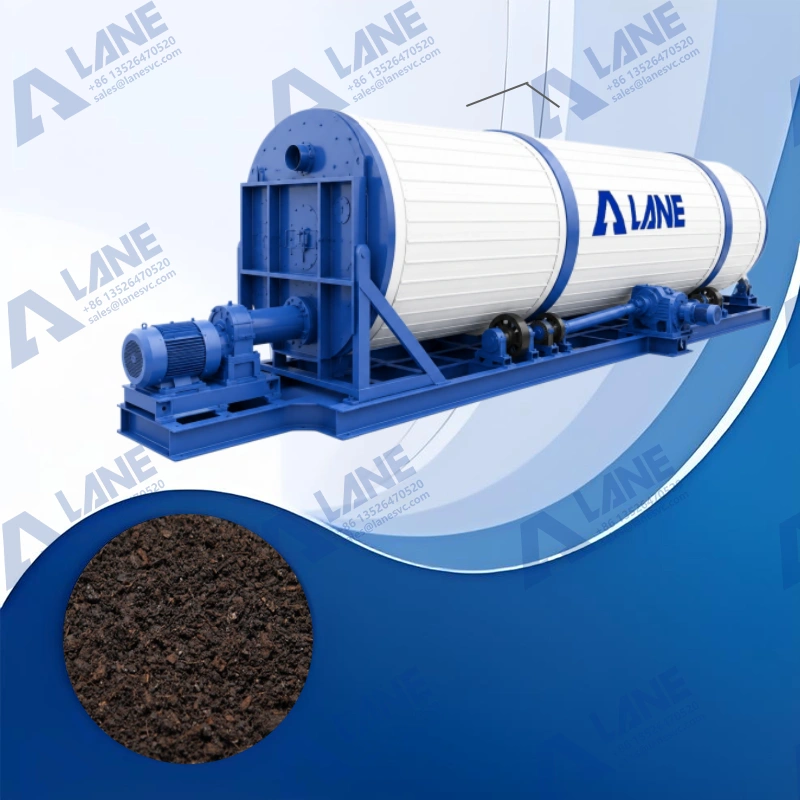
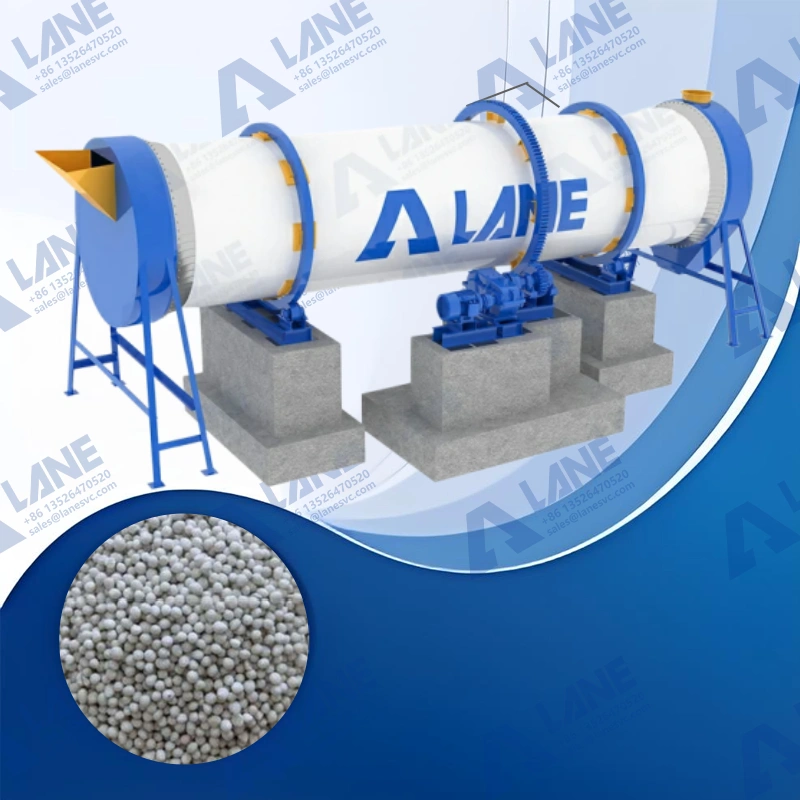
On the equipment side, LANE’s rotary drum fermenter is a strong option for continuous aerobic composting. Because the drum keeps turning and air moving through the batch, oxygen stays available and odor stays under control compared with a static pile.
Site design does a lot of the work too. Placing the composting area downwind, keeping working aisles clear, and giving finished piles time to cool and cure all cut odor release at almost no cost.
Every organic fertilizer line benefits from compost odor control methods, but the fit differs by feedstock. Poultry manure is high in nitrogen and releases ammonia fast, so C/N adjustment and a biofilter matter most.
Cattle and pig manure are wetter and compact easily, which pushes moisture and aeration up the priority list, often with a bulking agent added to keep the pile open.
Agricultural waste such as coffee pulp or straw is usually drier, so adding moisture and managing turning frequency become the key moves.
For larger plants, the choice between windrow, in-vessel drum and tank systems depends on volume, space and odor sensitivity nearby. A drum fermenter is often the cleanest option when neighbors are close.
Why does my pile still smell despite compost odor control methods?
Ammonia usually means too much nitrogen relative to carbon. Raise the C/N ratio with wood chips or straw, and the smell usually drops within days.
How often should I turn the pile?
During the active phase, every one to three days keeps oxygen in. Turning less than that lets the pile go anaerobic and the smell comes back.
Will a biofilter really stop the odor?
Yes, when it is sized correctly, kept moist and not overloaded. It is the most effective low-cost layer for stack and pile odor.
Can LANE help me control odor on my line?
Yes. LANE supplies composting equipment including rotary drum fermenters, plus complete organic fertilizer production lines, with overseas installation and a five-year warranty.
Controlling odor is not about chasing every smell with a machine. It is about running the pile aerobically, balancing carbon and nitrogen, keeping moisture in range, and giving the air a chance to be cleaned.
When those compost odor control basics hold, the smell stays inside the process and your plant stays welcome in the neighborhood.
If you are building or upgrading a line, LANE can help you choose the right composting equipment and layout. Send them your feedstock, tonnage and site conditions, and you will get a practical proposal.

Everything you need to know when looking at different types of organic fertilizer equipment, all in one place.
Copyright © 2026. LANE All rights reserved.
Send A Message