
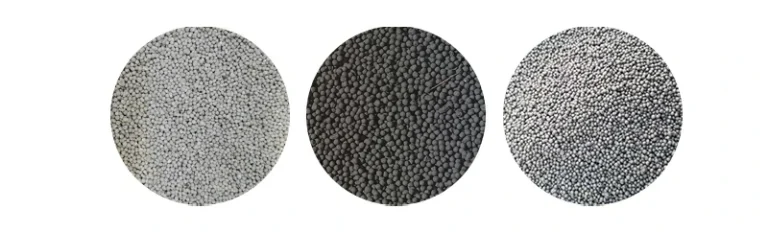
Organic fertilizer vs chemical fertilizer: compare effects on soil, yield, environment, and produce organic fertilizer with reliable equipment.
Every farmer eventually faces the organic fertilizer vs chemical fertilizer question.
Chemical products deliver fast, measurable yield gains, while organic fertilizer feeds the soil itself and pays back over many seasons.The hidden costs of chemicals—compacted soil, salt buildup, and falling produce quality—only surface later.
For growers who want long-term soil health, lower input costs, and cleaner farming, the organic fertilizer vs chemical fertilizer choice leans clearly toward organic.And to turn farm waste into consistent, market-ready granules, you need dependable organic fertilizer granulation equipment.
The organic fertilizer vs chemical fertilizer comparison begins with how each one treats the soil.
Organic fertilizer improves soil aggregation, water retention, and microbial life, so roots stay healthy season after season.Chemical fertilizer, in contrast, often feeds the plant at the expense of the soil, and repeated use can lead to compaction and salt accumulation that becomes expensive to reverse.
Nutrient release is the second big difference in the organic fertilizer vs chemical fertilizer debate.
Organic fertilizer releases nitrogen, phosphorus, and potassium slowly, matching plant uptake and reducing the risk of burning roots or washing nutrients away.Chemical fertilizer is quick-acting, but a large share of its nutrients can be leached or volatilized before the crop can use them, which also means more frequent applications and higher input bills over time.
There is also an environmental angle to the organic fertilizer vs chemical fertilizer decision.
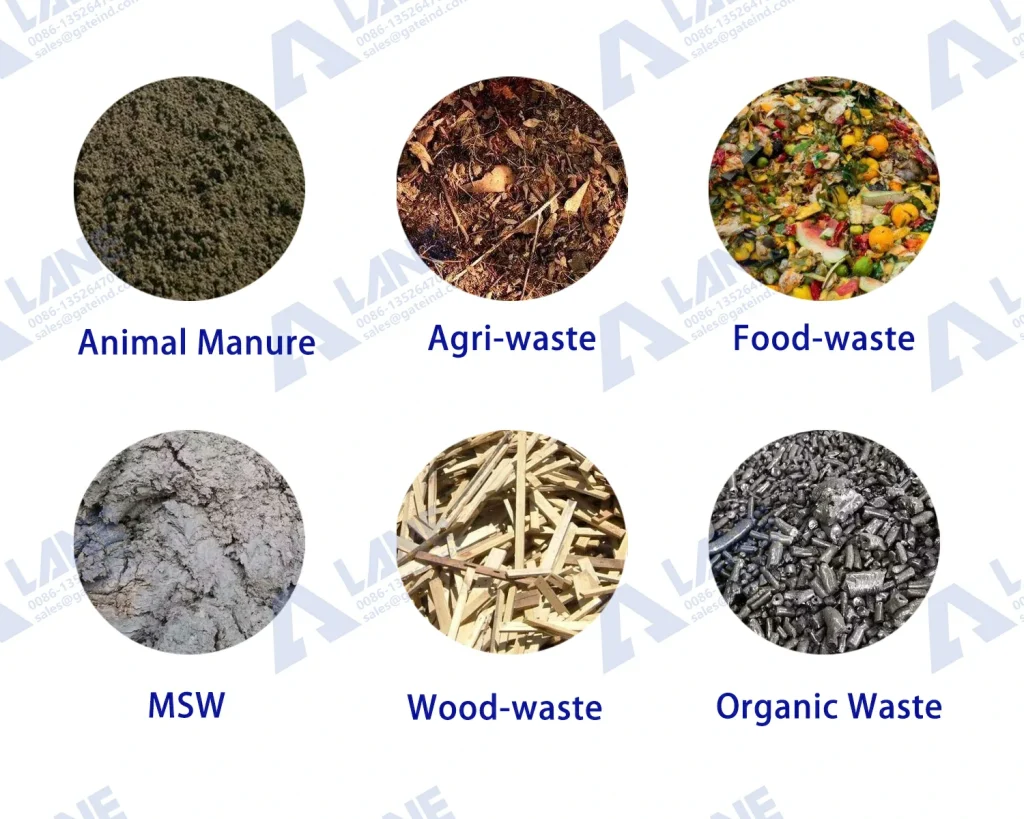
Organic fertilizer recycles livestock manure, crop residue, and municipal sludge into value, cutting waste and lowering the carbon footprint of farming.Chemical production is energy-intensive, and runoff from overuse can pollute nearby water. For growers targeting sustainable or certified organic markets, the organic route is increasingly the practical one.
Once you choose organic, the next step is equipment.
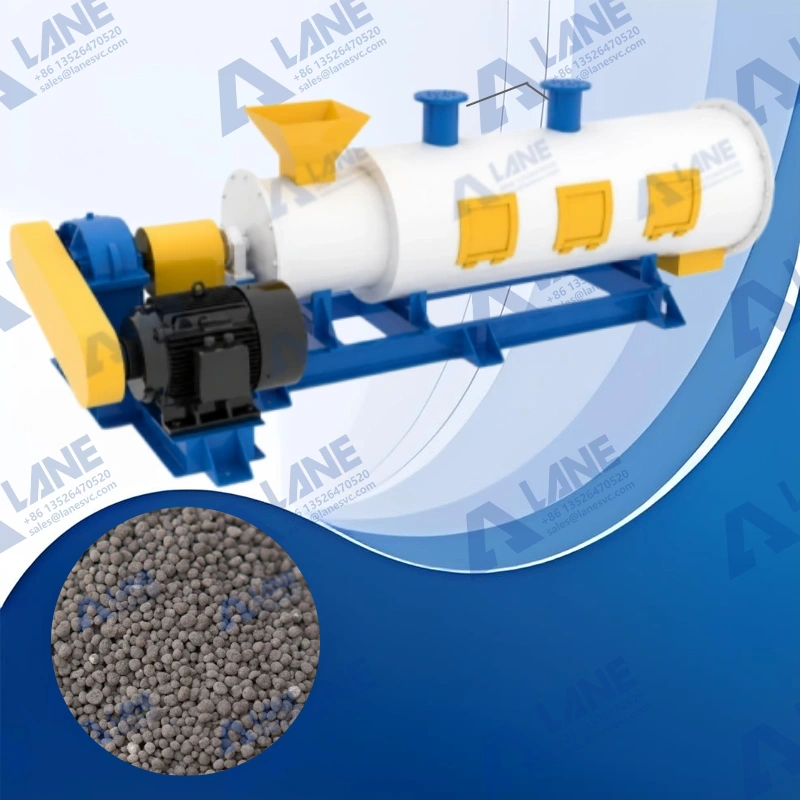
LANE’s new type organic fertilizer granulator is engineered for wet materials with 20–40% moisture, so it granulates directly without pre-drying.
Key parameters to consider when you move to an organic fertilizer vs chemical fertilizer production model include:
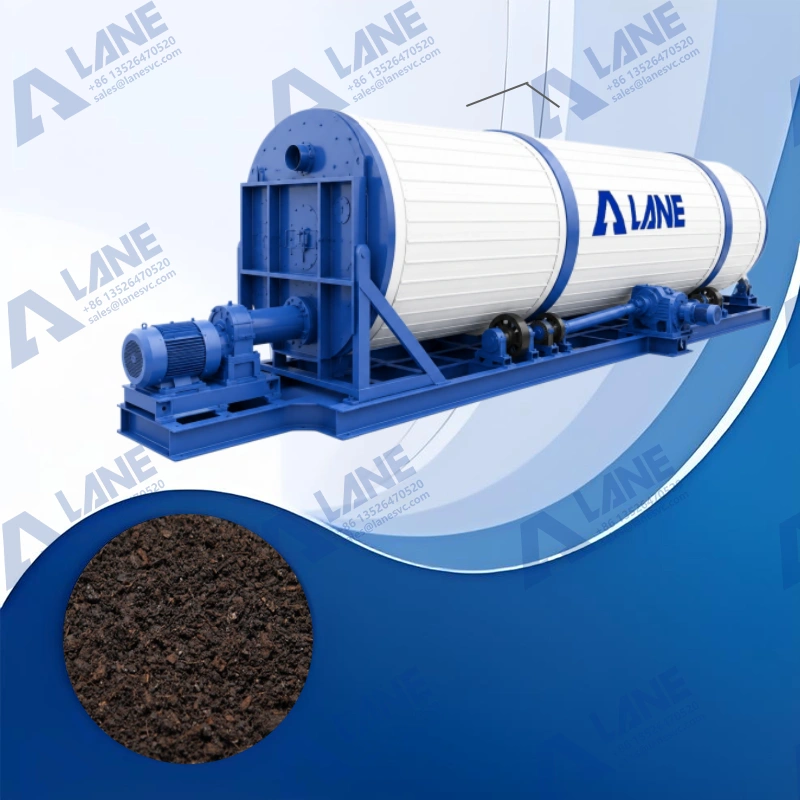
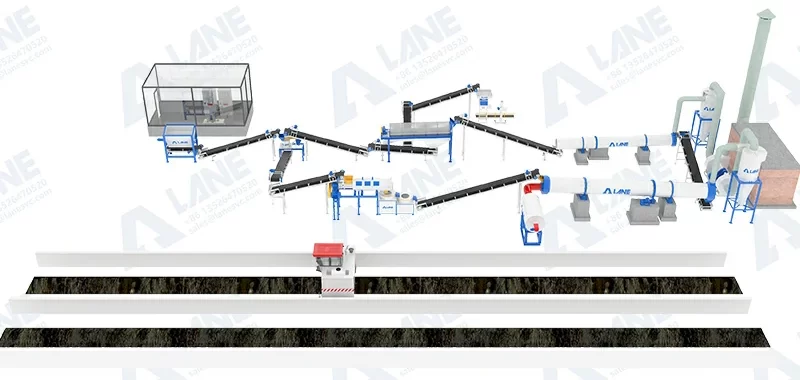
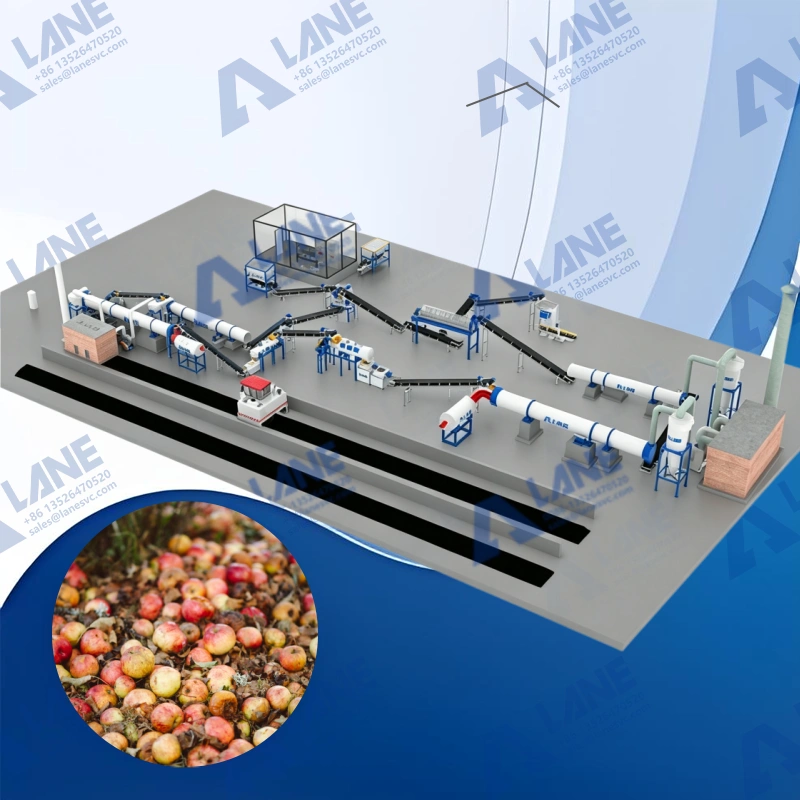
For complete production, add a rotary drum fermenter, crusher, dryer, screener, and packaging line in a PLC-controlled turnkey system.
The organic fertilizer vs chemical fertilizer transition on your own farm becomes simple when the machinery is right.
LANE offers free granulation experiments, 3D layout design, CE/ISO/SGS certification, a five-year warranty, and overseas installation.
Organic fertilizer works across almost every crop system.Use it on field crops such as maize and wheat to rebuild fertility over years.Orchards and tea gardens benefit from better fruit flavor and sugar content.
Protected vegetable farming gains from healthier soil and fewer continuous-cropping problems, while lawns and gardens stay safe for families and pets.
Because organic fertilizer releases nutrients steadily, one well-planned application often covers a whole season, saving labor and reducing the risk of overfeeding—exactly the organic fertilizer vs chemical fertilizer balance most farmers are looking for.
The scale can be large.LANE has delivered an 18 TPH coffee-waste organic fertilizer production line in Brazil, turning processing residue into saleable granules.
Whether your farm is small or industrial, the organic fertilizer vs chemical fertilizer answer is the same—organic protects the soil—but making it profitable requires stable granulation equipment matched to your raw material.
Can organic and chemical fertilizer be used together?
Yes. Apply organic fertilizer as a base and use chemical fertilizer as a top dressing, but keep the rates controlled so the soil is not overloaded.
How long does organic fertilizer take to show results?
Slower than chemical products—usually weeks to months. The soil-building benefit grows over several seasons.
How long does it take to ferment organic waste into fertilizer?
With a rotary drum fermenter, continuous high-throughput aerobic composting shortens the cycle to days instead of weeks.
How do I start producing organic fertilizer on my farm?
Build a production line—fermentation, crushing, granulation, drying, screening, and packaging—with one-stop support from LANE.
When you weigh organic fertilizer vs chemical fertilizer over the long run, organic wins for soil health, product quality, and sustainability.What makes it practical at scale is dependable machinery that turns raw waste into uniform granules.
LANE provides customized granulators and complete production lines, free trials, five-year warranty, and overseas installation.

Everything you need to know when looking at different types of organic fertilizer equipment, all in one place.
Copyright © 2026. LANE All rights reserved.
Send A Message