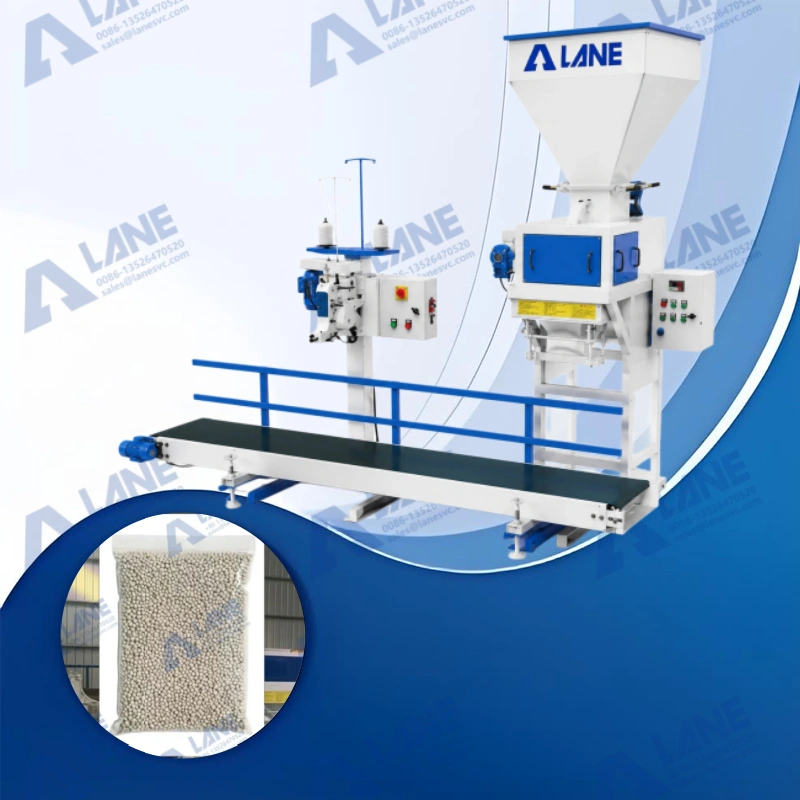
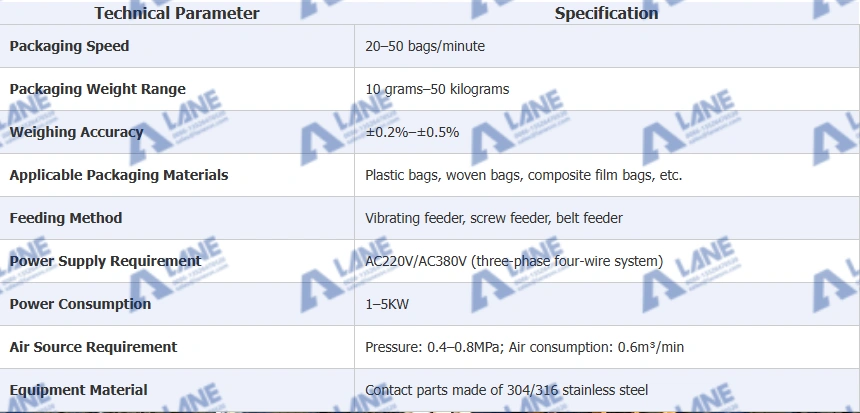
LANE Machinery’s automatic fertilizer packing machine delivers 4-12 bags/min with ±0.2% weighing accuracy. Handles 5-50kg woven, PE, and paper bags. PLC control with recipe storage. Built for NPK, organic, and BB fertilizer plants.
You have spent millions on your granulation line. The dryer runs within spec. Your screener produces a clean 2-4mm cut. And then the packing station becomes the bottleneck. We see this on plant walkthroughs all the time. A line capable of 15 tons per hour, throttled to 9 because the bagging end cannot keep pace.
Our automatic fertilizer packing machine solves that mismatch. It runs 4 to 12 bags per minute across the 5-50 kg range. More than speed, it nails consistency: bag after bag lands within ±0.2% of target weight. That matters when you are shipping container loads and your buyer’s customs agent is checking.
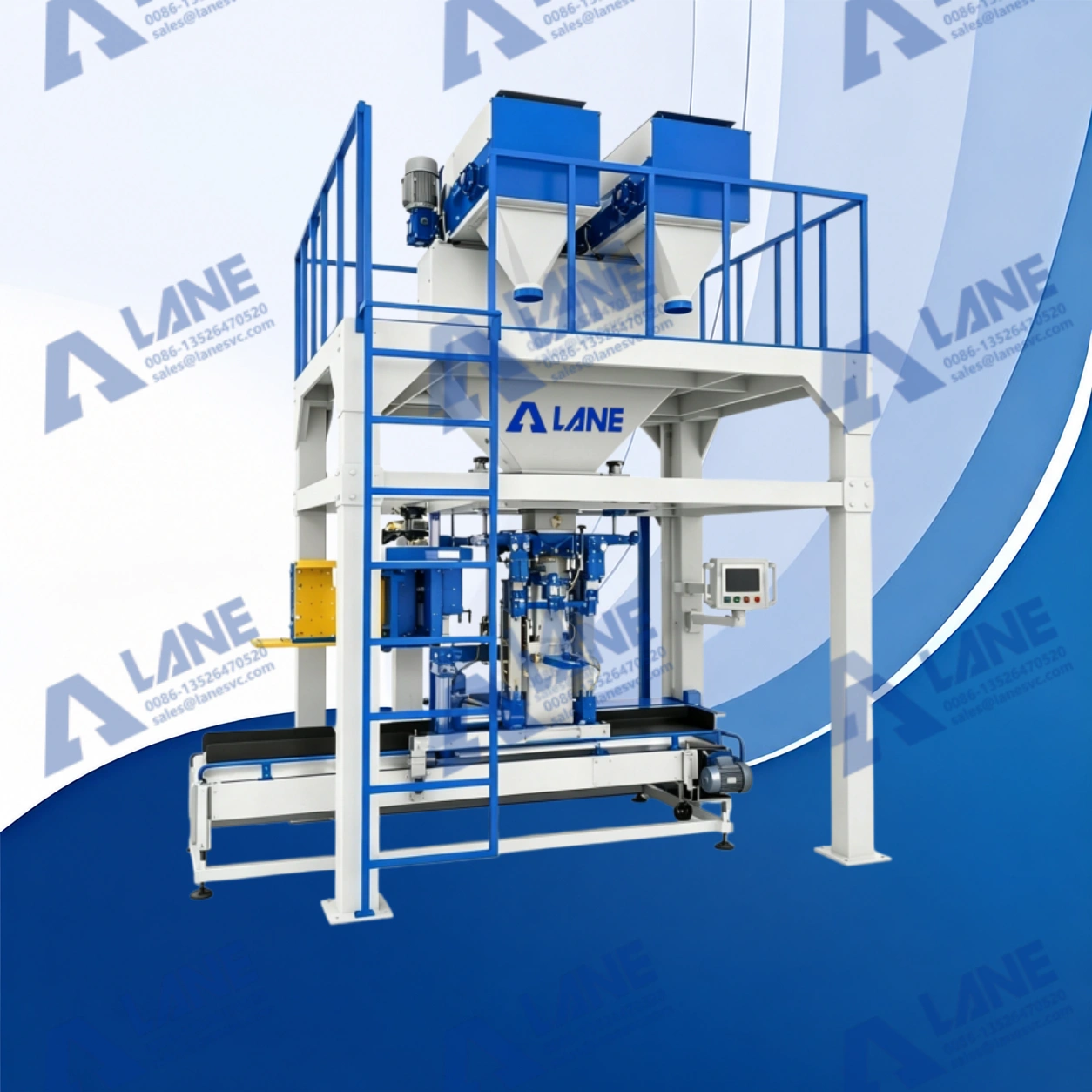
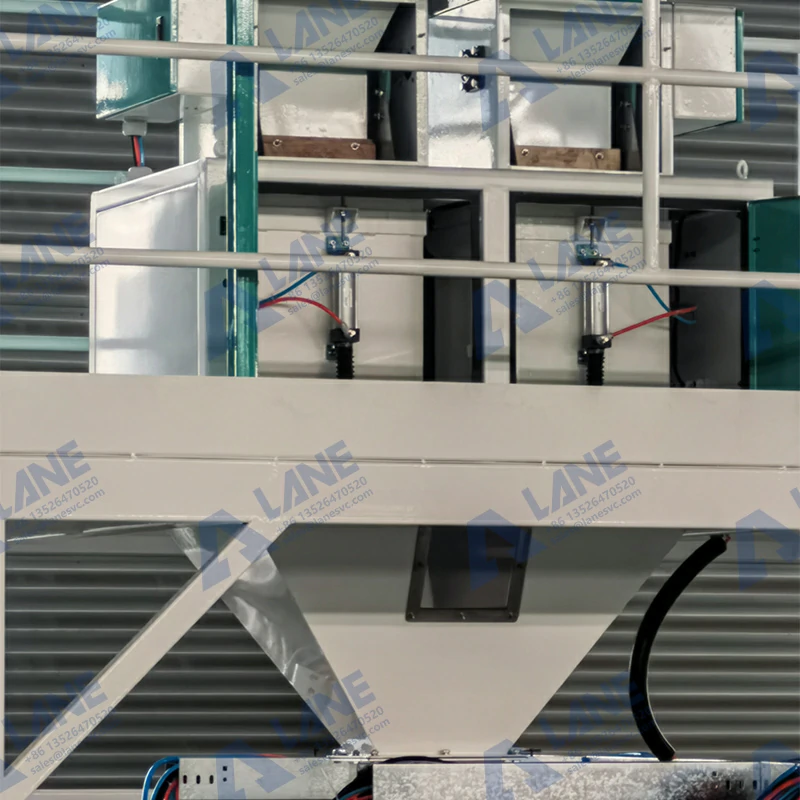
This is a net-weigh packing system built around a load cell and a PLC controller with a 7-inch touchscreen. The PLC does not just count bags. It runs real-time weight compensation. If the bulk flow dribbles heavy on bag 47, the controller trims the fine-feed cutoff on bag 48 automatically. You do not need an operator babysitting the scale.
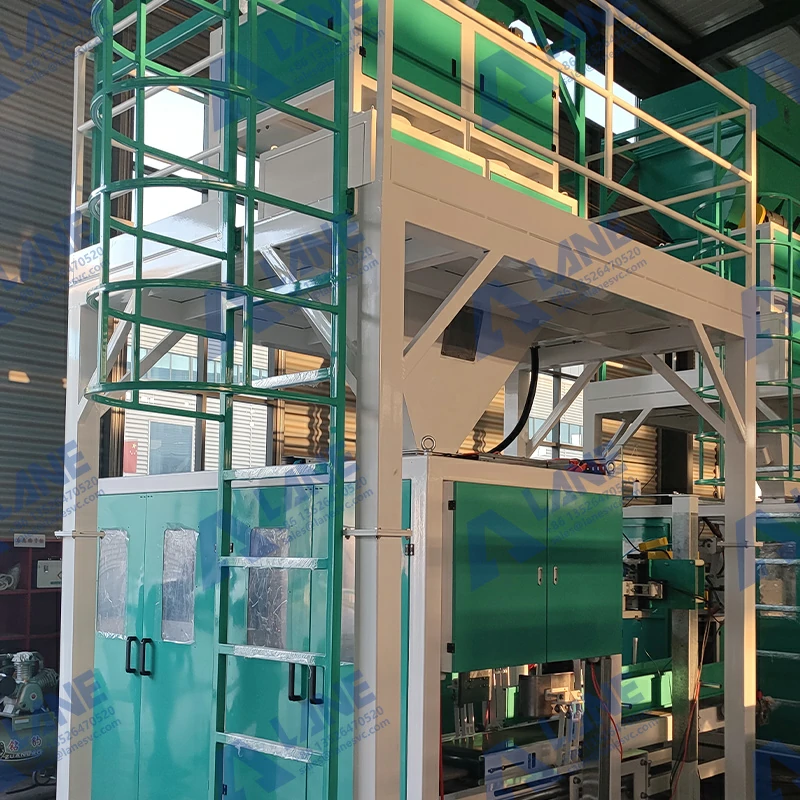
Bag pickup is pneumatic. A suction arm grabs the top bag from the magazine, opens it, and seats it on the filling spout. The clamp locks the bag in place while product drops through either a gravity gate or a belt feeder. Gravity works for free-flowing granular NPK. Belt feed handles sticky organics and blends that bridge. The filled bag drops onto a conveyor that carries it to either a sewing head or a heat sealer, depending on what you picked during spec.
Dust is a problem in any packing hall. We put the extraction port right at the fill point, not somewhere downstream where half the dust has already escaped into the room.
Pneumatic bag handling. The suction pickup, clamp, and bag-opening cycle runs on compressed air. No bag, no fill. The sensor checks that the bag is properly seated before the gate opens. Missed pickups trigger an automatic retry, not a spill.
Real-time weight compensation. The load cell samples at high frequency during the fill cycle. The PLC adjusts the bulk/dribble cutoff on every bag based on the last few bags’ results. You stay inside the ±0.2% band across a full shift.
Multi-material compatibility. Woven polypropylene bags, PE bags, paper valve bags. The clamp pressure and spout geometry adapt. Changeover between bag types takes roughly 10 minutes once your crew knows the routine.
Recipe storage. Store up to 50 recipes with bag weight, fill speed, clamp timing, and conveyor delay. Switch from 25kg NPK to 50kg organic in under two minutes on the touchscreen.
Dust control at source. The extraction port mounts directly at the fill spout. Connect it to your plant’s baghouse or a standalone cartridge collector. The contact surfaces in the fill path are stainless steel, which means no rust, no contamination, and easy washdown.
Optional closing system. Choose between a sewing head with automatic thread trim or a heat sealer with adjustable jaw temperature. Sewing holds better on woven bags that get stacked rough. Heat sealing gives a cleaner look for retail-facing product.
The operator loads empty bags into the magazine. The PLC indexes forward. The suction arm picks a bag, opens it, and places it on the spout. The pneumatic clamp engages. The weigh hopper gate opens. Product flows. The load cell tracks fill weight in real time. At the bulk cutoff point, the gate shifts to dribble feed. At target weight, the gate closes. The clamp releases. The filled bag drops to the takeaway conveyor. It passes through the sewing head or heat sealer. It hits the check weigher. If the weight is off, a reject arm pushes it aside. If it passes, it rolls toward the palletizing station.
The whole cycle takes 5 to 15 seconds depending on bag weight and product flow characteristics.
This machine handles finished NPK compound fertilizer, organic fertilizer granules, BB fertilizer blends, ammonium sulfate crystals, and DAP/MAP granules. Bag sizes from 5 kg retail packs up to 50 kg industrial bags. It works in both single-spout and double-spout configurations. A double-spout setup with two operators loading bag magazines hits the upper end of the speed range.
How do you maintain weighing accuracy over a long production run?
The load cell needs zero calibration at the start of each shift. That takes about 30 seconds from the touchscreen. The real-time compensation handles drift during the run. We recommend a physical check-weigh of one bag every 30 minutes with a platform scale. If you are running dusty material, blow out the weigh hopper’s suspension points weekly. Dust buildup between the hopper and the load cell introduces offset error.
Can the machine handle different bag materials on the same shift?
Yes. Switch between woven, PE, and paper bags by adjusting clamp pressure and spout height. The recipe system saves these parameters. Once dialed in for each material, changeover is a recipe recall plus swapping the bag magazine stack. Ten minutes, maybe fifteen while your crew is still learning.
What is the actual difference between sewing and heat sealing for fertilizer bags?
Sewn closures hold up better under rough handling and high stacking. The thread has some give, so it flexes rather than tears when bags get thrown around. Heat sealing creates a hermetic closure that looks cleaner and keeps moisture out, but the seal can crack if bags are dropped or stacked 20 high. For industrial NPK headed to a distributor’s warehouse, sew. For retail organic fertilizer in 10 kg bags on a store shelf, heat seal.
How do you control dust during the filling cycle?
The extraction port at the fill spout pulls negative pressure at the point where product drops into the bag. You need about 800-1200 m3/h of extraction per spout. Connect to a cartridge dust collector, not a cyclone. Cyclones are fine for coarse dust but the fines from fertilizer packing are sub-50-micron and will pass through.
How available are spare parts?
We stock wear items in our Henan warehouse: load cells, pneumatic cylinders, suction cups, sealing jaws, sewing needles, belts. Standard parts ship within 48 hours. We also provide a recommended spare parts list with every machine so you can keep critical items on your own shelf.
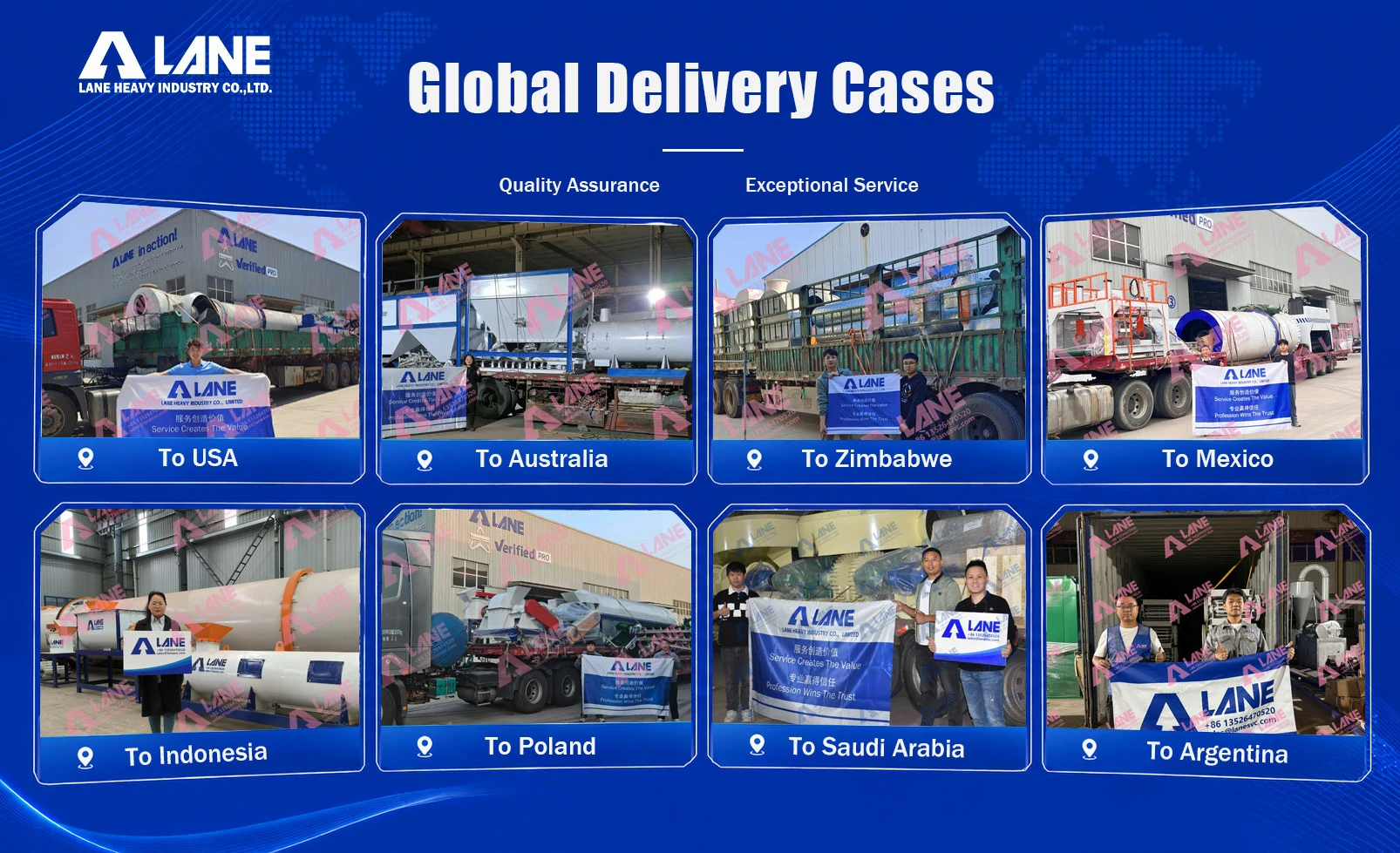
Every packing line is different. Bag size, product density, flow characteristics, and required speed all shape the machine configuration. Tell us what you are packing and what your target throughput is. We will spec the right feeder, spout count, and closing system for your line.


Everything you need to know when looking at different types of organic fertilizer equipment, all in one place.
Copyright © 2026. LANE All rights reserved.