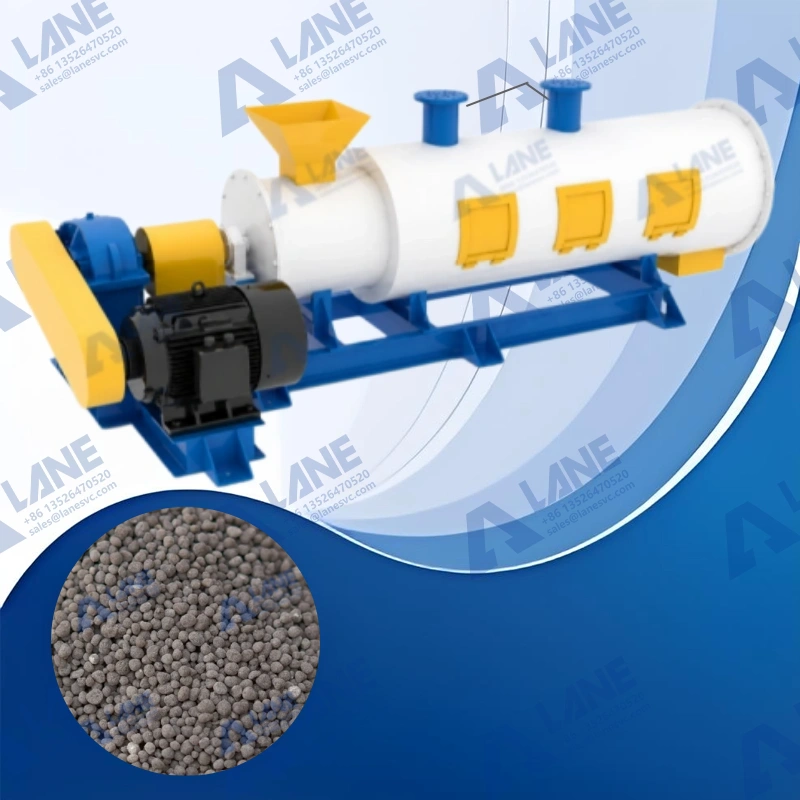
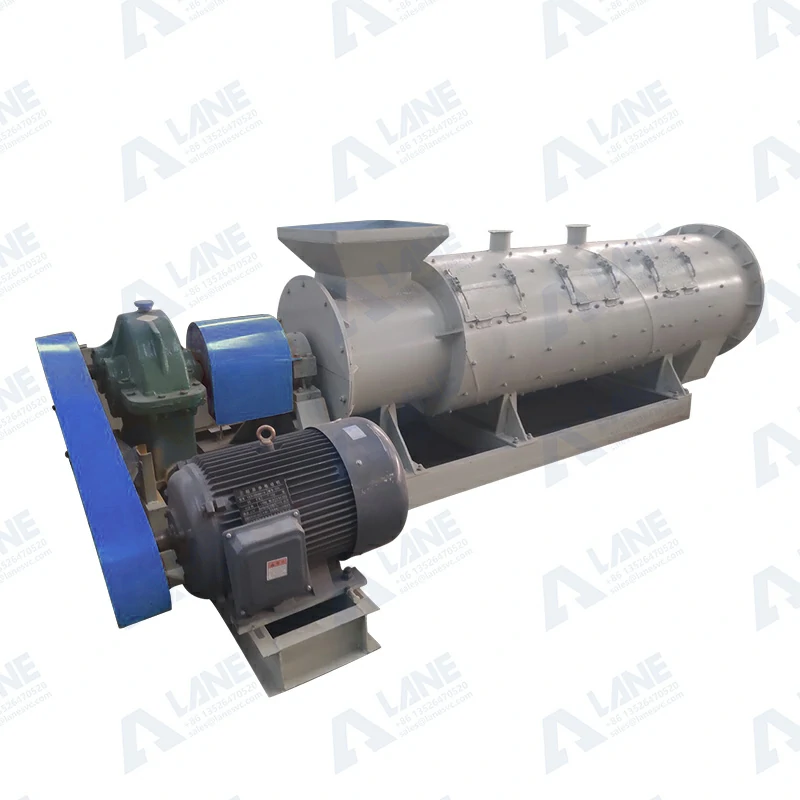
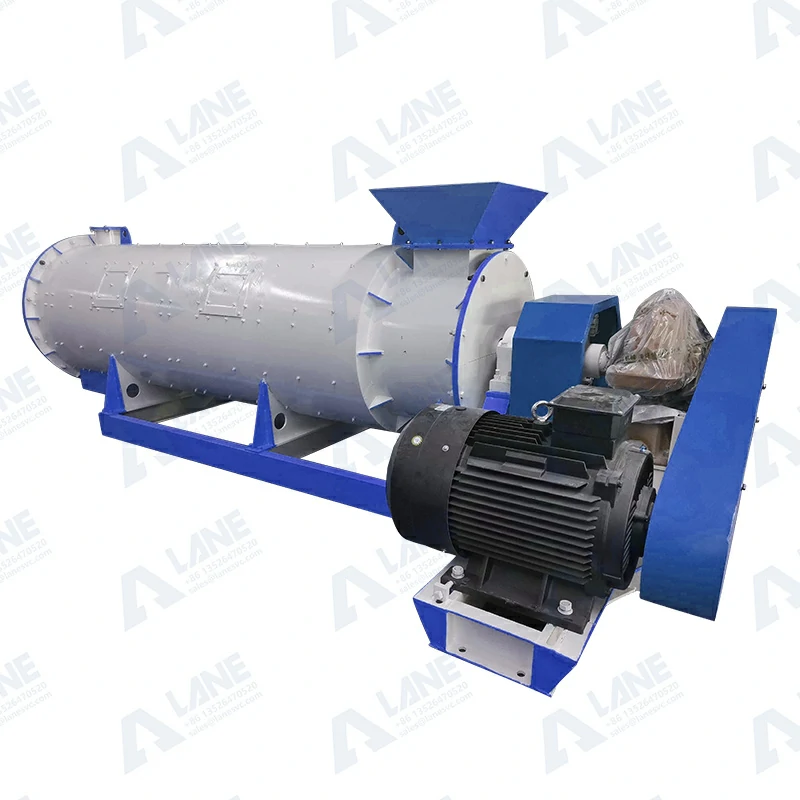
New type organic fertilizer granulator designed for wet materials with 20–40% moisture content. Produces spherical organic granules at 1–20 TPH. Ideal for animal manure, compost, sludge, and biogas residue granulation.
Most organic raw materials arrive wet. Animal manure at 30% moisture. Biogas residue at 35%. Municipal sludge closer to 40%. A conventional disc or drum granulator chokes on that — the material sticks to the drum wall, clogs the scraper, and granulation efficiency drops to single digits within an hour.
The new type organic fertilizer granulator solves this by design. It’s built specifically for high-moisture (20–40%) organic feedstocks, granulating them directly into spherical particles without pre-drying. The machine uses a horizontal rotating cylinder with internal stirring blades that shear, mix, and ball the wet material in one continuous pass.
Applications cover the full organic fertilizer spectrum: cow manure, chicken manure, pig manure, sheep manure, composted municipal waste, biogas digester residue, sludge, humic acid, and bentonite-based soil conditioners. If it’s wet, organic, and needs to become a granule — this machine handles it.
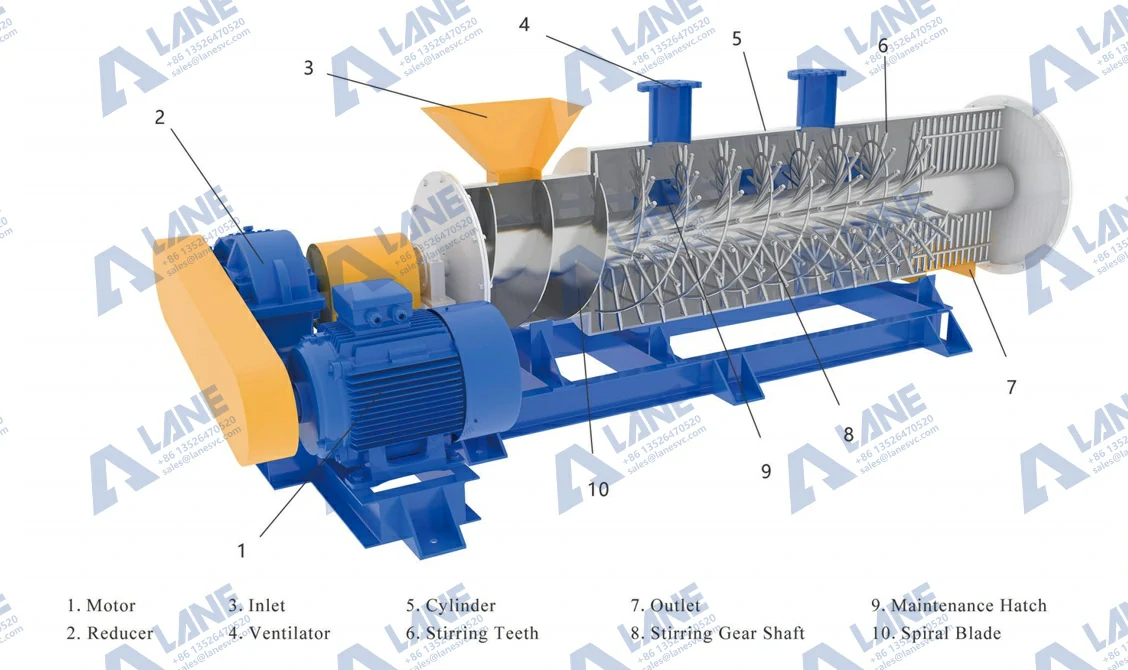
The granulator consists of a U-shaped trough with a high-speed rotating shaft running through its center. Mounted on the shaft: a series of angled stirring blades (also called teeth or paddles) arranged in a spiral pattern along the full length of the cylinder.
Wet organic powder feeds in from one end. The rotating shaft — typically running at 200–400 RPM — drives the blades through the material bed, creating three simultaneous actions:
Granules discharge from the opposite end once they reach sufficient density and size. No binder addition needed for most organic materials — the natural lignin and cellulose content, combined with the moisture already present, provides enough binding force.
The granulation chamber is open-topped (not a sealed pressure vessel), which means operators can visually monitor granule formation in real time and adjust blade speed or feed rate accordingly.
![New Type Organic Fertilizer Granulator — external view and internal stirring blade detail — Image placeholder]
Handles wet material directly (20–40% moisture). This is the defining feature. Disc and drum granulators require material moisture below 15%, which means you either dry before granulating or add water during — both add cost. This machine granulates at the moisture level that organic material naturally has after composting or mechanical dewatering.
High granulation rate (≥90%). The shearing + rolling action produces uniformly spherical granules with a high percentage of on-size product, reducing recycle load compared to disc pan granulation for organic materials.
Low power consumption. A 4 TPH unit draws roughly 37–45 kW installed power. Comparable disc pan setups for organic materials run 55–75 kW because they need auxiliary crushing and higher recycle handling. Lower power = lower per-ton cost.
Simple structure, simple maintenance. No steam system. No dryer connection. No complex bearing housing. The main shaft runs on standard pillow block bearings accessible from both sides. Blade replacement takes about 2 hours for a full set with two maintenance staff.
Stainless steel product-contact parts. The U-trough is lined with 304 stainless steel. Blades are high-manganese alloy or 304 SS, depending on material abrasiveness. This prevents corrosion from acidic organic materials (compost pH can drop to 5.5–6.0) and extends service life past the 5-year mark with routine maintenance.
Compact footprint. A 4 TPH unit measures roughly 5.5 × 1.5 × 1.2 m (L × W × H). Fits in existing composting facility buildings without structural modification.
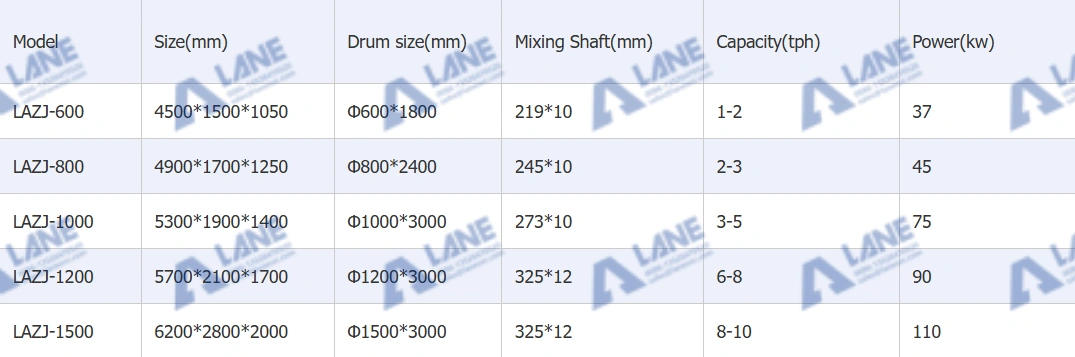
Note: Actual throughput depends on raw material type, moisture content, and target granule size. Chicken manure and cow manure typically run at the higher end of the capacity range; sludge and biogas residue run at the lower end.
Not suitable for: dry inorganic powders (NPK compound fertilizers, straight chemical fertilizers), materials with moisture below 10%, or high-temperature melt-based granulation.
If you’re building an organic fertilizer line — or adding an organic product to an existing compound fertilizer operation — the granulation step is where most projects stall. Disc granulators designed for NPK don’t transfer cleanly to manure-based feedstock. The material behaves differently: stickier, more variable moisture, lower density.
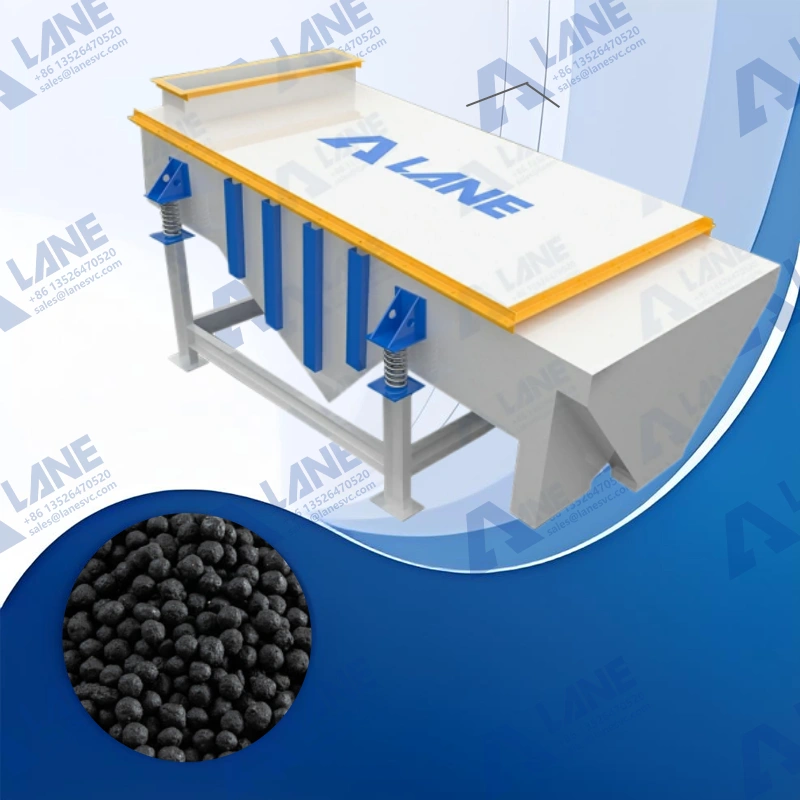
The new type granulator is purpose-built for that behavior. A poultry operation in Jiangsu processing 20,000 tons/year of chicken manure switched from a disc pan to this machine in 2023 and cut their reject rate from ~22% to under 6%. The payback came from reduced recycle handling alone — fewer conveyor hours, lower crusher wear, and a smaller screener loop.
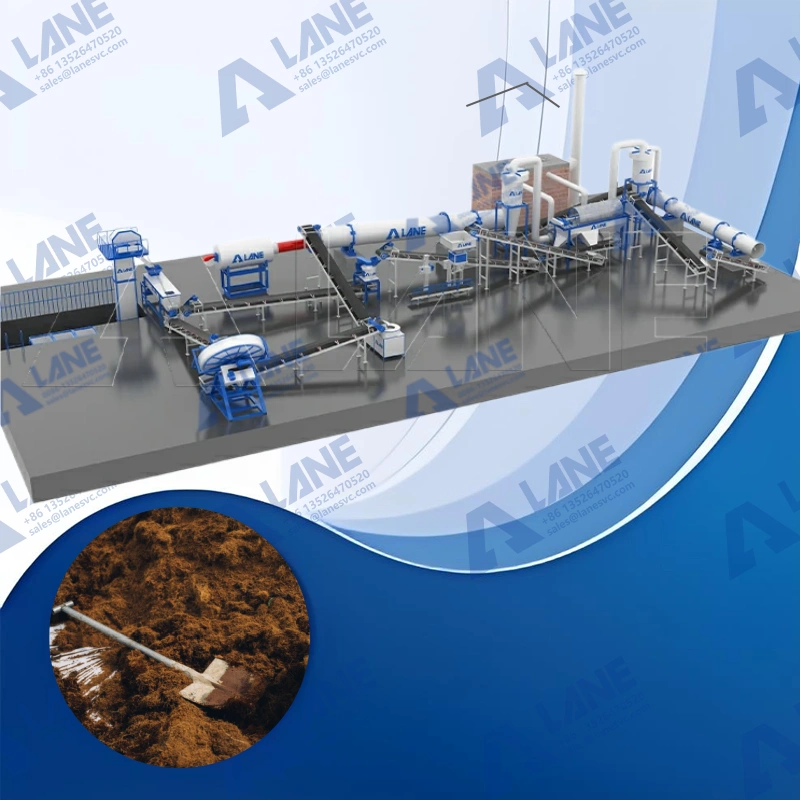
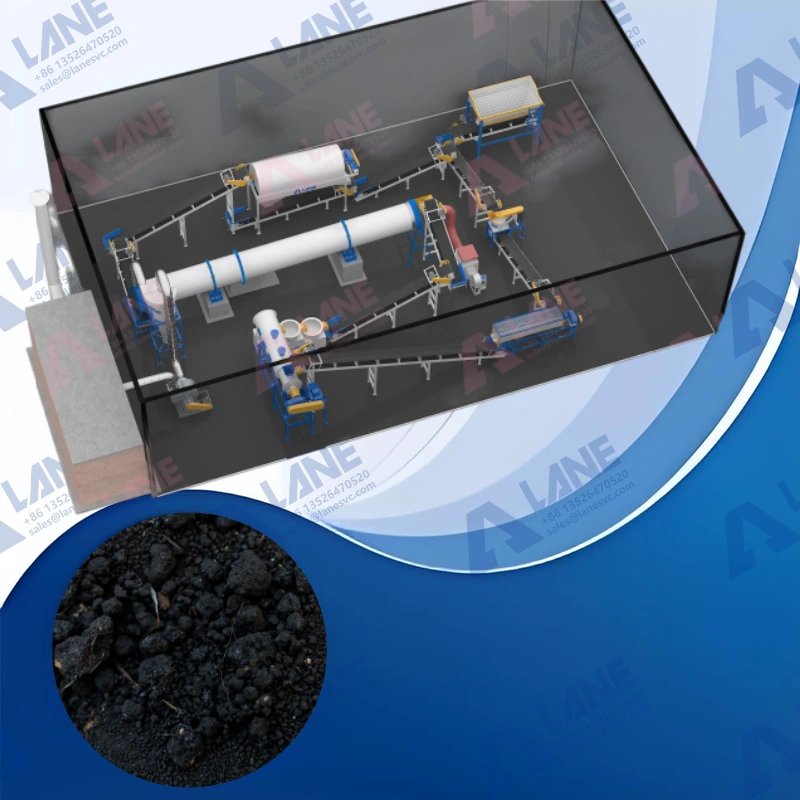
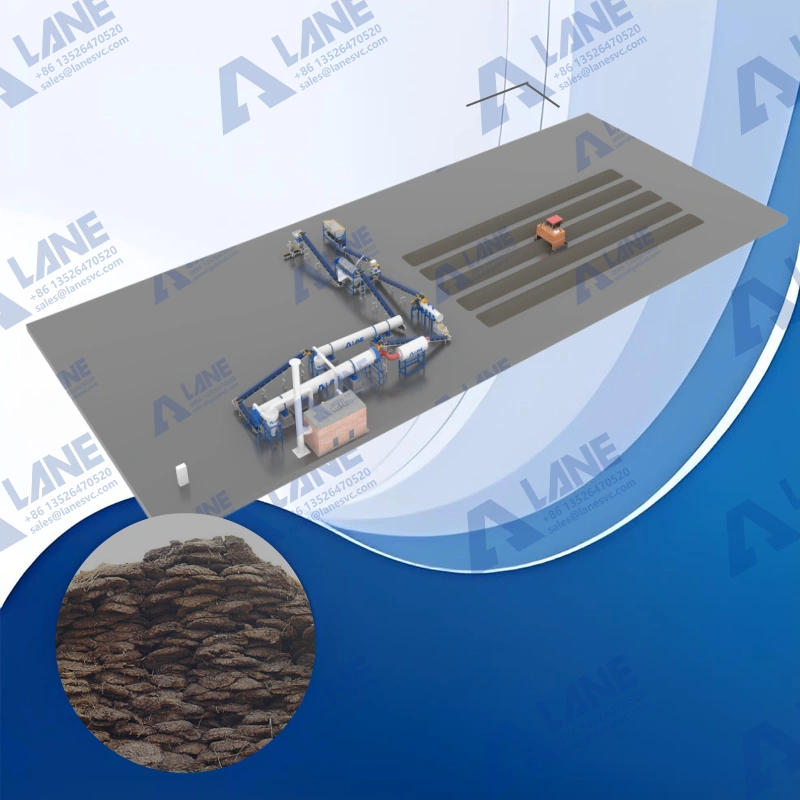
Pair it with a rotary dryer (for moisture reduction post-granulation), a rotary cooler, a screener, and a packing machine, and you’ve got a complete organic fertilizer production line that runs on the same basic layout as an NPK line — just with a granulator designed for the feedstock.
Q: Does this granulator need a dryer downstream?
A: Yes. Granules exit at 20–35% moisture and need drying to below 10% for storage stability. The granulator itself doesn’t dry — it forms the granule shape. A rotary dryer sized for your throughput completes the line.
Q: Can this machine produce compound NPK fertilizer?
A: No. It’s optimized for organic materials with fibrous content and high moisture. For NPK compound fertilizers, a rotary drum granulator or disc pan granulator is the right choice. Using this machine for dry inorganic powders results in poor granulation rates and excessive blade wear.
Q: How often do the stirring blades need replacement?
A: With standard organic feedstock (composted manure, humic acid) — roughly every 8–12 months of continuous operation. Abrasive materials (sludge with high sand content, bentonite-heavy blends) shorten this to 4–6 months. Blade replacement is straightforward: unbolt, swap, re-bolt, no shaft removal needed.
Need a granulator matched to your organic feedstock? Send us your material type, moisture content, and target capacity. Our engineering team provides a complete equipment layout and quotation within 24 hours.

Everything you need to know when looking at different types of organic fertilizer equipment, all in one place.
Copyright © 2026. LANE All rights reserved.