
Compost fermentation tank odor control: compare aeration, biofilters and enclosed systems to choose the right setup for your fertilizer plant.
Compost fermentation tank odor control is not simply a matter of sealing a tank or installing an exhaust fan. For organic fertilizer manufacturers, unpleasant odors usually indicate deeper problems involving feedstock composition, moisture, oxygen supply, and exhaust treatment. A poorly designed system can lead to ammonia emissions, hydrogen sulfide odors, production interruptions, and complaints from nearby communities.
For plant owners, production managers, and equipment purchasing teams, the important question is not whether a fermentation tank is advertised as odor-free. It is whether the complete system can prevent odor generation, collect process gases, and treat exhaust air under actual operating conditions. This guide explains the equipment options, technical considerations, and supplier evaluation points that matter before you invest.
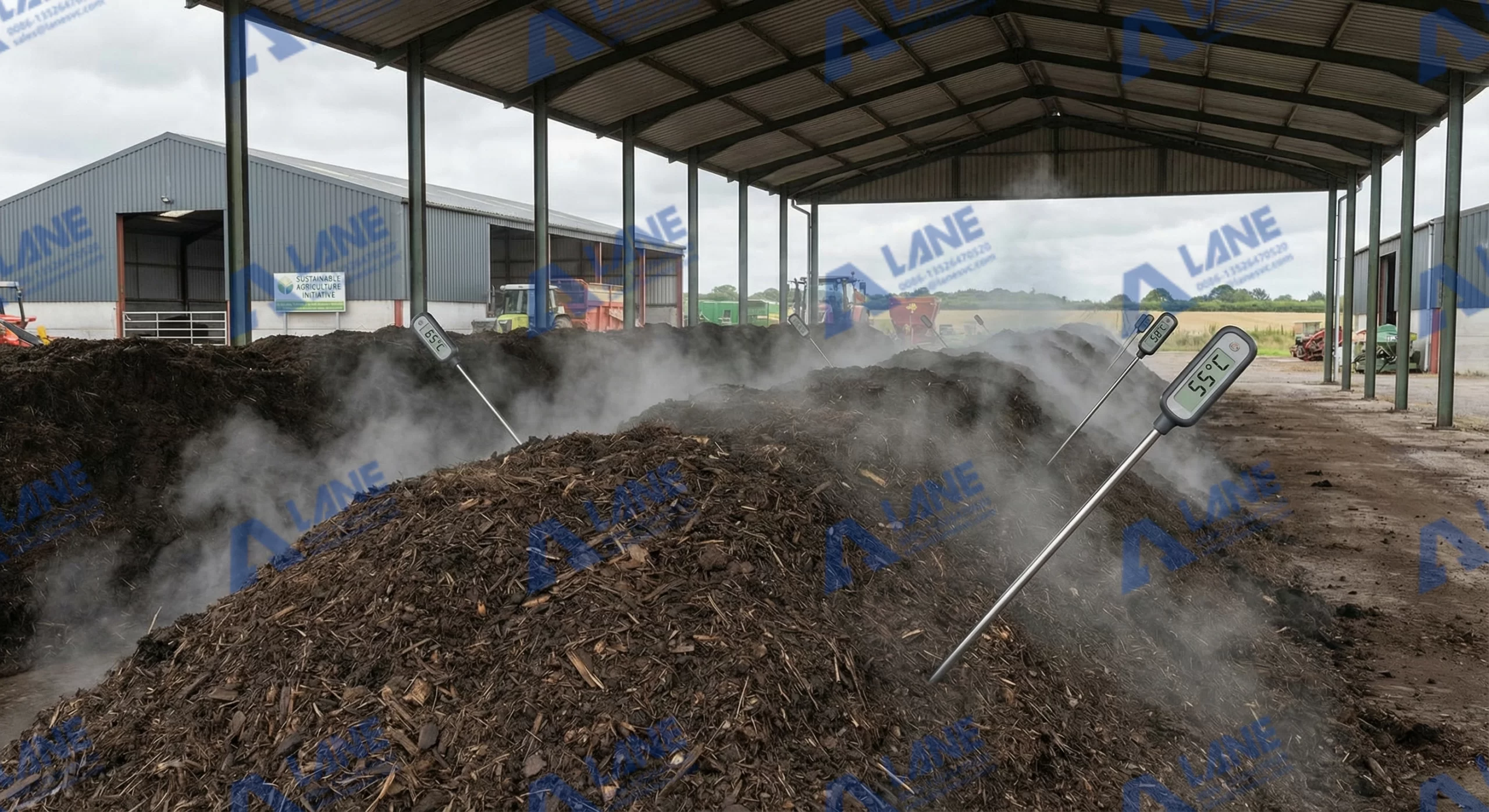
Before selecting odor-control equipment, you need to identify where the smell originates. A fermentation tank processes organic materials through microbial decomposition. During this process, different gases and volatile compounds can be released depending on the feedstock and operating conditions.
Ammonia is one of the most common odor problems in manure-based fertilizer production. Poultry manure and other nitrogen-rich materials can release ammonia when the carbon-to-nitrogen ratio is too low or the pH and temperature conditions favor ammonia volatilization.
Hydrogen sulfide is another concern. It is associated with sulfur-containing materials and anaerobic decomposition. Its characteristic rotten-egg smell can become noticeable even when the concentration is relatively low.
Other potential odor sources include volatile organic compounds and organic acids produced during incomplete or poorly controlled decomposition.
From an engineering perspective, these odors should not all be treated in the same way. A biofilter may help remove certain compounds from collected exhaust air, but it cannot correct an excessively wet, compacted compost mixture that continuously produces anaerobic conditions.
Buyer insight: If a supplier immediately recommends a larger deodorizing unit without asking about feedstock, moisture, C/N ratio, and airflow, the proposed solution may be treating the symptom rather than the cause.
A reliable compost fermentation tank odor control system normally combines three functions: preventing unnecessary odor generation, collecting contaminated air, and treating the collected exhaust.
Source Control: Maintain Stable Aerobic Composting
The first step is to maintain suitable biological conditions inside the fermentation equipment. Organic materials need sufficient oxygen, appropriate moisture, and a balanced nutrient composition.
For many conventional composting mixtures, an initial C/N ratio around 25:1–30:1 and moisture content around 50–65% provide useful starting references. Actual targets depend on the feedstock, equipment design, and process requirements.
Carbon-rich materials such as straw, sawdust, and wood chips can help adjust the mixture. They also improve structure and create air spaces that support oxygen transfer.
Gas Collection: Keep Odorous Air Inside the System
An enclosed fermentation tank reduces uncontrolled release, but enclosure alone does not guarantee effective odor control.
The system needs properly positioned exhaust outlets, suitable ventilation fans, corrosion-resistant ductwork, and an appropriate air collection arrangement. Where a building or receiving area is enclosed, negative pressure can help prevent contaminated air from escaping through doors and openings.
The airflow must be calculated according to the actual gas generation rate, enclosure volume, operating temperature, and leakage conditions.
Exhaust Treatment: Select the Right Odor Removal Technology
Collected air can be directed to a biofilter, chemical scrubber, activated carbon unit, or a combination of treatment technologies.
The selection depends on the composition and concentration of the exhaust gas. High ammonia concentrations, for example, may require pretreatment or a dedicated scrubbing stage rather than relying on a standard biofilter alone.
This is why a complete compost odor control system should be evaluated as an engineered package rather than a single accessory.
Different fermentation tank designs offer different approaches to material mixing, aeration, and enclosure. The correct choice depends on production capacity, available floor space, feedstock properties, and local environmental requirements.
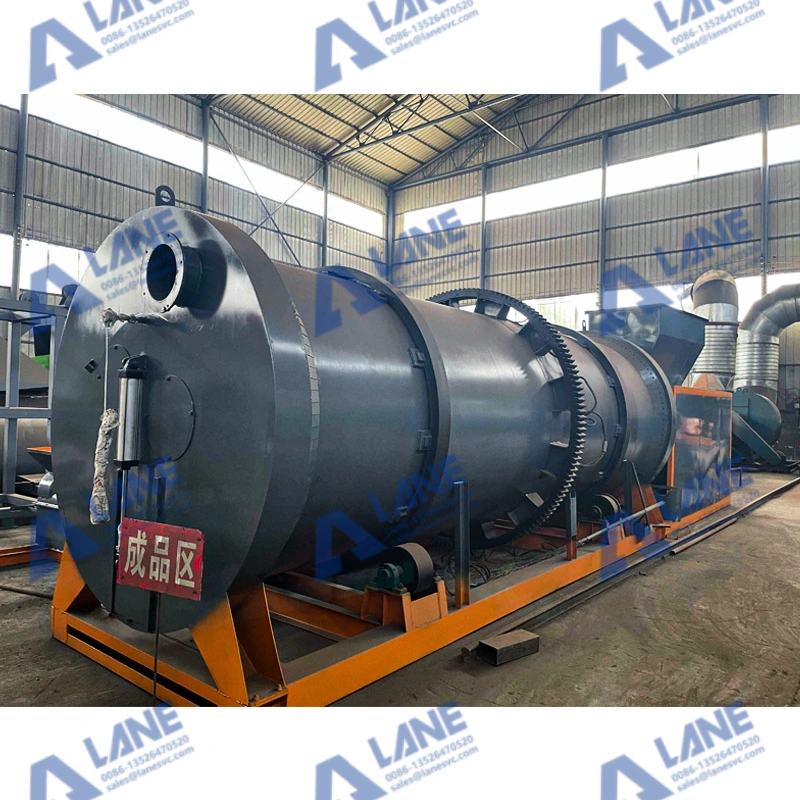
A rotary drum fermenter uses a rotating cylindrical vessel to tumble and mix organic materials. Internal flights lift and redistribute the material as the drum rotates, helping reduce compaction and improve mixing uniformity.
LANE’s rotary drum fermenter is designed for continuous aerobic composting, with a stated processing cycle of approximately 5–8 days. The product page lists customized capacities from 1–20 TPH.
Its enclosed structure makes it a useful option for industrial facilities that want to combine continuous material movement with controlled exhaust collection.
For larger fertilizer plants, this configuration deserves consideration when consistent mixing and throughput are important. However, you should still verify the exhaust collection arrangement and whether a separate biofilter or other treatment stage is included in the project quotation.
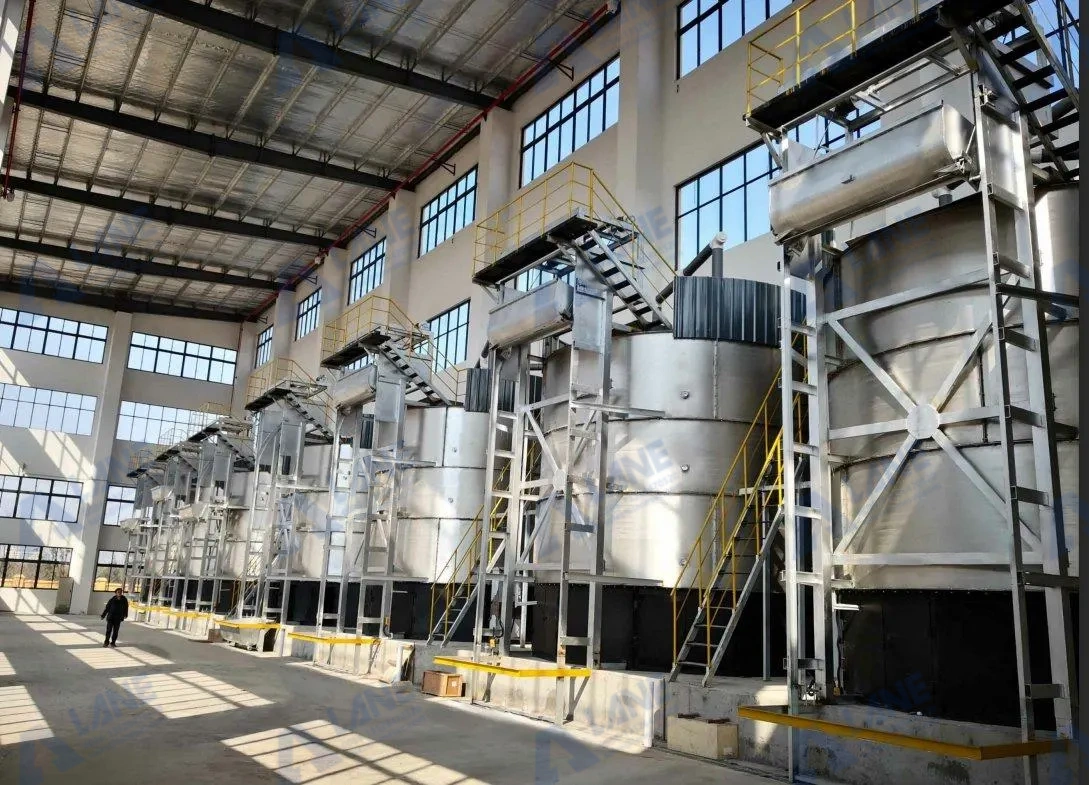
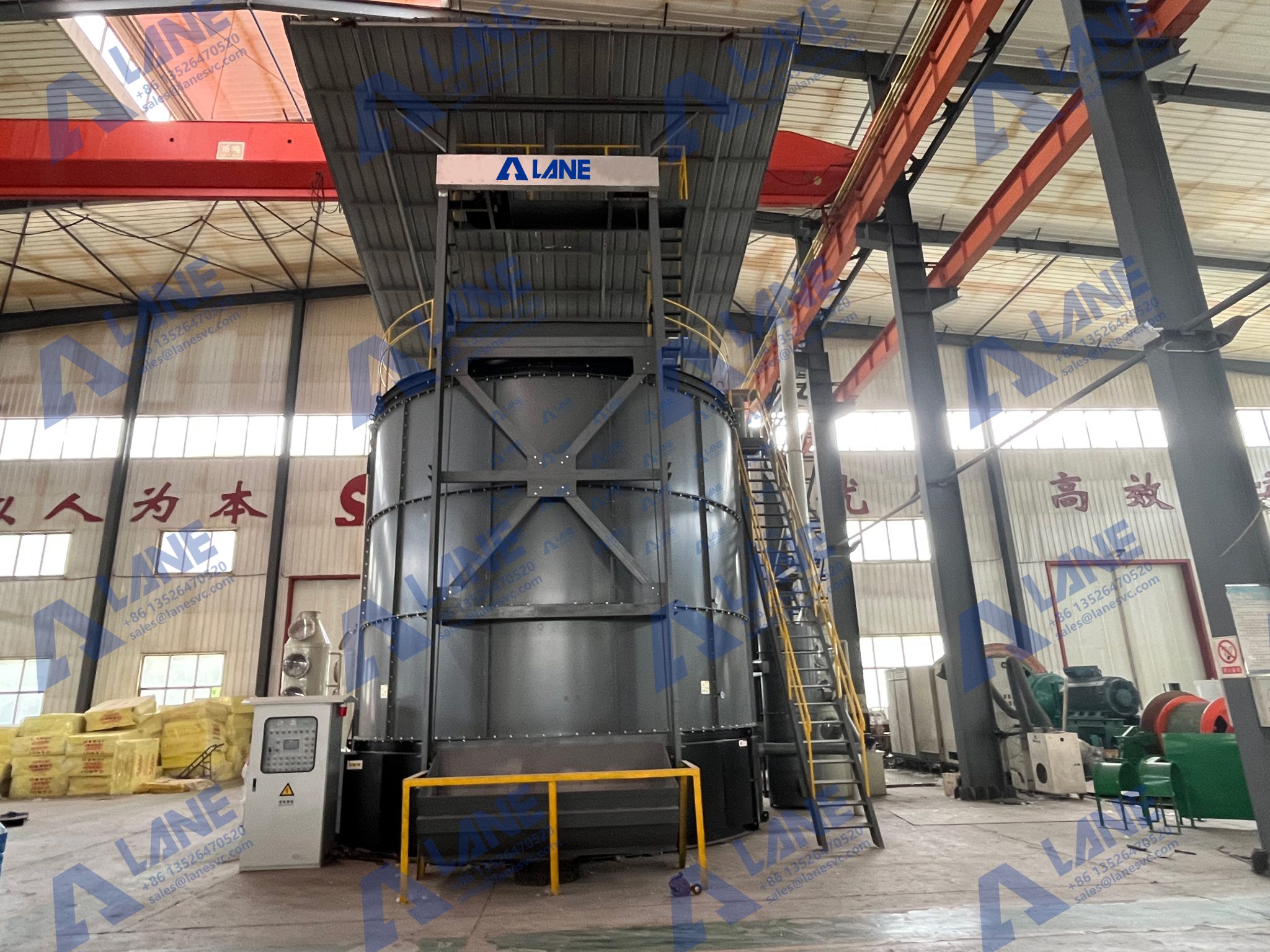
A vertical fermentation tank uses an enclosed, vertically arranged structure to reduce the equipment footprint.
It can be suitable for facilities with limited workshop space or projects that need a compact composting arrangement. The product information on LANE’s website describes a continuous daily input/output configuration and a seven-day processing cycle.
When evaluating this option, pay attention to material distribution, air supply, discharge arrangements, and access for cleaning and maintenance.
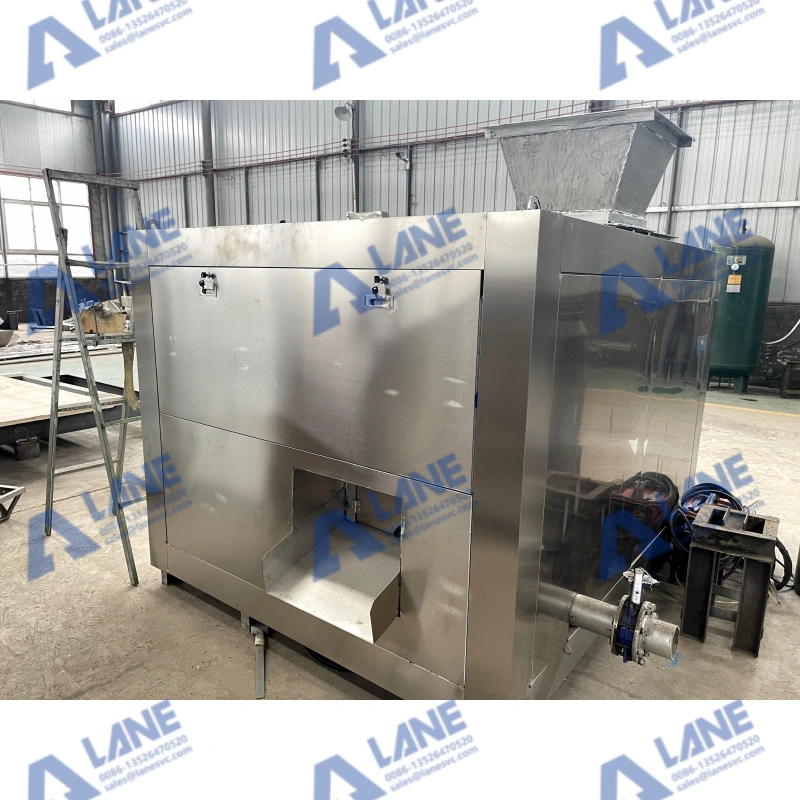
A horizontal fermentation tank generally uses internal mechanical components, such as paddles or screw-type agitators, to mix and move the material inside a stationary vessel.
It may be suitable when a project requires intensive mixing and a short processing cycle. However, the faster treatment claims found in product specifications should be verified against the actual feedstock, residence time, and required compost quality.
For odor-sensitive projects, ask how exhaust gases are collected during feeding, agitation, and discharge. These operating stages can release odors even when the main tank is enclosed.
Equipment Comparison for Buyers
| Equipment | Main Operating Feature | Main Advantage | Important Consideration |
|---|---|---|---|
| Rotary Drum Fermenter | Entire drum rotates | Continuous tumbling and uniform mixing | Requires suitable exhaust collection |
| Vertical Fermentation Tank | Enclosed vertical processing | Compact footprint | Check internal aeration and discharge |
| Horizontal Fermentation Tank | Internal agitator or screw mechanism | Intensive mixing | Check mechanical maintenance and exhaust handling |
| Windrow Compost Turner | Open-air pile turning | Flexible outdoor operation | Greater exposure to weather and odor release |
My recommendation: Do not select equipment based on the advertised fermentation time alone. A short processing cycle does not automatically mean the material is fully mature, and an enclosed tank does not automatically mean the exhaust meets local emission requirements.
The following parameters are useful starting points for evaluating a composting process. They are not universal equipment guarantees. Your supplier should confirm the actual operating window through feedstock testing and process design.
| Parameter | Suggested Range | Why It Matters |
|---|---|---|
| Moisture Content | 50%–65% | Supports microbial activity while maintaining porosity. |
| Carbon-to-Nitrogen Ratio | 25:1–30:1 | Helps reduce excess ammonia release. |
| Fermentation Temperature | 55–65°C | Supports active thermophilic composting. |
| Aeration | Based on feedstock and equipment design | Maintains oxygen supply and limits anaerobic conditions. |
| Turning Frequency | Every 1–3 days during active composting | Improves mixing and oxygen distribution. |
Why Airflow Matters More Than Fan Size
A common purchasing mistake is comparing ventilation fans by motor power alone. A powerful fan cannot solve poor duct layout, blocked air passages, or insufficient air distribution inside the composting material.
The supplier should explain the design airflow, static pressure, duct resistance, extraction points, and how the system responds to changes in feedstock volume.
For rotary drum systems, the rotating action helps mix and expose material to air. However, the internal oxygen conditions and the exhaust gas volume still need to be considered separately.
How Should a Biofilter Be Sized?
A biofilter treats collected exhaust by passing air through a biologically active medium. Microorganisms living on the moist filter material help break down biodegradable odor compounds.
Its performance depends on several factors:
Do not accept a biofilter quotation based only on its external dimensions. Ask the supplier to provide the design airflow, inlet gas assumptions, expected pressure drop, and monitoring method.
The right configuration should be based on the whole production site rather than the fermentation tank alone.
A practical arrangement for an enclosed organic fertilizer plant may include:
For a plant close to residential areas, schools, or other sensitive receptors, odor containment should be considered from the beginning of the engineering design.
The Ontario Ministry of the Environment’s compost production guidance emphasizes containment, collection, treatment, and operational management as connected parts of odor control. It also explains that negative pressure and appropriate treatment of collected air can reduce fugitive emissions.
You can also review different compost odor control methods for organic fertilizer plants to understand how feedstock management, aeration, biofilters, and site layout work together.
Match the System to Your Feedstock
| Feedstock | Common Odor Challenge | Recommended Control Priority |
|---|---|---|
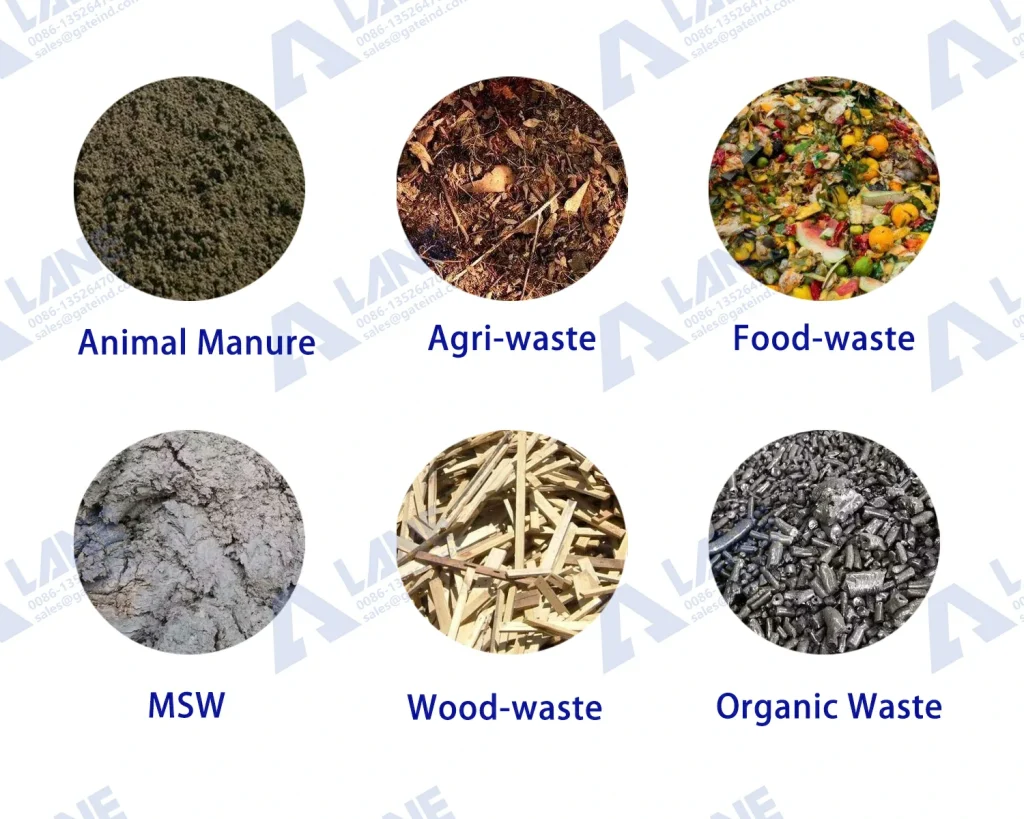
| Poultry Manure | High ammonia release due to nitrogen content. | Balance carbon sources, control moisture, and collect exhaust gas. |
| Cattle or Pig Manure | High moisture and compaction may cause anaerobic odors. | Add bulking agents and improve aeration. |
| Agricultural Residues | Dry or coarse materials may decompose unevenly. | Adjust moisture, particle size, and feedstock mixing. |
| Food Waste | Rapid decomposition and high moisture can generate strong odors. | Use enclosed handling, controlled aeration, and exhaust treatment. |
The key is to test the actual mixture rather than design around the name of the raw material. Two poultry manure projects, for example, may require different configurations because their moisture, bedding content, and storage conditions are different.
The fermentation tank is only one part of the total investment. In many projects, supporting systems account for a meaningful share of the installation and operating budget.
Exhaust Collection and Treatment
Ductwork, fans, dampers, biofilter beds, scrubbers, and electrical controls all add to the project cost. The more complex the site layout, the more important it becomes to calculate the required airflow and duct route before purchasing equipment.
Filter Media and Maintenance
Biofilters require periodic inspection and media management. Media can compact, dry out, become waterlogged, or develop uneven airflow channels.
A system that performs well during commissioning may lose efficiency if no one is responsible for checking its operating condition.
Corrosion and Drainage
Composting exhaust can contain moisture and corrosive compounds. Duct material, tank surfaces, fasteners, and drainage points should therefore be selected according to the actual process environment.
Condensate and leachate should not be allowed to accumulate in exhaust ducts or equipment foundations.
Energy Consumption
Ventilation fans, blowers, pumps, and mechanical mixing systems consume electricity throughout operation.
Ask for the estimated energy consumption per operating hour or per tonne of feedstock. A supplier should also explain the assumptions behind the calculation, including airflow, pressure, operating hours, and equipment loading.
A good supplier should be able to explain the complete process, not just provide a machine catalogue.
Use the following questions during technical discussions and quotation evaluation.
1. Can the equipment handle my actual feedstock?
Provide moisture content, C/N ratio, bulk density, particle size, and daily input volume. Ask whether material testing is required before final equipment selection.
2. Is the tank fully enclosed during feeding and discharge?
Check whether loading and unloading points are covered and whether exhaust collection continues during these operations.
3. What is included in the odor control package?
Confirm whether the quotation includes fans, ductwork, biofilter, scrubber, activated carbon, controls, and installation.
4. How is the required airflow calculated?
Ask for design airflow, static pressure, exhaust collection points, and the assumptions used to size the fan and treatment equipment.
5. What odor removal performance can be demonstrated?
Request inlet and outlet monitoring data under comparable operating conditions. Do not rely only on expressions such as odor-free or high-efficiency deodorization.
6. What happens when the biofilter needs maintenance?
Ask how media replacement, cleaning, drainage, and temporary operating arrangements are handled.
7. What is the complete project scope?
Clarify equipment supply, electrical work, civil foundations, installation, commissioning, operator training, and spare parts.
These questions help you compare suppliers on engineering capability rather than headline equipment price.
1. Does an enclosed compost fermentation tank eliminate all odors?
No. An enclosed tank helps contain odors, but it still needs proper exhaust collection and treatment. Feeding, discharge, maintenance openings, and leaking connections can release untreated air.
2. Is a biofilter sufficient for compost odor control?
A biofilter can be effective for many compost exhaust streams, particularly high-volume air with relatively low concentrations of biodegradable odor compounds. High ammonia or certain sulfur compounds may require additional pretreatment or a different treatment combination.
3. Which is better for odor control: a rotary drum or a vertical fermentation tank?
Neither is automatically better for every project. A rotary drum offers continuous tumbling and mixing, while a vertical tank provides a compact enclosed arrangement. Compare their airflow design, exhaust collection, feedstock compatibility, and maintenance access.
4. What moisture content should compost have to reduce odor?
A common starting range is 50–65%, depending on the feedstock and process. Excess moisture can reduce air-filled pore space and promote anaerobic conditions, while excessively dry material slows microbial activity.
5. Why does a compost fermentation tank still smell after installation?
Common reasons include insufficient aeration, poor feedstock balance, excessive moisture, leaking connections, inadequate exhaust capacity, or overloaded filter media. Check the process and exhaust system together instead of replacing the deodorizing equipment immediately.
6. How much does an industrial compost odor control system cost?
There is no reliable universal price. The investment depends on exhaust airflow, gas composition, treatment technology, tank capacity, building enclosure, and local emission requirements. Request a project-specific quotation based on measured or tested feedstock conditions.
7. How often should a biofilter be maintained?
There is no fixed interval for every installation. Inspect media moisture, pressure drop, drainage, airflow distribution, and inlet and outlet gas conditions regularly. Maintenance frequency should follow operating data and the filter manufacturer’s recommendations.
8. Can LANE provide a complete fermentation and odor control solution?
LANE provides organic fertilizer processing equipment, fermentation systems, and turnkey project design support. Buyers should confirm the exact odor-control scope, treatment equipment, installation responsibilities, and performance acceptance criteria in the project quotation.
For an industrial organic fertilizer plant, effective compost fermentation tank odor control starts with the right feedstock preparation and continues through mixing, aeration, gas collection, and exhaust treatment.
Before purchasing, require the supplier to explain the complete airflow path, treatment configuration, maintenance requirements, and expected operating costs. These details are more valuable than an attractive machine specification that does not address the actual odor sources at your site.
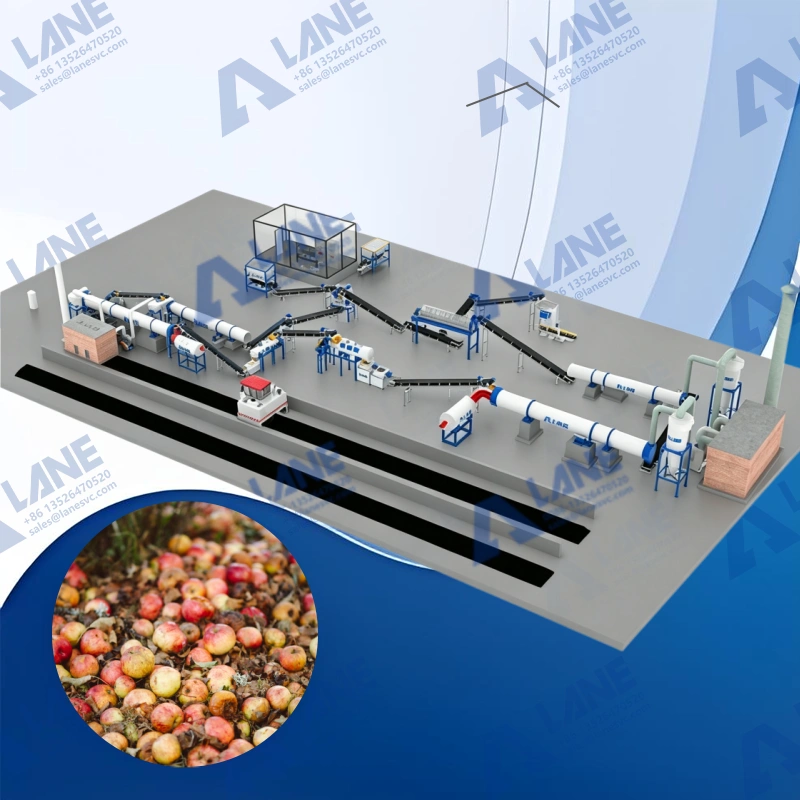
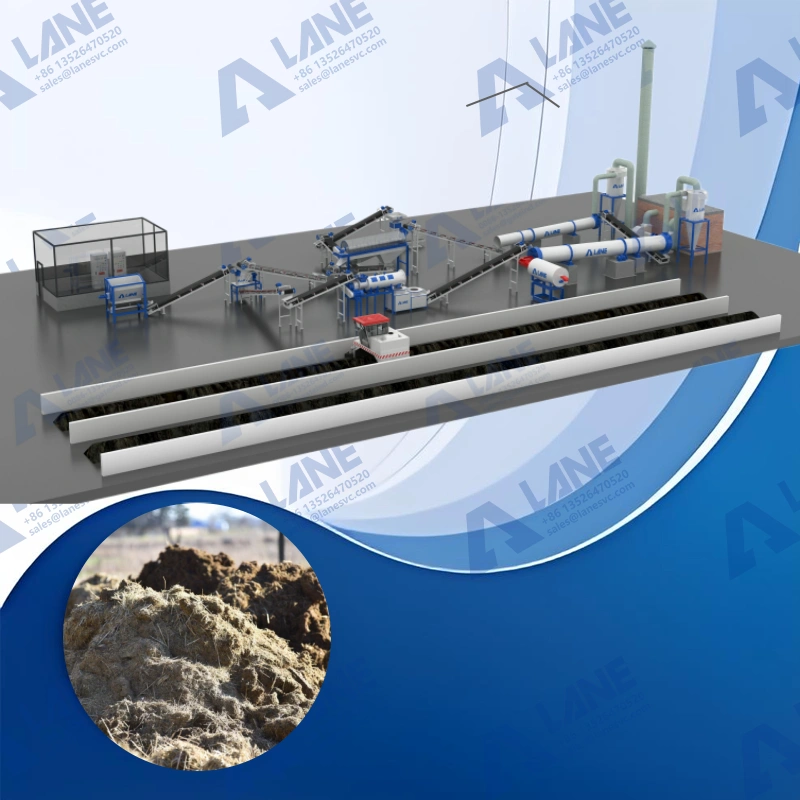
LANE Machinery provides customized organic fertilizer equipment and turnkey engineering support, covering composting, crushing, mixing, granulation, drying, and screening. You can explore its organic fertilizer turnkey solutions or review the wider LANE fertilizer equipment portfolio before defining your project requirements.
For a more accurate equipment recommendation, prepare your daily feedstock volume, moisture content, raw material composition, available workshop space, and local odor-control requirements. A proposal built around these details gives you a much stronger basis for comparing equipment suppliers and controlling long-term operating costs.

Everything you need to know when looking at different types of organic fertilizer equipment, all in one place.
Copyright © 2026. LANE All rights reserved.
Send A Message