
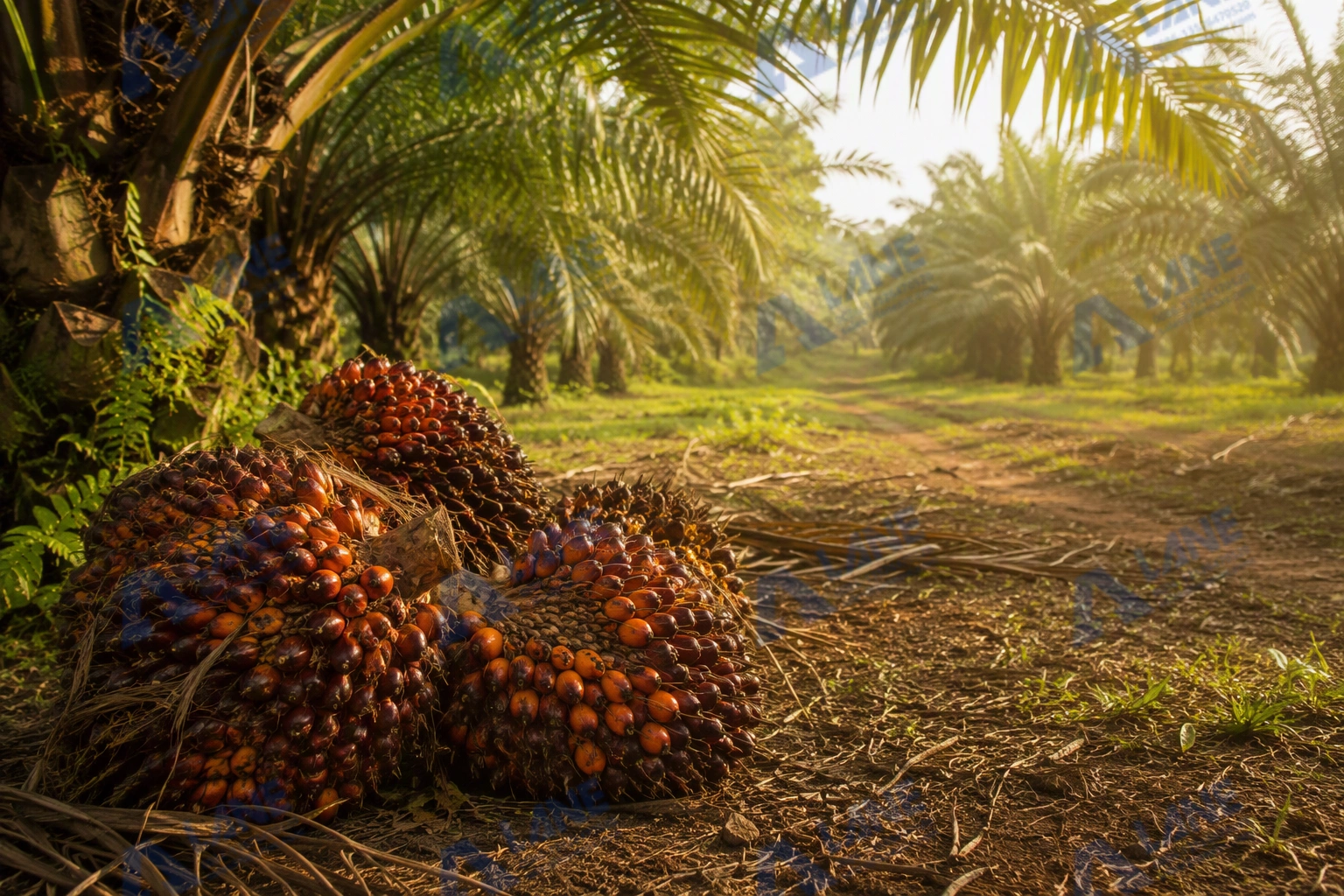
Palm oil mill effluent composting turns POME and empty fruit bunches into organic compost. Explore equipment, processes, and costs.
Palm oil mill effluent composting offers palm oil mills a way to recover value from wastewater while making better use of the solid residues generated during processing. When palm oil mill effluent (POME) is combined with empty fruit bunches (EFB) under controlled composting conditions, part of the liquid waste can be absorbed into the fibrous material and processed into an organic soil amendment.
For mill owners and project managers, however, this is not simply a matter of buying a compost turner. POME is a high-moisture wastewater stream, while EFB is a bulky, fibrous material with its own handling challenges. The process must balance liquid application, pile porosity, aeration, leachate collection, and compost maturity.
The most important purchasing decision is therefore how to design a system around the mill’s actual POME volume and EFB supply. This guide examines the process, equipment configuration, operating considerations, and costs that buyers should evaluate before investing in a palm oil waste composting project.
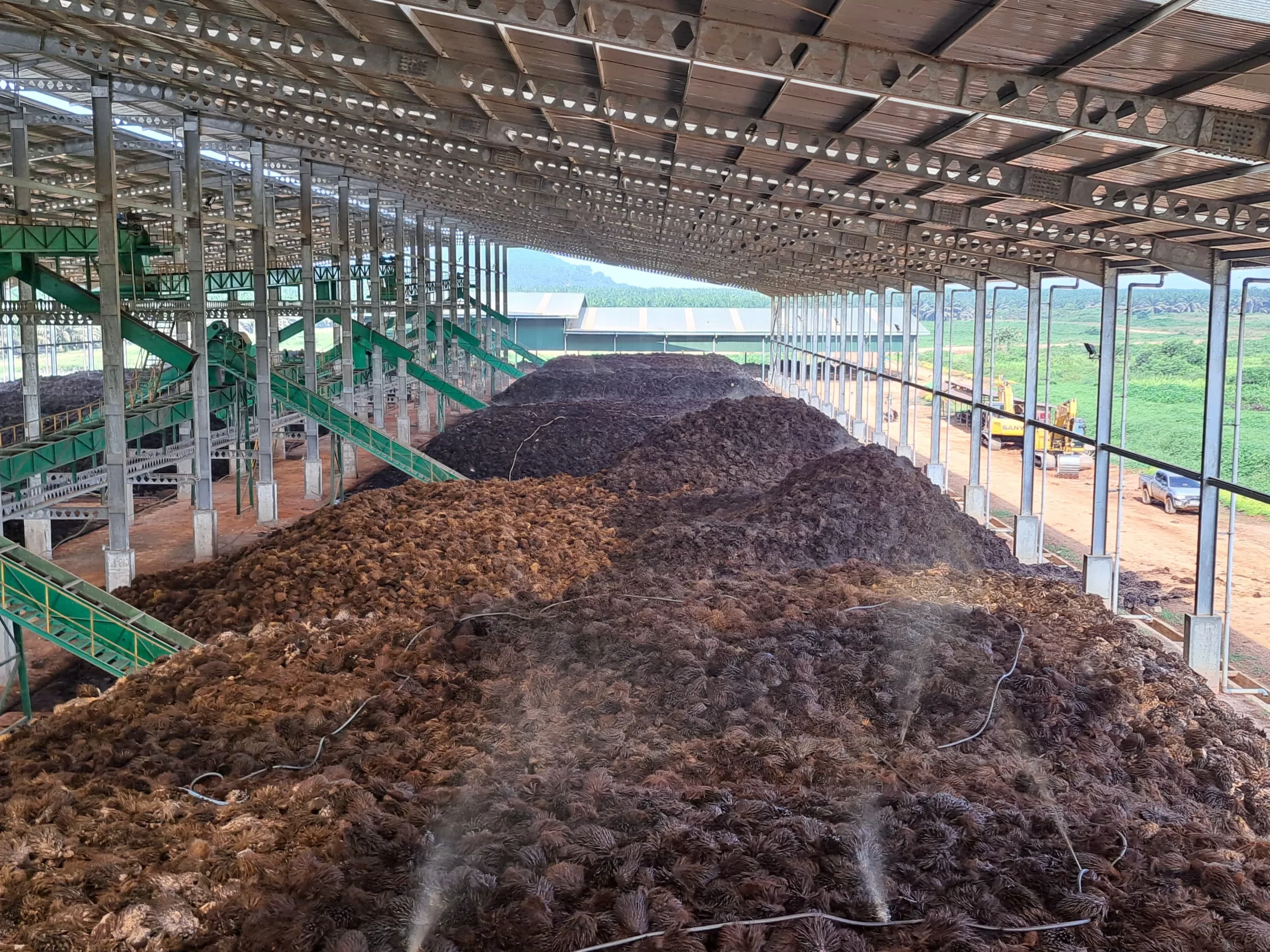
Palm oil processing generates both liquid and solid residues. POME is produced during operations such as sterilization, clarification, and oil separation. EFB is the fibrous material remaining after fresh fruit bunches are processed.
Managing these streams separately can create handling and treatment costs. Co-composting provides another route: EFB acts as a structural carbon-rich material, while a controlled amount of POME supplies moisture and organic matter.
A 2022 systematic review of palm oil waste management identifies composting as one approach to recovering value from POME and EFB. It also emphasizes that the process must be managed according to material characteristics and compost quality requirements.
For a palm oil mill, the potential benefits include:
Buyer insight: Do not calculate project profitability from the volume of POME alone. The available EFB, transport distance, land area, leachate management, and intended compost market are equally important.
POME can be used in co-composting, but it should not be treated as a direct replacement for clean irrigation water or as a material that can simply be poured onto any compost pile.
Its moisture and organic load can create problems if the application rate exceeds the absorption and aeration capacity of the solid material. Excess liquid may drain from the pile, form anaerobic zones, and increase odor and leachate management requirements.
EFB is commonly used because its fibrous structure can provide bulk and help maintain air spaces. However, the material still needs suitable preparation and mixing.
Before designing the system, buyers should collect representative samples and check:
An important limitation is that co-composting may not consume the entire POME output of a mill. A 2019 study of EFB-POME co-composting found that its tested conditions could not use all the POME generated by the mill. The remaining wastewater therefore needs an appropriate treatment or management route.
A practical palm oil mill effluent composting system usually includes EFB preparation, liquid distribution, mixing or pile formation, aerobic composting, leachate management, curing, and screening.
Step 1: Prepare the Empty Fruit Bunches
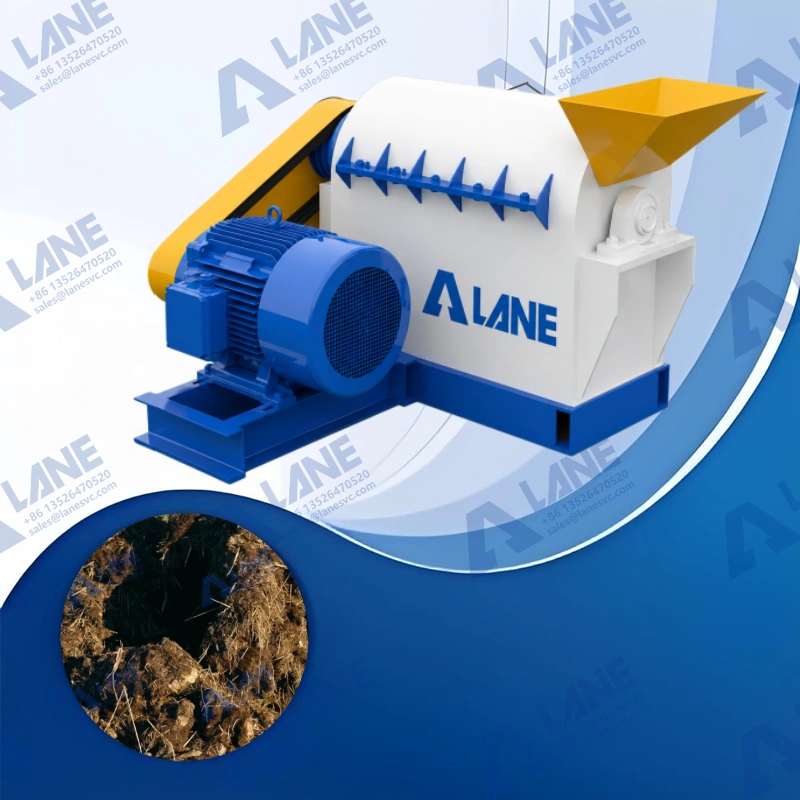
EFB is bulky and fibrous. Long fibers can make uniform mixing difficult and may create uneven liquid distribution.
A suitable shredder or biomass crusher can reduce the material to a more manageable size. The target particle size should preserve enough structure for airflow rather than turning the material into fine, compacted particles.
See LANE’s organic material crusher equipment for possible biomass pre-treatment options.
Step 2: Apply POME at a Controlled Rate
POME should be distributed gradually over the EFB rather than discharged into one concentrated area.
A liquid storage and dosing arrangement can help operators control the amount applied to each batch or pile. The application rate should be based on measured moisture, free air space, drainage behavior, and the characteristics of the incoming wastewater.
The objective is not to use as much POME as possible. It is to use an amount that the compost mixture can retain without losing its aerobic structure.
Step 3: Form and Aerate the Compost Pile
After mixing, the material is arranged in windrows or processed through a suitable enclosed composting system.
Aeration is essential because microbial decomposition requires oxygen. If the mixture becomes saturated or compacted, oxygen movement decreases and anaerobic conditions may develop.
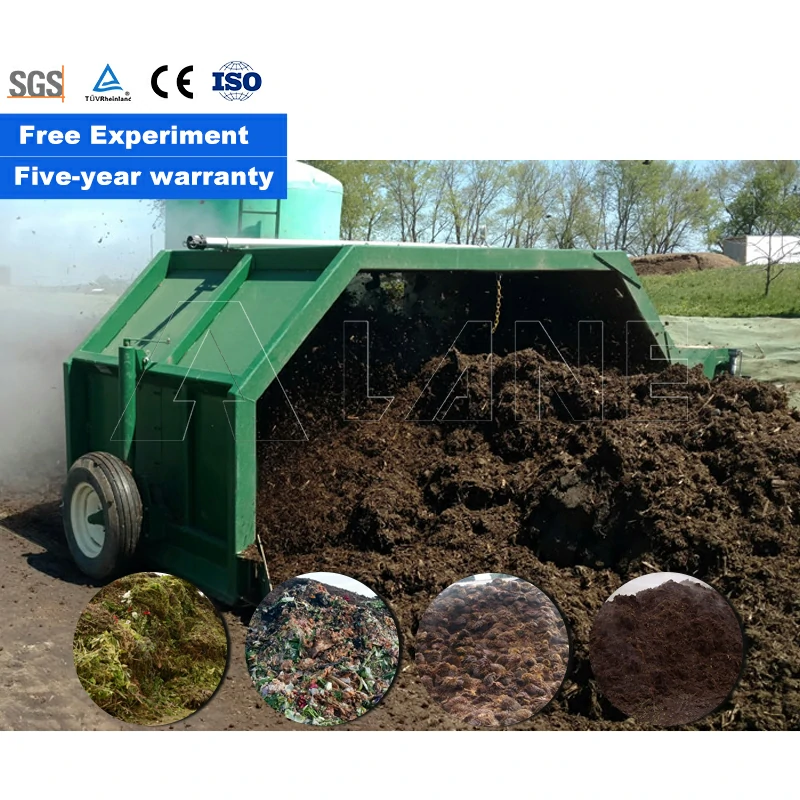
For windrow systems, a compost turner helps loosen and redistribute the material. Turning frequency should be based on temperature, moisture, oxygen conditions, and pile structure rather than a fixed calendar alone.
Explore LANE’s compost turner equipment for different windrow turning configurations.
Step 4: Collect and Manage Leachate
This is a stage that buyers often underestimate. POME application and rainfall can generate leachate, especially when the pile is overloaded or the composting platform has poor drainage.
A suitable site should include an impermeable working surface, controlled drainage, and a collection arrangement for leachate. Reuse or treatment must follow the project’s wastewater management design and local requirements.
Once active composting has progressed, the material may need a separate curing period. A pile that has cooled down is not automatically mature.
The finished material should be checked for stability, moisture, pH, electrical conductivity, nutrient content, and suitability for the intended application. Screening can then remove oversized fibers and produce a more uniform product.
The equipment configuration depends on whether the project uses an open windrow system or a more controlled enclosed arrangement. For many large palm oil mills with substantial EFB volumes, windrow composting is worth evaluating first because it can handle bulky fibrous material without requiring every stage to be enclosed.
| Process Stage | Possible Equipment or Facility | Main Function | Key Purchasing Consideration |
|---|---|---|---|
| EFB Preparation | Shredder or Biomass Crusher | Reduces oversized fibers | Fiber size, throughput, and wear resistance |
| POME Storage | Storage Tank | Buffers wastewater before application | Daily volume, material compatibility, and cleaning |
| Liquid Application | Pump and Dosing System | Controls POME distribution | Flow control and uniform application |
| Mixing | Mixer or Loader-Based Mixing Arrangement | Combines EFB and POME | Moisture uniformity and material handling |
| Windrow Composting | Compost Turner | Loosens and turns compost piles | Pile dimensions, working width, and capacity |
| Leachate Management | Concrete Platform, Drainage, and Collection Tank | Collects excess liquid | Waterproofing, drainage slope, and storage capacity |
| Final Processing | Screener | Removes oversized material | Screen opening and required product size |
LANE’s organic fertilizer equipment range includes crushers, mixers, compost turners, fermentation equipment, and screening machines. These machines can form part of a solid-material composting line, but POME storage, dosing, drainage, and wastewater treatment must be engineered as project-specific systems.
For a broader view of how these machines connect, see the equipment list for an organic fertilizer plant. It explains how pre-treatment, fermentation, screening, and downstream fertilizer production should be considered as one connected process.
There is no universal POME-to-EFB recipe. The appropriate ratio depends on the wastewater properties, EFB condition, pile structure, and composting method.
A 2019 co-composting study tested different POME/EFB ratios and turning frequencies. Under its experimental conditions, a ratio of approximately 1–1.5 m³ of POME per tonne of EFB produced a mixture with 65%–70% moisture and more than 50% free air space. The study also reported that the process could not absorb all the POME generated by the mill.
These figures are useful engineering references, not a guaranteed design formula for every plant.
| Parameter | Published Research Reference | What Buyers Should Verify |
|---|---|---|
| POME/EFB Ratio | 1–1.5 m³ POME per tonne of EFB in one 2019 study | POME composition, EFB moisture, and actual absorption capacity |
| Mixture Moisture | 65%–70% in the cited study | Drainage, pile compaction, and moisture uniformity |
| Free Air Space | Above 50% in the cited study | Pile porosity and oxygen movement |
| Turning | Tested as a process variable in the study | Turning equipment capacity and actual process response |
| Composting Duration | A 60-day trial had not yet reached maturity | Temperature trend, C/N ratio, and maturity test results |
| Leachate | Collection and recycling identified as critical | Platform design, drainage, storage, and reuse route |
The 60-day finding is particularly important. Buyers should not accept a supplier’s promised composting period without asking how maturity will be measured. A fixed number of days is not proof of a finished product.
Both systems have a place, but they solve different operational problems.
Windrow composting is worth considering when the mill has enough land, large quantities of EFB, and the capacity to manage outdoor or covered piles. It allows operators to process bulky materials with turning equipment, but site drainage, rainfall protection, and labor planning are essential.
Enclosed fermentation equipment may be suitable when space is limited or a more contained process is required. However, buyers must confirm that the proposed equipment can handle the fibrous EFB structure and the moisture characteristics of the POME-EFB mixture. Not every standard fermentation tank is designed for direct handling of high-liquid-load material.
LANE lists rotary drum fermenters and vertical and horizontal fermentation tanks in its equipment range. These are general organic waste composting options; their suitability for a specific POME-EFB project must be verified through feedstock testing and process engineering.
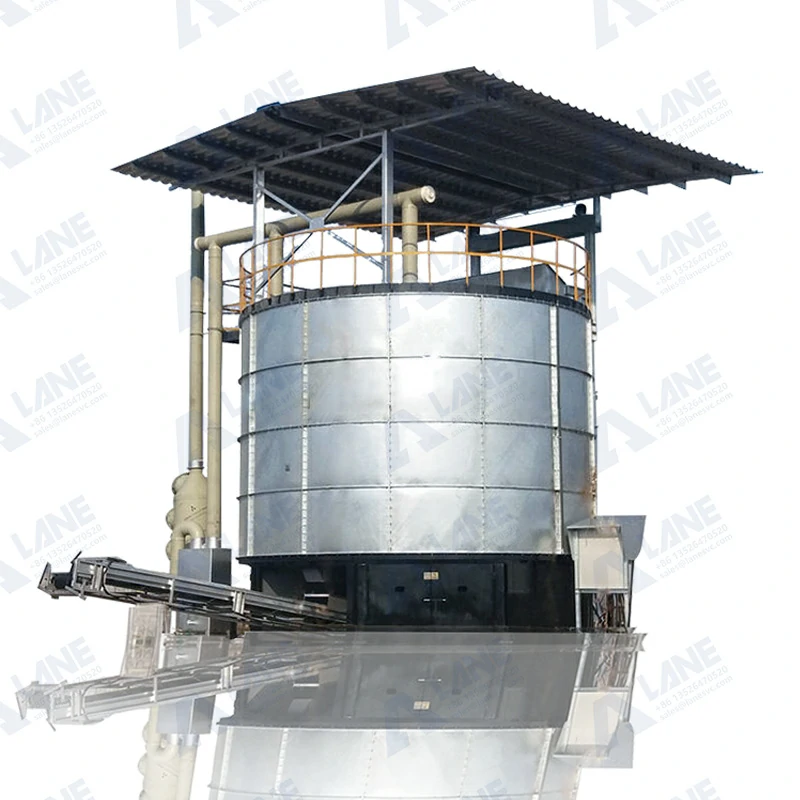
The right comparison is not simply machine price versus machine price. Compare land and civil works, liquid handling, turning or mixing requirements, leachate collection, labor, and the final compost quality.
The main equipment quotation is only one part of the investment. Several supporting systems can materially affect the project budget.
A low quotation that includes only a compost turner does not represent the cost of a complete POME-EFB composting project. Ask for a process flow diagram, mass balance, equipment list, and clear battery limits before comparing suppliers.
1. Can POME be converted into compost?
Yes. POME can be used in co-composting with solid materials such as EFB, provided the liquid application rate and aeration are properly controlled. It is not normally treated as a stand-alone solid compost feedstock.
2. Why is EFB mixed with POME?
EFB provides a fibrous structure that can absorb part of the liquid and help maintain air spaces. The correct ratio depends on the moisture and physical properties of both materials.
3. Can all POME from a palm oil mill be used for composting?
Not necessarily. The amount that can be incorporated depends on the available EFB, moisture target, free air space, and composting capacity. Excess POME requires a separate treatment or management route.
4. How long does POME-EFB composting take?
The duration varies with feedstock, pile size, aeration, moisture, and process management. A published 2019 trial found that the compost was not mature after 60 days, showing why maturity testing matters more than relying on a fixed schedule.
5. Is a compost turner necessary?
A turner is useful for windrow systems because it loosens and redistributes the material. The required machine depends on pile width, height, daily throughput, and turning frequency.
6. Does a POME composting plant need a leachate collection system?
Yes. A controlled drainage and collection arrangement is important because excess liquid can escape from the compost pile. The collected liquid needs a defined reuse or treatment route.
7. Can the finished compost be sold as organic fertilizer?
Potentially, yes, but it must meet the quality and regulatory requirements of its intended market. Buyers should test nutrient content, maturity, moisture, pH, salinity, and relevant contaminants before commercial sale.
8. What information should be provided when requesting a quotation?
Provide daily POME volume, wastewater analysis, available EFB quantity, EFB moisture, site area, preferred composting method, and the target finished product. These details allow suppliers to propose a more realistic process and equipment configuration.
Palm oil mill effluent composting can support more efficient palm oil waste management, but successful operation depends on balancing POME application with EFB structure, aeration, drainage, and compost maturity. Buyers should confirm the amount of POME that can realistically be absorbed, plan for excess wastewater, and include leachate management in the initial engineering scope.
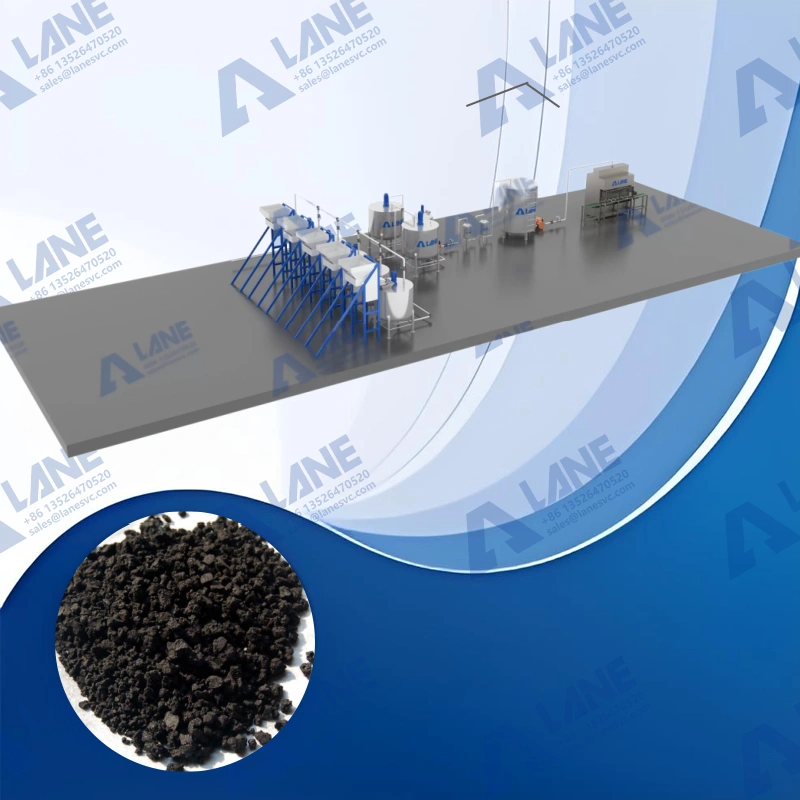
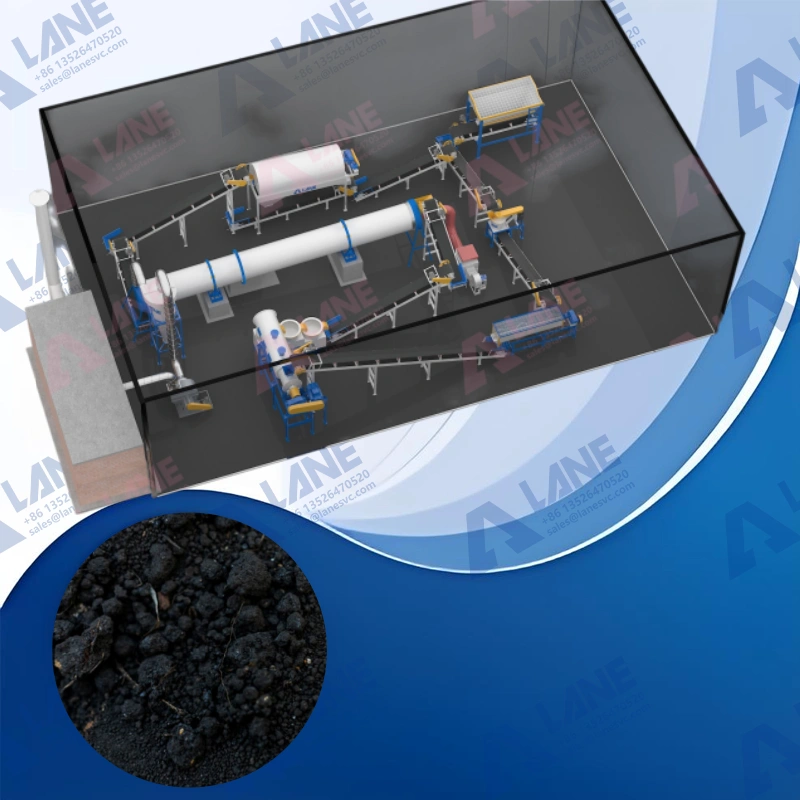
For a project that also produces commercial organic fertilizer, the equipment plan may extend beyond composting to crushing, mixing, screening, granulation, and packaging. LANE provides organic fertilizer machinery and turnkey project services, including 3D engineering design and overseas installation support as described on its website.
Visit LANE Organic Fertilizer Turnkey Solutions or LANE’s fertilizer machinery website to review the available equipment range. For a project-specific proposal, prepare your POME analysis, EFB volume, and target output first. A process designed around these figures is far more useful than a quotation based on a single machine.
For more details, please feel free to contact us.
Henan Lane Heavy Industry Machinery Technology Co., Ltd.
Email: sales@lanesvc.com
Contact number: +86 13526470520
Whatsapp: +86 13526470520

Everything you need to know when looking at different types of organic fertilizer equipment, all in one place.
Copyright © 2026. LANE All rights reserved.
Send A Message