Amino Acid Liquid Fertilizer Production Line

  • You Here!
  • Home
  • Amino Acid Liquid Fertilizer Production Line

Amino Acid Liquid Fertilizer Production Line

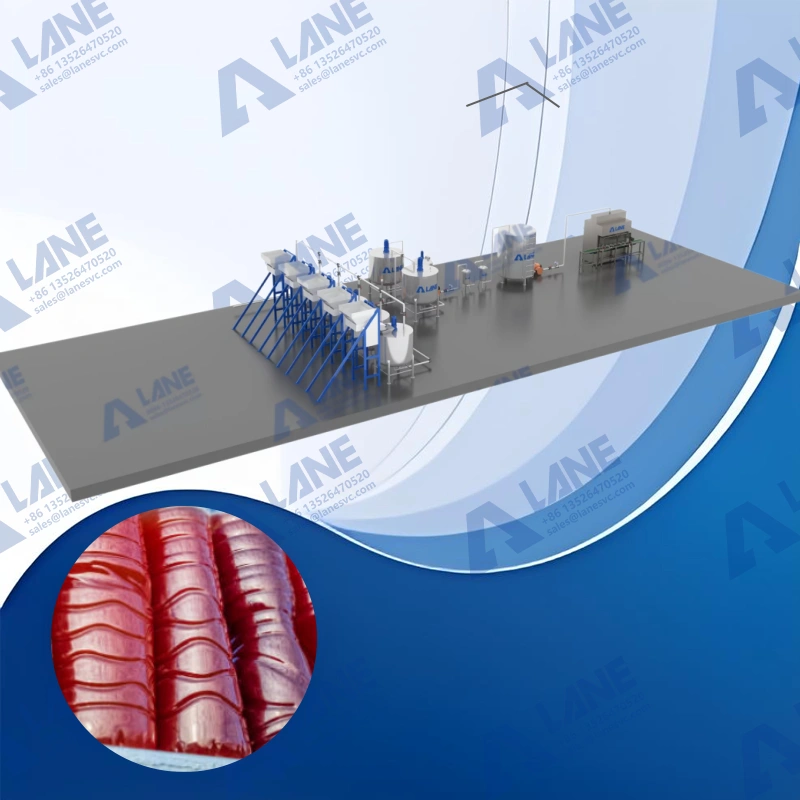
The Amino Acid Liquid Fertilizer Production Line is designed to produce high-quality amino acid liquid fertilizer through raw material preparation, hydrolysis, filtration, formulation, sterilization, and filling processes. We provide complete turnkey solutions, including process design, equipment manufacturing, installation guidance, commissioning, and technical support, helping customers achieve efficient, stable, and intelligent liquid fertilizer production.

  • Capacity : 1–50 TPH (Customized)
  • Layout Design Support : Provided
  • Warranty Period : 5-year
  • Certification : CE / ISO / SGS available

Overview

The Amino Acid Liquid Fertilizer Production Line is designed to produce high-quality amino acid liquid fertilizer through raw material preparation, hydrolysis, filtration, formulation, sterilization, and filling processes. The production line efficiently converts protein-rich organic materials into value-added liquid fertilizer products with high amino acid content, improving nutrient absorption and promoting sustainable agricultural production.

This solution is widely used by liquid fertilizer manufacturers, agricultural input companies, biofertilizer producers, organic fertilizer enterprises, and commercial fertilizer plants seeking efficient and stable amino acid liquid fertilizer production.

Suitable Raw Materials

LANE Amino Acid Liquid Fertilizer Production Line is suitable for processing various protein-rich organic materials, including:

  • Soybean Meal
  • Fish Meal
  • Animal Protein
  • Feather Meal
  • Bone Meal
  • Livestock By-products
  • Protein Hydrolysates

Other functional ingredients can also be added during production, such as:

  • Humic Acid
  • Fulvic Acid
  • Seaweed Extract
  • Beneficial Microorganisms
  • Trace Elements (Zn, Fe, Mn, Cu, B, Mo)
  • NPK Nutrients
  • Plant Growth Regulators

Amino Acid Liquid Fertilizer Production Process

Raw Material Preparation

Protein-rich raw materials are crushed and mixed with water to form a uniform slurry suitable for hydrolysis.

Hydrolysis

The slurry undergoes enzymatic or acid hydrolysis to break down proteins into free amino acids and small peptides, improving nutrient availability.

Filtration

The hydrolyzed liquid passes through multi-stage filtration to remove insoluble impurities and ensure a clear, stable fertilizer solution.

Formulation

Amino acid solution is blended with trace elements, humic acid, seaweed extract, NPK nutrients, or other functional additives according to the required fertilizer formula.

Sterilization

The formulated fertilizer is sterilized through UV or thermal sterilization to eliminate microorganisms and improve storage stability.

Filling and Packaging

The finished amino acid liquid fertilizer is automatically filled into bottles, drums, or IBC tanks for storage, transportation, and commercial distribution.

Amino Acid Liquid Fertilizer Main Equipment Configuration

A typical amino acid liquid fertilizer production line includes:

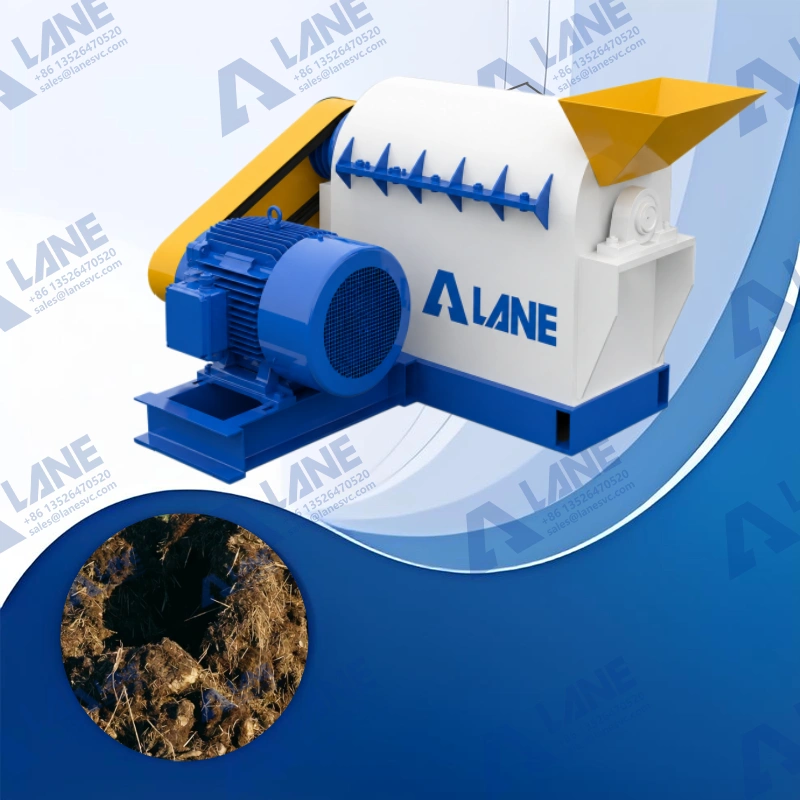
  • Raw Material Crusher
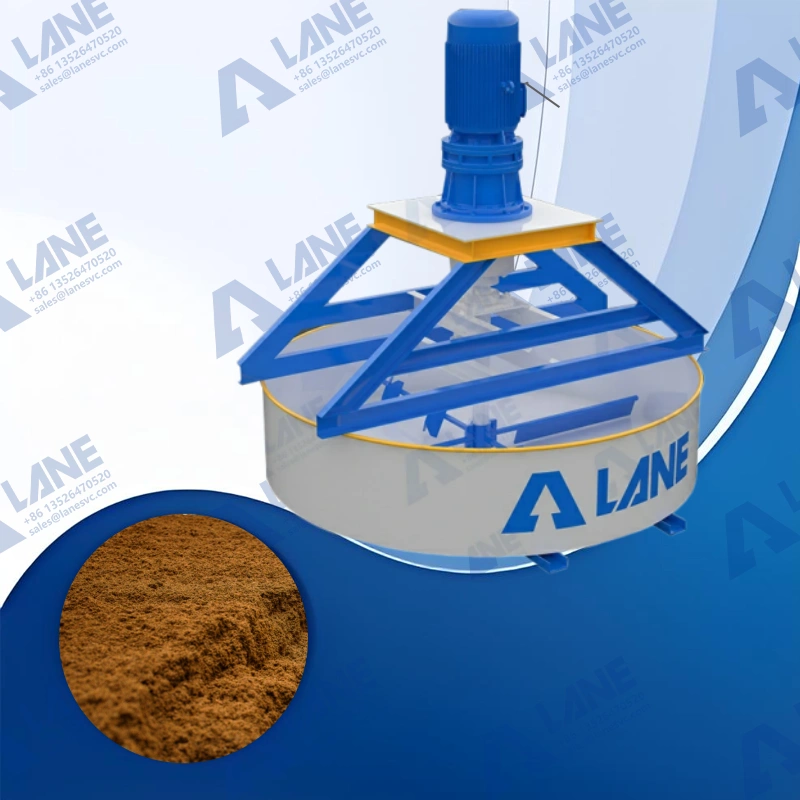
  • Mixing Tank
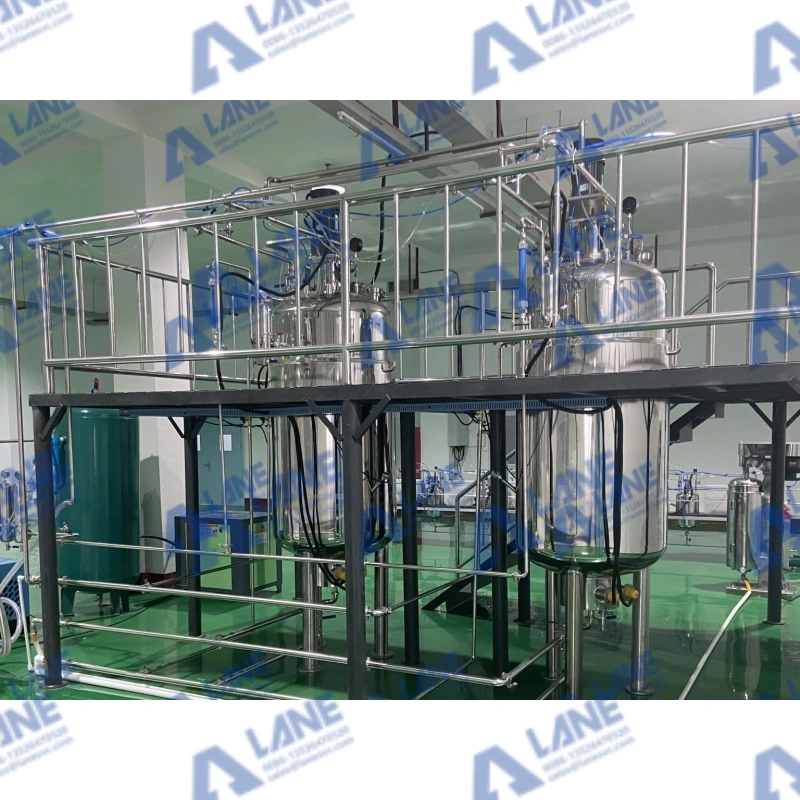
  • Hydrolysis Reactor
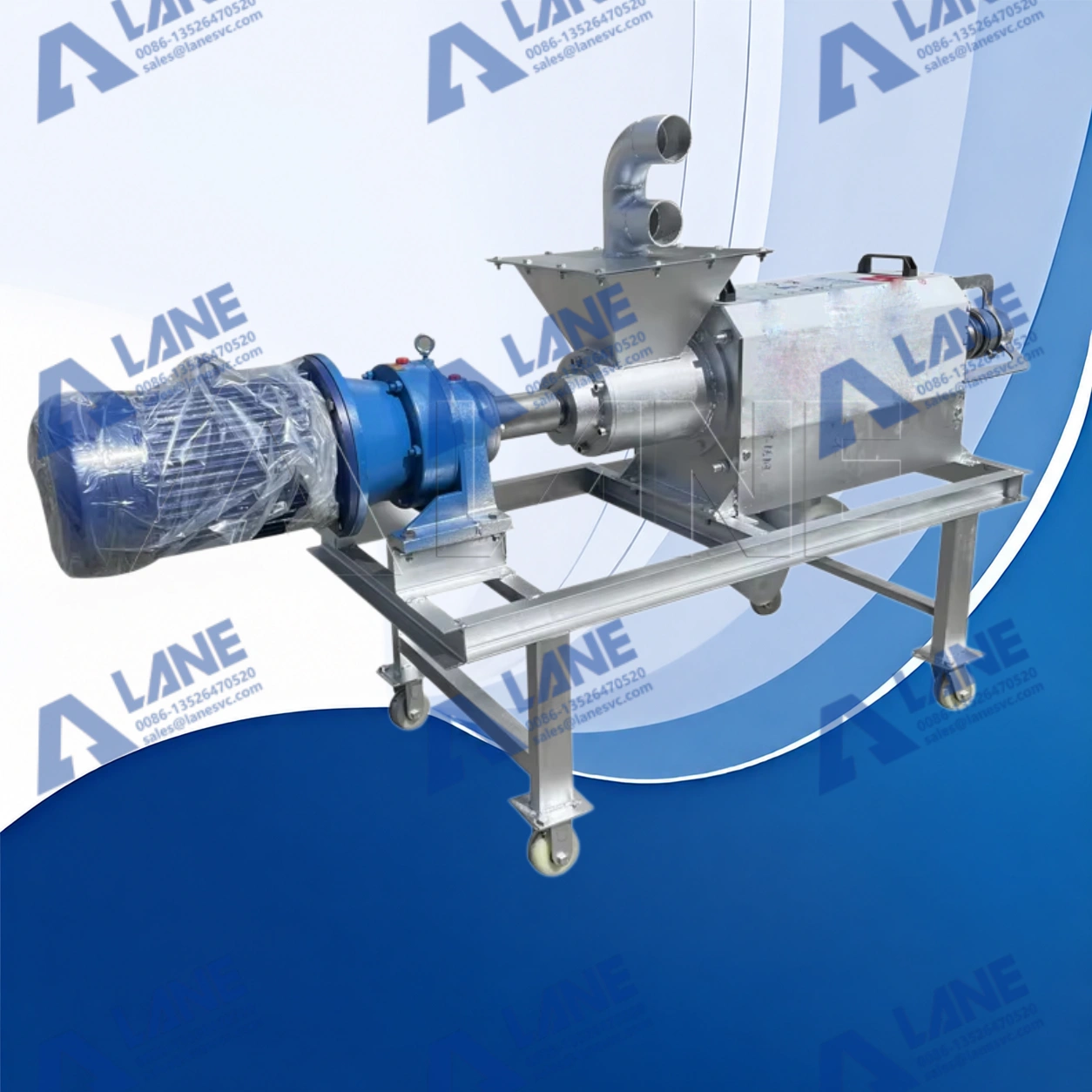
  • Filtration System
  • Formulation Mixing Tank
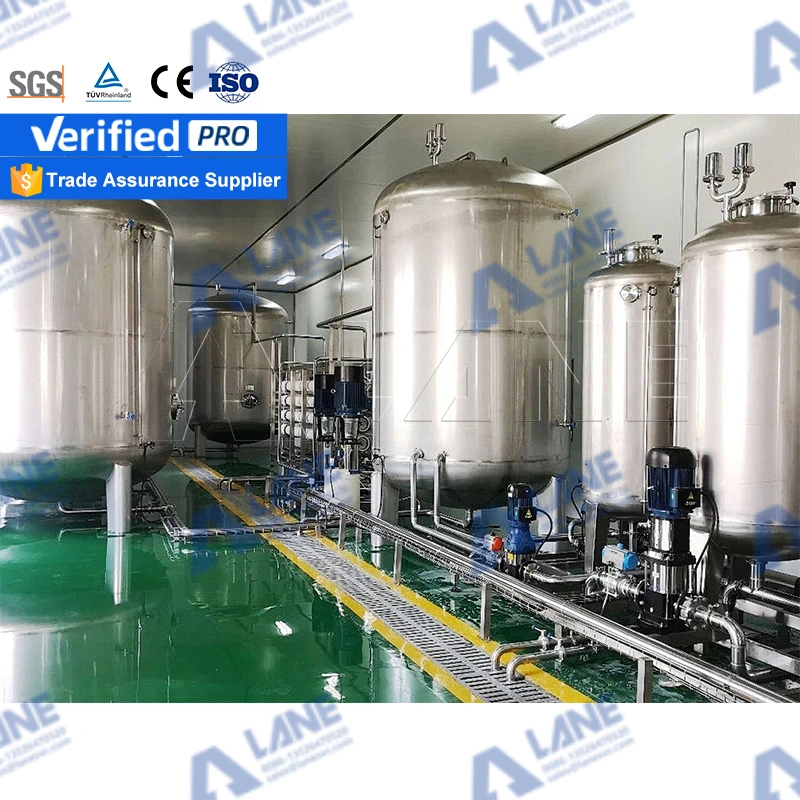
  • Sterilization System
  • Storage Tank
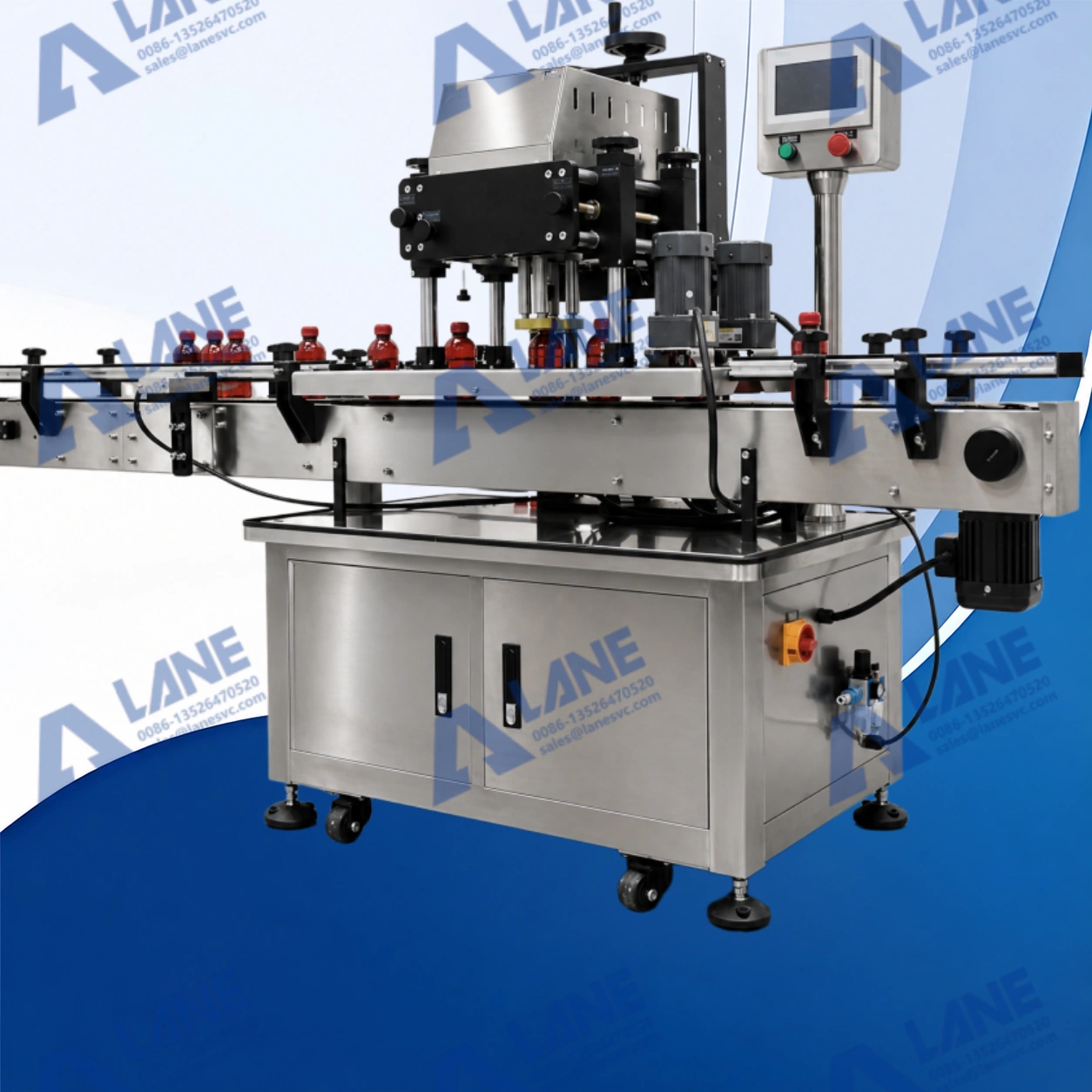
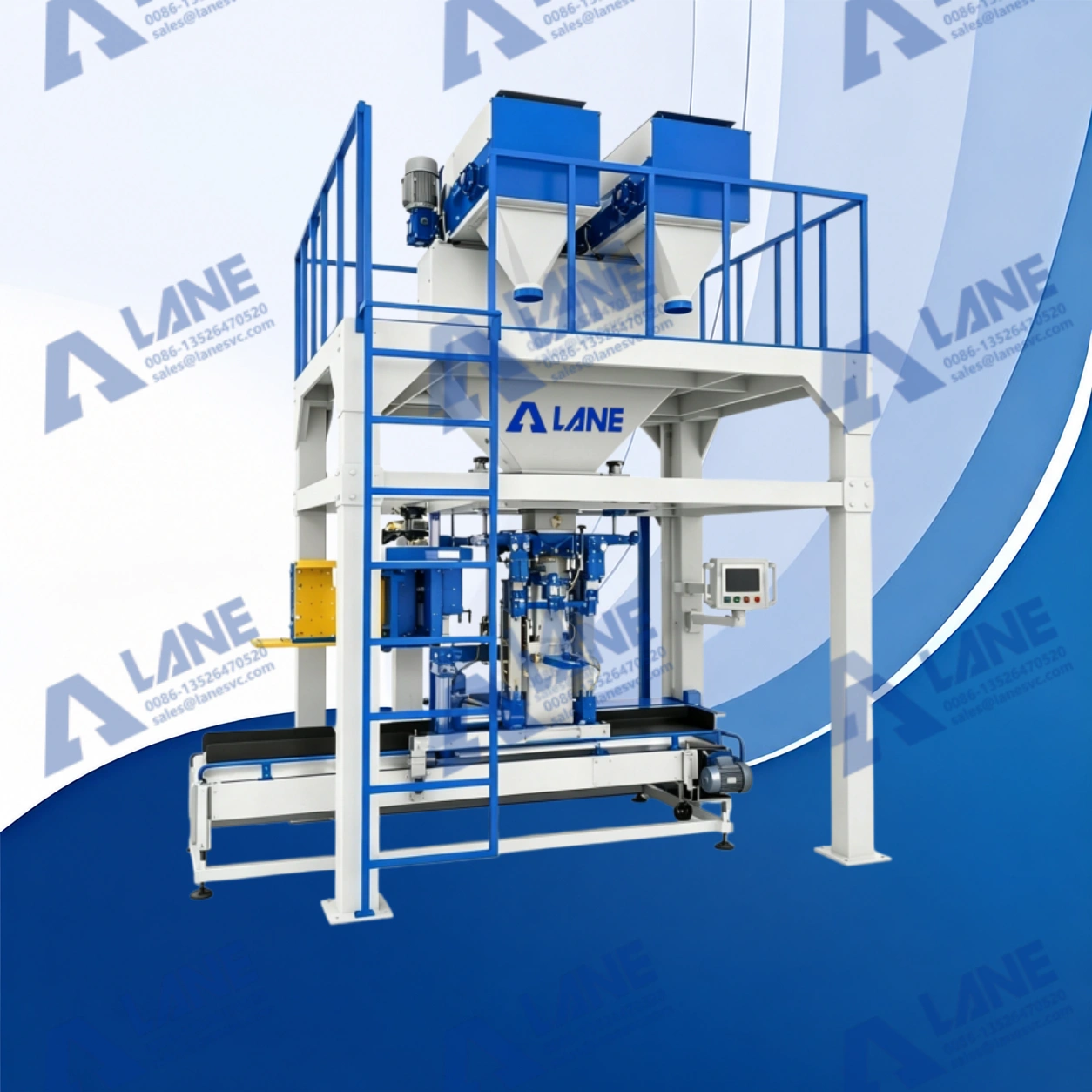
  • Automatic Liquid Filling Machine
  • Capping Machine
  • Labeling Machine
  • Conveyor System
  • PLC Automatic Control System

Equipment configuration can be customized according to raw material characteristics, production capacity, and fertilizer formulation requirements.

Features of the Amino Acid Liquid Fertilizer Production Line

  • Suitable for various protein-rich organic raw materials
  • Efficient amino acid extraction and hydrolysis technology
  • High amino acid retention and nutrient availability
  • Multi-stage filtration for consistent product quality
  • Accurate automatic formulation system
  • Intelligent PLC automatic control
  • Hygienic and environmentally friendly production process
  • Flexible equipment configuration
  • Supports multiple packaging specifications
  • Complete turnkey production solution

Turnkey Project Services

LANE provides complete turnkey solutions for amino acid liquid fertilizer production projects, including:

  • Process Design
  • Equipment Manufacturing
  • Formula Consultation
  • Plant Layout Design
  • Installation Guidance
  • Commissioning Support
  • Operator Training
  • Technical Consultation
  • After-sales Service

Our engineering team can customize the production line according to your raw materials, production capacity, fertilizer formula, packaging requirements, and factory layout.

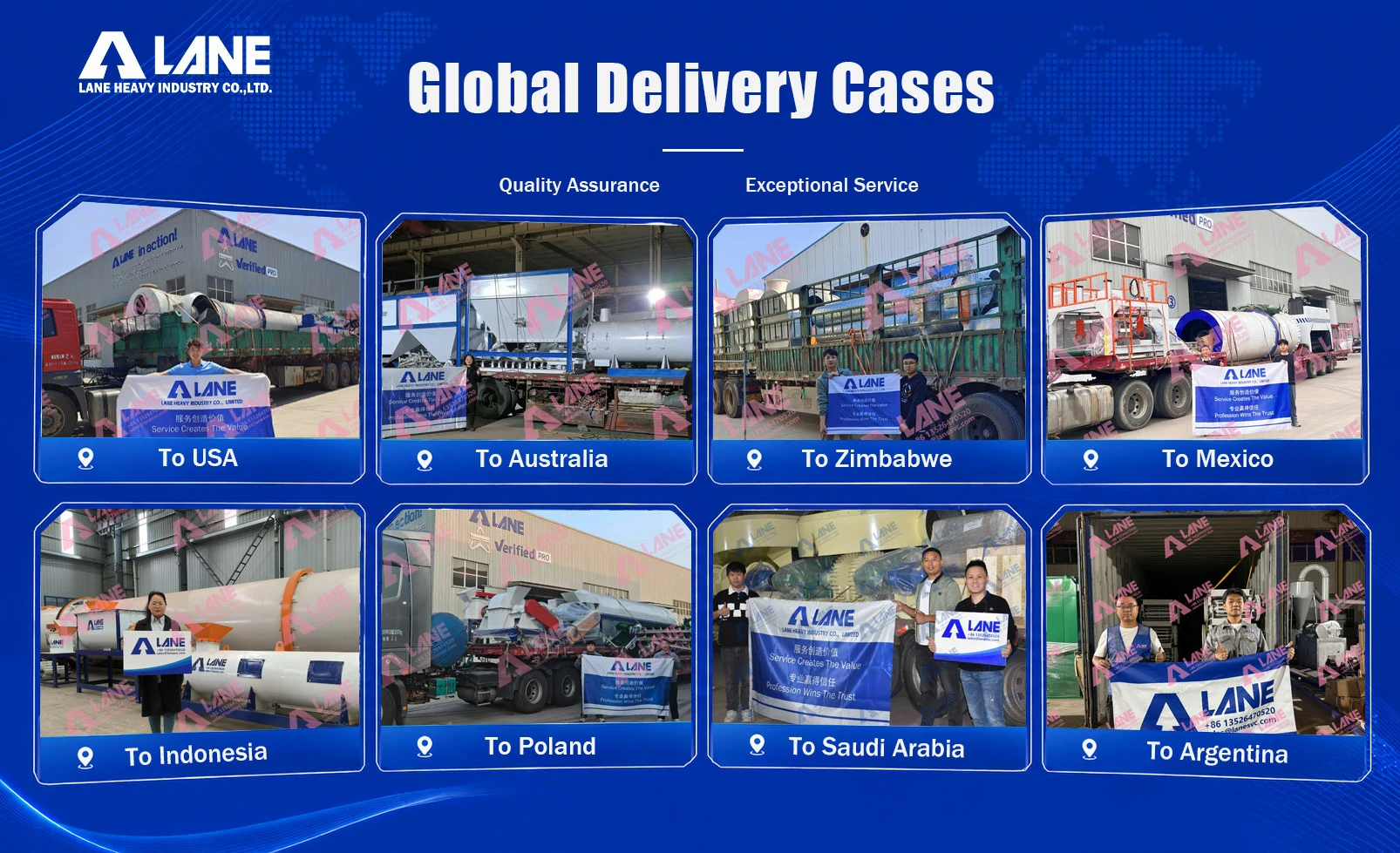
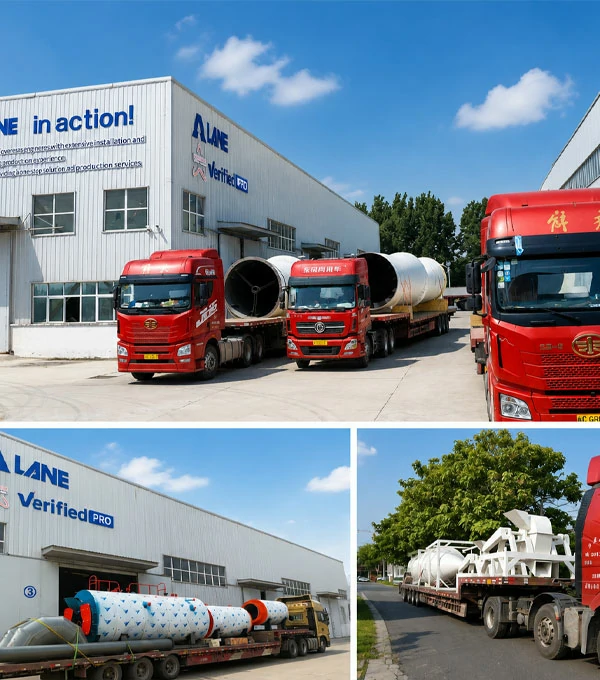
global-delivery-cases

Request a Customized Proposal

Contact us today to receive a customized process flow, equipment configuration, plant layout drawing, and quotation for your Amino Acid Liquid Fertilizer Production Line project.

shap title

OUR EQUIPMENTS

Related Equipments

faq

OUR FAQ

WE SPECIALIZE IN ORGANIC FERTILIZER EQUIPMENT SOLUTIONS

Each fertilizer project has different requirements. Our experienced sales managers and engineers will provide customized equipment selection, process design, and production solutions based on your raw materials, capacity, and production goals.

1. How much does a complete turnkey fertilizer production line cost?

The cost is not fixed because it depends on production capacity, equipment configuration, automation level, granulation technology, and environmental requirements. To provide an accurate quotation, we need to understand your raw materials, target output, and factory layout before designing a customized solution.

2. Can my local raw materials be used in the production line?

Yes, most organic materials can be processed, including livestock manure (cow, chicken, pig), agricultural waste (straw, rice husk), and organic sludge. However, different materials may require specific pre-treatment and formulation, which we design based on your actual conditions.

3. Will the production process cause odor or environmental issues?

If properly designed, odor can be effectively controlled. We use aerobic fermentation systems and can integrate deodorization, dust collection, and spraying systems to ensure compliance with local environmental regulations.

4. Can the plant be expanded in the future?

Yes, our turnkey systems are modular and scalable. You can increase production capacity by adding equipment or extending production lines without rebuilding the entire plant.

5. Why do suppliers offer very different prices for similar projects?

Price differences are mainly caused by variations in equipment quality, steel standards, automation systems, engineering design, and whether installation and after-sales service are included. Lower prices often exclude full engineering support.