
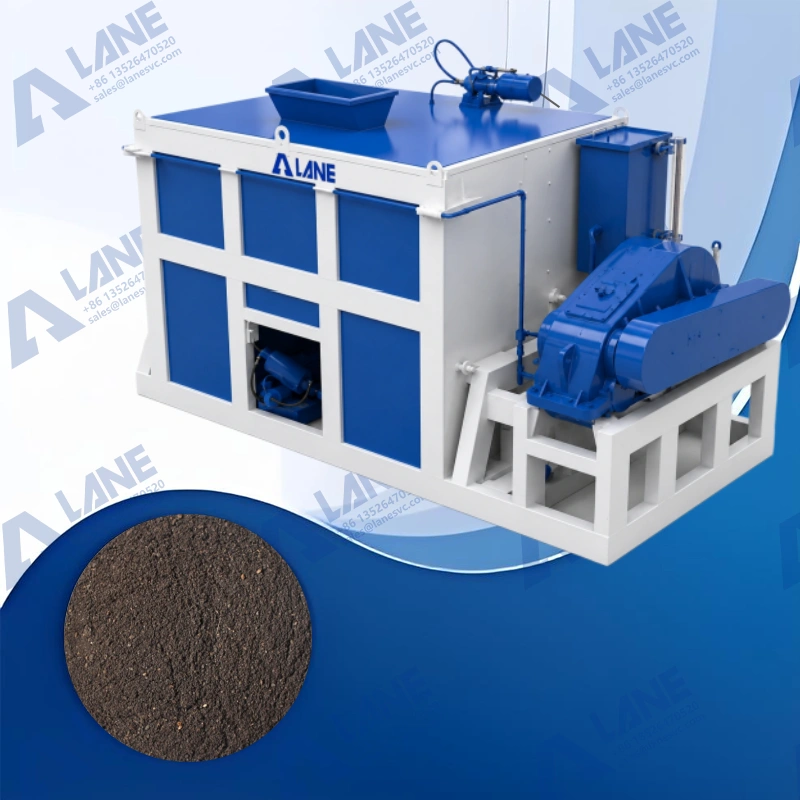
Learn the full cow dung composting process with fermentation tanks. Turn cattle manure into high-grade compost. Get your custom project quote.
Large‑scale cattle farms face persistent challenges with massive cow dung output. Raw cow dung carries pathogens, releases heavy ammonia odor, and cannot be directly applied to farmland.
Many farm operators and fertilizer investors want to master the complete cow dung composting process to convert cattle waste into market‑ready organic compost, instead of spending high costs on waste disposal.
Enclosed vertical and horizontal fermentation tanks complete the whole cow dung composting process under fully‑controlled aerobic conditions.
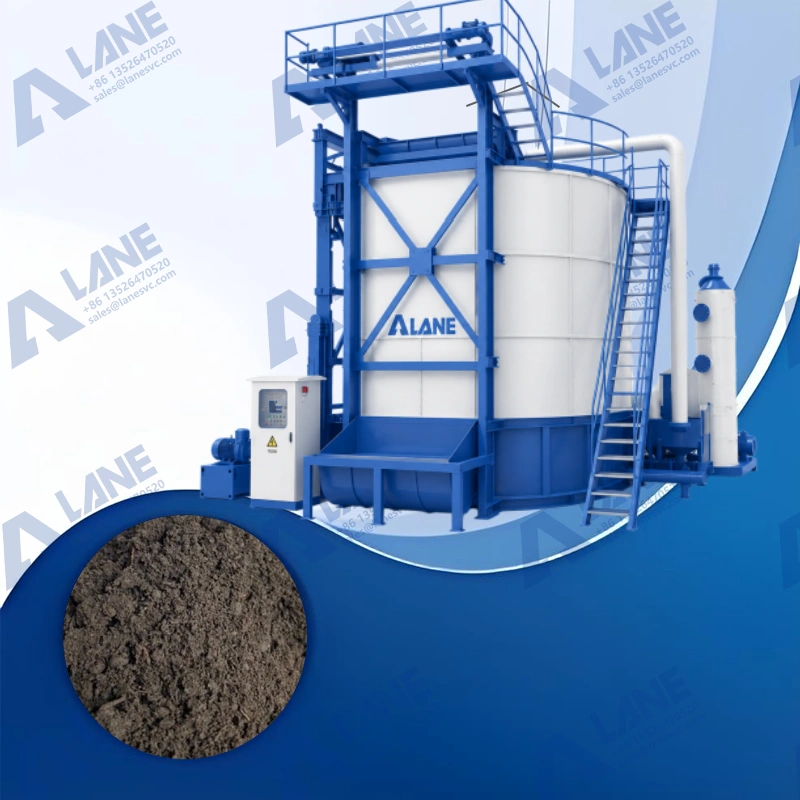
This set of equipment solves typical pain points of traditional open‑air windrow composting: long fermentation cycles, bad smell pollution, unstable quality, and heavy manual labor.
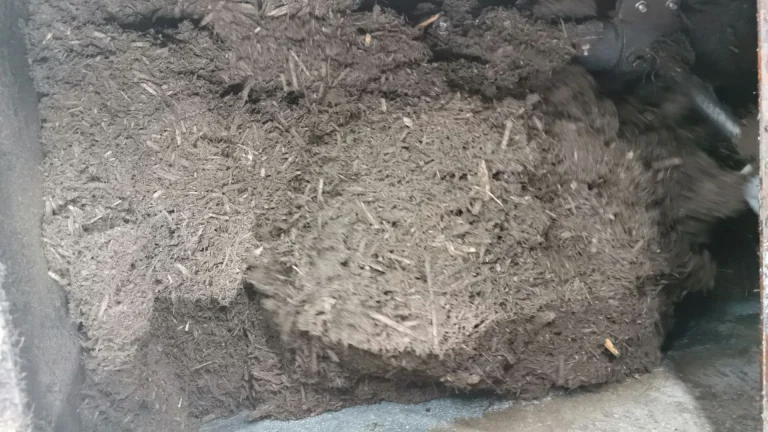
After proper composting treatment, cow dung turns into nutrient‑rich compost material, which can be sold in powder form or further processed into fertilizer pellets.
Whether you run a small dairy farm or build a commercial compost plant, sealed fermentation tanks greatly improve production stability regardless of weather changes.
When you adopt enclosed tank equipment for the cow dung composting process, you obtain both environmental protection and economic benefits.
First, sealed in‑vessel composting realizes high‑temperature aerobic decomposition inside the tank. The system keeps material temperature at 55‑70 ℃ continuously to kill parasite eggs, weed seeds and harmful bacteria.
Unlike open‑air piles that are easily affected by rain and low temperature, tank‑style fermentation works all year round.
Second, the closed structure effectively suppresses odor leakage during the cow dung composting process. It avoids complaints from nearby residents, which is very critical for farms located near residential zones.
Third, automated stirring, aeration and temperature monitoring greatly cut manual work. Operators do not need frequent manual material turning.
LANE supplies two main tank types: vertical fermentation tanks for large‑volume compact sites, and horizontal fermentation tanks for small‑to‑medium capacity projects.
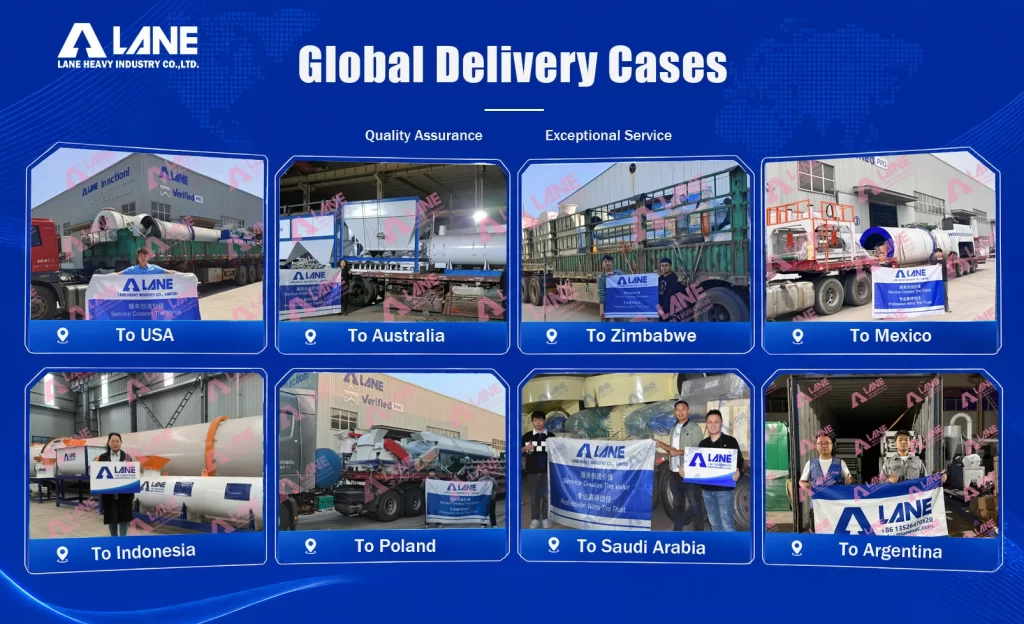
Both support free granulation test, 5‑year warranty and overseas installation service for investors without composting experience.
If you want stable output while lowering labor input for the cow dung composting process, enclosed fermentation tanks are your reliable solution.
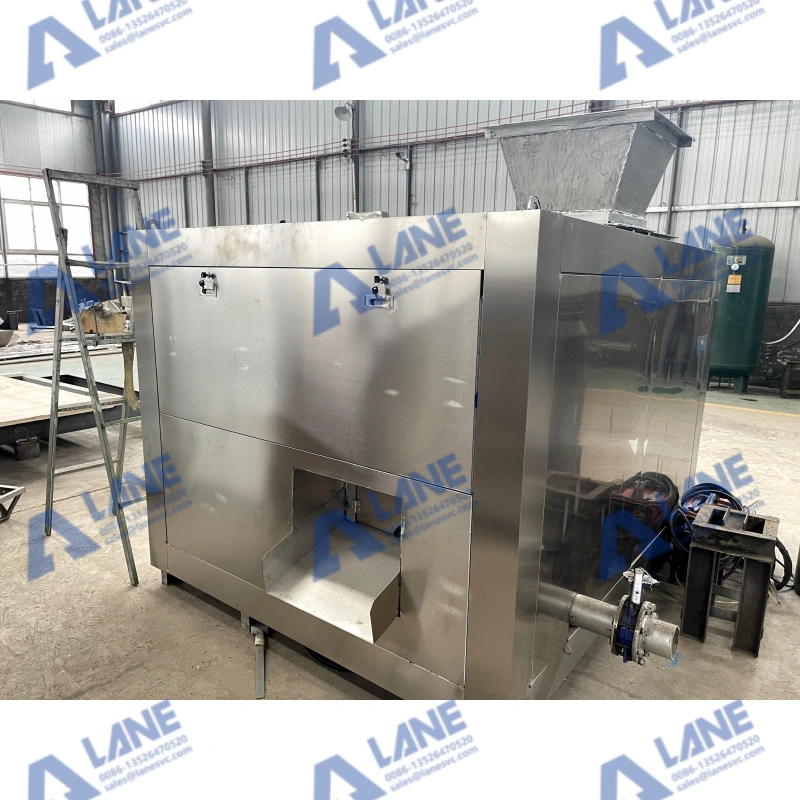
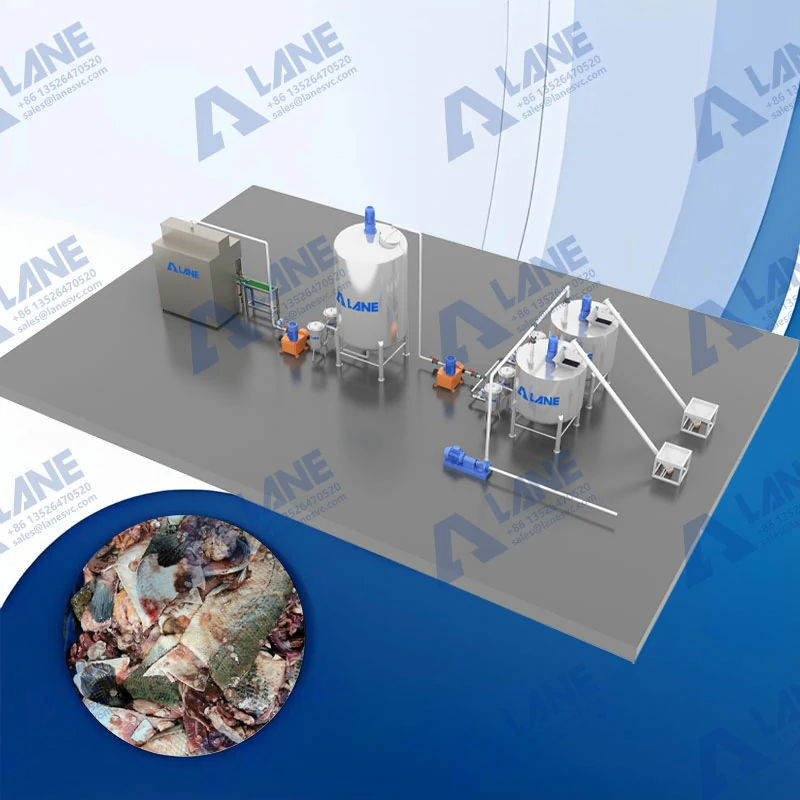
Complete equipment for the cow dung composting process mainly includes vertical fermentation tank or horizontal fermentation tank, feeding conveyor, discharging unit and automatic control cabinet.
For Vertical Fermentation Tank:
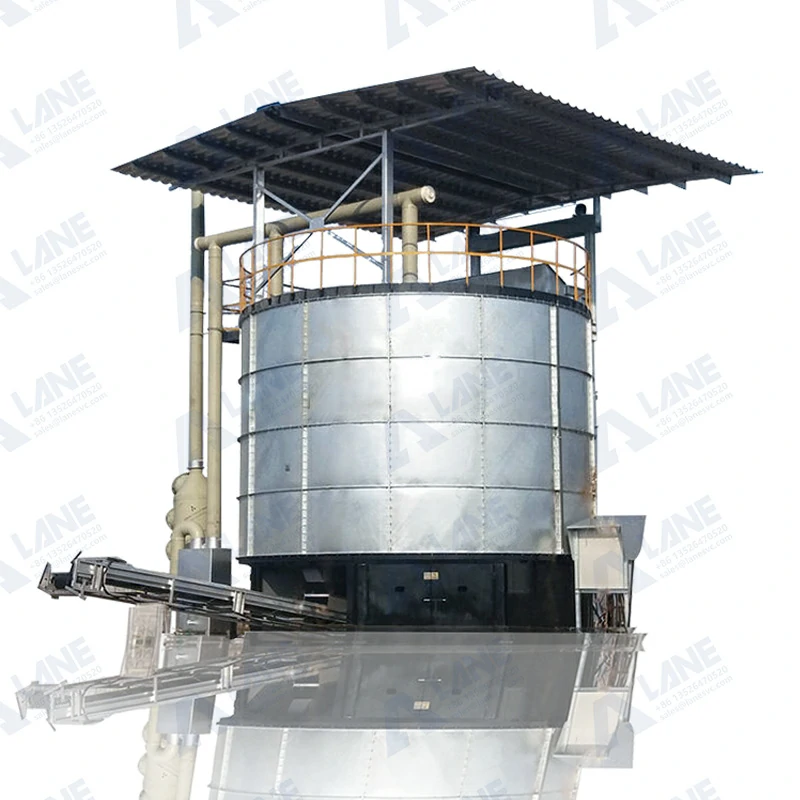
For Horizontal Fermentation Tank:
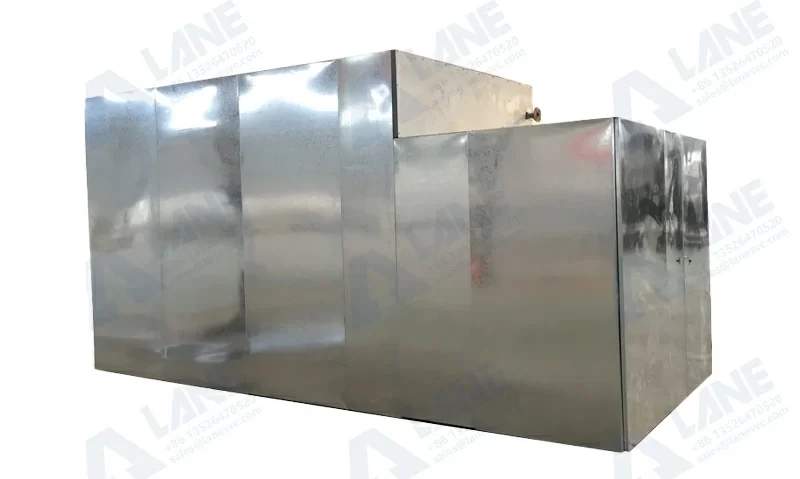
Before feeding, users should adjust cow dung C/N ratio to 25‑30:1 by mixing straw or sawdust; keep raw material moisture between 50‑65%. Fermentation bacteria can be added to accelerate decomposition. Customers can select single tank or multi‑tank combination according to daily cow dung yield.
This cow dung composting process solution fits multiple real‑world project cases.
Dairy and beef cattle farms are the primary users. On‑site fermentation tanks handle self‑produced cow dung, eliminating waste‑removal fees. Finished compost can be used for own planting or packed for local sales.
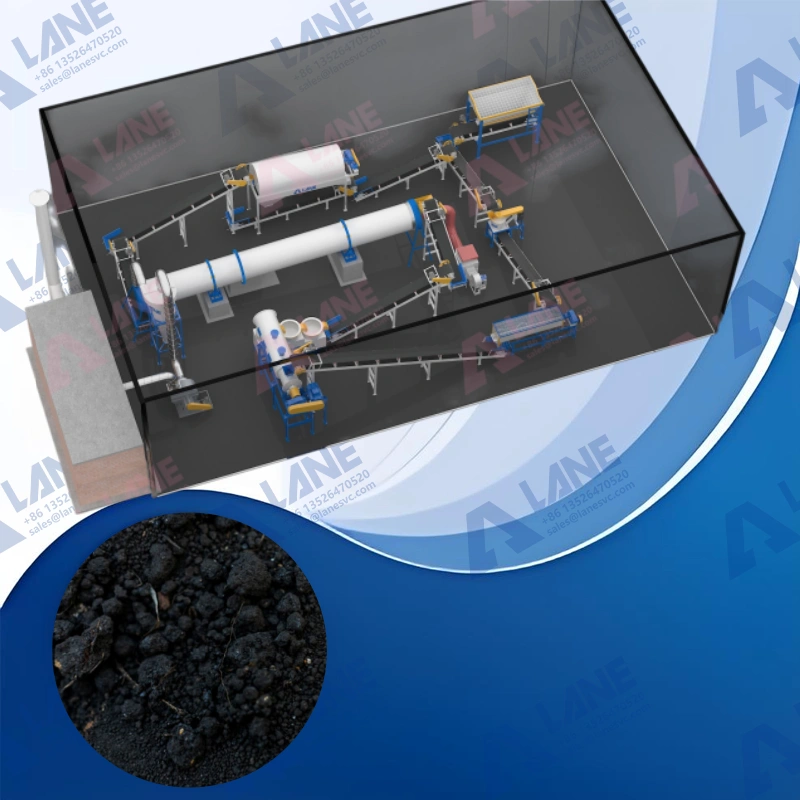
Independent organic fertilizer manufacturers purchase these tanks to process purchased cow dung and other livestock manure. After composting, materials go to crushing and granulation units for commercial organic fertilizer products. Adjusting auxiliary carbon material allows the same tank to also treat chicken manure, pig manure and garden waste for higher equipment utilization.
Many overseas agricultural investors in Southeast Asia, Australia and Latin America select turn‑key fermentation systems. Local organic crop planting keeps expanding, creating steady market demand for compost made via the cow dung composting process.
Q1: How long does the cow dung composting process take inside fermentation tanks? A: For horizontal fermentation tanks, aerobic composting takes 7‑10 days. Larger vertical fermentation tanks need 10‑20 days. Real duration depends on raw material moisture, C/N ratio and local ambient temperature.
Q2: Can I run the cow dung composting process in cold winter weather? A: Yes. Both vertical and horizontal tanks have insulation layers. The heating system maintains ideal microbial temperature, so the cow dung composting process can proceed normally in low‑temperature seasons. Open‑air windrow composting usually stops in cold weather.
Q3: What raw‑material preparation work is needed before starting the cow dung composting process? A: Mix cow dung with straw, sawdust or crop residues to balance carbon‑nitrogen ratio. Control moisture within 50‑65%. Adding special fermentation strains will speed up decomposition performance.
Q4: Which tank should I pick, vertical or horizontal fermentation tank? A: Choose horizontal fermentation tanks if your daily output is below 20 tons and you prefer easy maintenance. Select vertical fermentation tanks for large‑volume treatment when your workshop floor space is limited.
Mastering the cow dung composting process helps cattle farms resolve manure pollution risks and capture profits from rising organic agriculture demand. By using sealed vertical or horizontal fermentation tanks, troublesome cow dung waste transforms into high‑quality compost for agriculture.
If you plan to build your cow dung composting project, reach out to our team for customized tank selection, workshop layout drawing and free equipment quotation.

Everything you need to know when looking at different types of organic fertilizer equipment, all in one place.
Copyright © 2026. LANE All rights reserved.
Send A Message