
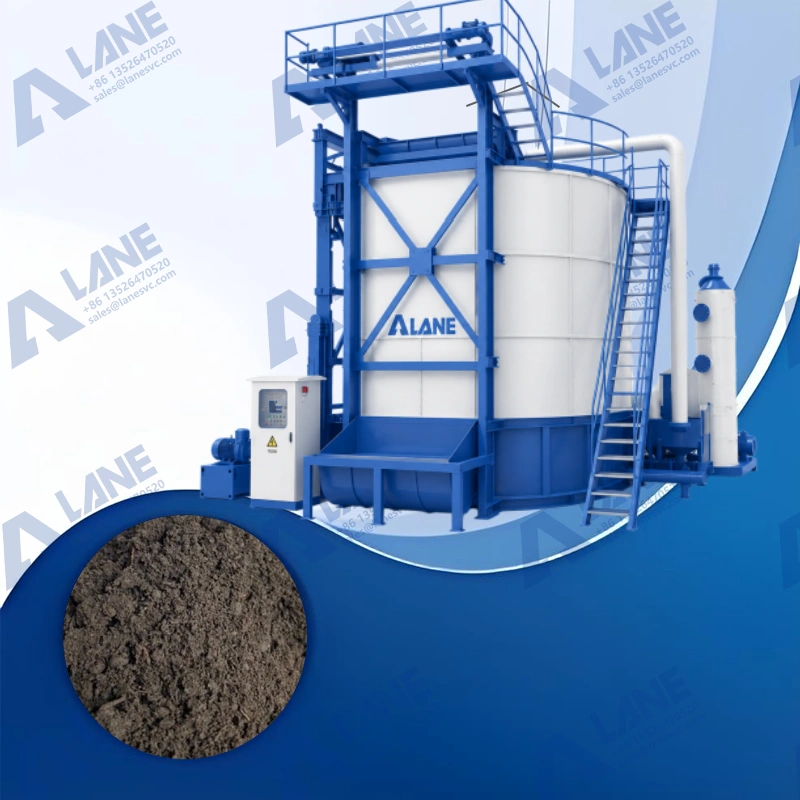
Vertical fermentation tank for organic waste composting. Compact tank converts manure & bio-waste into quality compost. Get your quote.
Traditional open‑air windrow composting brings many headaches for farms and fertilizer factories: huge land occupation, strong odor pollution, unstable compost quality, and heavy manual workload.
Many project investors look for reliable enclosed solutions, and a vertical fermentation tank for organic waste composting offers mature in‑vessel aerobic composting to process livestock manure, crop residues and food waste efficiently.
The vertical fermentation tank for organic waste composting runs high‑temperature aerobic decomposition inside a fully sealed insulated cylinder. Raw organic waste goes in from the top, and finished mature compost discharges from the bottom by gravity flow.
It eliminates weather interference and greatly cuts manual operations. Whether you run a medium‑scale livestock farm or build a commercial compost plant, this tank supports stable year‑round compost output without large‑area stacking yards.
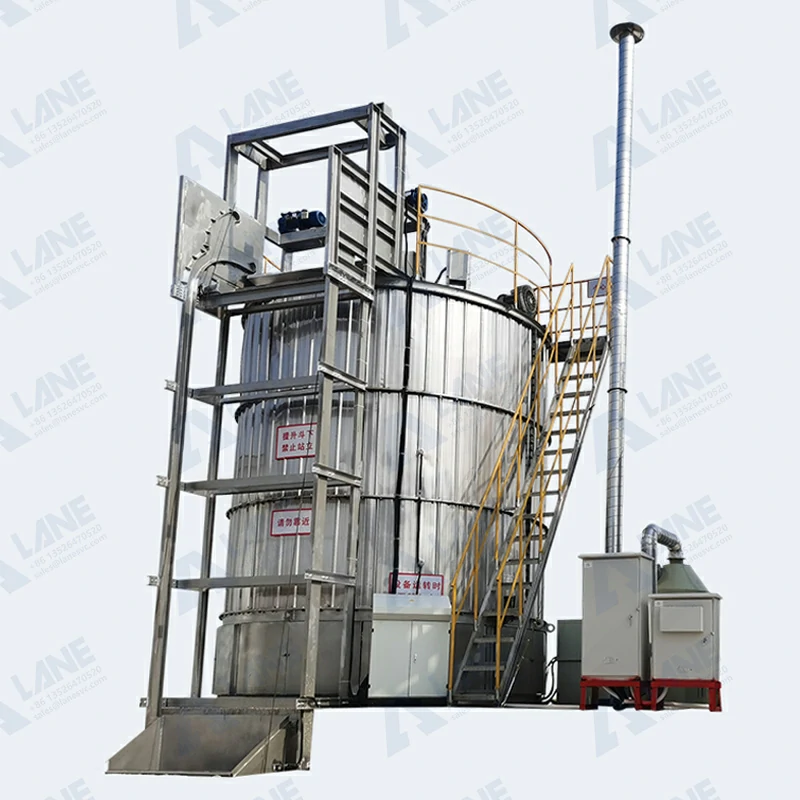
When you deploy a vertical fermentation tank for organic waste composting, you gain environmental benefits and production‑side improvements at the same time.
First of all, its upright vertical structure saves up to 80% floor space compared with equal‑capacity trough or windrow composting systems. It fits well for factories and farms where land resources are limited, such as suburban compost facilities and retrofitted existing workshops.
Secondly, the fully enclosed tank plus integrated biological deodorization unit suppresses odor leakage effectively. This avoids neighborhood complaints and helps projects meet strict local environmental protection standards.
Thirdly, intelligent PLC automatic control monitors real‑time temperature, moisture and oxygen content inside the tank. It maintains thermophilic temperature of 50‑70 ℃ continuously, killing parasite eggs, weed seeds and harmful pathogens to produce stable, high‑quality compost.
Besides, gravity‑assisted material movement reduces extra conveying energy consumption. Main contact parts adopt anti‑corrosion steel material for long service life. Free technical drawing support, 5‑year warranty and overseas installation guidance are available for new project owners.
If you want compact, low‑labor‑cost equipment for the vertical fermentation tank for organic waste composting, enclosed vertical compost fermenters are your solid option.
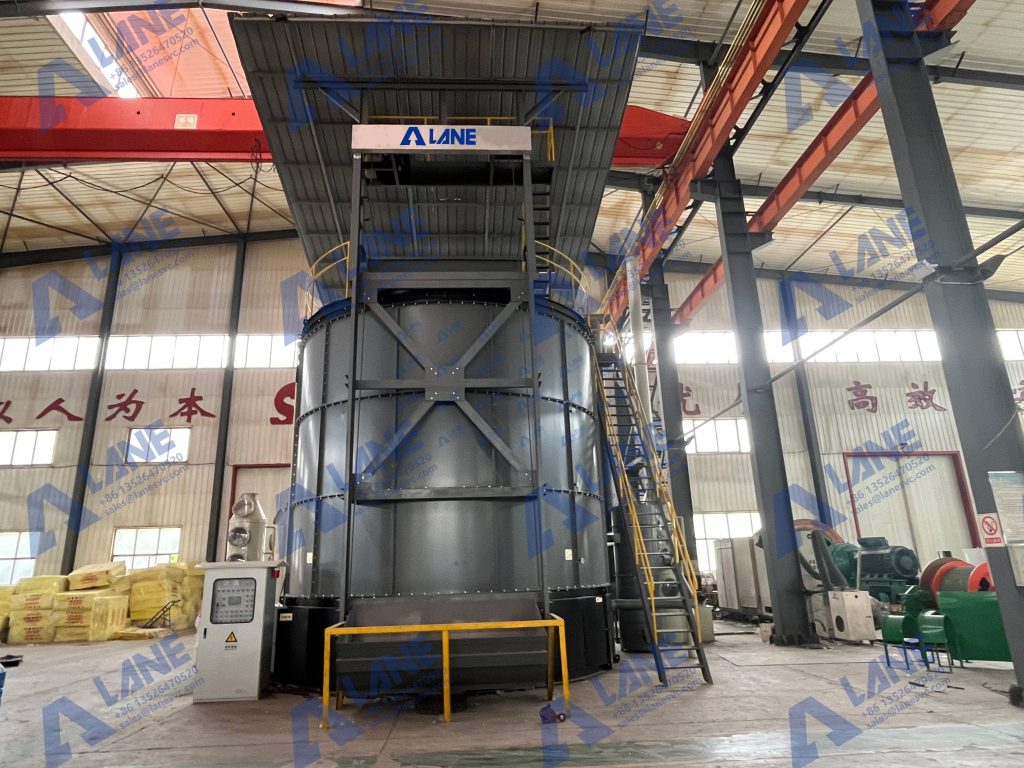
Key configurations of the vertical fermentation tank for organic waste composting include main fermentation silo, feeding conveyor, discharging unit, aeration system and PLC electric control cabinet.
Custom capacities available:

Multiple‑tank modular combination is supported for larger‑volume projects. Custom dimensions and material specifications can be supplied according to clients’ actual waste yield and site layout conditions.
The vertical fermentation tank for organic waste composting suits multiple real‑world project cases.
Medium‑size organic fertilizer plants widely adopt this tank as core composting equipment. Finished compost from the tank can flow directly to downstream crushing and granulating machines for commercial organic fertilizer production.
Livestock farms including cattle, pig and poultry sites use the tank to treat self‑generated manure on‑site. It removes expensive waste‑disposal fees; mature compost can be used for self‑planting or packed for local sales.
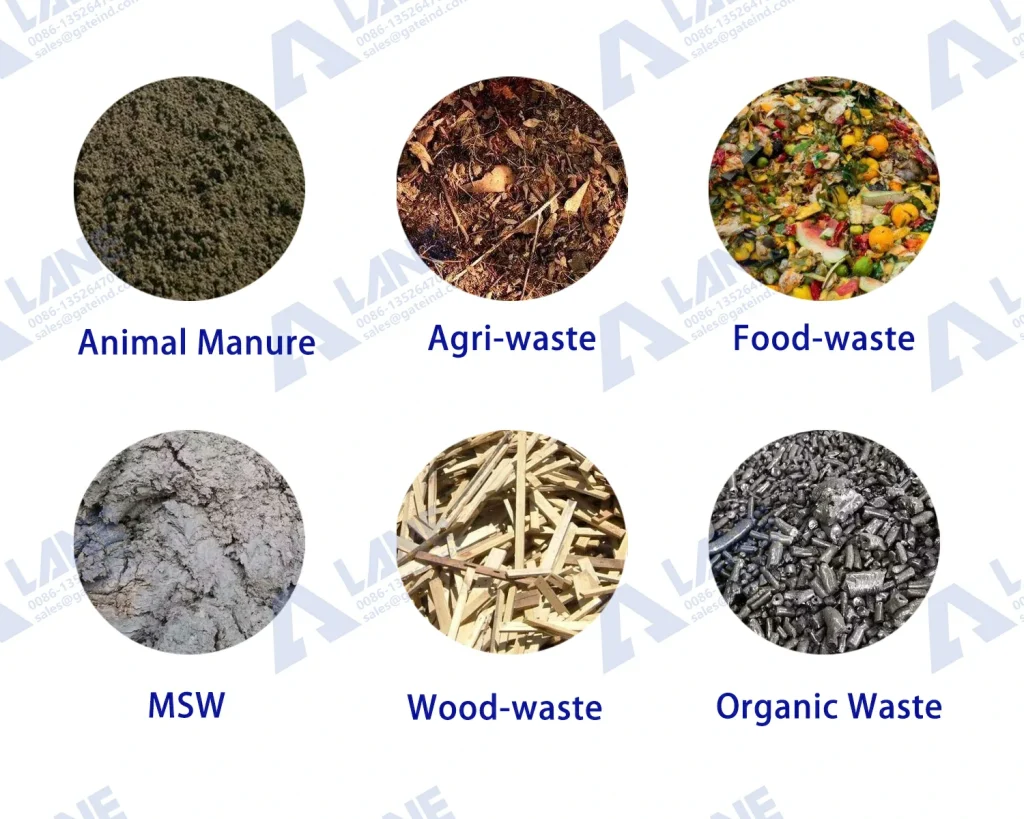
Food processing factories and municipal waste‑treatment projects can also process food scraps, crop straw, garden debris and biogas residue inside the same vertical tank. Changing auxiliary carbon material allows multi‑raw‑material treatment and improves overall equipment utilization rate.
Many overseas investors from Southeast Asia, Australia and Latin America select turn‑key vertical fermentation tank systems. Local growing organic farming creates steady market demand for compost produced by vertical fermentation tank for organic waste composting.
Q1: What raw materials can be handled by vertical fermentation tank for organic waste composting?
A: It can process cow dung, pig manure, poultry manure, crop stalks, food waste, mushroom residue and garden waste. Raw materials need pre‑shredding and moisture adjustment before feeding.
Q2: Can vertical fermentation tank for organic waste composting work normally in cold winter seasons?
A: Yes. Insulated tank shell plus auxiliary heating system keeps ideal microbial temperature inside. The composting process will not stop under low‑temperature outdoor conditions, different from open‑air windrow piles.
Q3: How long is the full composting cycle inside vertical fermentation tank for organic waste composting?
A: Normal cycle ranges from 10‑20 days. Actual duration depends on raw‑material moisture, carbon‑nitrogen ratio and local ambient climate.
Q4: Do I need large‑area workshop to install this compost tank?
A: No. Vertical layout greatly reduces footprint. Even projects with limited land space can realize medium‑to‑large daily organic waste treatment capacity.
Using vertical fermentation tank for organic waste composting helps waste generators turn troublesome organic waste into valuable mature compost resources. The compact enclosed aerobic fermenter solves pain points of traditional open‑pile composting, including land shortage, odor pollution and unstable finished quality.
If you plan to build your organic waste composting project, feel free to get in touch with our engineering team. We provide tank‑selection suggestion, preliminary site layout design and free customized project quotation.

Everything you need to know when looking at different types of organic fertilizer equipment, all in one place.
Copyright © 2026. LANE All rights reserved.
Send A Message