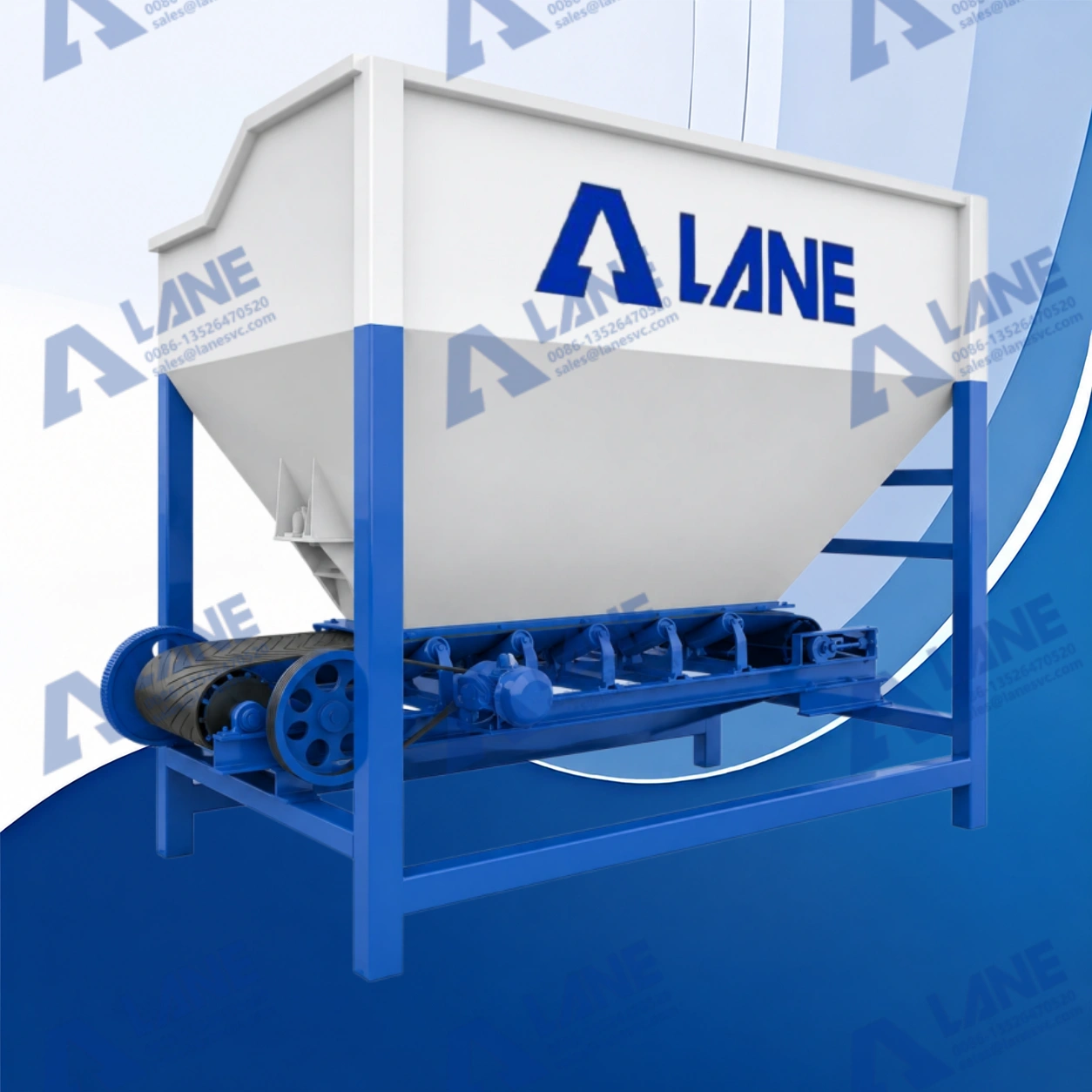
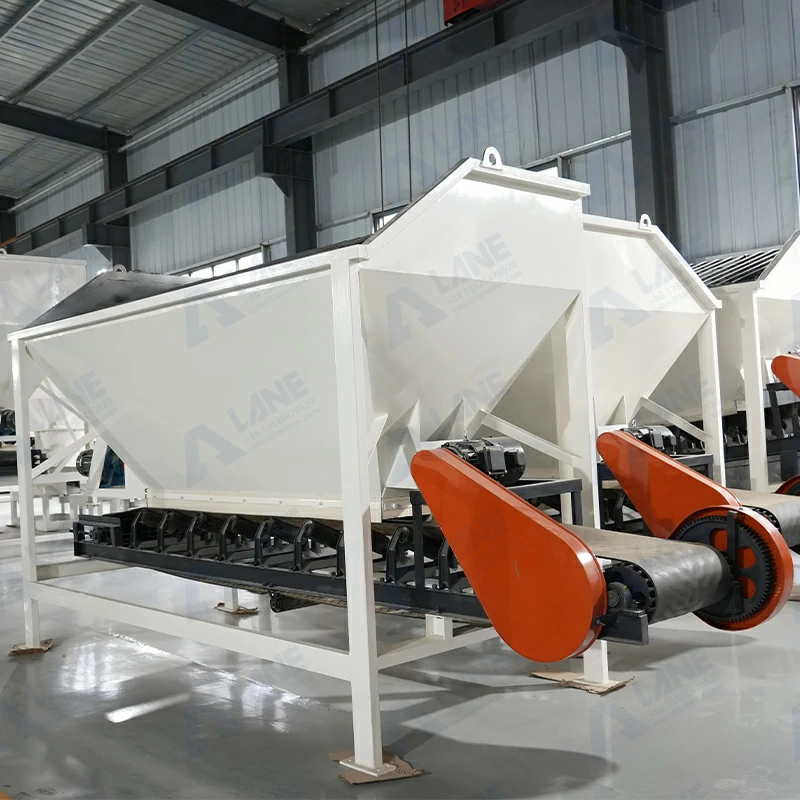
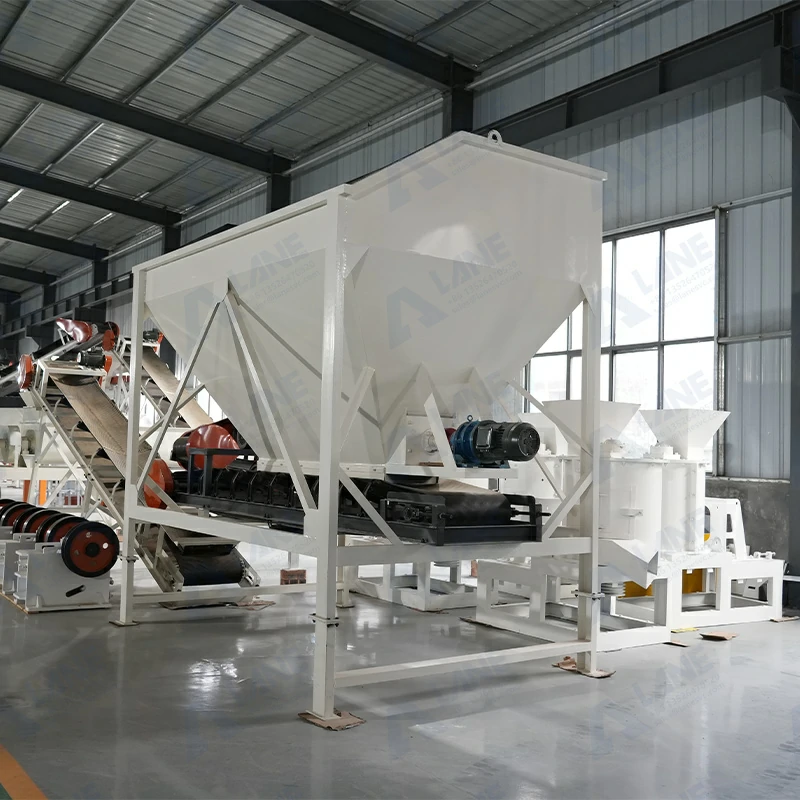
Industrial fertilizer storage hoppers in 5-200 m³ capacities. Carbon steel or stainless construction, arch-breaking design, dust-tight covers. Built for NPK, organic, and BB fertilizer plants. Get a quote.
A fertilizer storage hopper is where your production line starts and where it pauses between stages. Get this piece wrong and you spend half your shift clearing blockages, dealing with dust, or chasing moisture problems. Get it right and material flows when you need it, at the rate you need it, without babysitting.
We build fertilizer storage hoppers from 5 to 200 cubic meters for plants running NPK compound fertilizer, organic fertilizer, and BB blending lines. You pick carbon steel or stainless steel depending on your material and budget. We add arch breakers when your material tends to bridge, dust-tight covers when your plant needs to stay clean, and load cells when you want the hopper to double as a weigh bin in your batching setup.
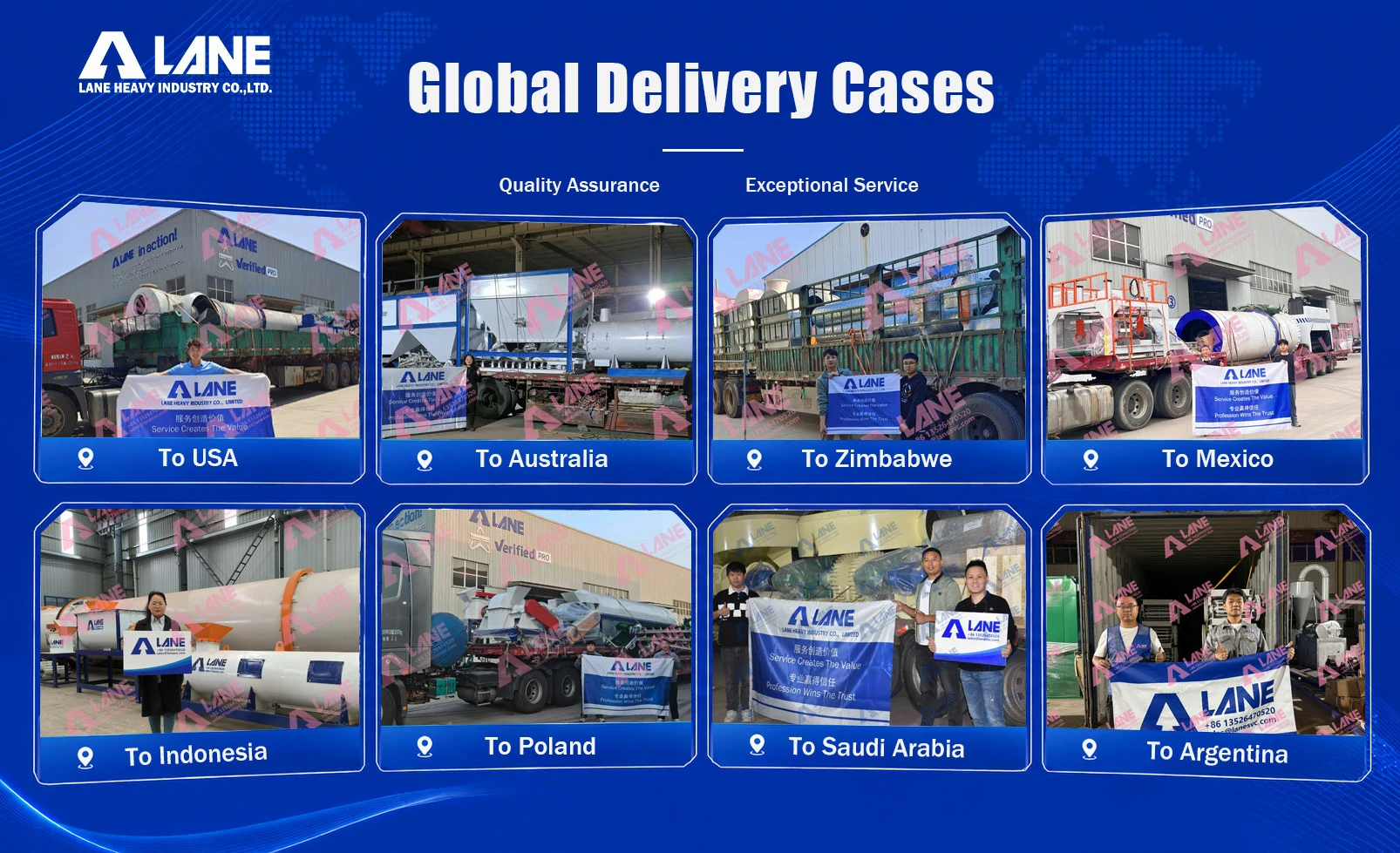
Every hopper ships in bolted modules. That means you can truck it to a remote site in central Africa or Southeast Asia without paying for specialized heavy-haul logistics. Your crew bolts the sections together on-site in a few days. No field welding. No crane that has to hold position for two weeks.
We have been making these hoppers since 2005 for customers from Vietnam to Mexico. They handle urea, DAP, MOP, potassium sulfate, ground phosphate rock, composted organics, and everything between.
Arch-breaking hopper geometry. Most bridging happens because the hopper wall angle is too shallow or the outlet is undersized for the material. We size the discharge opening to your specific material’s angle of repose and flow characteristics. For sticky materials like composted poultry manure or moist NPK blends, we add a mechanical agitator or vibratory arch breaker that activates on each discharge cycle. The result: your operators run the line instead of standing on a ladder with a prod bar.
Modular bolted construction. You do not need a certified welding crew on-site. Each panel bolts to the next with high-strength fasteners and gasketed seams. Panels are sized to fit in standard 40-foot containers or flatbed trucks. We have shipped hoppers to landlocked countries where the only access road is a dirt track. The modular approach makes that possible.
Abrasion-resistant liner option. Raw phosphate rock and certain potash grades eat through mild steel in under a year. We offer bolt-in AR400 steel liners or high-molecular-weight polyethylene liners for corrosive or high-abrasion materials. Liners are replaceable in sections so you swap out the worn areas without touching the rest of the hopper.
Dust collection integration. Every hopper includes a flanged dust port sized to match your plant’s dust collection ductwork. The covers are gasketed and can include a bag-slit hood if you are receiving material from bulk bags. Keeping dust in the system, not in your operators’ lungs, is standard on every hopper we ship.
Load cell mounting option. If the hopper sits between your raw material receiving and a batching system, we can engineer the support structure with integrated load cell mounts. The hopper becomes a weigh hopper that talks to your batching PLC. You get inventory tracking and process weight data without adding a separate weigh station.
Material-specific discharge gates. We do not ship every hopper with the same slide gate. Manual rack-and-pinion gates work for free-flowing granular materials. For powders and sticky materials, we use electro-pneumatic clam-shell gates or rotary valves. You tell us your material and we match the gate to it.
Material enters the fertilizer storage hopper from the top, typically through a belt conveyor, bucket elevator, or front-end loader tipping into a grizzly screen. The grizzly catches oversize lumps and foreign objects before they reach storage. Inside the hopper, material rests on angled walls that direct it toward the discharge opening at the bottom.
When your downstream process calls for material, the discharge gate opens. Gravity does the work. If the material has poor flow characteristics, an agitator or vibratory arch breaker activates during the discharge cycle, breaking any bridges that have formed and keeping the material moving at a steady rate. A variable-speed discharge conveyor or rotary valve meters the material onto the next conveyor at the rate your process needs.
Level sensors mounted at high, mid, and low points tell your control system how much material remains. The low-level alarm prevents your downstream process from running dry. The high-level alarm prevents overfilling when upstream feed is running.
Raw material receiving. This is where most plants put their first hopper. Bulk trucks or loaders dump raw materials like urea, DAP, MOP, or composted organics into a receiving hopper with a grizzly screen. An inclined belt conveyor takes the material from the hopper discharge to storage or directly to the crusher.
Buffer storage between process stages. After granulation or composting, material often needs to sit before the next operation. A buffer hopper between the dryer and cooler, or between the screener and coating drum, decouples the two operations so a stoppage upstream does not starve the downstream machine.
Finished product surge bin. The last hopper in the line sits above your packaging machine. It holds screened, coated, and cooled finished fertilizer, feeding the bagging scale on demand. When the packaging line stops for a bag change or label swap, production upstream keeps running because the surge bin absorbs the gap.

What capacity fertilizer storage hopper do I need for my plant?
Start with your desired buffer time. If your downstream process consumes 10 tons per hour and you want 4 hours of buffer, you need 40 tons of storage. Convert tons to cubic meters using your material’s bulk density. Urea sits around 0.72 t/m³, so 40 tons needs about 55 cubic meters. We size hoppers based on your specific material and throughput.
How do I stop material from bridging inside the hopper?
Bridging has two main causes: hopper geometry that does not match your material, and moisture causing particles to clump. We fix geometry by sizing the discharge opening and wall angle to your material’s flow properties. For materials that still tend to bridge, we add a mechanical agitator or vibratory arch breaker. Keep your material dry and bridging becomes much less of a problem.
Should I choose carbon steel or stainless steel for my fertilizer storage hopper?
Carbon steel is the standard choice for dry NPK raw materials like urea, DAP, and MOP. It costs less and holds up well when painted properly. Stainless steel makes sense when you are storing materials with high chloride content, wet organics, or anything that will corrode carbon steel quickly. It is also the right call if you export to markets where buyers expect stainless for food-safety reasons in organic fertilizer production.
What maintenance does a fertilizer storage hopper need?
Not much. Inspect liner bolts every 6 months and retorque as needed. Check the discharge gate seal annually. Grease agitator bearings per the schedule on the motor nameplate. If you have load cells, have them calibrated once a year. The hopper structure itself has no moving parts other than the gate and optional agitator, so ongoing maintenance is minimal.
Can the hopper integrate with my batching system?
Yes. We build the support structure with load cell mounts so the hopper functions as a weigh hopper. The load cells connect to your batching PLC through a junction box and weight transmitter. Your system tracks material drawdown by weight and controls the discharge gate to hit target weights. This is a common setup in NPK plants that batch raw materials before mixing.
How do I keep fertilizer from absorbing moisture in the hopper?
Specify dust-tight gasketed covers and keep the hopper as full as practical to minimize air contact. If your plant is in a humid coastal area, consider a desiccant breather on the vent port. The hopper itself will not cause moisture problems; the issue is ambient humidity working on hygroscopic materials like urea and ammonium nitrate over time.
Tell us your material, your required storage time, and your plant location. We will recommend a hopper size, material of construction, and discharge setup that fits your line. Engineering drawings and a firm quotation come back within 5 working days.
[Request a Quote] | [Schedule a Free Consultation]


Everything you need to know when looking at different types of organic fertilizer equipment, all in one place.
Copyright © 2026. LANE All rights reserved.