SS316L liquid fertilizer reactors for NPK blending, chelation and neutralization, from 500 L to 30,000 L with dual agitation, jacket heating/cooling and PLC control.
A liquid fertilizer reactor is the process core of a liquid fertilizer plant. It is where nutrient raw materials are dissolved, neutralized, chelated, pH-adjusted, and stabilized into a uniform product before filtration and filling.
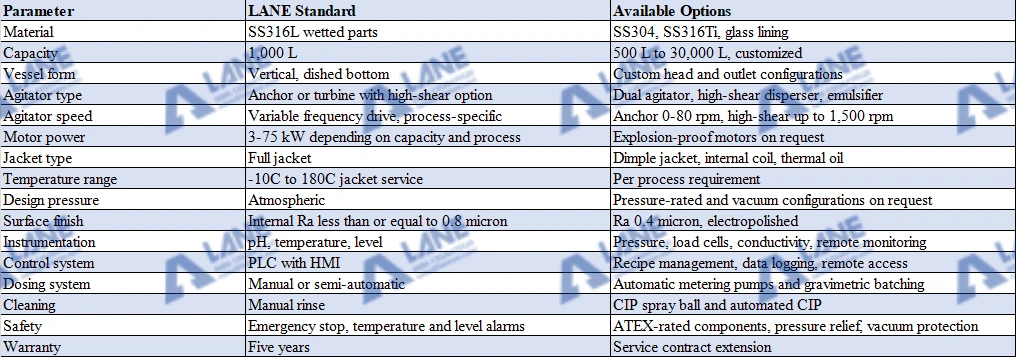
LANE Machinery builds SS304 and SS316L liquid fertilizer reactors from 500 L to 30,000 L per batch, with dual agitation, jacket heating and cooling, dosing ports, PLC recipe control, and CIP-ready design. The reactor is engineered for liquid NPK, water-soluble fertilizer, foliar concentrate, chelated micronutrient, suspension, and organic liquid fertilizer production.
A liquid fertilizer reactor is different from a simple mixing tank. A mixing tank blends ingredients; a reactor controls the physical and chemical conditions under which those ingredients dissolve and react.
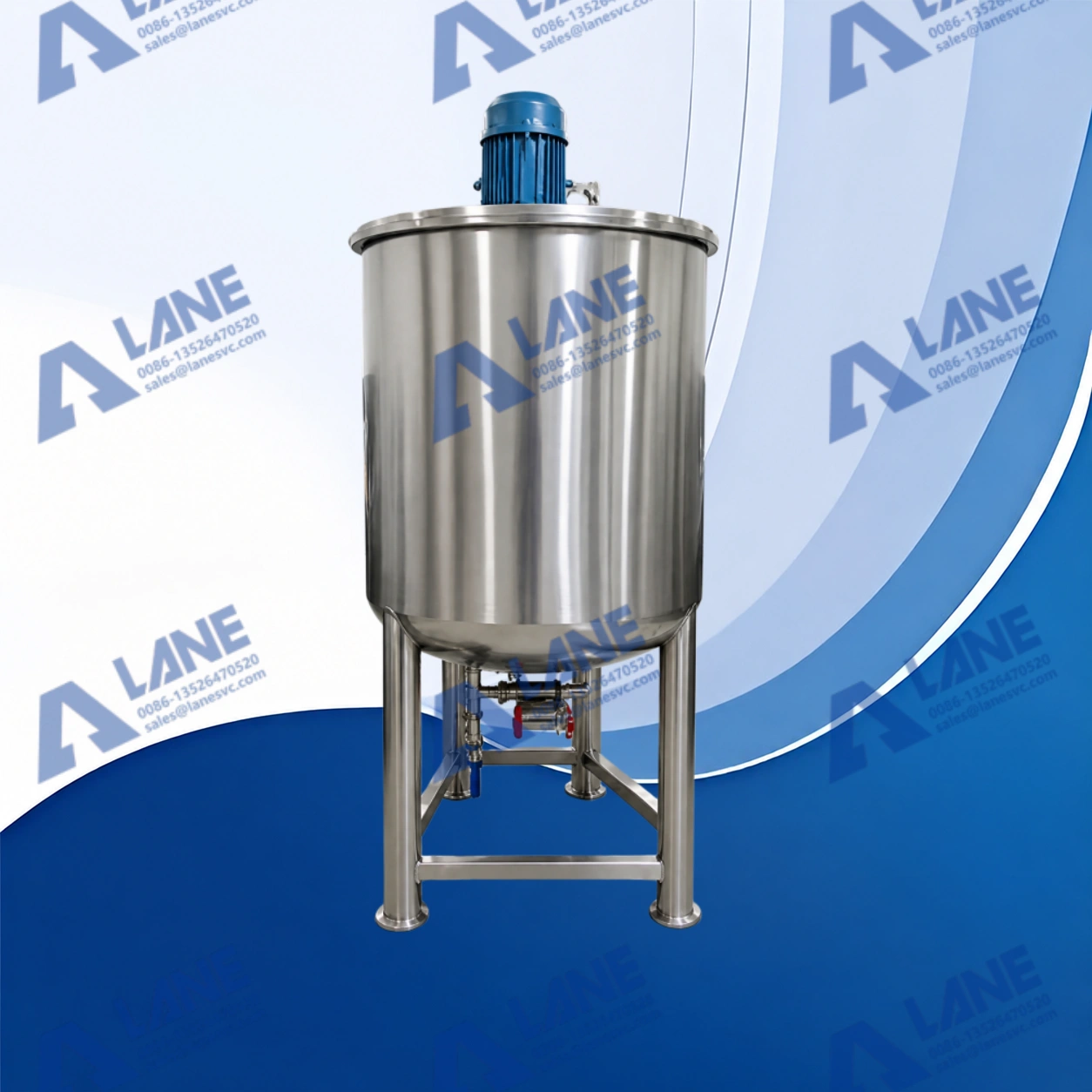
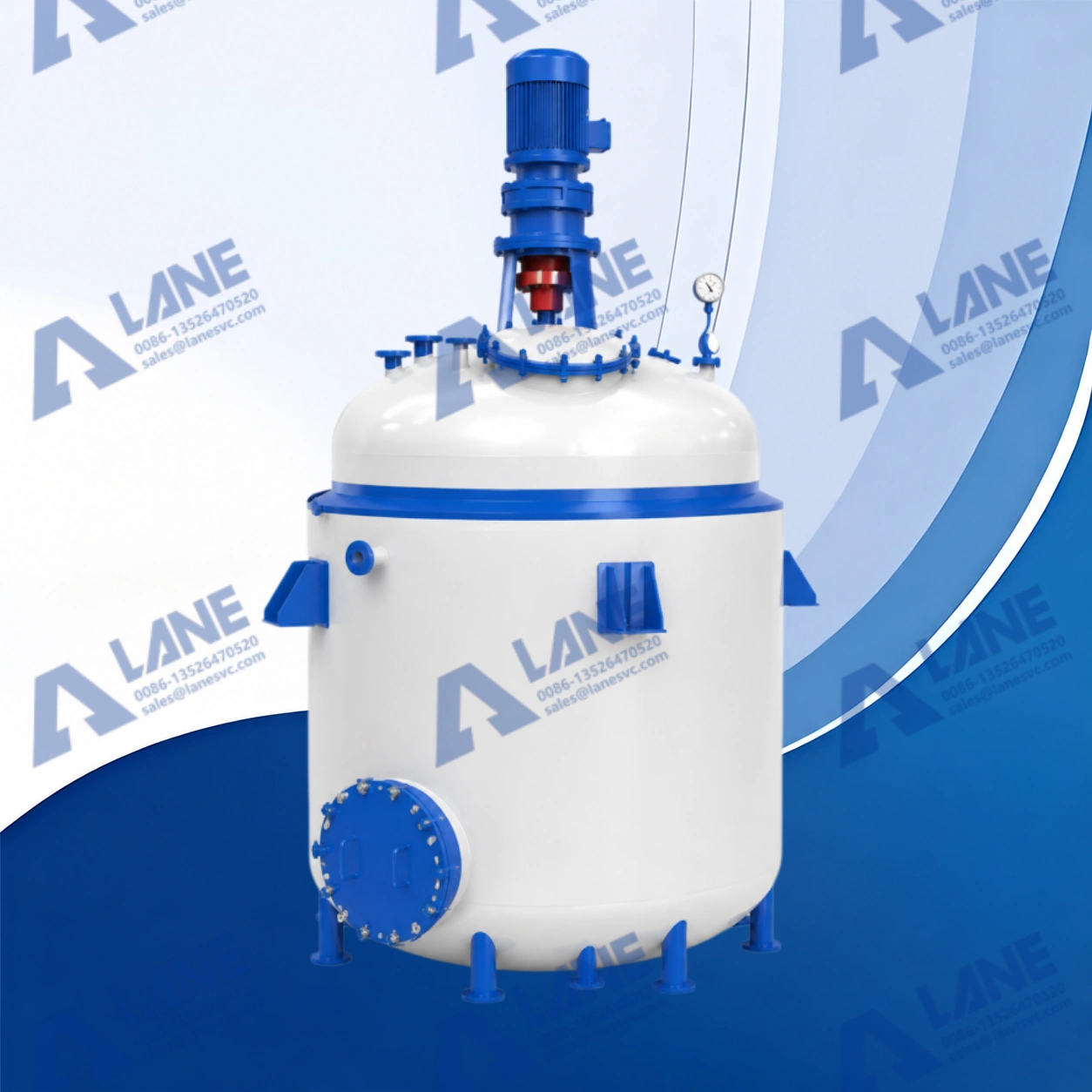
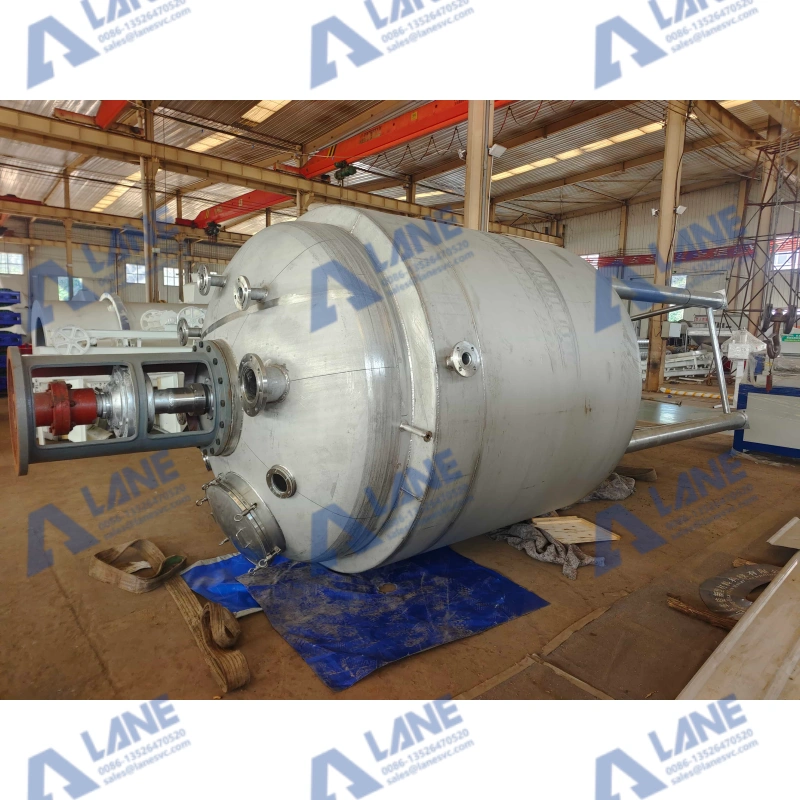
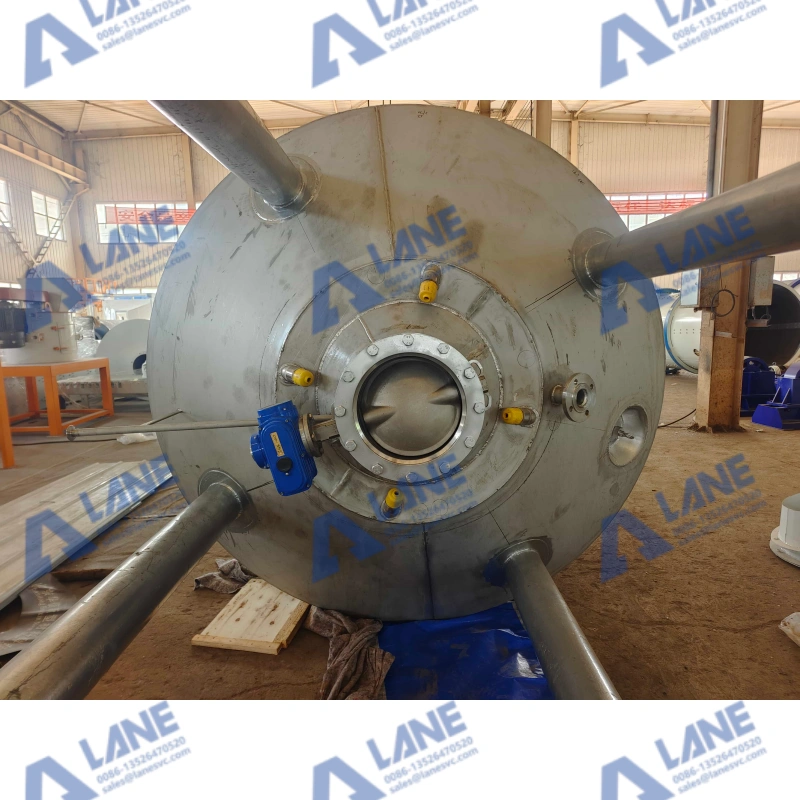
The LANE liquid fertilizer reactor is a vertical, agitated reaction vessel with temperature control, dosing capability, and instrumentation for pH, level, and process monitoring. It is designed for processes that generate heat, require precise temperature ramps, or need controlled reaction time, such as acid neutralization and micronutrient chelation.
The wetted parts are fabricated from stainless steel, with SS316L recommended for chloride-containing and acidic fertilizer formulas. The reactor can be supplied as a single machine or integrated into a complete liquid fertilizer production line with batching, mixing, filtration, homogenization, storage, filling, and CIP systems.
Corrosion-resistant reaction vessel
Dual agitation for reaction and homogenization
Jacket temperature control for exothermic reactions
Dosing and process instrumentation
PLC recipe control and batch traceability
Safety, cleaning, and maintenance
The working principle of the liquid fertilizer reactor is to provide controlled temperature, agitation, dosing, and reaction time so that raw materials convert into a stable liquid fertilizer.
A typical reaction batch works as follows:
For formulas that generate foam or contain entrapped air, a vacuum or degassing option can be added to improve density control and packaging accuracy.
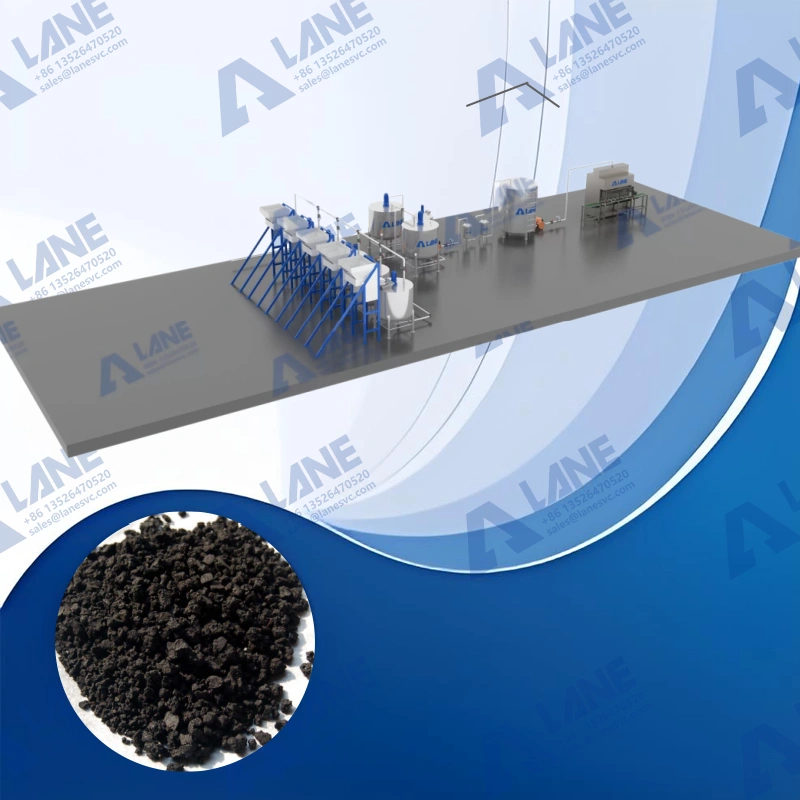
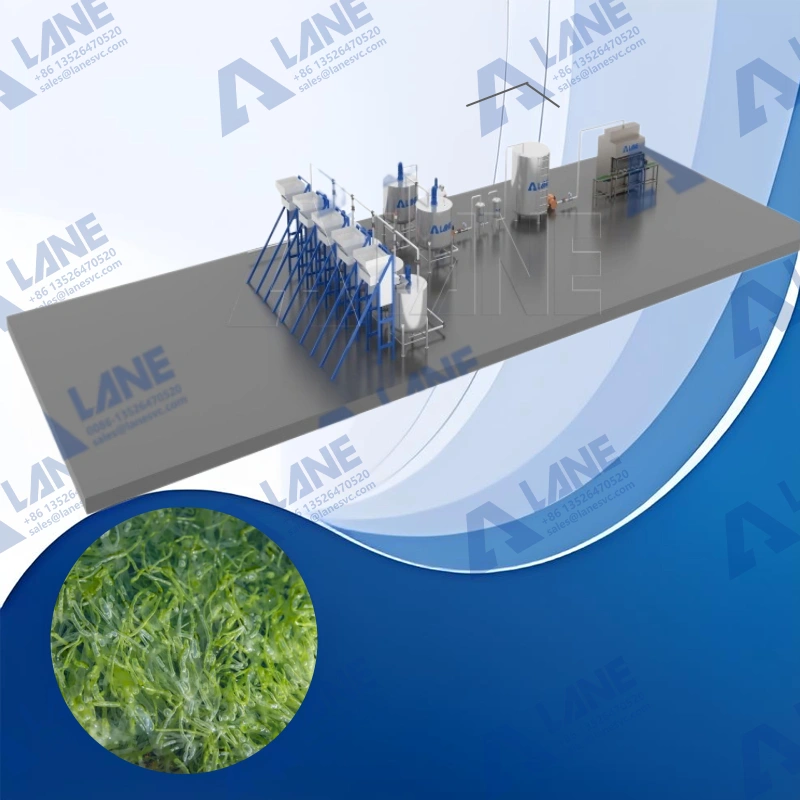
The liquid fertilizer reactor works with the stainless steel mixing tank to form the reaction section of a complete liquid fertilizer plant:
Water treatment -> Raw material batching -> Mixing tank -> Liquid fertilizer reactor -> Filtration -> Homogenization -> Filling -> Labeling and storage
In this configuration:
LANE supplies the reactor as a single machine or as part of a complete line with automatic batching, dosing, filtration, filling, and CIP. This integrated approach protects product quality and makes it easier to expand capacity later.
LANE fabricates liquid fertilizer reactors under an ISO 9001 quality management system. Equipment can be supplied with CE certification, material certificates for stainless steel, welding records, and hydrostatic testing.
For pressure-rated or vacuum applications, reactor design and fabrication can follow customer-specified codes including ASME Section VIII, PED, GB/T 150, or ASME BPE for sanitary surface and welding requirements. Third-party inspection by SGS or BV is available for export projects.
Because the final liquid fertilizer may need to meet market regulations such as Regulation (EU) 2019/1009, LANE’s reactor and line design support contaminant control, clean changeover, labeling, and batch traceability. We recommend independent certification of the final fertilizer product by the relevant authority for the destination market.
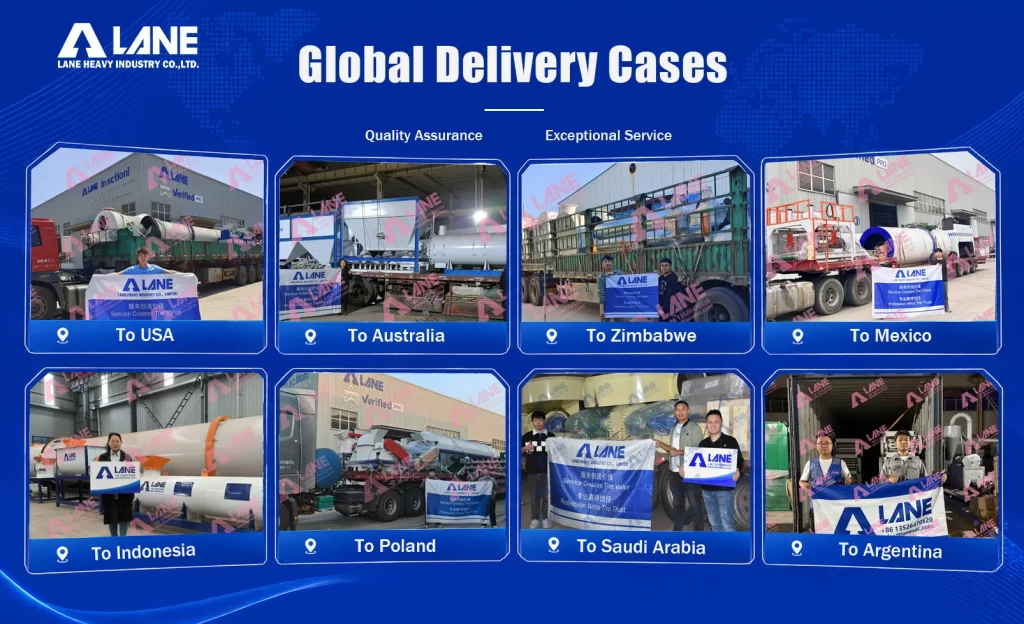
Henan Lane Heavy Industry Machinery Technology Co., Ltd. is a manufacturer of fertilizer production equipment with more than 20 years of engineering experience. LANE has delivered equipment and production lines to clients in more than 50 countries and supplied machines for a 100,000 tons per year national fertilizer project in Africa.
LANE provides one-stop service from process design and equipment selection to overseas installation, commissioning, operator training, and after-sales support. For liquid fertilizer projects, our engineers review the raw materials, formulas, capacity, and automation level, then recommend the correct reactor size, material grade, agitator, and temperature control design before you invest.
What is the difference between a liquid fertilizer reactor and a mixing tank?
A mixing tank dissolves, blends, and homogenizes ingredients. A liquid fertilizer reactor also controls reaction conditions such as temperature, pH, dosing sequence, and reaction time, which is required for neutralization, chelation, and stable liquid fertilizer formulation.
Which fertilizer formulas can be produced in the reactor?
The reactor can produce liquid NPK, water-soluble fertilizer, foliar concentrates, chelated micronutrient solutions, amino acid and humic acid fertilizers, suspension fertilizers, and organic liquid fertilizer blends. The formula list depends on your raw materials and process requirements.
How does the reactor handle exothermic neutralization reactions?
The jacket and cooling system remove heat from the batch while the agitator maintains uniform temperature distribution. Temperature sensors and PLC control keep the reaction within the target range, preventing overheating and protecting product quality.
What material should I use for acid-based liquid fertilizer?
SS316L is recommended for formulas containing chloride ions, phosphoric acid, sulfuric acid, or organic acids because of its better corrosion resistance. For very aggressive acid service, LANE can also supply glass-lined or lined reactor configurations.
How is batch consistency controlled?
Each formula is stored as a PLC recipe that controls dosing sequence, agitation speed, temperature profile, and mixing time. pH, temperature, and level sensors monitor the batch, and sampling confirms quality before discharge.
Can one reactor produce multiple formulas?
Yes. With recipe management and a CIP system, one reactor can switch between different liquid fertilizer formulas. The cleaning procedure between batches is designed to prevent cross-contamination.
Do you provide installation and operator training?
Yes. LANE provides overseas installation, commissioning, operator training, and remote video guidance. The five-year warranty covers equipment supplied under the project contract.
Send LANE your raw materials, target formulas, batch size, and automation requirements. Our engineering team will provide a reactor configuration, technical data sheet, line integration recommendation, and quotation.


Everything you need to know when looking at different types of organic fertilizer equipment, all in one place.
Copyright © 2026. LANE All rights reserved.