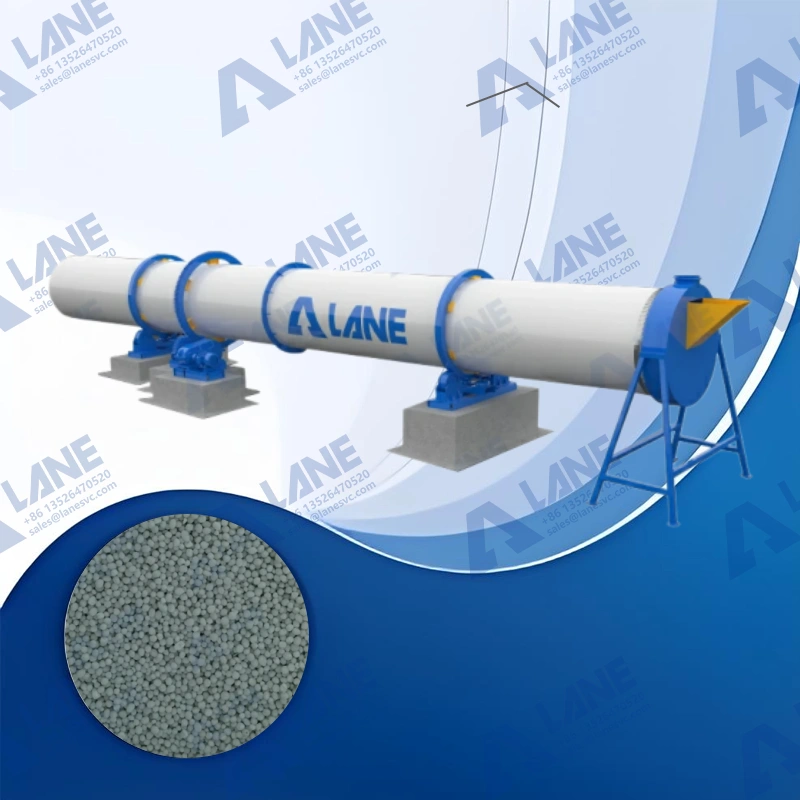
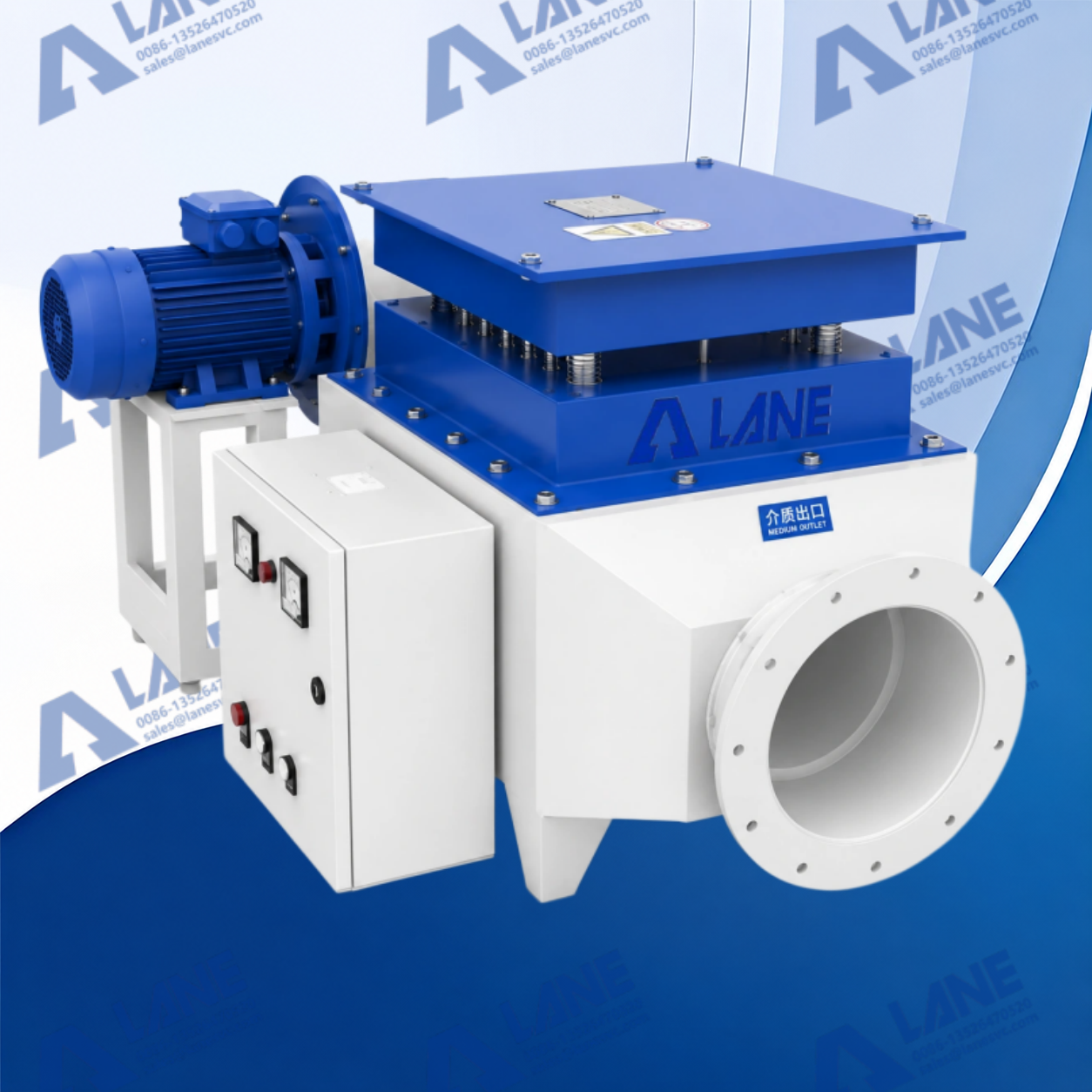
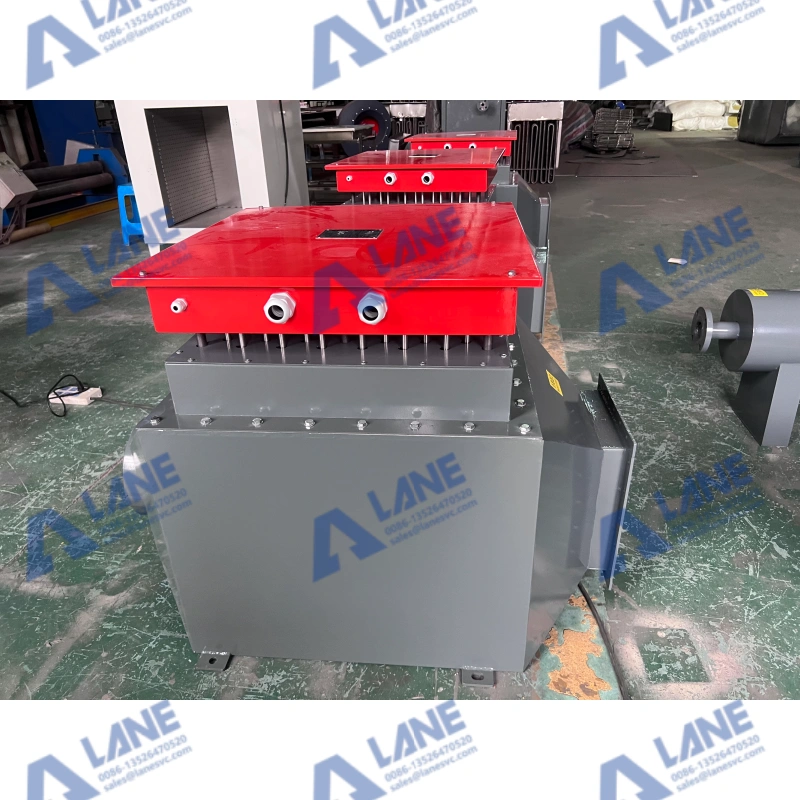
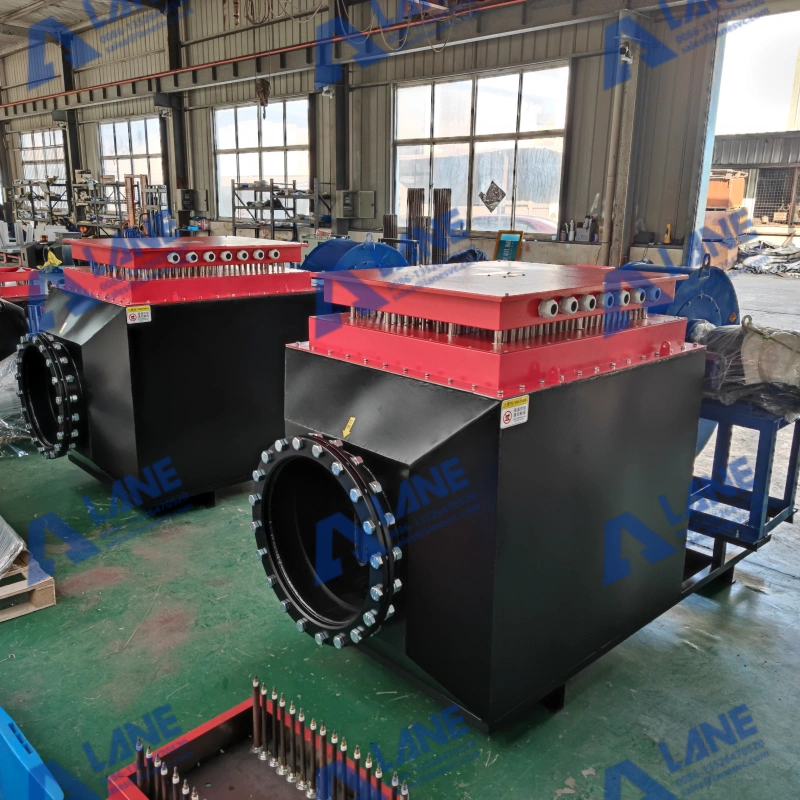
LANE Machinery supplies high-efficiency industrial burners for fertilizer rotary dryers and hot air furnaces. Compatible with natural gas, diesel, heavy oil, and dual-fuel configurations. Automatic control, ≥95% combustion efficiency.
The industrial burner is the ignition heart of any thermal processing system in a fertilizer production line. It provides the precisely controlled, high-temperature flame that powers hot air furnaces and directly heats rotary drum dryers. LANE Machinery (Henan LANE Heavy Industry Machinery Technology Co., Ltd.) supplies a comprehensive range of industrial burners — from compact single-fuel gas burners for small organic fertilizer lines to large multi-fuel burners capable of powering 50+ TPH NPK compound fertilizer drying operations.
Our burners are engineered for high combustion efficiency (≥95%), stable flame control across a wide turndown range, and compatibility with multiple fuel types — natural gas, LPG, diesel, heavy oil, and dual-fuel configurations — giving fertilizer plant operators the flexibility to switch fuels based on availability and cost.
Key Capability: Delivers 0.5 to 50+ million kcal/h heat output with ±1% temperature stability in closed-loop control mode.
LANE Machinery burners are available in configurations to match your local fuel economics:
| Fuel Type | Burner Series | Best For |
|---|---|---|
| Natural Gas / LPG | LANE-GB Series | Regions with reliable gas pipeline supply; cleanest operation, lowest maintenance |
| Diesel / Light Oil | LANE-OB Series | Regions without gas infrastructure; stable fuel supply chain |
| Heavy Oil / Residual Oil | LANE-HB Series | Lowest fuel cost per kcal; requires preheating system; larger-scale operations |
| Dual-Fuel (Gas + Oil) | LANE-DB Series | Maximum fuel flexibility; automatic or manual fuel switching; hedge against fuel price volatility |
Advanced burner head design with optimized air-fuel mixing ensures near-complete combustion, minimizing unburned fuel loss and reducing CO and NOx emissions. The precisely engineered flame geometry matches furnace chamber dimensions for maximum radiant heat transfer.
A wide modulation range allows the burner to operate efficiently from 10% to 100% of rated capacity. This means reliable ignition at low-fire, stable flame at mid-fire, and full rated output at high-fire — all under automatic control. When your production line runs at partial capacity, the burner adjusts fuel consumption proportionally, saving energy.
Each burner is equipped with a PLC-based combustion management system that provides:
Burners are designed to meet or exceed standard emission requirements:
The LANE Machinery industrial burner operates on a forced-draft, fully-modulating combustion principle:
[Fuel Supply] → [Fuel Pump/Regulator] → [Burner Head: Air-Fuel Mixing] → [Ignition] → [Stable Flame] → [Hot Gas to Furnace/Dryer]
                        ↑
                  [Combustion Air Fan + Air Damper (Modulating)]
Industrial burners are the primary heat source for every thermal process in fertilizer manufacturing:
| Application | Typical Heat Demand (×10⁴ kcal/h) | Recommended Burner | Fuel Recommendation |
|---|---|---|---|
| Organic Fertilizer Drying (1–5 TPH) | 25–150 | LANE-GB / LANE-OB (compact) | Gas, diesel, or biomass |
| NPK Compound Fertilizer Drying (5–20 TPH) | 150–600 | LANE-DB (dual-fuel) | Gas primary, diesel backup |
| Large NPK/DAP/MAP Drying (20–50 TPH) | 600–2,000 | LANE-HB / LANE-DB (industrial) | Heavy oil or gas |
| SSP/TSP Curing & Drying | 100–500 | LANE-OB / LANE-GB | Gas or diesel |
| Hot Air Furnace (Standalone) | 50–2,000+ | Matched to furnace rating | Per customer fuel availability |
| Waste Heat Recovery / Preheat | Variable | Custom-configured | Recovered heat supplemented as needed |
| Parameter | Specification |
|---|---|
| Combustion Efficiency | ≥95% (gas); ≥93% (oil) |
| Temperature Control Precision | ±1–2°C (PID closed-loop) |
| Flame Detection | UV scanner (gas) / Ionization rod (oil) |
| Ignition | High-energy electronic spark (gas) / High-voltage with pilot nozzle (oil) |
| Fuel Pressure (Gas) | 5–50 kPa (depending on model) |
| Fuel Pressure (Oil) | 1.0–2.5 MPa (atomizing pressure) |
| Oil Preheating (Heavy Oil) | Electric or steam tracing to 80–120°C |
| Control Voltage | 24V DC (control) / 380V 3-phase (fan/pump motor) |
| Protection Rating | IP54 (control panel); IP55 optional |
| Certification | CE, ISO 9001; country-specific certifications on request |
An industrial burner is typically paired with a hot air furnace to create a complete, integrated heat generation system:
[Fuel Supply] → [Burner] → [Combustion Flame] → [Hot Air Furnace: Combustion Chamber + Mixing Chamber] → [Clean, Temperature-Controlled Hot Air] → [Rotary Drum Dryer]
Why the furnace is needed: The burner produces an intense, high-temperature flame (1,200–1,600°C) that is too hot to directly contact most fertilizer materials. The hot air furnace:
LANE Machinery supplies burner + furnace matched pairs engineered together for optimal performance. See our [Hot Air Furnace product page] for detailed furnace specifications.
This depends on your location. As a general guide:
Contact LANE Machinery with your location and we’ll provide a fuel cost comparison.
A standard burner installation on a prepared foundation with existing fuel and electrical connections takes 3–5 days. Full commissioning including calibration, safety system verification, and operator training takes an additional 2–3 days. LANE Machinery provides on-site supervision by an experienced combustion engineer.
Every LANE Machinery burner includes: flame failure detection with automatic fuel shutoff within 1 second; pre-ignition purge cycle; over-temperature shutdown; low fuel pressure alarm and interlock; combustion air failure interlock; emergency stop button; and an alarm logging system (PLC models). All safety systems are tested and verified during factory acceptance testing (FAT).
Yes. Our burners include a gas pressure regulator and can accommodate supply pressure variations of ±15% without flame instability. For locations with significantly variable gas supply, we recommend an accumulator tank or booster compressor — our engineers can advise on the appropriate solution.
Yes, we offer custom-configured burners for non-standard gaseous fuels including biogas (from anaerobic digestion), biomass gasification syngas, and coke oven gas. These require detailed fuel analysis to specify appropriate burner head design, materials, and control parameters. Contact our engineering team for a feasibility assessment.
With proper operation and maintenance, a LANE Machinery industrial burner operates reliably for 10–15 years. Recommended maintenance: monthly inspection of flame sensor and ignition electrode; quarterly cleaning of burner head and air filter; annual replacement of fuel nozzle (oil models) and comprehensive safety system test; 3–5 year replacement of ignition transformer and flame sensor.
| Attribute | LANE Machinery Commitment |
|---|---|
| System Integration | Burner, furnace, and dryer engineered as one thermal system — no compatibility guesswork |
| Fuel Expertise | Experience with gas, diesel, heavy oil, biogas, and dual-fuel across 30+ countries |
| Safety First | Every burner undergoes full load-test and safety interlock verification at our factory before shipment |
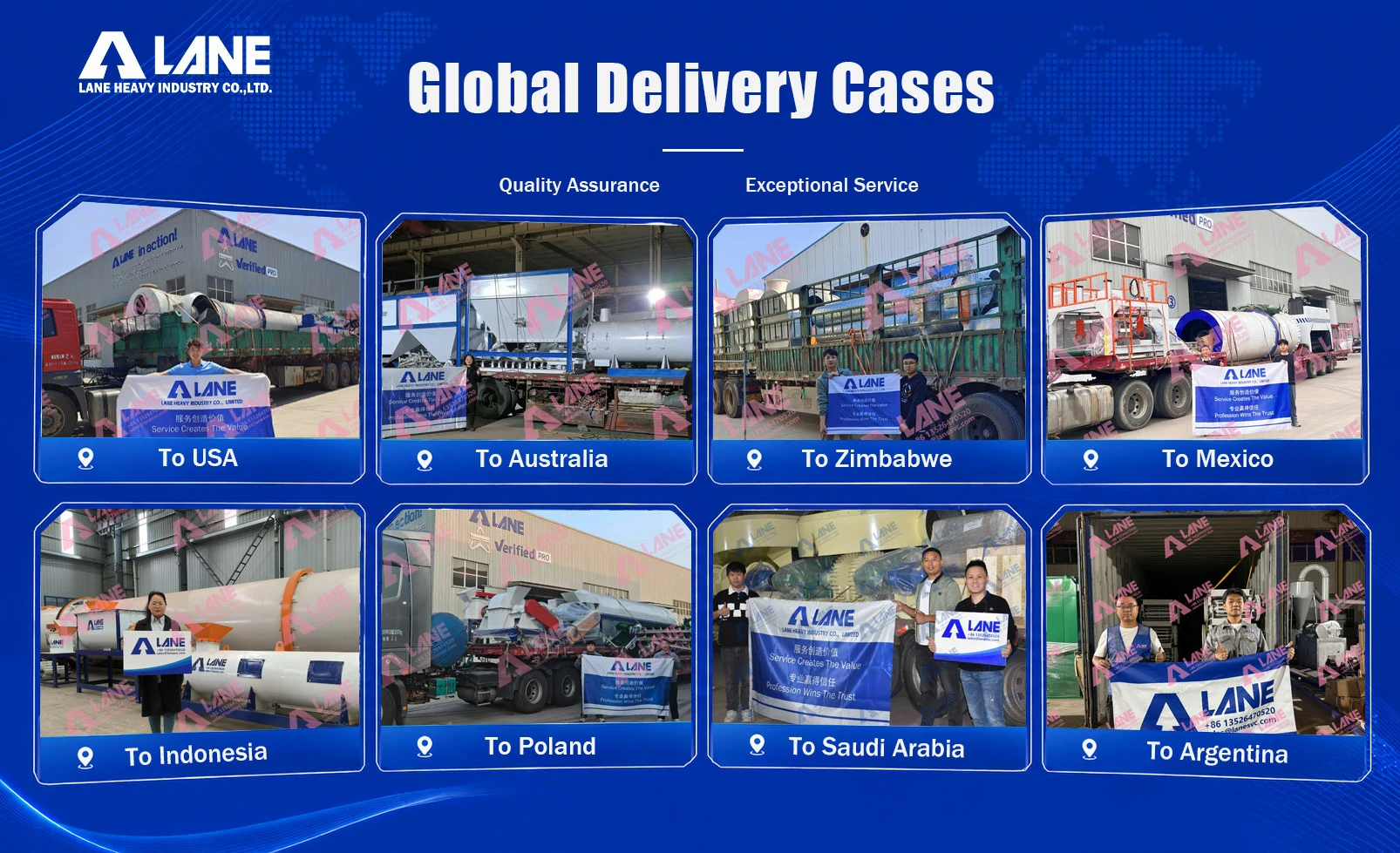
| Global Support | Remote troubleshooting + on-site service available worldwide |
| Spare Parts | Critical spare parts (nozzles, sensors, ignition electrodes) stocked and shipped express |
 Request Burner Selection & Quotation
Tell us your drying system requirements, and we’ll recommend the optimal burner configuration.
Essential information to provide:
LANE Machinery — Precision Combustion Systems for Efficient Fertilizer Production.


Everything you need to know when looking at different types of organic fertilizer equipment, all in one place.
Copyright © 2026. LANE All rights reserved.