Industrial UV sterilizers for liquid fertilizer production: 254 nm UV-C disinfection, SS304/SS316L reactors, PLC monitoring, 0.5 to 50 m3/h.
Water and finished liquid fertilizer can carry bacteria, fungi, yeast, and viruses. In liquid fertilizer production, microbial contamination can cause odor, nutrient degradation, storage instability, clogged drippers and spray nozzles, and crop damage after application. A UV sterilizer inactivates microorganisms with UV-C light, without chemicals, heat, or added residues.
LANE Machinery supplies industrial UV sterilizers for liquid fertilizer lines, from process water disinfection to final product treatment before storage or filling. The equipment can be supplied as a single reactor or integrated into a complete liquid fertilizer production line.
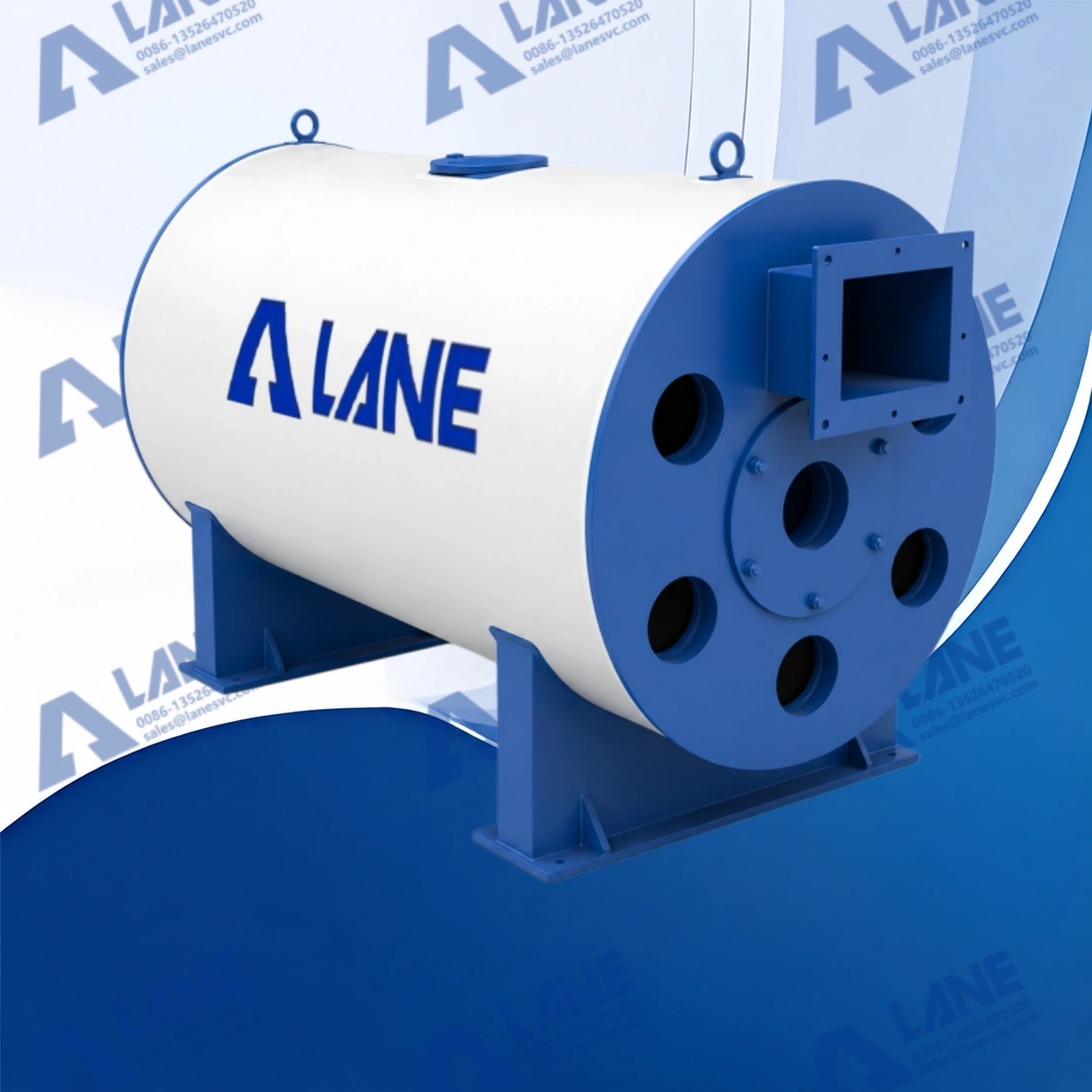
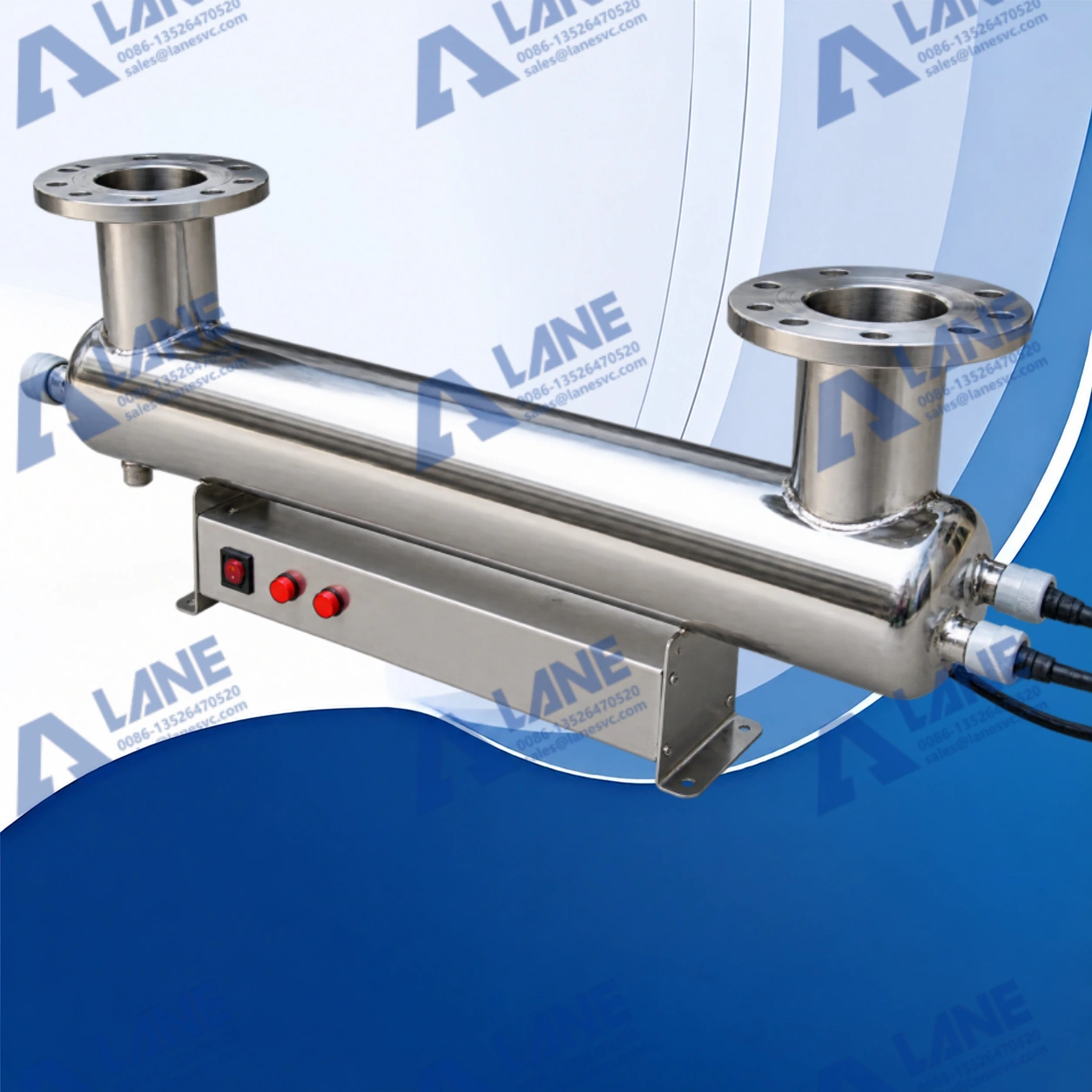
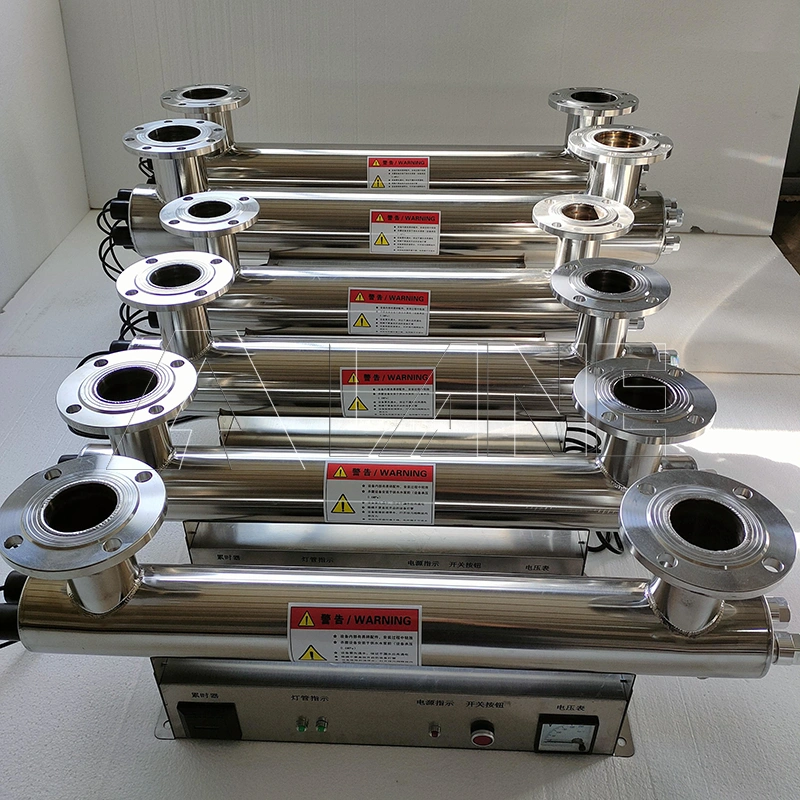
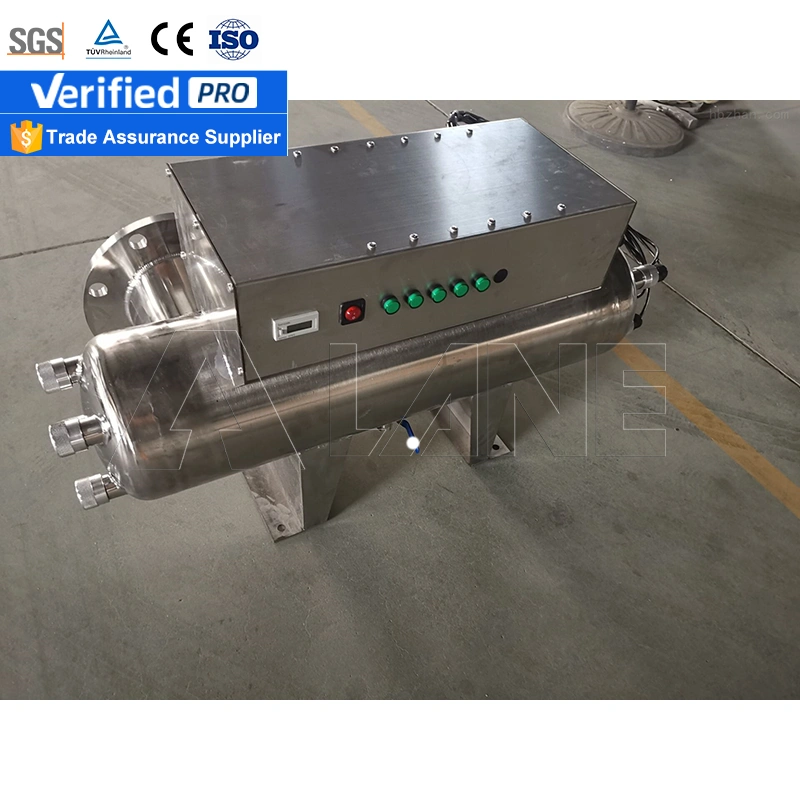
The LANE UV sterilizer is a flow-through disinfection reactor designed for continuous liquid fertilizer production. Liquid passes around a quartz sleeve and is exposed to UV-C light at 254 nm, which damages the DNA and RNA of microorganisms so they cannot reproduce.
The standard system includes:
The reactor can treat process water before dissolution, finished liquid fertilizer before filling, or recycled irrigation and fertigation water.
Chemical-free disinfection
Corrosion-resistant construction
Continuous in-line operation
Dose monitoring and control
Low maintenance
Easy line integration
The working principle of a UV sterilizer is physical disinfection by ultraviolet light.
The treatment effect depends on flow rate, liquid transmittance, suspended solids, and the applied UV dose. LANE engineers confirm these parameters before selecting the reactor size, lamp power, and number of lamps.
The UV sterilizer can be installed at two important points in a liquid fertilizer line: after water purification and after fermentation.
For process water:
Raw water -> Sand filter -> Carbon filter -> UV sterilizer -> Dissolving tank -> Reactor -> Storage tank -> Filling machine
For finished liquid fertilizer:
Fermentation tank -> Filtration system -> UV sterilizer -> Storage tank -> Filling machine
In these configurations:
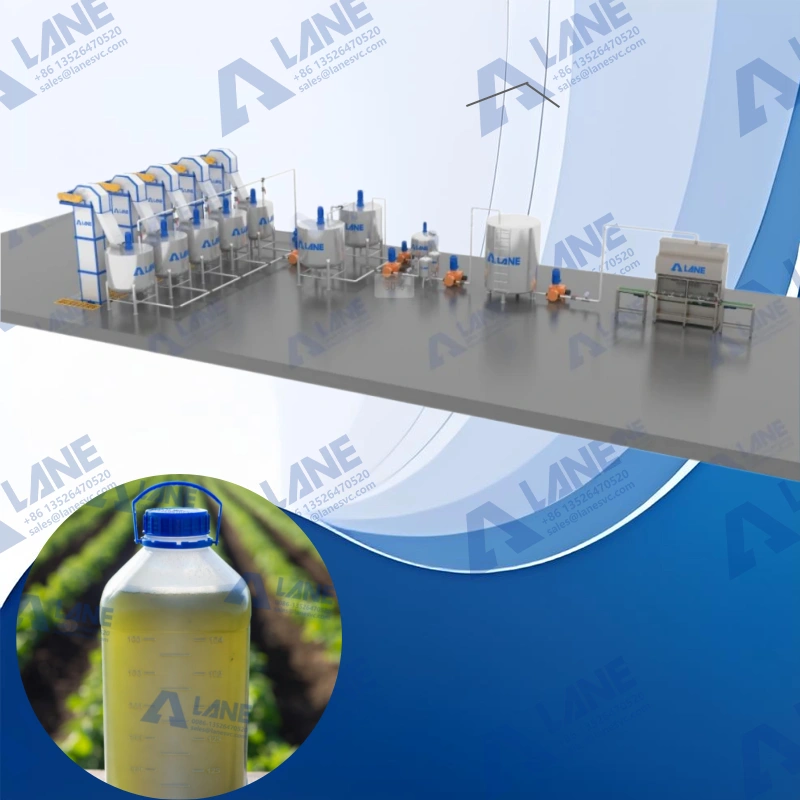
LANE supplies the sterilizer as a single unit or as part of a complete liquid fertilizer production line with filtration, dissolving, reaction, storage, filling, and CIP systems.
| Parameter | LANE Standard | Available Options |
|---|---|---|
| Reactor material | SS304 | SS316L, electropolished SS316L |
| UV-C wavelength | 254 nm | 254 nm plus medium-pressure options |
| UV dose | 40 mJ/cm2 at standard UVT | 30 to 250 mJ/cm2 depending on application |
| Capacity | 1 m3/h | 0.5 to 50 m3/h, customized |
| Lamp type | Low-pressure UV-C lamp | Multiple lamps, amalgam lamp |
| Lamp power | 40 W | 20 to 500 W depending on reactor |
| Connections | Threaded inlet and outlet | Flanged DN25 to DN200, sanitary connections |
| Operating pressure | Less than 0.6 MPa | Up to 1.0 MPa |
| Operating temperature | 2 to 40 C | Up to 60 C |
| Control | Manual control cabinet | PLC, UV intensity sensor, alarms, remote monitoring |
| Sleeve cleaning | Manual sleeve cleaning | Automatic wiper system |
| Certification | ISO 9001, CE | Material certificates, third-party inspection |
| Warranty | Five years | Service contract extension |
LANE manufactures UV sterilizers under an ISO 9001 quality management system and can supply CE-certified equipment with stainless steel material certificates.
The design references the dose framework in NSF/ANSI 55-2024 for Class A ultraviolet microbiological water treatment systems, which requires a delivered dose of at least 40 mJ/cm2 at the alarm set point, and follows the validation methodology described in the US EPA Ultraviolet Disinfection Guidance Manual. Higher dose configurations are available for applications that need more conservative disinfection targets, including plant pathogen control in fertigation and greenhouse systems.
For pressure-rated reactors, the design can follow customer-specified codes including ASME Section VIII, PED, or GB/T 150. Hydrostatic testing and third-party inspection by SGS or BV are available.
For liquid fertilizer products exported to the European Union, the final product must meet Regulation (EU) 2019/1009. The UV sterilizer supports contaminant control and product stability, and we recommend independent certification of the final product by the relevant authority.
Henan Lane Heavy Industry Machinery Technology Co., Ltd. is a fertilizer equipment manufacturer with more than 20 years of engineering experience. LANE has delivered equipment and production lines to clients in more than 50 countries and supplied machines for a 100,000 tons per year national fertilizer project in Africa.
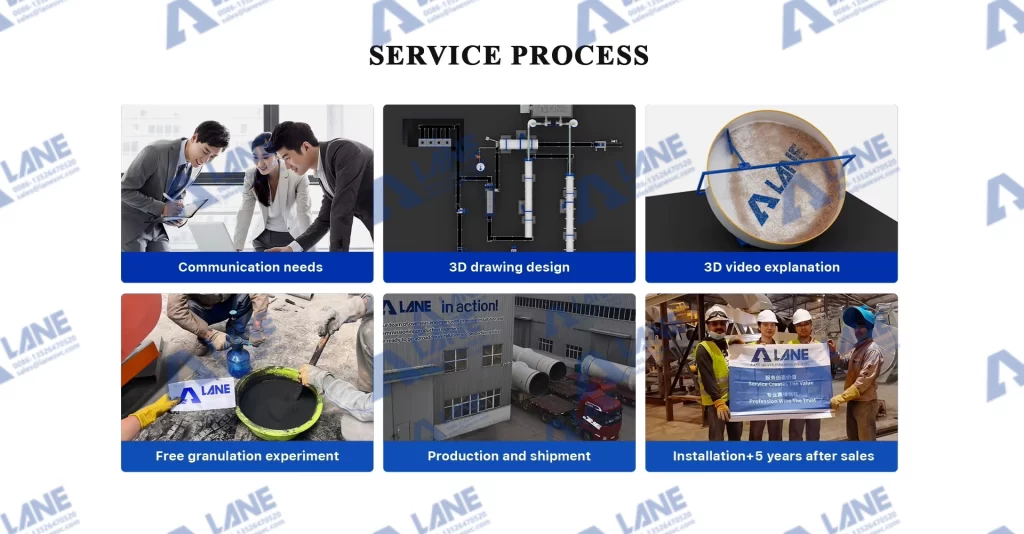
For liquid fertilizer projects, our engineers review the flow rate, UV transmittance, suspended solids, temperature, and required disinfection target, then recommend the correct reactor material, lamp configuration, and automation level. LANE provides one-stop service from selection and process design to overseas installation, commissioning, operator training, remote video guidance, and after-sales support.
What does a UV sterilizer do in liquid fertilizer production?
A UV sterilizer inactivates bacteria, viruses, fungi, and yeast in process water or finished liquid fertilizer. It damages the DNA and RNA of microorganisms so they cannot reproduce, which improves product stability and reduces contamination risk.
Does UV sterilization change the fertilizer nutrients?
No. UV-C treatment does not add chemicals, does not heat the liquid, and does not remove or alter the nutrient content. It is suitable for products where chemical disinfection is not desired.
Where should the UV sterilizer be installed?
The most common locations are after water filtration and before the dissolving tank, or after fermentation and filtration and before storage or filling. The correct position depends on the production process and the contamination source.
How is the UV sterilizer capacity selected?
Capacity is selected from the flow rate, UV transmittance, suspended solids content, and required UV dose. A cloudy or colored liquid reduces UV transmittance and may need pre-filtration or a larger reactor.
Can a UV sterilizer treat turbid liquid fertilizer?
It can, but the liquid should be filtered first. High turbidity and low transmittance reduce the effective dose, so LANE engineers review the liquid quality and may recommend a coarse filter, carbon filter, or larger UV reactor.
How often do the UV lamps need replacement?
The replacement interval depends on running hours, water quality, and the UV intensity sensor reading. The control cabinet logs lamp hours, and the sensor signals when the delivered dose may be below the setpoint.
What maintenance is required?
The main tasks are cleaning the quartz sleeves, replacing lamps, checking seals and the UV intensity sensor, and verifying the control system. Optional automatic wipers reduce manual cleaning in applications with fouling.
What is the warranty?
LANE provides a five-year warranty, spare parts support, and overseas installation and commissioning services.
Tell LANE your liquid type, flow rate, UV transmittance, solids content, temperature, and disinfection target. Our engineering team will recommend the correct reactor material, lamp configuration, dose, and automation level, then provide a technical data sheet and quotation.


Everything you need to know when looking at different types of organic fertilizer equipment, all in one place.
Copyright © 2026. LANE All rights reserved.