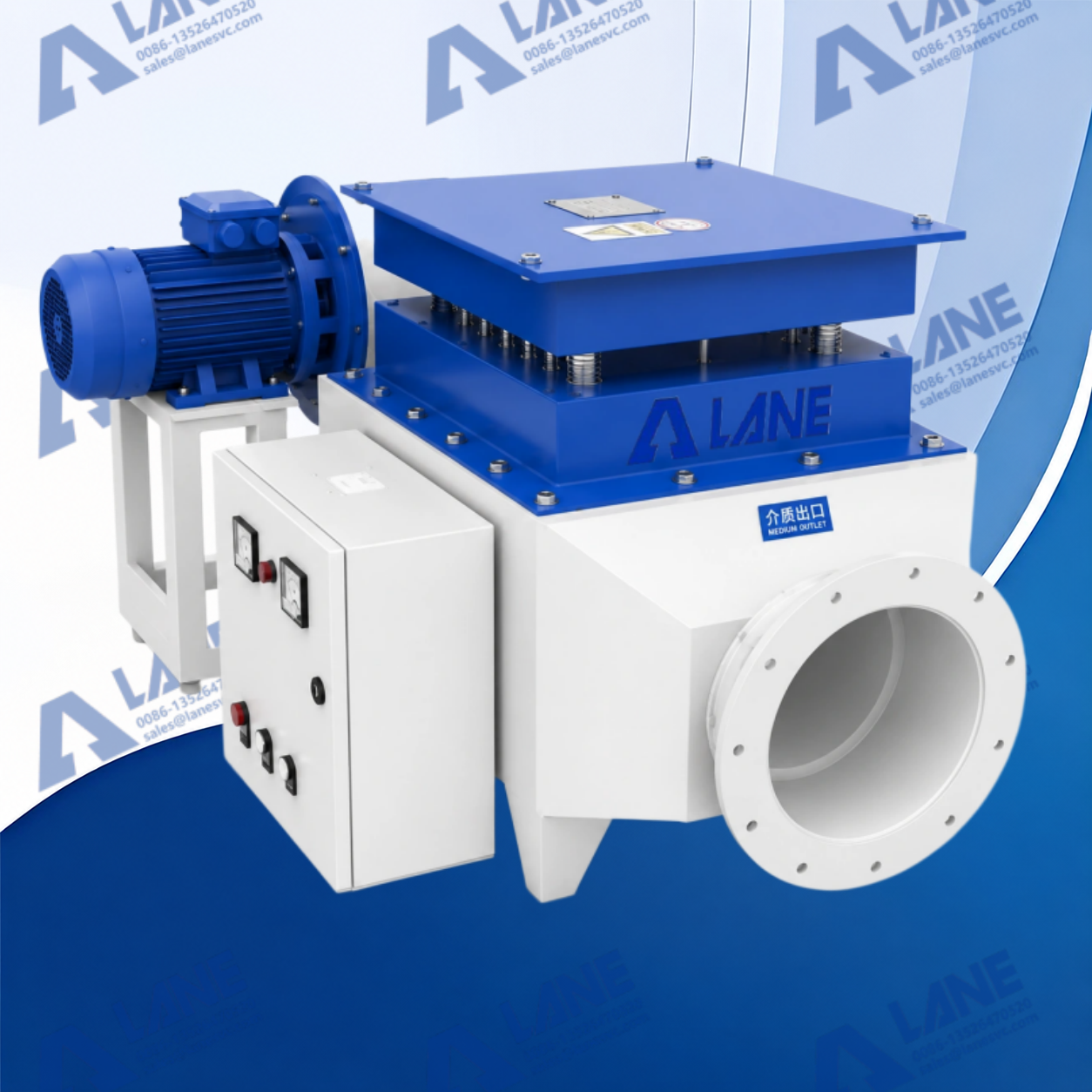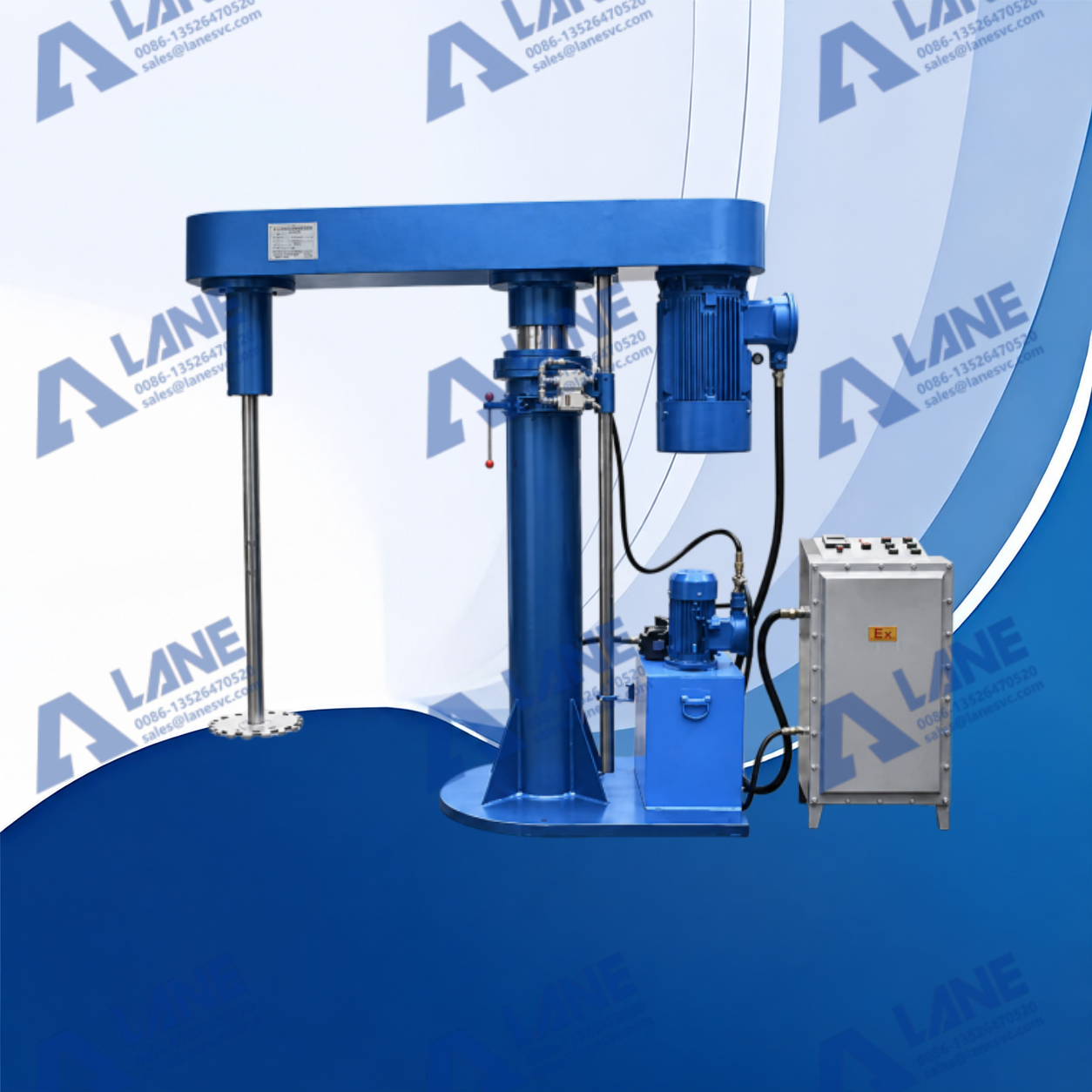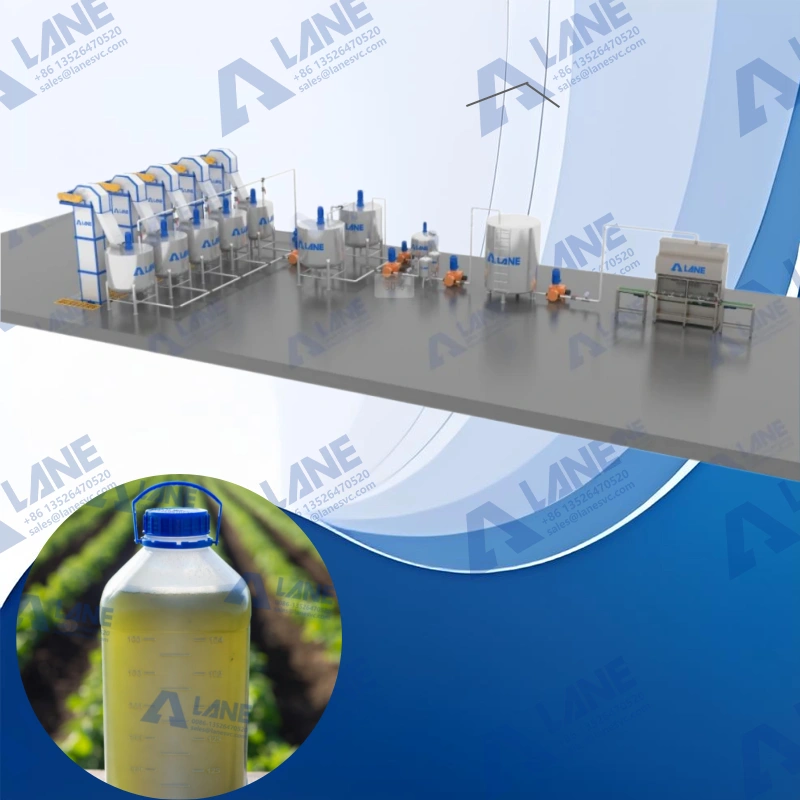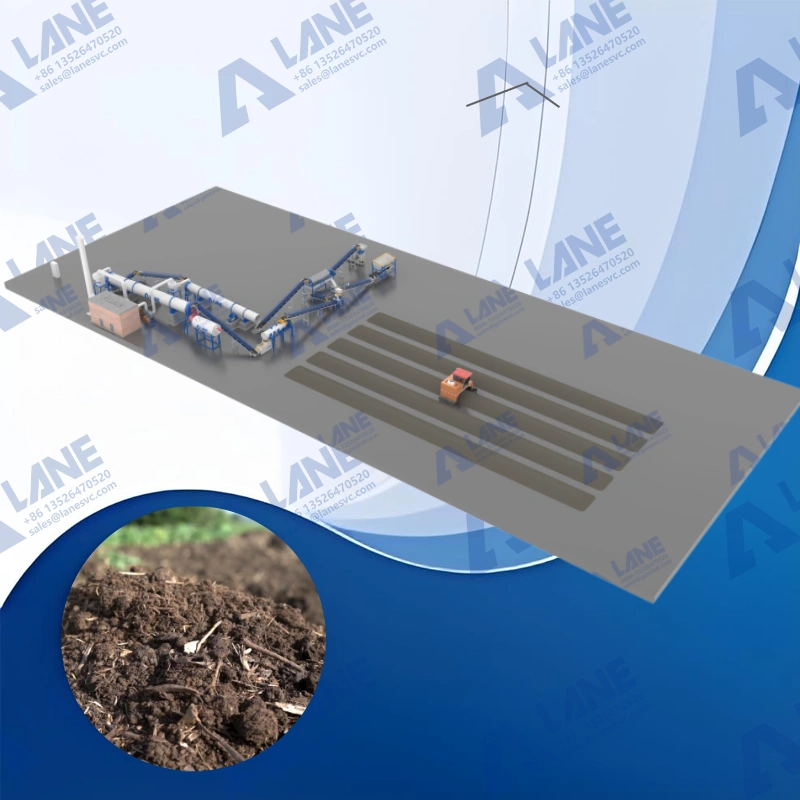
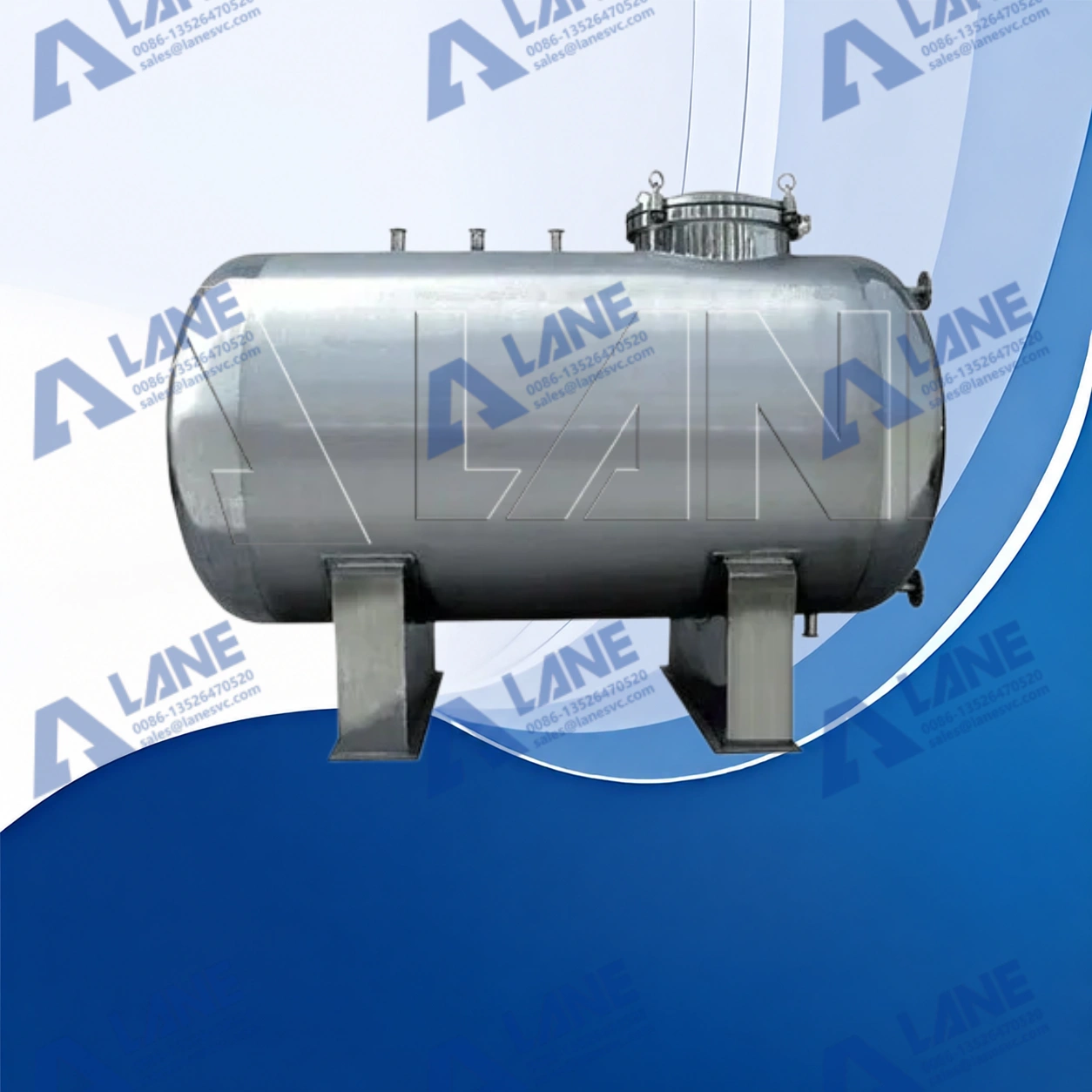
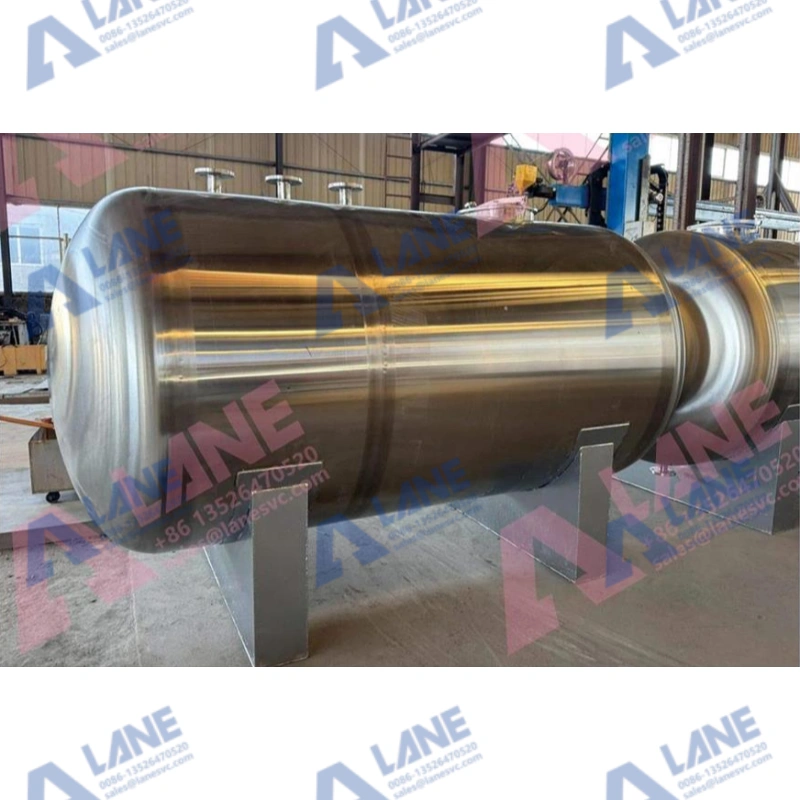
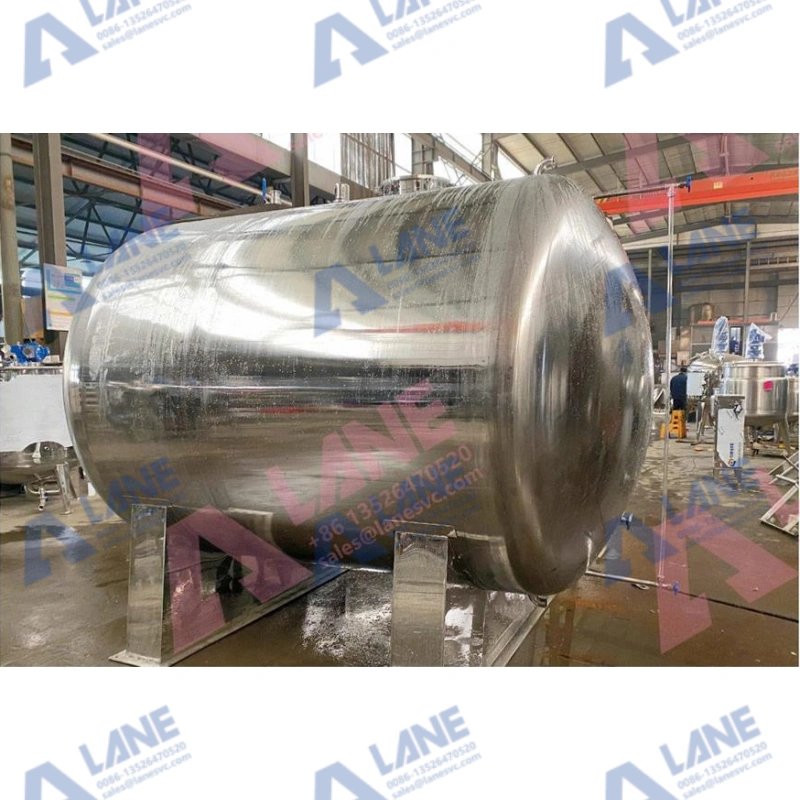
Stainless steel liquid fertilizer storage tanks from 1,000 L to 100,000 L with level monitoring, insulation, recirculation and optional agitation. CE, ISO 9001 and 5-year warranty.
A liquid fertilizer plant does not end at the filling line. Finished products, mother liquors, and raw nutrient solutions must be held safely, at the right temperature, without contamination, settlement, or product loss. The LANE liquid fertilizer storage tank is a stainless steel storage and holding vessel engineered for the specific chemistry of liquid fertilizers, from clear UAN and NPK solutions to suspension products and organic liquid fertilizers.
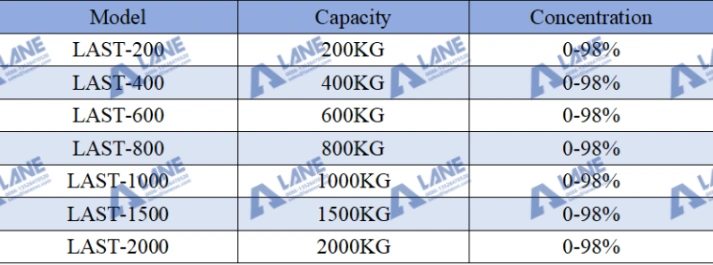
LANE supplies storage tanks from 1,000 L to 100,000 L in SS304 or SS316L, with vertical and horizontal configurations, level monitoring, venting, insulation, recirculation, and optional agitation or heating. The tank can be purchased as a single unit or integrated into a complete liquid fertilizer production line with batching, mixing, reaction, filtration, and filling systems.
The LANE liquid fertilizer storage tank is a welded stainless steel vessel designed for atmospheric or low-pressure storage of fertilizer liquids. It is used in three positions in a fertilizer plant:
The tank body is fabricated from stainless steel with polished internal surfaces, leak-tight welds, and fittings matched to the product type. SS304 is suitable for many water-soluble and organic liquid fertilizers; SS316L is recommended for products with chloride ions, phosphoric acid, organic acids, or aggressive micronutrient chemistry.
Each storage tank is customized by capacity, configuration, insulation, heating, instrumentation, and discharge system so it fits the plant layout and the products being stored.
Corrosion-resistant stainless steel construction
Leak-tight fabrication and regulatory documentation
Level monitoring and inventory control
Venting and safety
Insulation and temperature control
Recirculation and optional agitation
Cleanable and maintainable design
A storage tank does not change the product chemistry. It protects the product by controlling storage conditions and by keeping the liquid ready for the next process step.
A typical storage cycle works as follows:
Storage tank design also protects the plant. A properly vented, anchored, and monitored tank reduces the risk of overpressure, leaks, and environmental liability.
The storage tank is the buffer between production and delivery. In a complete liquid fertilizer line, it sits after filtration and homogenization and before filling:
Raw material storage -> Mixing tank -> Reactor -> Filtration -> Homogenization -> Storage tank -> Filling -> Labeling and distribution
In this configuration:
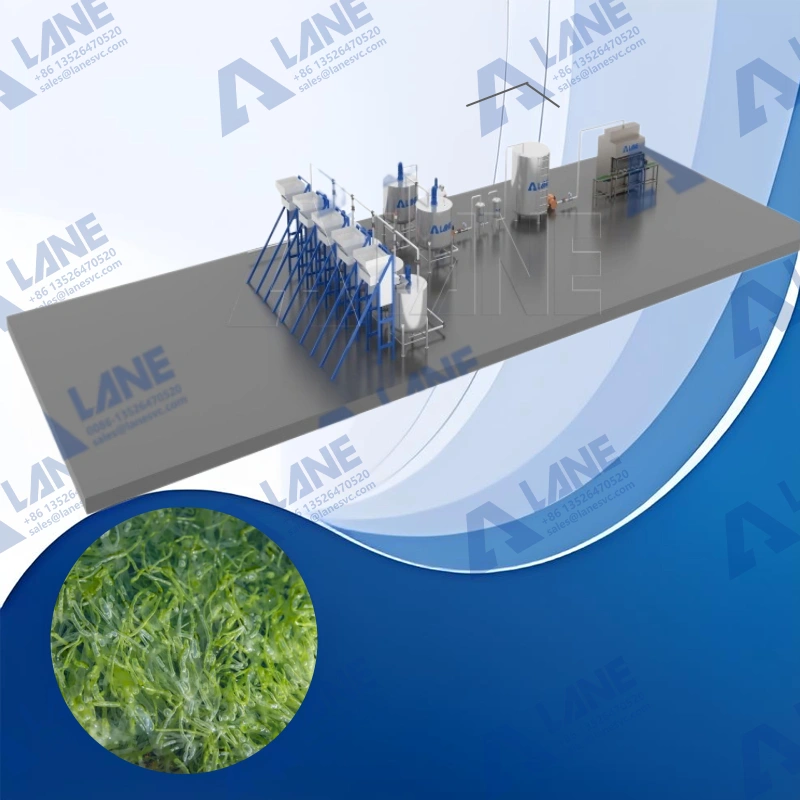
LANE can design a multi-tank storage system with a common manifold, transfer pumps, and PLC level monitoring so the plant can switch products, increase capacity, and reduce product loss.
LANE fabricates liquid fertilizer storage tanks under an ISO 9001 quality management system and can supply CE-certified equipment with material certificates, welding records, and hydrostatic test reports.
For projects that require code-certified vessels, design and fabrication can follow customer-specified standards including ASME Section VIII, API 650, API 620, PED, GB/T 150, or EN 13445. The applicable standard depends on service pressure, capacity, and destination market, and LANE confirms the scope before fabrication.
Storage and containment best practices are part of the design review. LANE follows the operational logic used in industry guidance such as Fertilizer Canada’s Liquid Storage Guidance, including recommendations for venting, level control, containment, inspection, and safe handling of bulk liquid fertilizers. Final compliance with local environmental, building, and product regulations remains the responsibility of the plant owner, and LANE provides engineering documentation to support the approval process.
For liquid fertilizer products exported to the European Union, the final product must meet Regulation (EU) 2019/1009. LANE’s tank and line design support clean changeover, contaminant control, batch traceability, and labeling, and we recommend independent certification of the final product by the relevant authority.
Henan Lane Heavy Industry Machinery Technology Co., Ltd. is a fertilizer equipment manufacturer with engineering, fabrication, and commissioning experience in more than 50 countries. LANE has supplied equipment for a 100,000 tons per year national fertilizer project in Africa and operates a 10,000 square meter factory in Xinxiang, China.
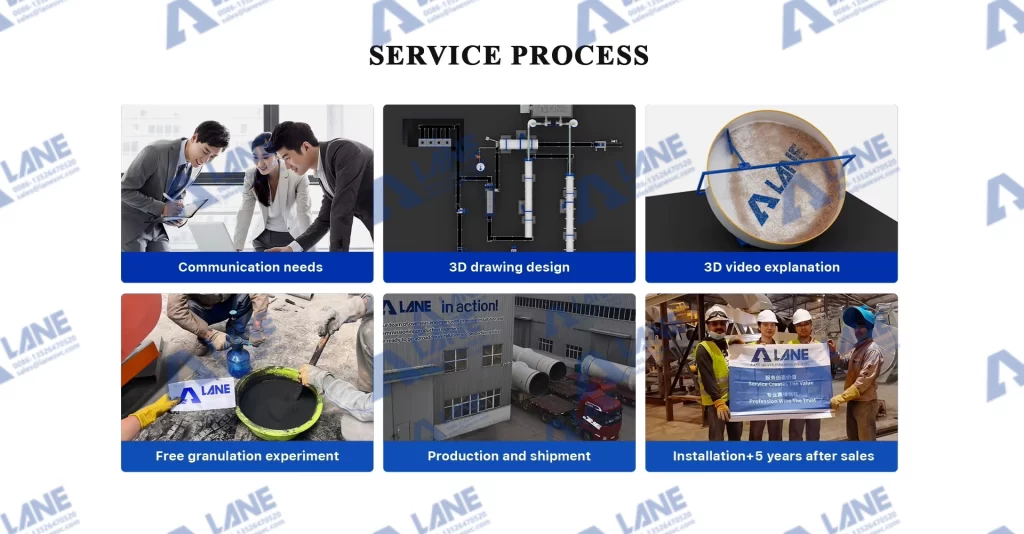
LANE provides one-stop service from tank sizing and material selection to overseas installation, commissioning, operator training, remote video guidance, and after-sales support. The same engineering team designs the storage tank, mixing tank, reactor, and complete liquid fertilizer line, which simplifies integration and protects product quality across the plant.
What is the difference between a storage tank and a mixing tank?
A mixing tank dissolves, blends, and homogenizes fertilizer ingredients with an agitator. A storage tank holds liquid at the correct temperature and condition without changing the product. Some storage tanks include recirculation or slow-speed agitation to prevent settling, but the primary function is safe, stable storage.
Can a storage tank keep suspension fertilizer from settling?
Yes. LANE can add a recirculation pump loop or a slow-speed agitator to keep suspended solids evenly distributed. The tank bottom is designed to minimize dead zones, and the discharge connection is positioned to remove the most concentrated product first.
Which stainless steel grade should I use?
SS304 is suitable for many water-soluble and organic liquid fertilizers. SS316L contains molybdenum and is recommended for products with chloride ions, phosphoric acid, organic acids, or aggressive micronutrient chemistry. For strong acid service, material selection depends on acid concentration and temperature, and LANE confirms the correct grade before fabrication.
When do I need insulation or heating?
Insulation and heating are recommended when the stored product can crystallize, increase in viscosity, or lose stability at low temperature. High-potash formulas, concentrated UAN solutions in cold climates, and some suspension products are common examples. LANE reviews your climate and formula before recommending a configuration.
Can I expand storage capacity later?
Yes. LANE designs storage systems with manifold and pump connections so additional tanks can be added as production grows. Multi-tank configurations can store different products without cross-contamination.
How do you prevent leaks and contamination?
The tank is fully welded with controlled weld procedures, polished internal surfaces, and pressure or hydrostatic testing before delivery. Venting, overflow protection, and level alarms reduce operational risk, and CIP cleaning prevents contamination when the tank is reused for different products.
What documentation do you provide?
LANE can provide material certificates, welding records, inspection reports, CE documentation, and ISO 9001 quality documentation. For code-stamped projects, the data book and compliance documents are prepared according to the specified standard.
What about secondary containment and local regulations?
LANE provides the tank engineering, foundation requirements, and installation support, and recommends a bunded or diked containment area according to local regulations and industry best practices. Final compliance with local storage, environmental, and building requirements is confirmed with the plant owner and relevant authorities.
Send LANE your product type, storage capacity, plant layout, local climate, and filling or distribution requirements. Our engineering team will recommend the tank configuration, material grade, insulation, instrumentation, and line integration, then provide a technical data sheet and quotation.


Everything you need to know when looking at different types of organic fertilizer equipment, all in one place.
Copyright © 2026. LANE All rights reserved.