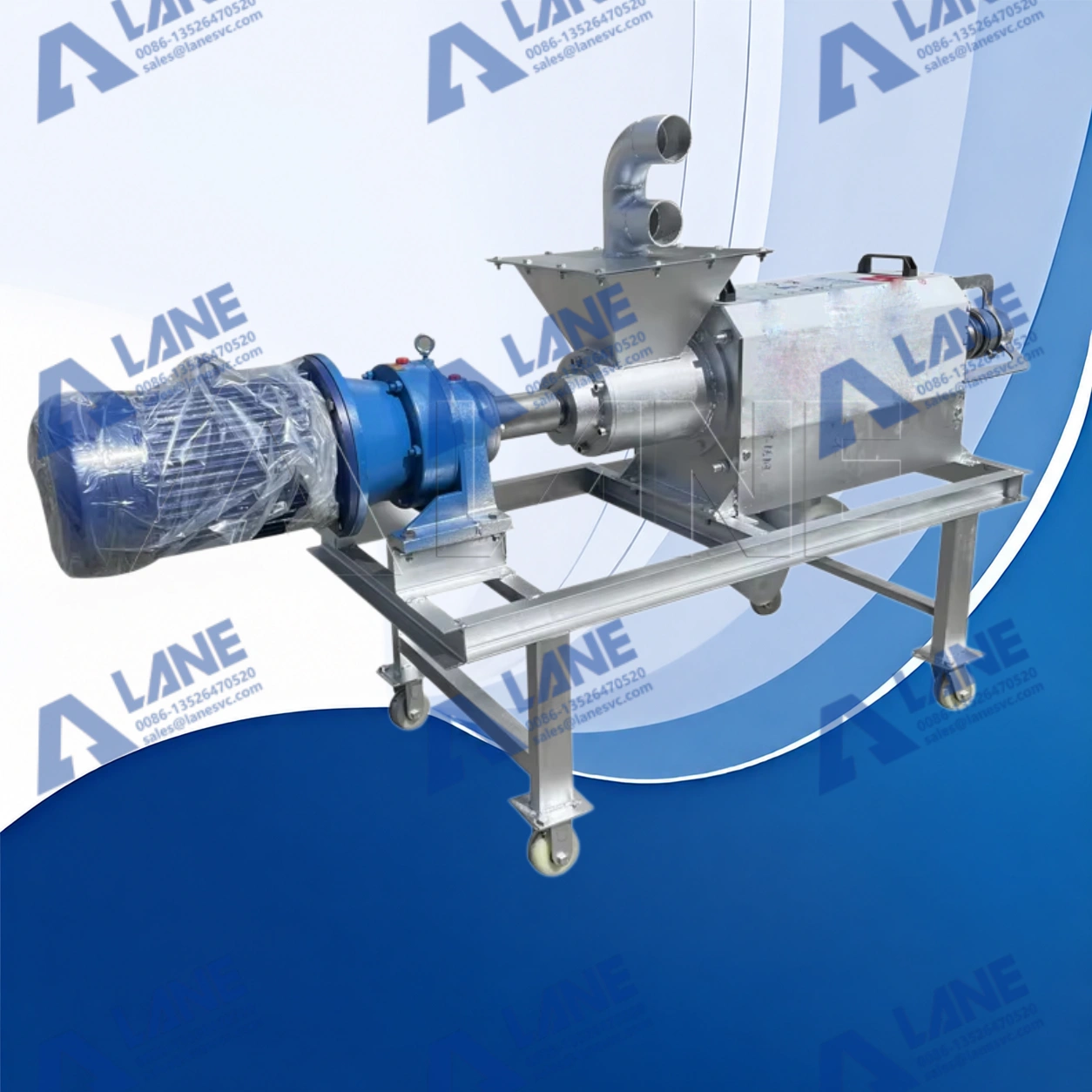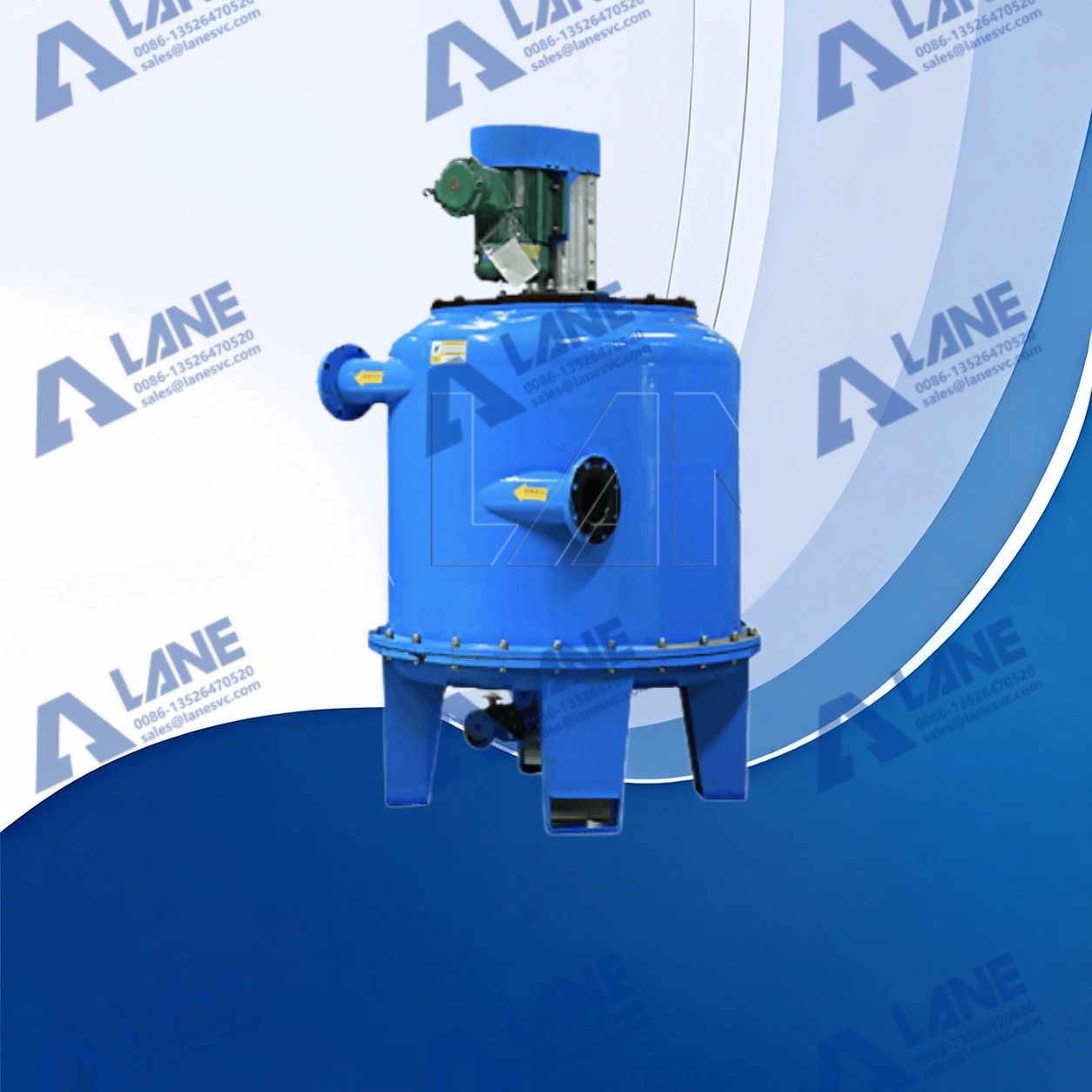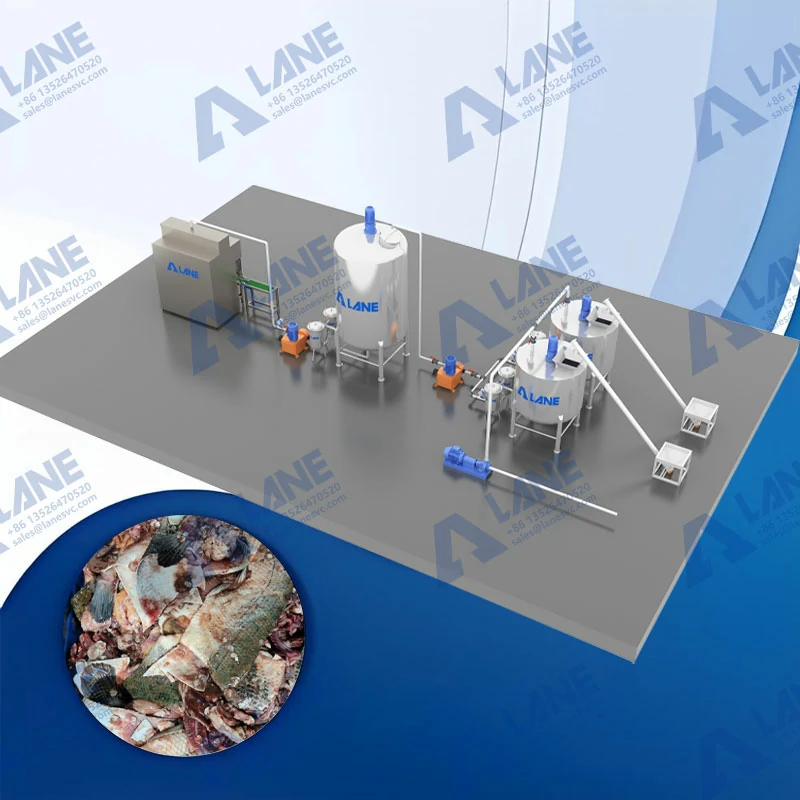
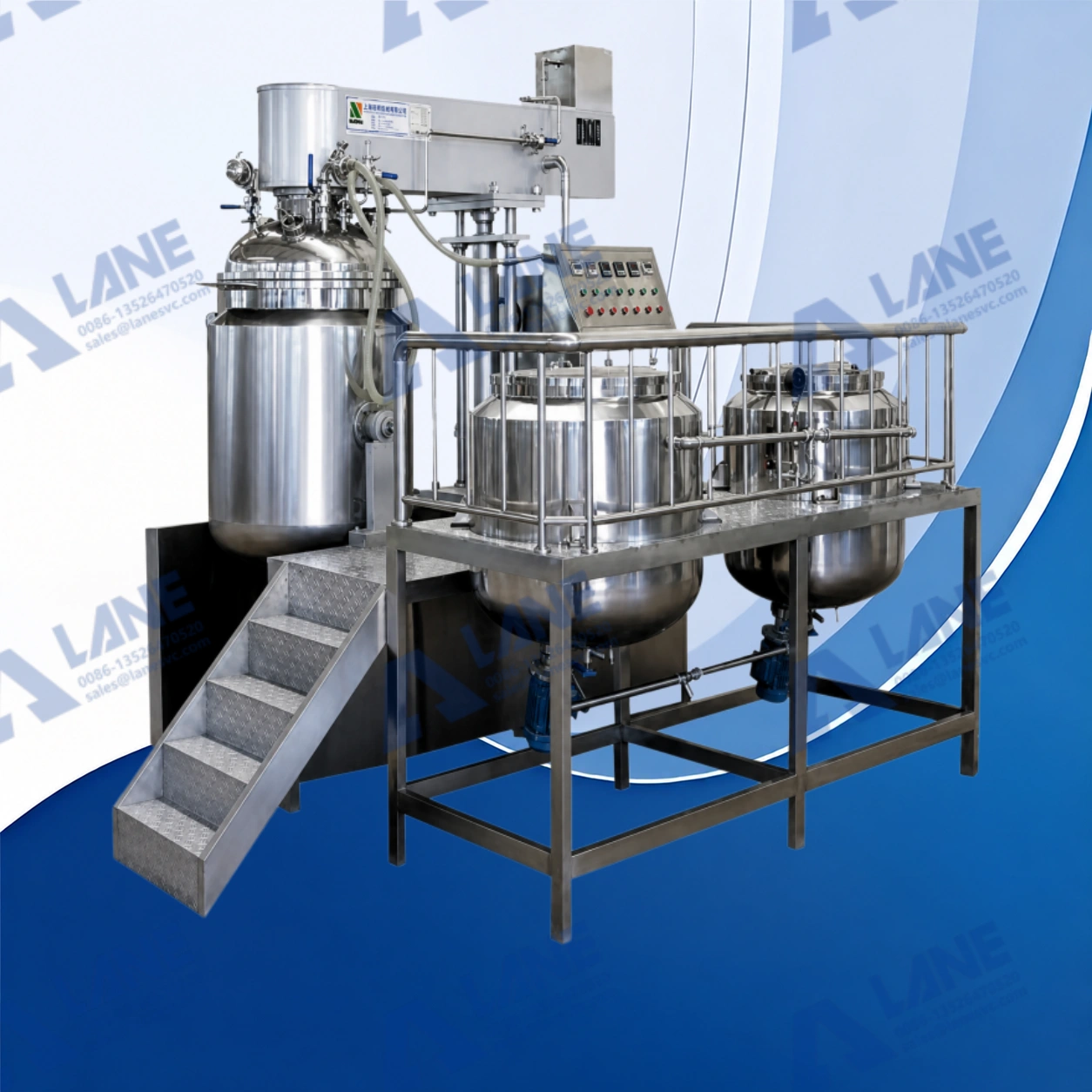
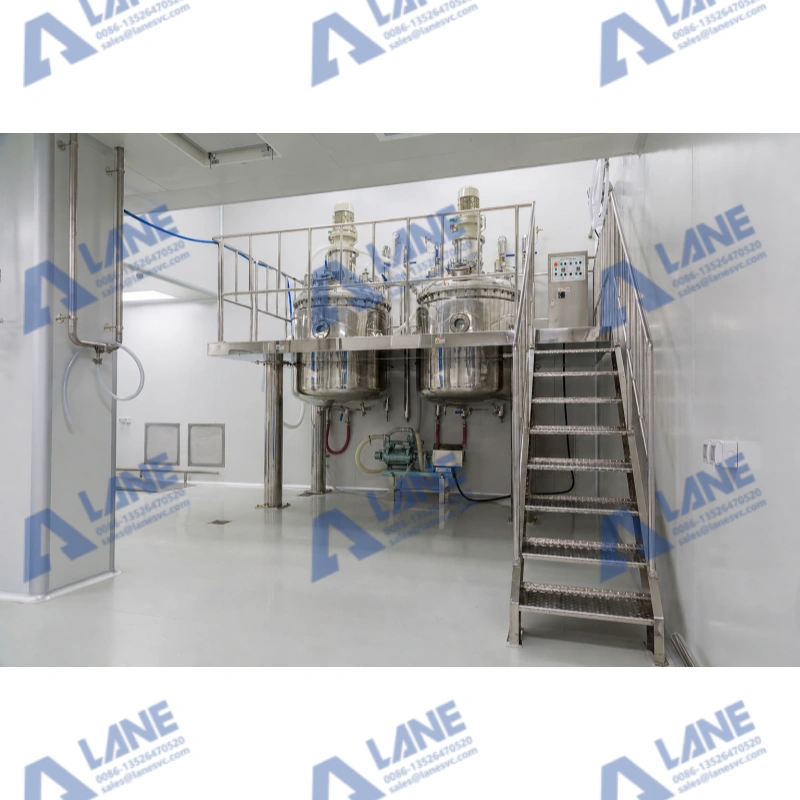
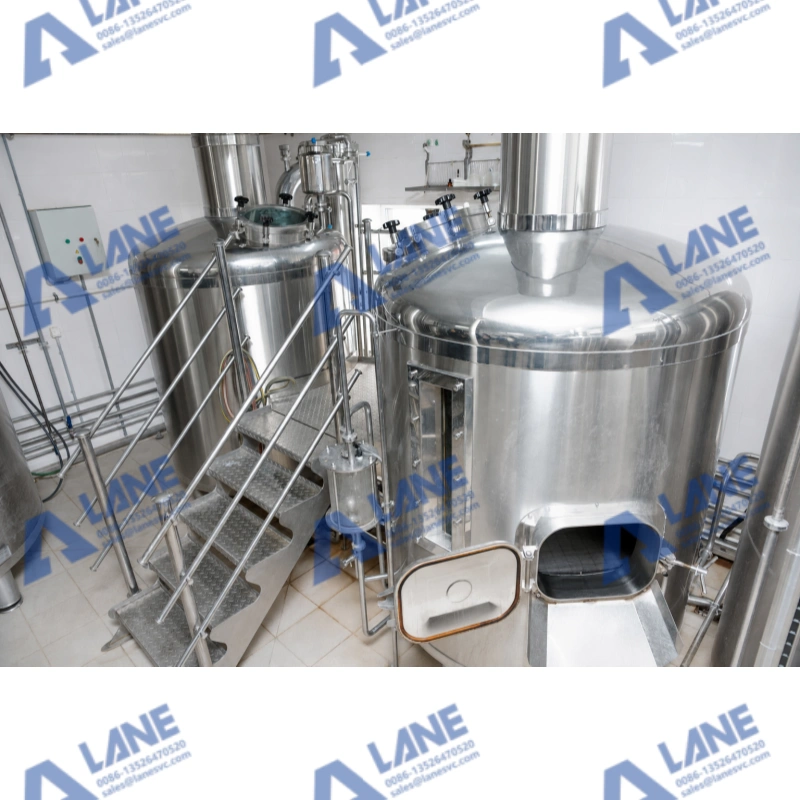
SS304/SS316L homogenizer emulsifier for liquid fertilizer, 1 to 20 m3/h, high shear rotor stator, CIP, PLC control, CE and 5-year warranty
A homogenizer emulsifier is the mixing unit that turns liquid fertilizer ingredients into a uniform, stable product. It breaks down particles, droplets, and agglomerates under high mechanical shear, which improves product consistency, suspension stability, and application performance.
LANE Machinery supplies SS304 and SS316L homogenizer emulsifiers with high shear rotor-stator workheads, inline and batch configurations, capacities from 1 to 20 m3/h, CIP connections, and PLC-ready control. The machine can be supplied as a single unit or integrated into a complete liquid fertilizer production line.
The LANE homogenizer emulsifier is designed for liquid fertilizer products that need fine particle dispersion or stable emulsification. It uses a precision rotor-stator workhead to generate intense shear, impact, and turbulence, which breaks down solids and immiscible liquids into a fine, uniform mixture.
The machine is available in two configurations:
All wetted parts are available in SS304 or SS316L stainless steel, with polished surfaces, mechanical seals, and CIP connections. The workhead can be supplied as a single-stage, two-stage, or multi-stage rotor-stator depending on the fineness required.
The working principle of the homogenizer emulsifier is based on high-speed rotor-stator shearing.
For emulsions, the repeated passes create a stable droplet size that resists separation during storage and application. For suspensions, the high shear breaks down agglomerates and keeps fine solids evenly distributed in the liquid.
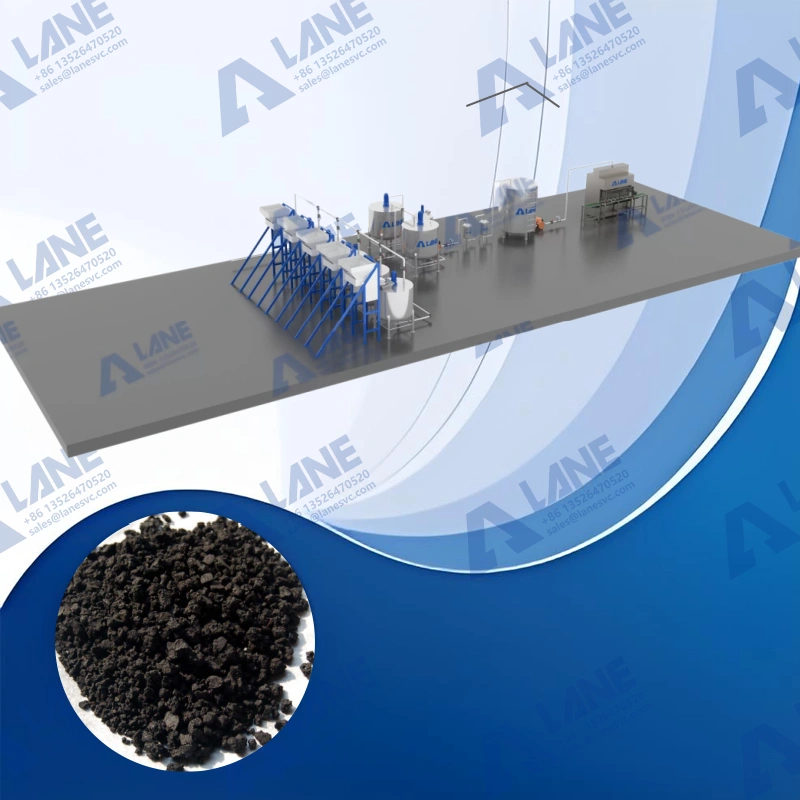
The homogenizer emulsifier is the high-shear stage between mixing and final processing:
Dissolving tank -> High speed disperser -> Homogenizer emulsifier -> Reactor or fermentation tank -> Filtration -> Storage tank -> Filling machine
In this configuration:
For suspension fertilizers, the machine can operate in a recirculation loop between the mixing tank and storage. The product passes through the workhead until the particle size and suspension stability meet the specification.
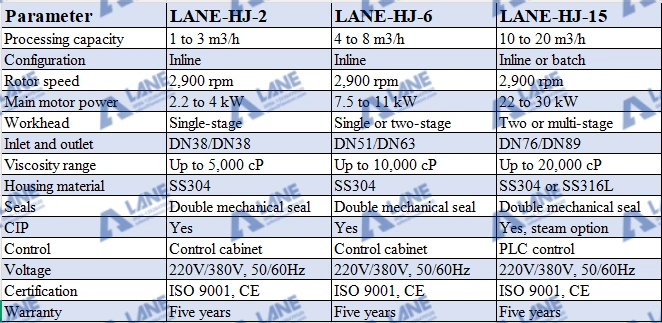
The table shows standard configurations. LANE confirms capacity, workhead design, motor power, and automation level after reviewing the product viscosity, particle size, and formulation.
LANE manufactures homogenizer emulsifiers under an ISO 9001 quality management system and can supply CE-certified equipment with material certificates for stainless steel housings, workheads, and contact parts.
For pressure-rated or jacketed configurations, the design can follow customer-specified codes including PED or GB/T 150. For plants that handle solvent-based formulations, explosion-proof motors can be supplied in accordance with local requirements. Hydrostatic testing and third-party inspection by SGS or BV are available.
For liquid fertilizer products exported to the European Union, the final product must meet Regulation (EU) 2019/1009. The homogenizer emulsifier supports product consistency and contaminant control, and we recommend independent certification of the final product by the relevant authority.
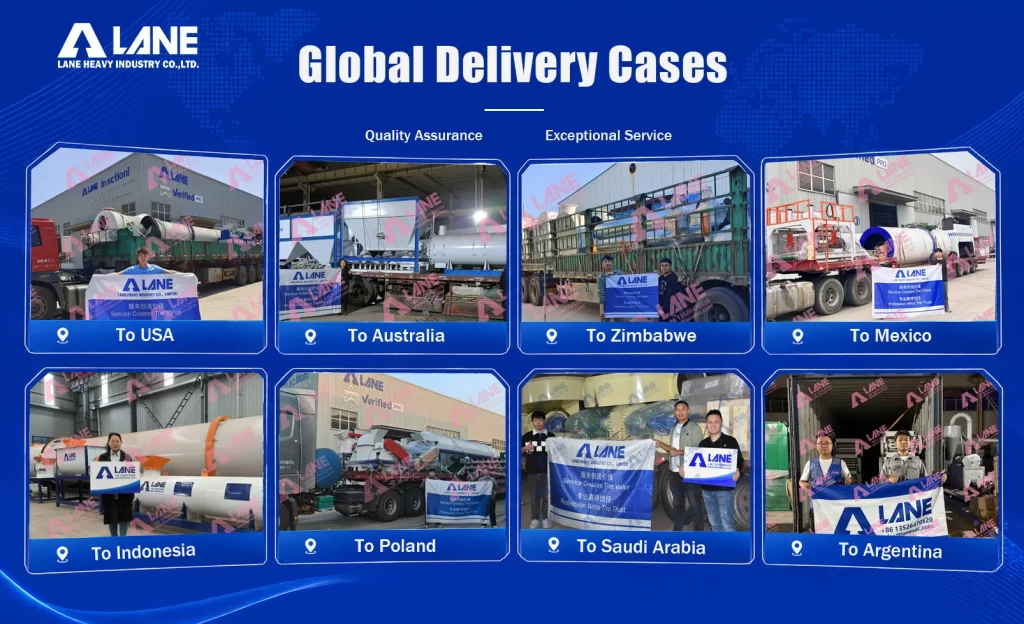
Henan Lane Heavy Industry Machinery Technology Co., Ltd. is a fertilizer equipment manufacturer with more than 20 years of engineering experience. LANE has delivered equipment and production lines to clients in more than 50 countries and supplied machines for a 100,000 tons per year national fertilizer project in Africa.
LANE provides one-stop service from machine selection and process design to overseas installation, commissioning, operator training, remote video guidance, and after-sales support. For liquid fertilizer projects, our engineers review the formulation, viscosity, particle size, and flow rate, then recommend the correct homogenizer configuration, workhead, and line integration.
What is a homogenizer emulsifier used for in fertilizer production?
It reduces particle and droplet size in liquid fertilizer formulations, producing a uniform and stable product. It is used for water-soluble fertilizers, suspensions, emulsions, chelated micronutrients, and organic liquid fertilizers.
How does a homogenizer emulsifier work?
A high-speed rotor draws material into the gap between the rotor and stator. The material is subjected to mechanical shear, hydraulic force, impact, and turbulence, which breaks down particles and droplets into a fine, uniform mixture.
What is the difference between a homogenizer emulsifier and a conventional mixer?
A conventional mixer blends the bulk liquid but produces limited shear. A homogenizer emulsifier forces the material through a precision rotor-stator workhead, which reduces particle size and creates a finer, more stable product.
What is the difference between inline and batch homogenizers?
An inline homogenizer processes material in a continuous flow or recirculation loop. A batch homogenizer is installed on a tank or reactor and processes the full volume in place.
Can the machine handle suspension fertilizer?
Yes. The high shear rotor-stator design breaks down agglomerates and keeps fine solids evenly distributed in the liquid, which improves suspension stability and reduces settling.
What material should the homogenizer use?
SS304 is suitable for many water-soluble fertilizer products. SS316L is recommended for chloride, acid, and aggressive fertilizer chemistry.
Can the machine be automated?
Yes. Motor speed, process time, inlet flow, and recirculation can be controlled by the PLC, and the machine can be connected to tanks, filters, and filling lines.
What is the warranty?
LANE provides a five-year warranty, spare parts support, and overseas installation and commissioning services.
Tell LANE your product type, viscosity, particle size, flow rate, and line configuration. Our engineering team will recommend the correct homogenizer model, workhead, motor power, and automation level, then provide a technical data sheet and quotation.

Everything you need to know when looking at different types of organic fertilizer equipment, all in one place.
Copyright © 2026. LANE All rights reserved.