SS304/SS316L dissolving tanks for water-soluble and liquid fertilizer production, from 500 L to 30,000 L, with high-speed agitation, heating, and PLC control.
A dissolving tank is the first process vessel in most liquid fertilizer plants. It is where water and soluble fertilizer raw materials are combined, heated, and agitated until the nutrient salts are fully dissolved into a stable mother liquor or feed solution.
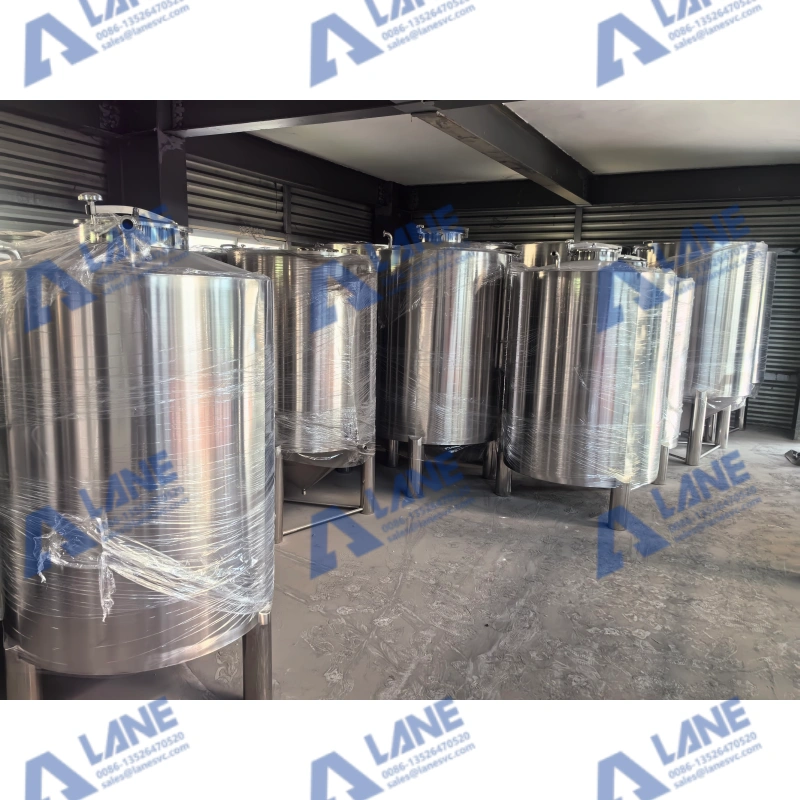
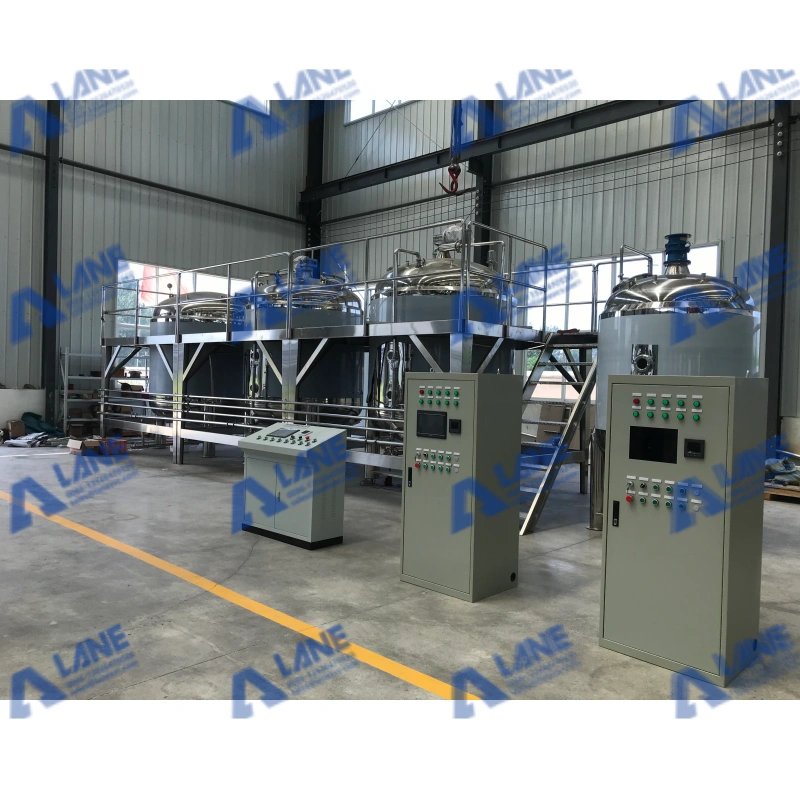
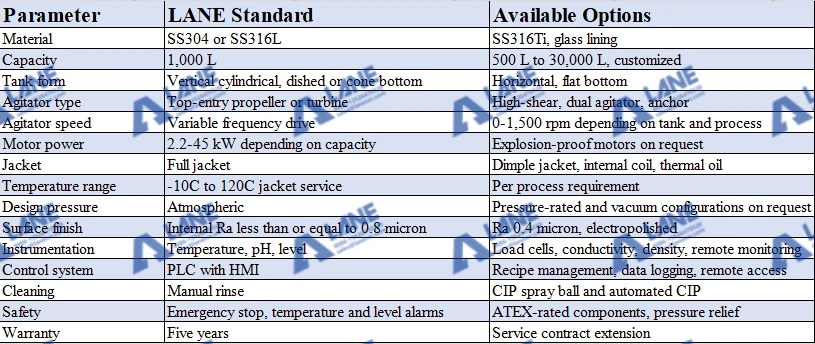
LANE Machinery supplies SS304 and SS316L dissolving tanks from 500 L to 30,000 L, with high-speed agitation, jacket heating and cooling, load cell weighing, dosing ports, PLC control, and CIP-ready design. The tank can be supplied as a single machine or integrated into a complete liquid fertilizer production line.
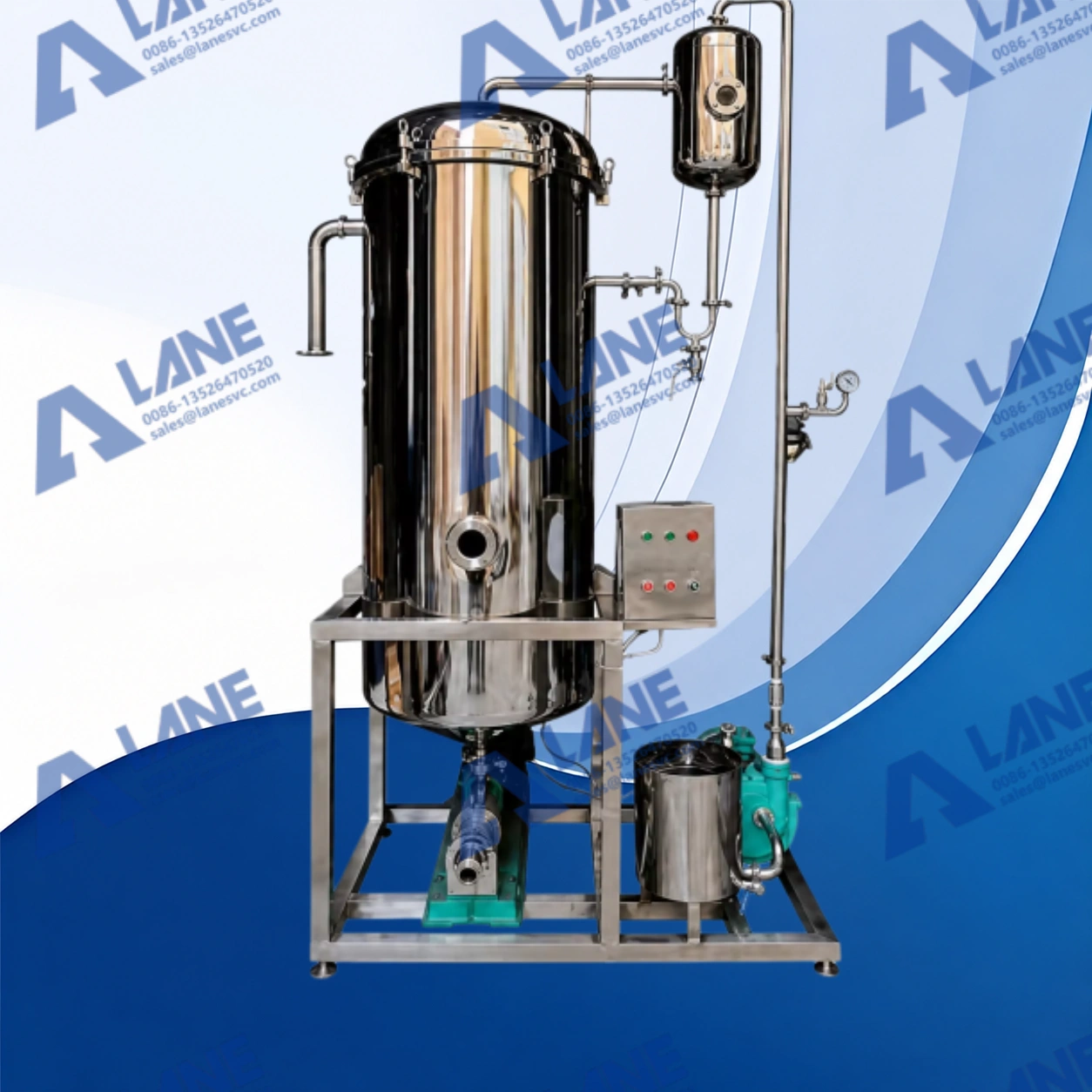
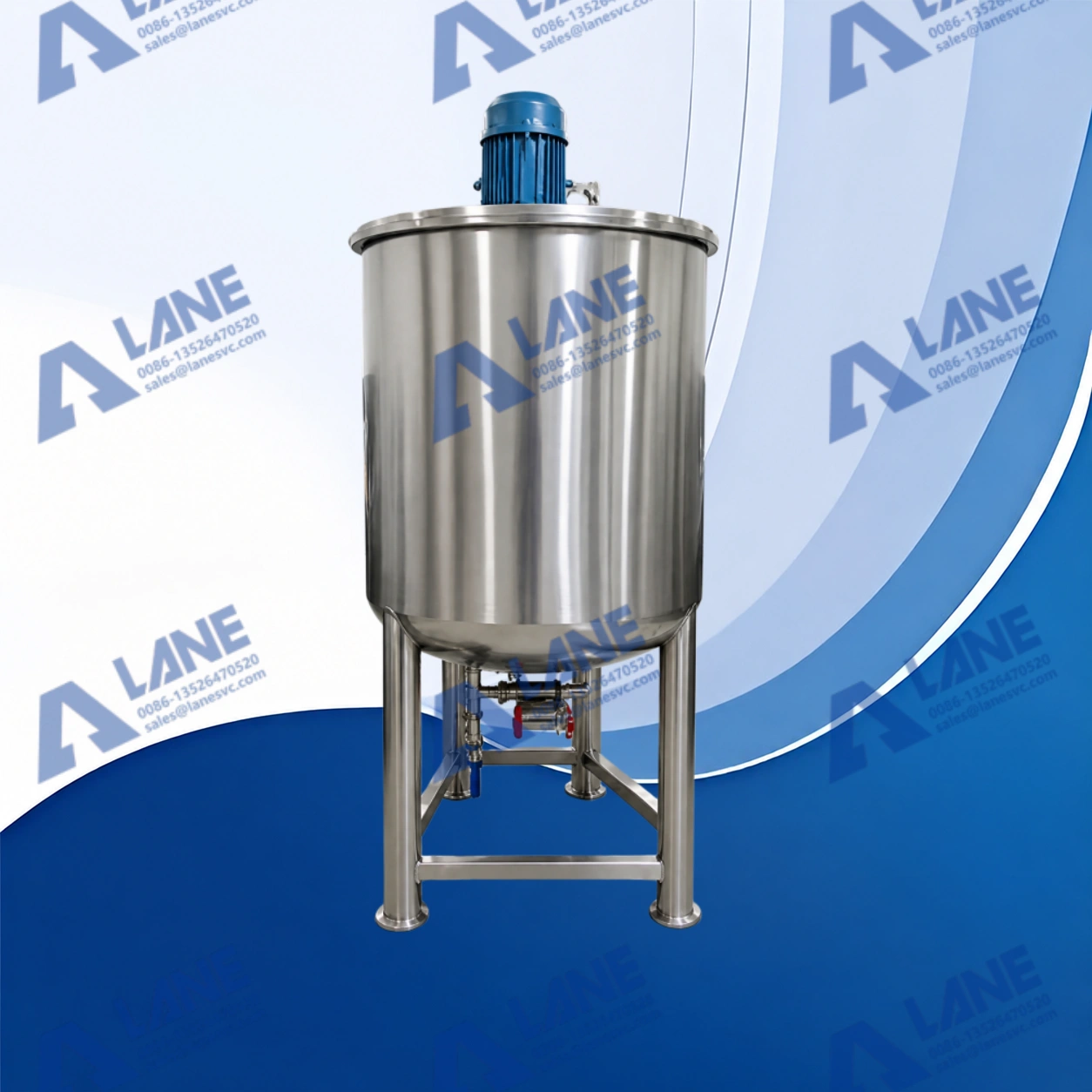
The LANE dissolving tank is a vertical, agitated stainless steel vessel designed specifically for dissolving fertilizer salts. It handles urea, ammonium nitrate, MAP, potassium chloride, potassium sulfate, magnesium sulfate, and micronutrient salts, as well as liquid nutrient raw materials.
The tank uses a high-speed propeller or high-shear agitator to create strong circulation and break up powder clumps. A jacket or internal coil provides heating to increase solubility, and load cells or dosing pumps control the raw material additions.
Because the quality of the dissolved mother liquor determines the quality of the final product, the tank is designed with precise temperature control, cleanable surfaces, and process instrumentation.
The working principle of a dissolving tank is to control water, heat, and agitation so fertilizer salts dissolve completely and stay in solution.
A typical batch cycle works as follows:
For formulas that need chelation or pH adjustment, the dissolving tank can work together with a reactor or the additives can be dosed directly into the tank.
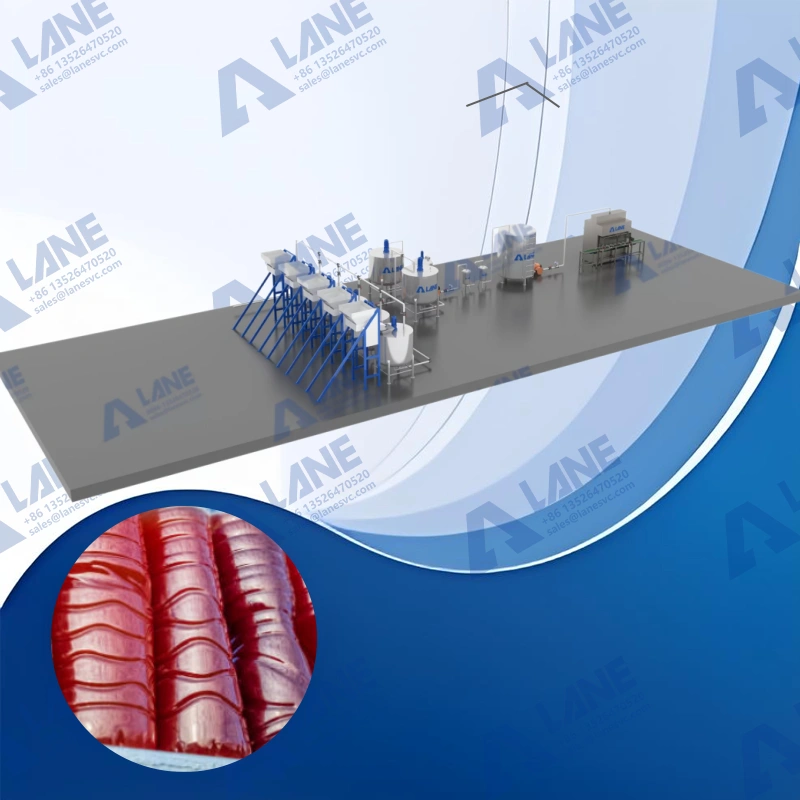
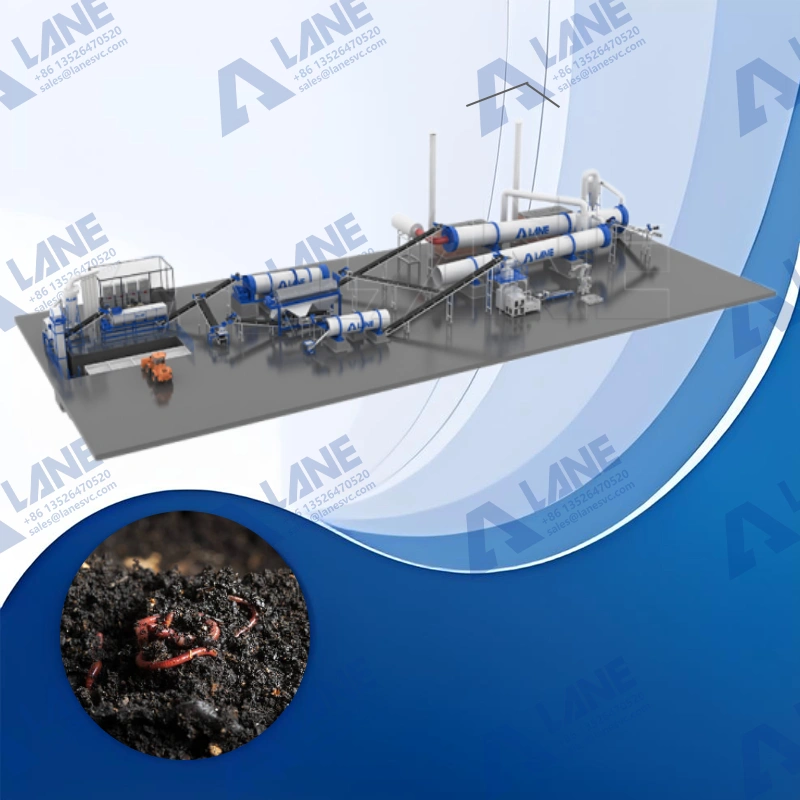
The dissolving tank is the raw material preparation unit of a complete liquid fertilizer line:
Water treatment -> Raw material batching -> Dissolving tank -> Reactor or chelation tank -> Filtration -> Storage tank -> Filling
In this configuration:
LANE supplies the dissolving tank as a single machine or as part of a complete liquid fertilizer production line with disperser, reactor, filtration, storage, filling, and CIP systems.
LANE designs and fabricates dissolving tanks under an ISO 9001 quality management system and can supply CE-certified equipment with material certificates for stainless steel plates, pipes, and fittings.
For projects that require pressure-rated or sanitary vessels, tank design and fabrication can follow customer-specified codes including ASME Section VIII, PED, GB/T 150, or ASME BPE surface and welding requirements. Hydrostatic testing, weld inspection, and third-party inspection by SGS or BV are available.
For liquid fertilizer products exported to the European Union, the final product must meet Regulation (EU) 2019/1009. LANE’s process design supports contaminant control, clean changeover, and batch traceability, and we recommend independent certification of the final product by the relevant authority.
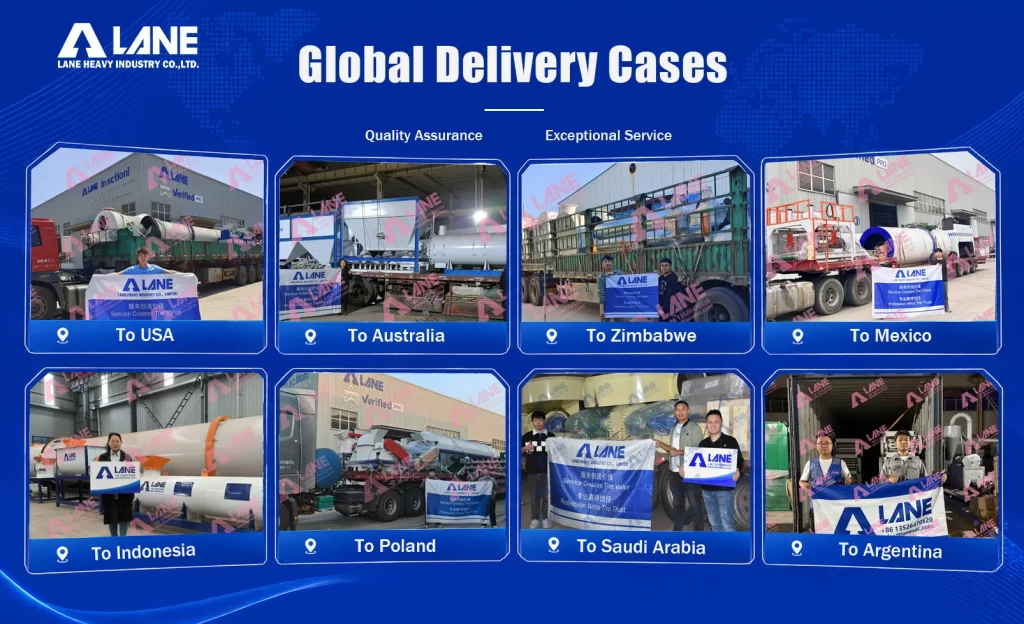
Henan Lane Heavy Industry Machinery Technology Co., Ltd. is a fertilizer equipment manufacturer with more than 20 years of engineering experience. LANE has delivered equipment and production lines to clients in more than 50 countries and supplied machines for a 100,000 tons per year national fertilizer project in Africa.
LANE provides one-stop service from process design and equipment selection to overseas installation, commissioning, operator training, remote video guidance, and after-sales support. For liquid fertilizer projects, our engineers review raw materials, solubility, temperature, and capacity, then recommend the correct tank size, agitator, heating method, and automation level.
What is the difference between a dissolving tank and a mixing tank?
A dissolving tank is designed to dissolve solid fertilizer salts into water quickly, with high-speed agitation and temperature control. A mixing tank blends liquids and dissolved materials. In many plants, the dissolving tank prepares the mother liquor and the mixing tank adjusts the final formula.
Can one dissolving tank handle different formulas?
Yes. With PLC recipe management, dosing control, and a CIP system, one tank can switch between water-soluble NPK, potassium, magnesium, and micronutrient formulas. A clean changeover prevents cross-contamination.
Which agitator is best for dissolving fertilizer powder?
Propeller and turbine agitators provide strong circulation for dissolving. High-shear agitators are better for powders that clump or for products that need fine dispersion. LANE selects the agitator based on the actual raw materials.
How do I prevent precipitation or incomplete dissolution?
Use correct water temperature, add materials in the right order, control pH, and keep the batch agitated until it is discharged. LANE reviews the formula and configures heating, dosing, and agitation to avoid precipitation.
Do I need a jacket for heating?
Most water-soluble fertilizer formulas dissolve faster with heat. A jacket or internal coil is recommended for cold water supplies, high-salt formulas, or production lines that need short batch times.
What is the warranty?
LANE provides a five-year warranty, spare parts support, and overseas installation and commissioning services.
Tell LANE your raw materials, formula, batch size, water temperature, and automation requirements. Our engineering team will recommend the correct tank size, agitator, heating system, and line integration, then provide a technical data sheet and quotation.


Everything you need to know when looking at different types of organic fertilizer equipment, all in one place.
Copyright © 2026. LANE All rights reserved.