SS304/SS316L fermentation tanks for liquid organic fertilizer and biofertilizer, from 500 L to 50,000 L, with temperature control, stirring, defoaming and 5-year warranty.
The liquid fertilizer fermentation tank is the process core of a liquid organic fertilizer or biofertilizer plant. It is where organic raw materials, water, and beneficial microorganisms are combined under controlled temperature, mixing, and gas conditions to produce stable, nutrient-rich liquid fertilizer.
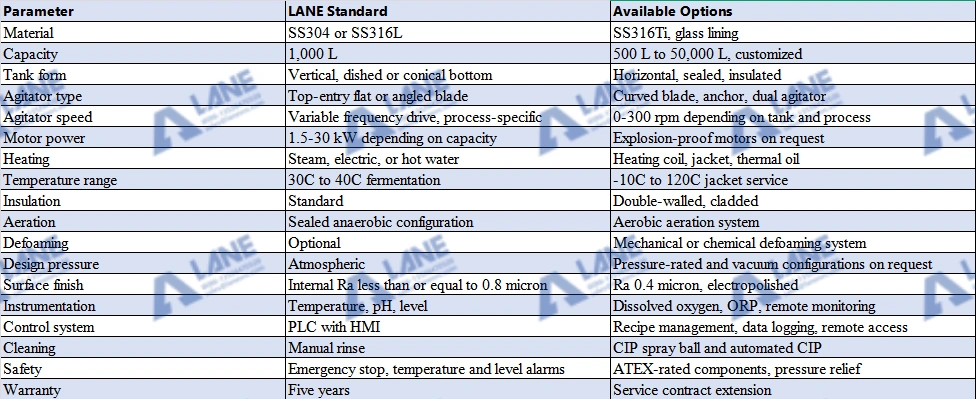
LANE Machinery builds SS304 and SS316L fermentation tanks from 500 L to 50,000 L, with insulated and jacketed bodies, variable-speed agitation, defoaming, dosing ports, PLC monitoring, and CIP-ready design. The tank can be supplied as a single machine or integrated into a complete liquid organic fertilizer production line with filtration, sterilization, storage, and filling.
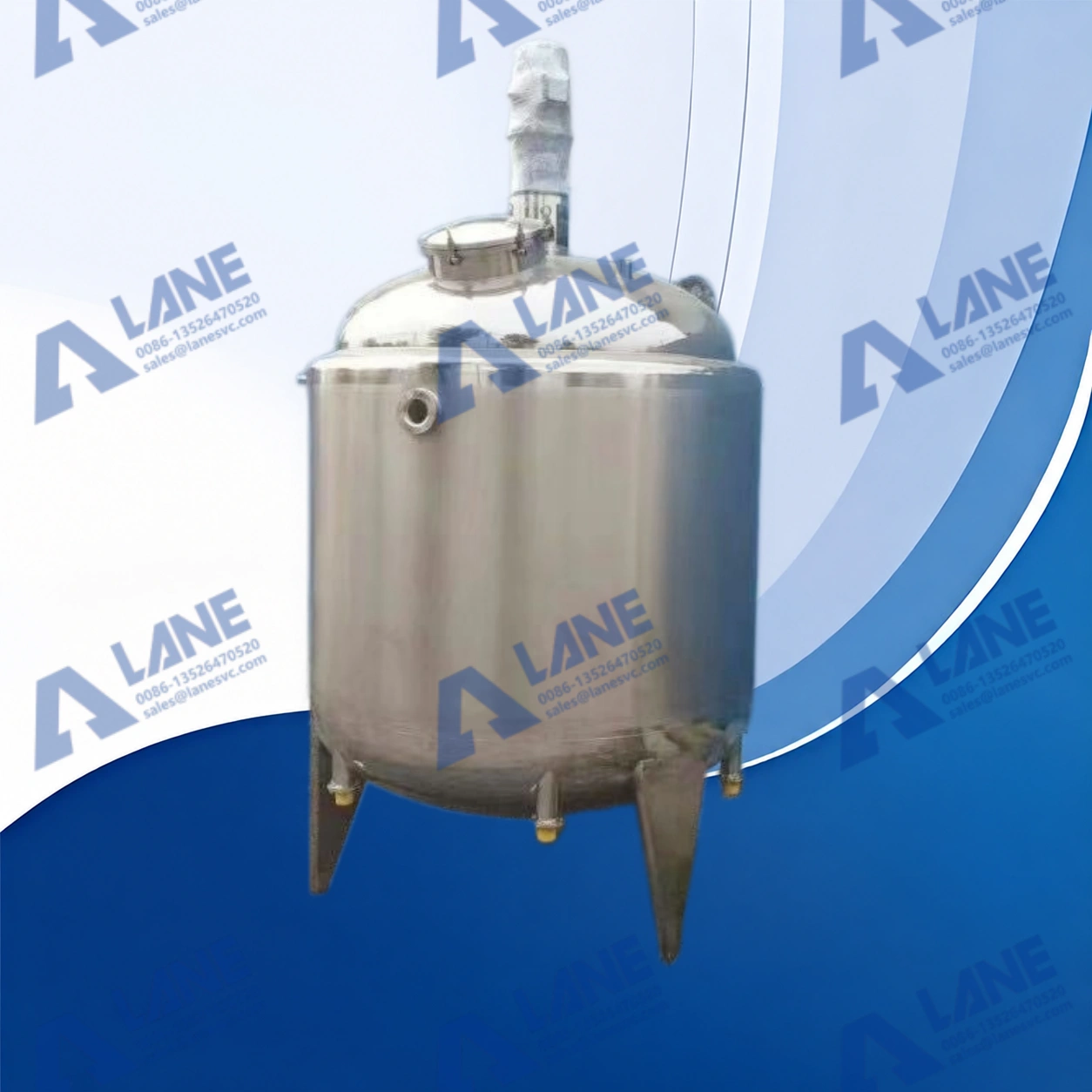
The LANE liquid fertilizer fermentation tank is a sealed or vented stainless steel vessel designed for aerobic and anaerobic fermentation of organic liquids. It is used to convert livestock manure liquid, biogas slurry, compost extract, fish waste, seaweed extract, and other organic raw materials into liquid organic fertilizer and biofertilizer.
The tank combines the functions of a reactor and a storage vessel: it maintains the temperature, mixing, and gas conditions that microbes need, then holds the fermented liquid until it is ready for the next process step.
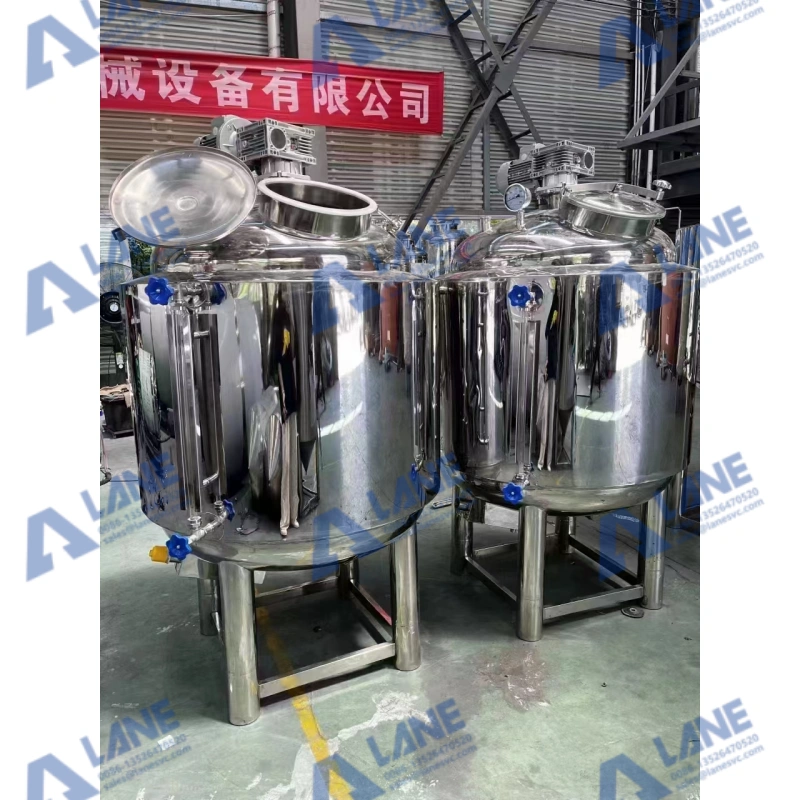
Fermentation tank design is customized by capacity, heating method, agitation type, aeration requirement, and control level. SS304 is suitable for most organic liquid fertilizer processes; SS316L is recommended for acidic formulas, high-chloride raw materials, and processes that require stronger corrosion resistance.
Corrosion-resistant stainless steel construction
Temperature control for stable microbial activity
Variable-speed agitation
Aeration and gas management
Dosing and process control
Cleanable and safe design
The working principle of the liquid fertilizer fermentation tank is to create and maintain the conditions in which beneficial microorganisms decompose organic matter and convert it into available plant nutrients.
A typical fermentation batch works as follows:
The result is a stable liquid organic fertilizer with better nutrient availability, lower pathogen risk, and more consistent quality than unprocessed raw organic liquid.
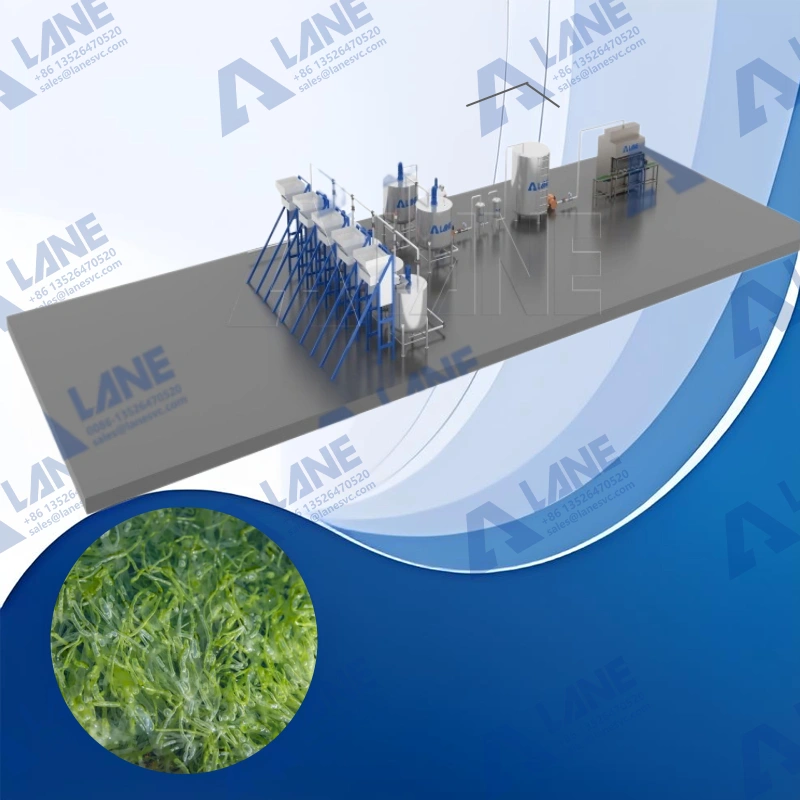
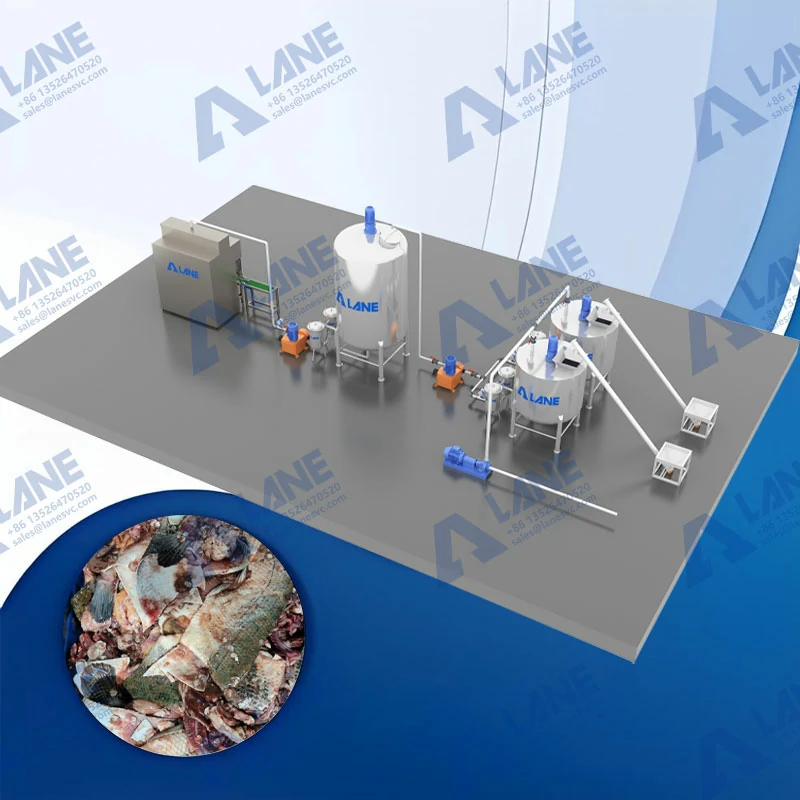
The fermentation tank is the central unit of a liquid organic fertilizer production line:
Raw material collection -> Solid-liquid separation -> Filtration -> UV sterilization -> Fermentation tank -> Ingredient mixing -> Storage tank -> Filling
In this configuration:
LANE supplies the fermentation tank as a single machine or as part of a complete line with separation, filtration, sterilization, mixing, storage, filling, and CIP systems.
LANE fabricates liquid fertilizer fermentation tanks under an ISO 9001 quality management system and can supply CE-certified equipment with material certificates, welding records, and hydrostatic test reports.
For sanitary or pressure-rated projects, design and fabrication can follow customer-specified standards including ASME BPE, PED, ASME Section VIII, or GB/T 150. Internal surface finish, welding quality, and cleanability are controlled to support safe organic fertilizer production.
For organic fertilizer products, the final product must meet the destination market’s organic and fertilizer regulations, including contaminant limits, microbial safety, and labeling. LANE’s tank and line design support clean changeover, batch traceability, and quality control, and we recommend independent certification of the final product by the relevant authority.
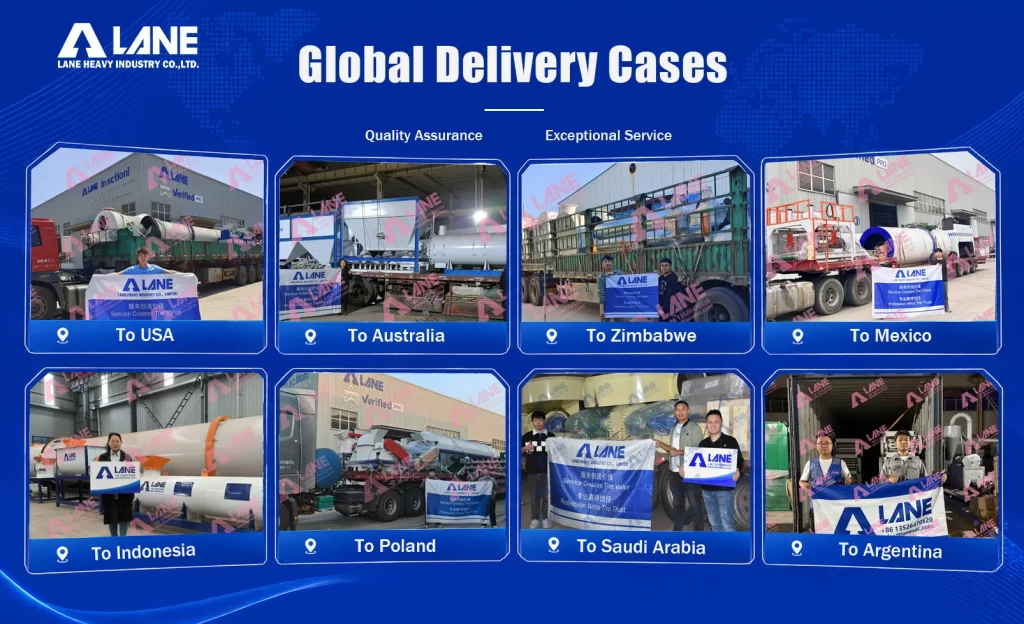
Henan Lane Heavy Industry Machinery Technology Co., Ltd. is a fertilizer equipment manufacturer with more than 20 years of engineering experience. LANE has delivered equipment and production lines to clients in more than 50 countries and supplied machines for a 100,000 tons per year national fertilizer project in Africa.
LANE provides one-stop service from process design and equipment selection to overseas installation, commissioning, operator training, remote video guidance, and after-sales support. For liquid organic fertilizer projects, our engineers review raw materials, microbial process requirements, capacity, and automation level, then recommend the correct tank size, material grade, agitation, heating, and control design.
How long does liquid fertilizer fermentation take?
Typical mesophilic fermentation takes 3 to 15 days, depending on raw material, temperature, microbial inoculum, and process conditions. LANE designs the tank and process for your raw material to achieve a stable and repeatable fermentation cycle.
What is the difference between aerobic and anaerobic fermentation?
Aerobic fermentation uses oxygen supplied by an aeration system and is generally faster for many organic liquids. Anaerobic fermentation uses a sealed tank and gas outlet. LANE supplies both configurations and confirms the best process for your raw material and product target.
What temperature is needed for fermentation?
Most liquid organic fertilizer fermentation processes work best at 30C to 40C, when microbial activity is highest. The tank is insulated and heated to maintain this range even when ambient temperature changes.
Which stainless steel grade should I use?
SS304 is suitable for many organic liquid fertilizer processes. SS316L is recommended for acidic formulas, high-chloride raw materials, and products that require stronger corrosion resistance. LANE confirms the correct grade before fabrication.
Can I add NPK, humic acid, or trace elements during fermentation?
Yes. The tank has dosing ports for nutrients, microbial inoculants, and additives. Many producers add NPK, humic acid, amino acids, or trace elements during or after fermentation to create a balanced liquid fertilizer formula.
How do you control foaming?
LANE offers mechanical defoaming systems and process control to manage foam generated by organic raw materials. The tank is designed with freeboard, a gas outlet, and agitation control to reduce foam overflow.
Do you provide installation and operator training?
Yes. LANE provides overseas installation, commissioning, operator training, and remote video guidance. The five-year warranty covers equipment supplied under the project contract.
Send LANE your raw materials, microbial process, batch capacity, and automation requirements. Our engineering team will provide a fermentation tank configuration, technical data sheet, line integration recommendation, and quotation.

Everything you need to know when looking at different types of organic fertilizer equipment, all in one place.
Copyright © 2026. LANE All rights reserved.