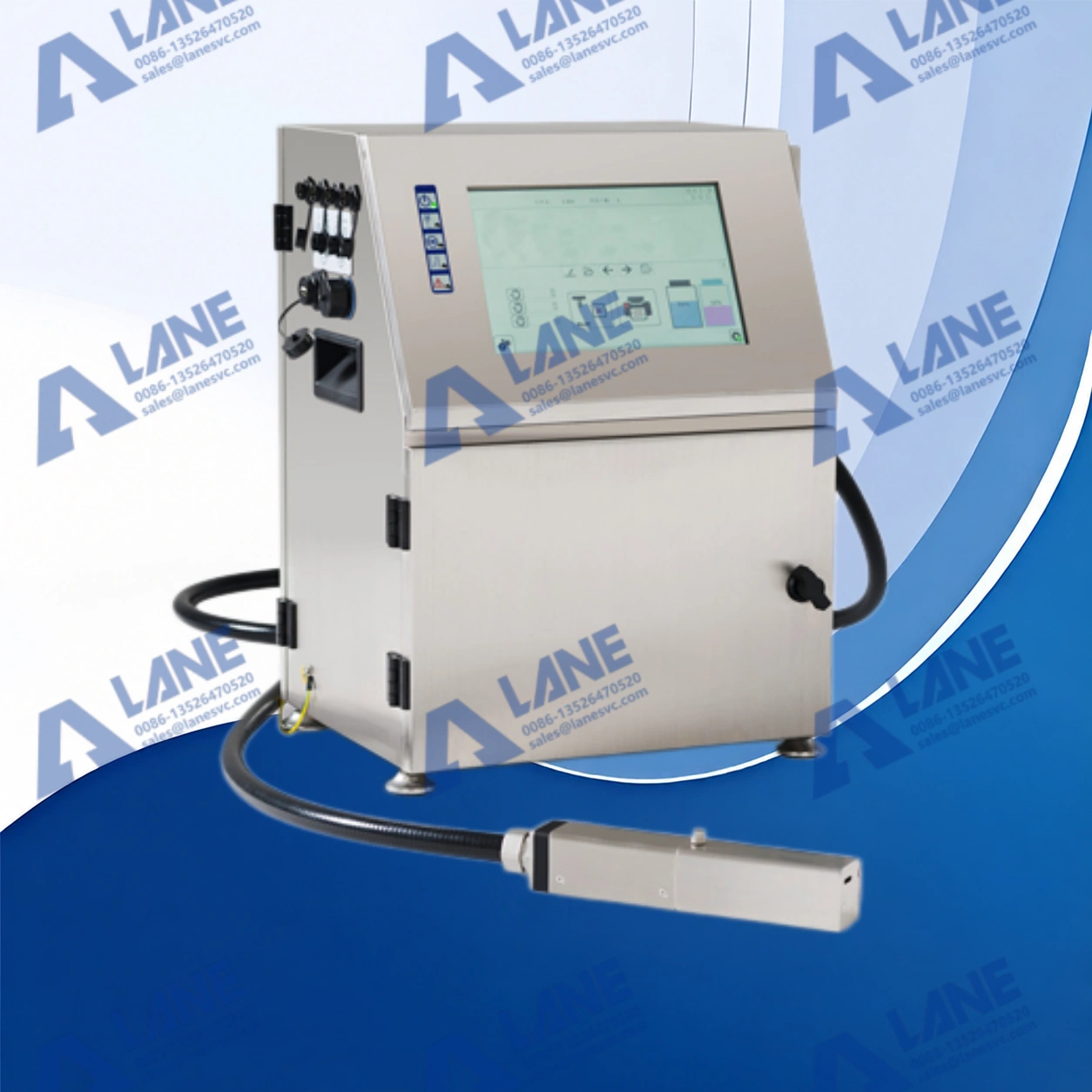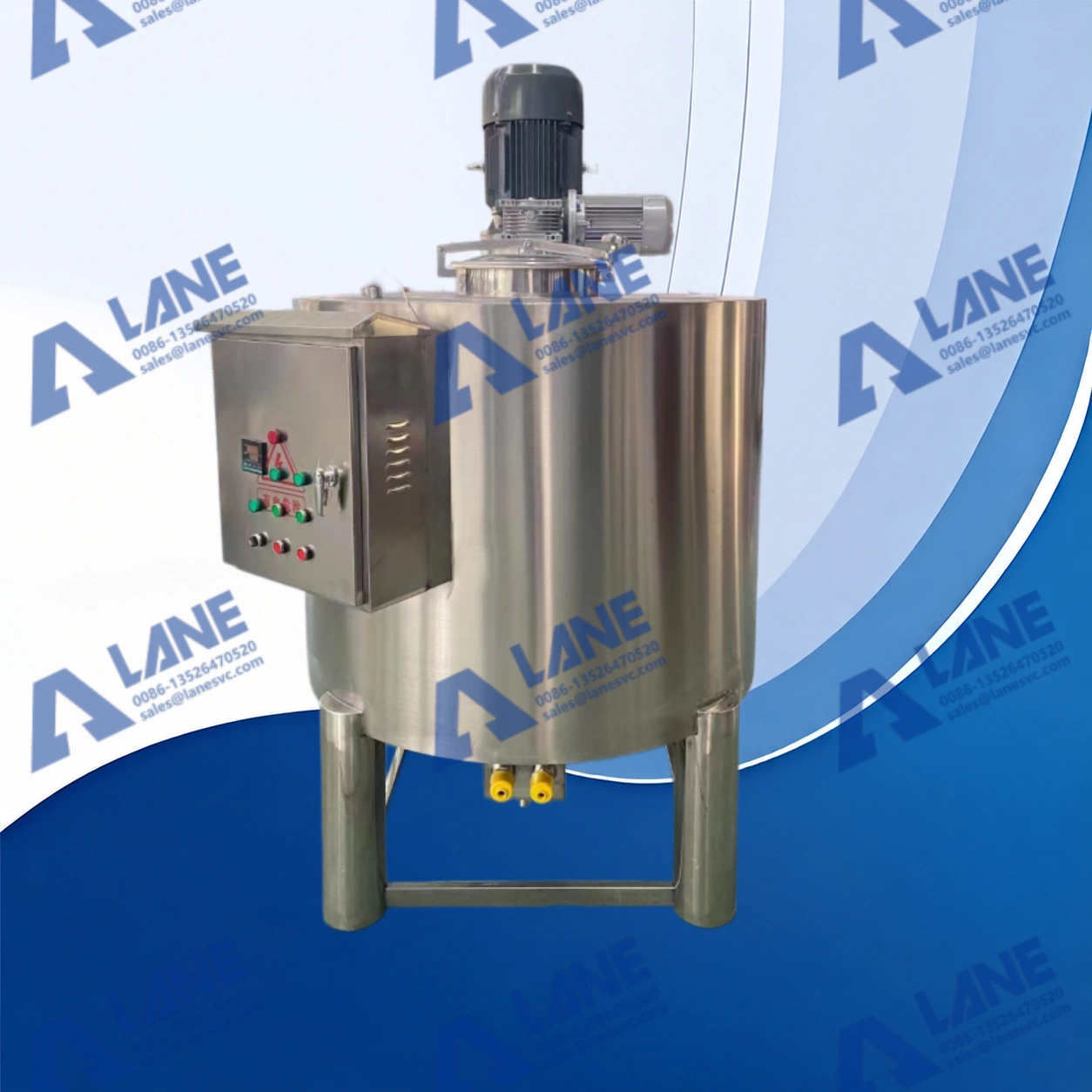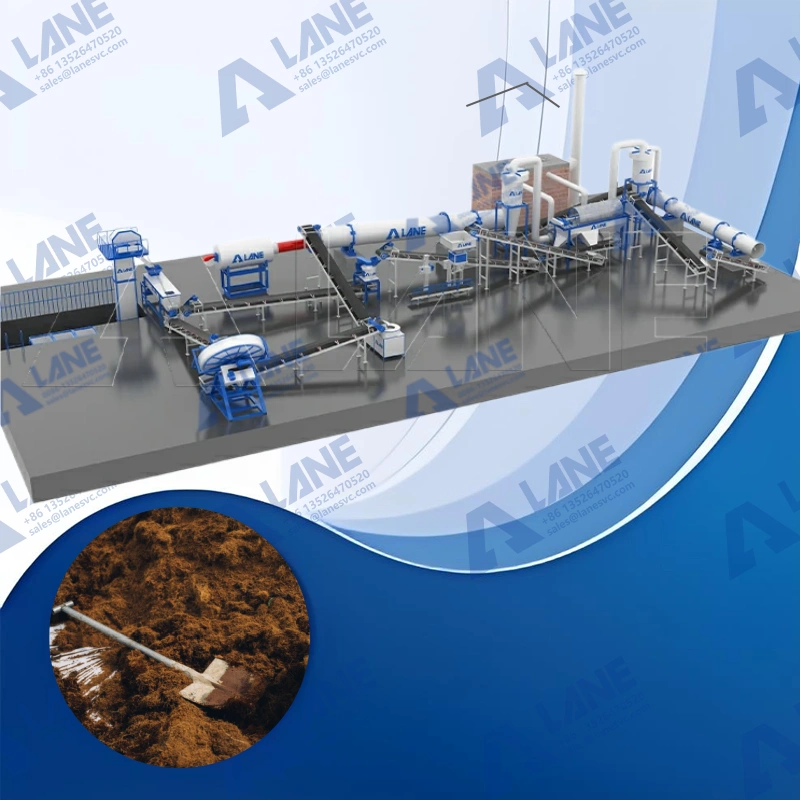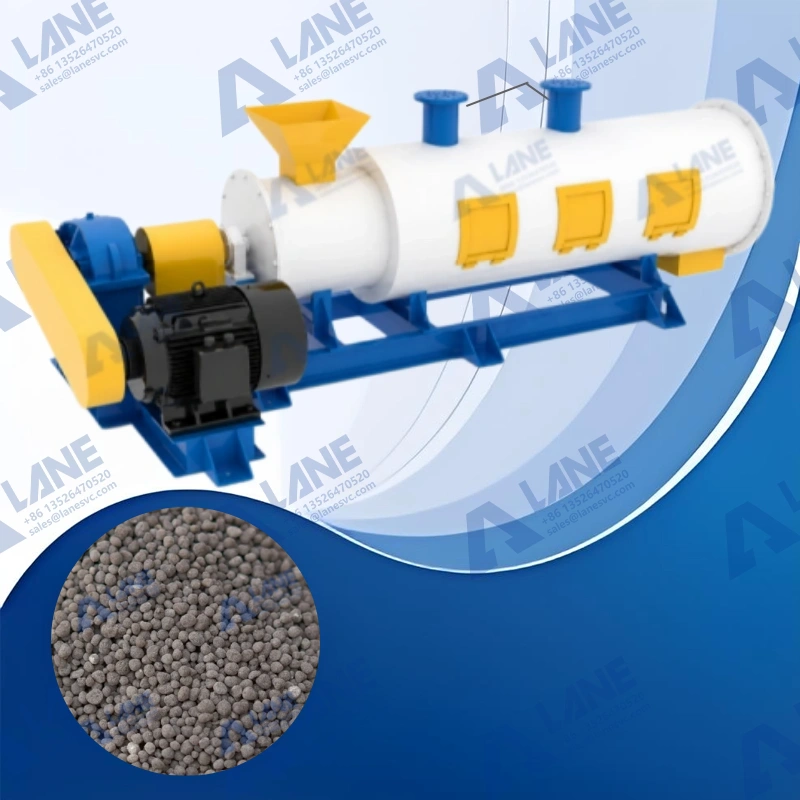
Automatic fertilizer batching machine with 0.1% weighing accuracy. PLC-controlled, load cell based, handles 1-20 materials. Recipe storage for 200 formulas. Dynamic or static weighing. 2-50 TPH. Get a quote.
A fertilizer batching machine is the brain of your mixing operation. Every pound of NPK that comes out of your granulator, every bag of blended fertilizer that leaves your plant, starts with this machine deciding how much of each raw material hits the mixer. If your batching is off, everything downstream is off too. Your bag label says 15-15-15 but the actual nutrient analysis drifts. That costs you customers.
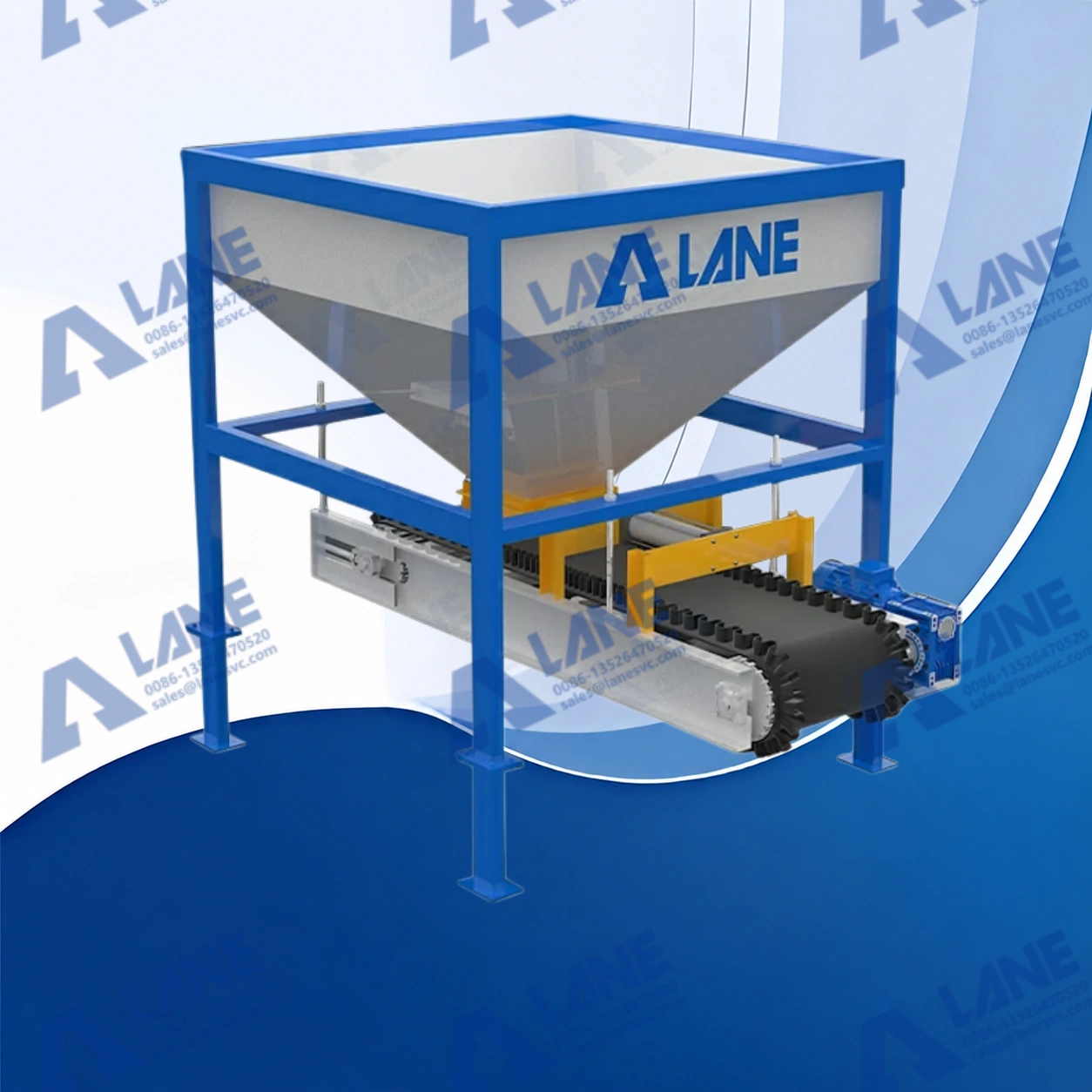
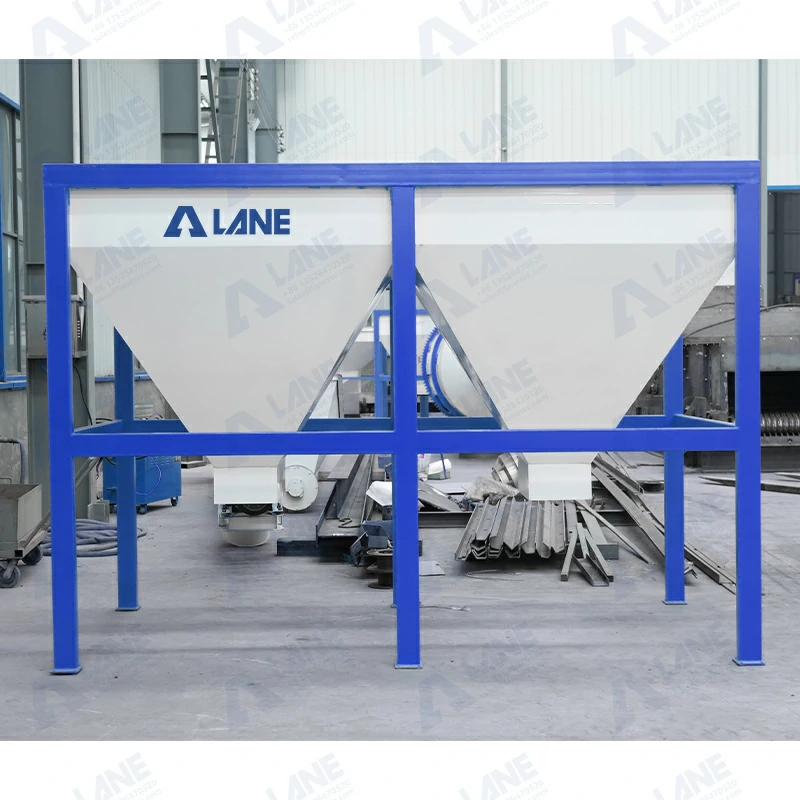
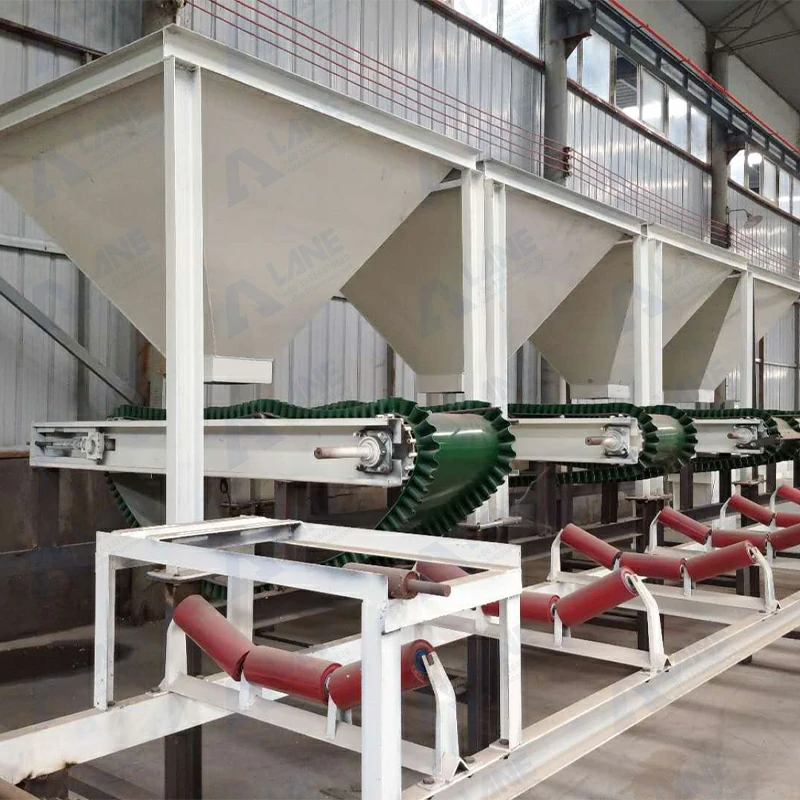
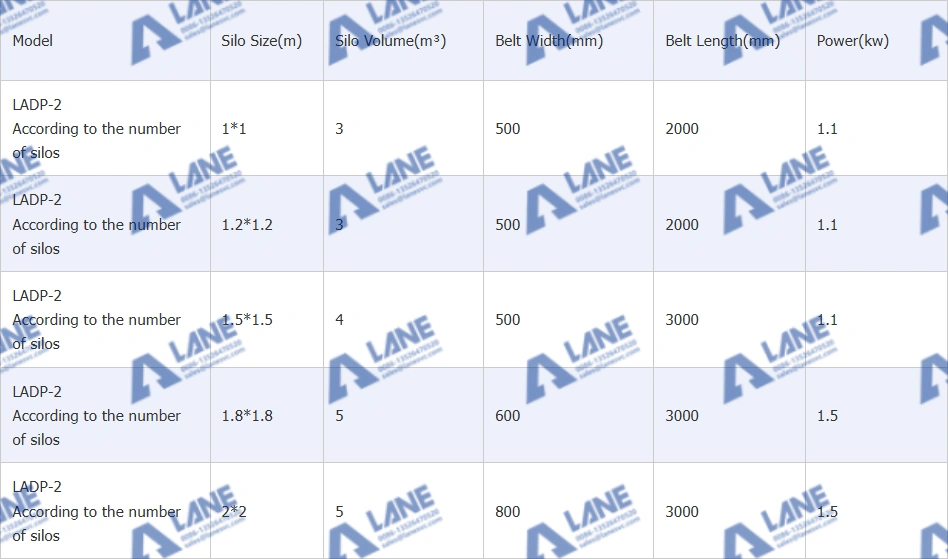
We build automatic fertilizer batching systems that weigh and dose 1 to 20 materials in sequence, at 2 to 50 tons per hour, with accuracy you can take to the bank. Each weigh hopper sits on four load cells tied to a PLC that controls discharge gates, tracks weight in real time, and logs every batch for your quality records.
You choose between dynamic weighing (material flows while the conveyor runs, for high-speed lines) or static weighing (material stops, the scale settles, then discharges, for tight-tolerance NPK formulas). You choose between cumulative mode (multiple materials into one weigh hopper) or loss-in-weight mode (each bin weighs what it dispenses). We configure the PLC to match how your plant actually runs.
The control panel stores up to 200 recipes. Your shift supervisor selects formula number 47, hits start, and the machine handles the rest: opening gates in sequence, hitting target weights, sounding an alarm if a bin runs low or a weight drifts past tolerance. No clipboard. No mental math. No guesswork.
Load cell accuracy you can verify. Every weigh hopper sits on four shear-beam load cells with a combined accuracy of 0.1% to 0.5% of full scale, depending on your material and throughput. We calibrate each cell at the factory with certified test weights and provide the calibration certificate. Your maintenance team can recalibrate in the field with a handheld weight indicator. No black-box calibration routines that require a factory technician.
Recipe-based automatic sequencing. The PLC stores 200 formulas. Each formula defines which materials to dose, in what order, and at what target weights. The operator picks a recipe and presses start. The system opens the first material’s gate, weighs to target, closes it, opens the next gate, and so on until the batch is complete. Total cycle time for a 1-ton batch across 6 materials typically runs 3 to 5 minutes. Changeover between formulas takes under 30 seconds at the HMI screen.
Cumulative or loss-in-weight mode. Cumulative mode feeds multiple materials into a single weigh hopper, one after another, zeroing the scale between materials. It is simpler, costs less, and works well for dry granular materials. Loss-in-weight mode mounts each storage bin on its own load cells and measures what leaves the bin during discharge. It is better for sticky materials, powders, or situations where cross-contamination between batches matters. We configure your system for the mode that fits your line.
Real-time logging and traceability. Every batch gets a timestamp, formula number, target weight per material, actual weight per material, and deviation. This data writes to the PLC SD card and can push to your plant’s SCADA or ERP system over Modbus TCP or Ethernet/IP. If a customer calls questioning a bag’s analysis, you pull the batch record and show them the actual weights. If your production manager wants a month-end yield report, the data is already there.
Material shortage and over-tolerance alarms. Each storage bin includes a low-level sensor. When material drops below the sensor, the PLC triggers a warning lamp and logs the event. If the system is mid-batch when the shortage occurs, it pauses the sequence and alerts the operator rather than shipping a short batch. Over-tolerance protection works the same way: if a weighment drifts more than your set percentage from target, the system holds that batch for operator review instead of discharging it automatically.
Integration-ready design. The batching machine sits between your raw material storage and your mixer. We provide the interfaces: upstream gates that open when the weigh hopper calls for material, downstream conveyors that start when the batch is ready to discharge, and a mixer interlock that prevents the mixer from accepting a new batch until the previous one has emptied. If you are building a new line or upgrading an old one, the system drops in with standard hardwired I/O and communication protocols.
The operator selects a stored recipe on the HMI touchscreen and hits cycle start. The PLC checks that all material bins show sufficient level and that the downstream mixer is ready to receive. If conditions are green, the system begins.
For cumulative weighing mode, the first material’s discharge gate opens and material flows from the storage hopper into the weigh hopper at a fast-feed rate. As the weight approaches target, the gate shifts to dribble-feed to prevent overshoot. When the target weight is hit within tolerance, the gate closes, the scale zeroes, and the next material’s gate opens. This repeats until all materials for the batch are in the weigh hopper. The discharge gate then opens and the full batch drops onto a belt conveyor feeding the mixer.
For loss-in-weight mode, each material has its own weigh bin. The PLC tracks the decreasing weight in each bin as material discharges. When the weight loss matches the target for that ingredient, the gate closes. Multiple materials can feed simultaneously since each bin is independently measured, reducing total cycle time.
After discharge, the system logs the batch data, increments the batch counter, and starts the next cycle.
NPK compound fertilizer formulation. This is the most common application. A 15-15-15 formula needs urea for nitrogen, DAP for phosphorus, and MOP for potassium, plus filler. The batching machine weighs each raw material in the correct ratio before it enters the mixer and then the granulator. Switch formulas at the HMI and the machine adjusts automatically.
Organic fertilizer additive dosing. Organic fertilizer lines often add mineral supplements like ground phosphate rock, potassium sulfate, or micronutrient blends to composted base material. The batching machine doses these additives in precise small percentages (often 1% to 5% of total batch weight) that would be impractical to weigh manually.
BB fertilizer blending. BB (bulk blending) plants run on speed and accuracy. A batching machine feeding a BB mixer directly couples recipe selection to material flow. The system can batch a 2-ton blend in 6 to 8 minutes and move on to the next formula without reconfiguration.
What factors affect batching accuracy?
Three things matter most: load cell quality, feed control, and mechanical isolation. Cheap load cells drift with temperature changes. A gate that slams from fully open to fully closed will overshoot on fine materials. And if your weigh hopper has rigid connections to upstream or downstream equipment, those connections transfer vibration and throw off the reading. We use temperature-compensated load cells, two-speed feed control with a dribble phase, and flexible connections at every weigh hopper interface.
Should I choose dynamic weighing or static weighing?
Static weighing stops the material flow before taking the reading. It gives you the highest accuracy (0.1% to 0.2%) and is the standard choice for NPK lines where nutrient ratios are critical. Dynamic weighing takes the reading while material moves across a weigh belt or through a flow meter. It is faster but accuracy lands in the 0.5% to 1% range. Choose dynamic if your line runs above 20 TPH and your formula tolerances allow half a percent variation. Choose static if you are making 15-15-15 with tight specs.
How many bins do I need?
Count your raw materials. A basic NPK line making 15-15-15 needs at minimum 3 bins (urea, DAP, MOP) plus a filler bin, so 4 bins. If you produce multiple grades with different fillers or additives, add a bin for each additional material. Most NPK plants run 6 to 8 bins. BB blending plants often run 8 to 12 bins because they handle a wider range of raw materials. We size the bin array to your current formulas and leave structural provision for adding bins later.
How do I manage recipes and switch between formulas?
Recipes are created and stored on the HMI touchscreen. You enter a formula number, name it, and define the target weight for each material. Editing a recipe takes about one minute. Switching between stored recipes at the HMI takes under 30 seconds. The PLC can also accept recipe selection from a remote SCADA system, so your production office can queue formulas without anyone touching the shop-floor panel.
How often do load cells need calibration?
We recommend annual calibration for normal operation. If your plant runs 24/7 or handles abrasive materials, calibrate every 6 months. Calibration takes about 2 hours for a 6-bin system using certified test weights. The load cells hold calibration well; most systems we have in the field drift less than 0.1% per year. When drift exceeds your process tolerance, recalibrate.
Can this batching machine integrate with my existing conveyor and mixer?
Almost certainly yes. The system uses standard hardwired digital I/O for start/stop signals and interlock logic with upstream gates, downstream conveyors, and the mixer. Communication to your plant network runs over Modbus TCP or Ethernet/IP. Send us your existing equipment list and a basic flow diagram and we will confirm the interface points before we quote.
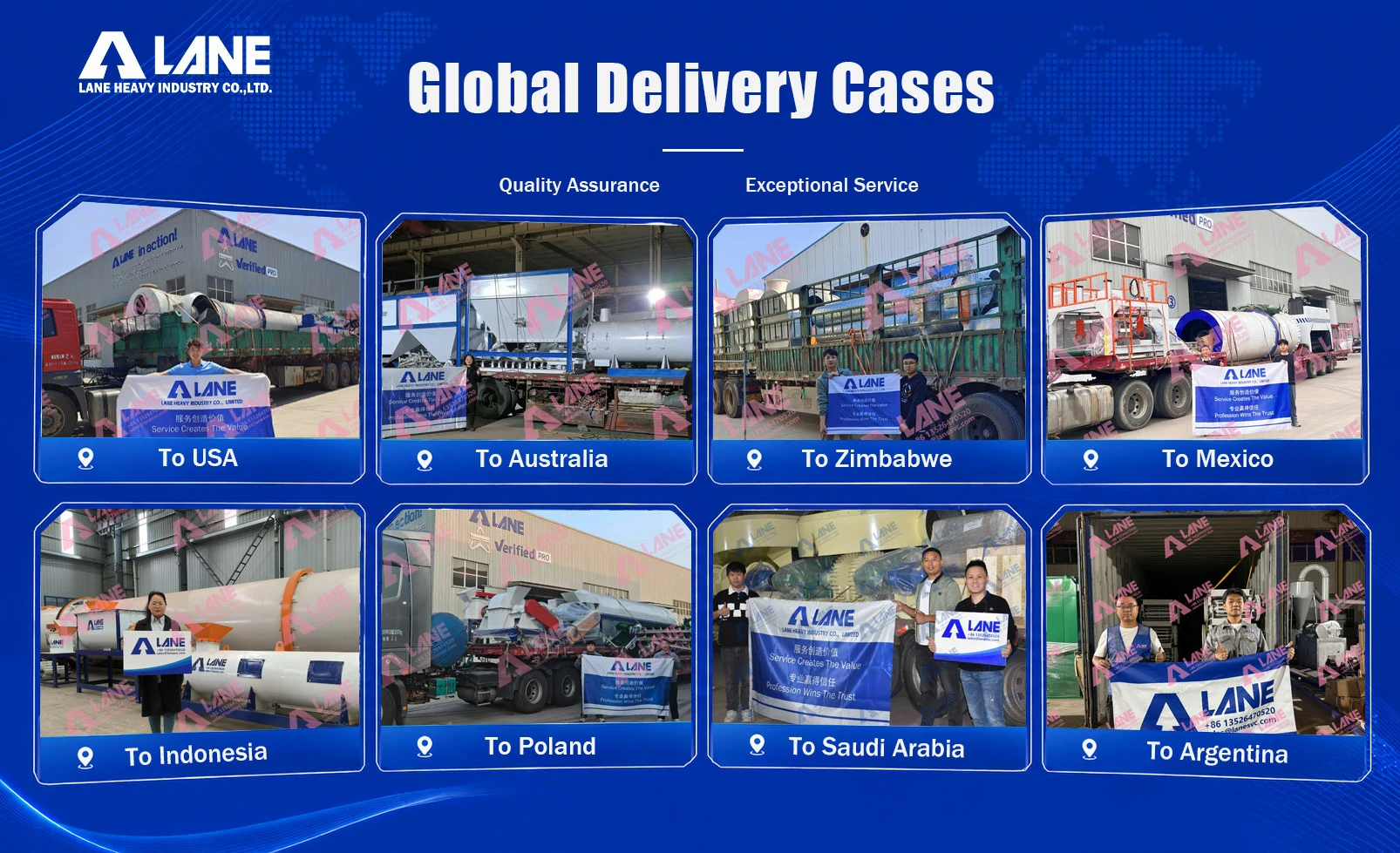
Send us your raw material list, target throughput, and preferred weighing mode. We will specify the right bin count, load cell configuration, and PLC setup for your plant. A detailed quotation with layout drawings arrives within 5 working days.


Everything you need to know when looking at different types of organic fertilizer equipment, all in one place.
Copyright © 2026. LANE All rights reserved.